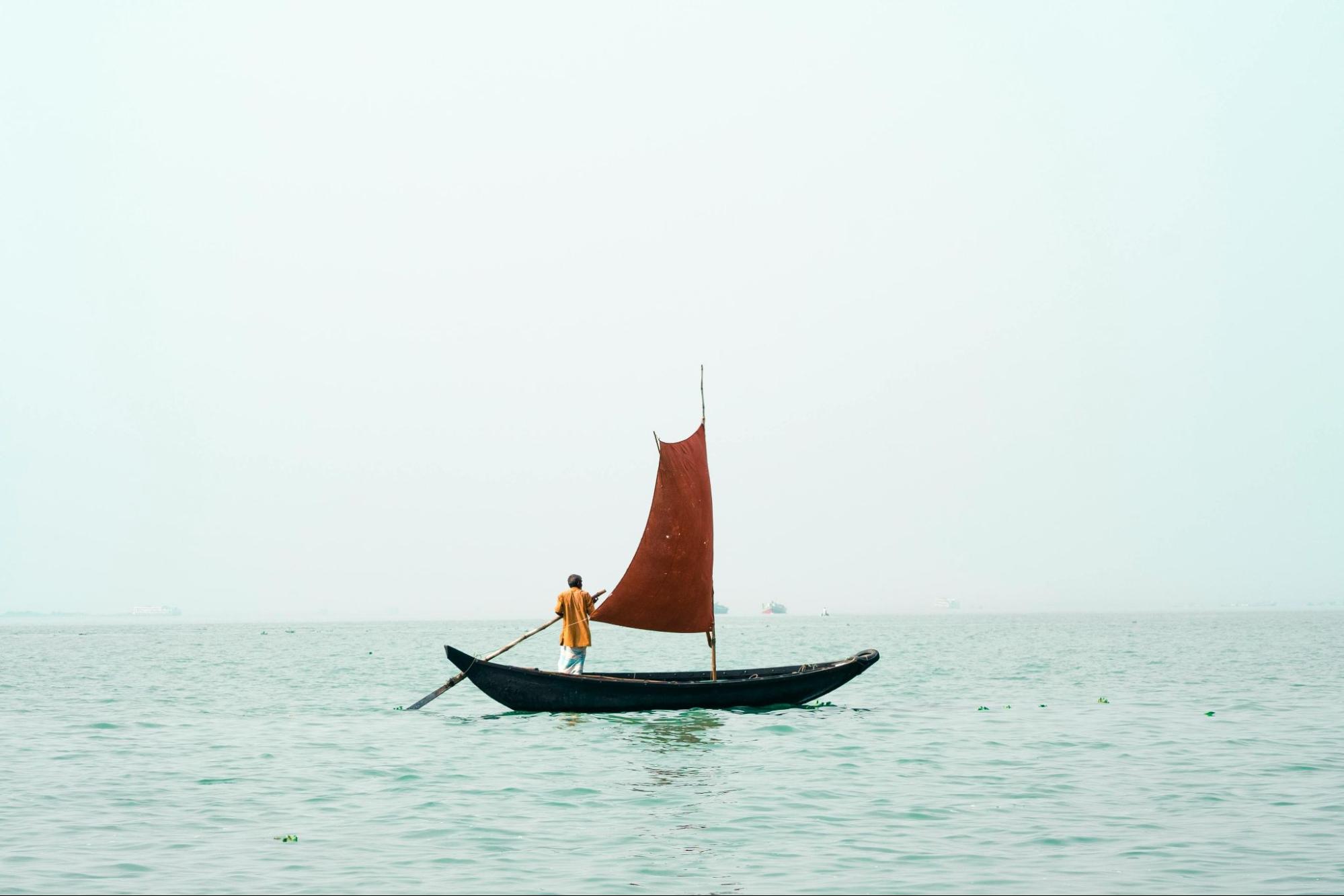
Bangladesh is a country filled with color, spirituality, and cultural diversity. Its festivals bring together people from different communities, religions, and regions.
This article highlights the 10 best festivals in Bangladesh, explaining what they are, why they matter, and when they are celebrated, helping you plan your visit or deepen your cultural understanding.
Top 10 Festivals in Bangladesh You Must Experience
1. Eid-ul-Fitr

Eid-ul-Fitr is Bangladesh’s largest Muslim religious celebration, marking the end of Ramadan. It is a day of prayers, charity, family visits, and traditional food. The festival highlights unity, generosity, and spiritual renewal.
When It’s Celebrated:
On the 1st day of Shawwal, based on moon sighting (usually in April or May).
Why It’s Celebrated:
To mark the end of the month-long fasting (Ramadan) and thank Allah for strength and blessings.
Highlights of the Festival:
- Huge morning prayers are held in mosques and open fields across Bangladesh.
- Special Eid dishes such as shemai, sheer khurma, beef curry, naan, and traditional sweets.
- People wear new clothes and exchange gifts (Eidi).
- Mandatory charity Zakat al-Fitr is given to the poor before prayers.
- Shopping hubs like New Market, Bashundhara City, and Chandni Chowk stay crowded before Eid.
Must Read: Bangladesh Visa – E-Visa Requirements, Eligibility & How To Apply
2. Eid-ul-Adha

Eid-ul-Adha is the Festival of Sacrifice in Bangladesh, honoring Prophet Ibrahim’s devotion. Families sacrifice animals such as cows, goats, or buffalo and distribute the meat to relatives, neighbors, and the poor. It is one of the most important Islamic festivals in the country.
When It’s Celebrated:
On the 10th day of Dhul Hijjah, the last month of the Islamic lunar calendar (usually in June or July).
Why It’s Celebrated:
To remember Prophet Ibrahim’s willingness to sacrifice his son as an act of obedience to Allah.
Highlights of the Festival:
- Early morning Eid prayers at mosques and open fields.
- Animal sacrifices (Qurbani) are carried out following Islamic guidelines.
- Distribution of meat to family, neighbors, and low-income families.
- Markets remain crowded with livestock such as cows, goats, and camels.
- Major cattle markets include Gabtoli Cattle Market (Dhaka), Rajshahi Cattle Market, and Chittagong’s Chandgaon Market.
Must Read: Bangladesh Visa Extension for Indians
Planning a trip to Bangladesh? You can book your Bangladesh visa online with OneVasco for a fast and hassle-free process.
3. Pohela Boishakh (Bengali New Year)
Pohela Boishakh marks the Bengali New Year and is one of Bangladesh’s most vibrant cultural festivals. Streets fill with parades, music, traditional fairs, and colorful decorations. It symbolizes new beginnings and the cultural identity of Bengalis.
When It’s Celebrated:
On 14 April every year, according to the Bengali calendar.
Why It’s Celebrated:
To welcome the Bengali New Year and celebrate Bengali heritage, arts, food, and cultural traditions.
Highlights of the Festival:
- The Mangal Shobhajatra parade is organized by Dhaka University’s Fine Arts Institute (UNESCO-recognized).
- Traditional foods like panta-ilish, lentils, and fried hilsa fish are served in homes and restaurants.
- Cultural fairs (Boishakhi Mela) featuring crafts, folk music, and rural games.
- People wear red-and-white traditional clothing.
- Rabindra Sangeet performances and stage programs are held across Dhaka and other cities.
- Markets and shops begin the day with Haal Khata, a new account-book opening ceremony for traders.
Must Read: Bangladesh Visa Appointment Booking – Complete Guide
4. Durga Puja

Durga Puja is the largest Hindu festival in Bangladesh, dedicated to Goddess Durga’s victory over evil. It features beautifully decorated pandals, rituals, cultural programs, music, and community gatherings across the country.
When It’s Celebrated:
In September or October, during the Hindu month of Ashwin (spanning 5 main days: Shashthi to Dashami).
Why It’s Celebrated:
To honor Goddess Durga’s triumph over the demon Mahishasura, symbolizing the victory of good over evil.
Highlights of the Festival:
- Elaborate pandals and artistic idols created by skilled Bangladeshi artisans.
- Daily rituals (aarti, pushpanjali, sandhi puja) attended by communities.
- Cultural shows including dance, drama, and devotional songs.
- Crowded pandal-hopping areas in Dhaka such as Dhakeshwari Temple, Banani Puja Mandap, and Ramna Kali Temple.
- Special foods like khichuri, labra, luchi, and sweets served at community mandaps.
Must Read: Bangladesh Visa Photo Requirements for Indians
5. Saraswati Puja

Saraswati Puja is dedicated to Goddess Saraswati, the Hindu goddess of knowledge, music, and learning. It is especially popular among students and educational institutions across Bangladesh.
When It’s Celebrated:
In January or February, on Vasant Panchami, the fifth day of the Bengali month Magh.
Why It’s Celebrated:
To seek the blessings of Goddess Saraswati for knowledge, wisdom, creativity, and success in education.
Highlights of the Festival:
- Schools, colleges, and universities set up decorated altars with books, instruments, and flowers.
- Students wear traditional yellow (basanti) outfits symbolizing spring.
- Cultural programs, recitations, and music performances held on campuses.
- Children begin education on this day through the ritual “Hate Khori”.
- Major celebration spots include Dhaka University, Jagannath University, and Ramkrishna Mission.
Must Read: Visa-Free Countries for Bangladesh Passport Holders [Including VOA, eVisa & ETA]
6. Buddha Purnima

Buddha Purnima is the most important Buddhist festival in Bangladesh, marking the birth, enlightenment, and passing (Mahaparinirvana) of Lord Buddha. It is observed with prayers, meditation, offerings, and peaceful community gatherings.
When It’s Celebrated:
On the full moon day of the month of Baishakh (usually in May).
Why It’s Celebrated:
To honor the three major events in Buddha’s life, his birth, enlightenment, and death, considered sacred in Buddhism.
Highlights of the Festival:
- Special prayers, chanting, and meditation sessions at monasteries.
- Processions, lamp lighting, and floral offerings by devotees.
- Monasteries such as Chittagong’s Buddha Dhatu Jadi, Dharmarajika Buddhist Monastery, and temples in the Hill Tracts hold major events.
- Free food distribution (Dana) and community meals for visitors.
Must Read: Reasons for Bangladesh Visa Rejection for Indian Nationals
7. Rabindra Jayanti
Rabindra Jayanti celebrates the birth anniversary of Rabindranath Tagore, the Nobel laureate poet, composer, and philosopher whose works deeply influence Bengali culture. The day is marked with music, dance, poetry, and literary programs across Bangladesh.
When It’s Celebrated:
On 8 May every year (25th of Baishakh in the Bengali calendar).
Why It’s Celebrated:
To honor Rabindranath Tagore’s contribution to Bengali literature, music, education, art, and cultural identity.
Highlights of the Festival:
- Cultural centers host performances of Rabindra Sangeet, dance dramas, and poetry recitations.
- Events at Bangla Academy, Shilpakala Academy, Dhaka University, and Shantiniketan-style institutes.
- Students and artists perform Tagore’s plays and musical dramas.
- Literary discussions, exhibitions, and book fairs focusing on Tagore’s works.
- Radio and television channels broadcast Tagore-themed programs throughout the day.
8. Chaitra Sankranti

Chaitra Sankranti marks the last day of the Bengali calendar and is celebrated with rural fairs, folk rituals, and traditional performances. It represents the end of the old year and prepares communities for Pohela Boishakh.
When It’s Celebrated:
On 13 April, the final day of the Bengali month Chaitra.
Why It’s Celebrated:
To mark the end of the Bengali year and offer thanks for the year’s harvest and blessings.
Highlights of the Festival:
- Rural fairs (Chaitra Mela) featuring handmade crafts, pottery, toys, and food stalls.
- Folk performances such as Baul songs, jatra (folk theatre), and dhak drumming.
- Traditional rituals for prosperity, including offerings and blessings in villages.
- Seasonal food items like puffed rice, sweets, and local fruits.
- Popular celebrations in districts like Mymensingh, Jessore, Kushtia, and Sylhet.
9. Nabanna Utsab

Nabanna Utsab is a traditional harvest festival in Bangladesh celebrating the arrival of newly harvested rice. Communities prepare rice-based foods, arrange cultural events, and hold village fairs to welcome the winter season.
When It’s Celebrated:
In early winter, mainly in November, during the Bengali month of Agrahayan.
Why It’s Celebrated:
To celebrate the first harvest of the season and express gratitude for agricultural abundance.
Highlights of the Festival:
- Preparation of traditional pitha such as bhapa pitha, chitoi pitha, patishapta, and rice cakes.
- Village fairs featuring folk music, dance, crafts, and local food stalls.
- Farmers bring in newly harvested rice and share it with the community.
- Cultural organizations in Dhaka and rural districts arrange stage performances.
- Popular celebrations in Faridpur, Manikganj, Barisal, Mymensingh, and Jessore.
10. Pahela Falgun
Pahela Falgun marks the first day of spring in Bangladesh and brings vibrant celebrations filled with flowers, music, and cultural events. It represents renewal, warmth, and the arrival of the spring season.
When It’s Celebrated:
On 13 February, the first day of the Bengali month Falgun.
Why It’s Celebrated:
To welcome the spring season and celebrate nature, color, and cultural expression.
Highlights of the Festival:
- People wear yellow and orange outfits symbolizing spring.
- Celebrations at Dhaka University’s Fine Arts Faculty, Bakultala, and Shahbag areas.
- Cultural performances including songs, dance, poetry, and street programs.
- Flower stalls, garlands, and spring-themed decorations across cities.
- Youth gatherings in parks, especially Ramna Park, Rabindra Sarobar, and Hatirjheel.
- Traditional foods and sweets sold at spring fairs.


FAQs
What are the most popular festivals in Bangladesh?
Eid-ul-Fitr, Pohela Boishakh, Durga Puja, and Victory Day are among the most celebrated festivals in the country.
When is Pohela Boishakh celebrated?
Pohela Boishakh is celebrated on 14 April every year as the Bengali New Year. It marks a fresh start with music, parades, and cultural events.
Is Bangladesh safe during festival celebrations?
Yes. Bangladesh remains welcoming during festivals, though major events may attract large crowds.
Which festival is best for tourists?
Pohela Boishakh, Shakrain, and Durga Puja offer the most colorful and immersive experiences.
What is the largest Islamic gathering in Bangladesh?
Bishwa Ijtema is the largest Islamic gathering in Bangladesh and one of the biggest in the world. Millions gather near Dhaka for prayers and sermons.
Which Hindu festivals are widely celebrated in Bangladesh?
Durga Puja and Saraswati Puja are the most significant Hindu festivals.
Do tribal groups celebrate unique festivals?
Yes. The Chambal Festival and other regional celebrations reflect the rich cultural diversity of tribal communities.
What is the best season for experiencing festivals?
November to April offers the highest number of festivals and pleasant weather.