15 Best Markets in Japan
- 1. Ameya Yokocho (Ameyoko), Tokyo
- 2. Tsukiji Outer Market, Tokyo
- 3. Nishiki Market, Kyoto
- 4. Kuromon Ichiba Market, Osaka
- 5. Tenjinbashi-suji Shopping Street, Osaka
- 6. Osu Shopping District, Nagoya
- 7. Harajuku Takeshita Street, Tokyo
- 8. Tenjin Underground Shopping Center, Fukuoka
- 9. Omicho Market, Kanazawa
- 10. Kappabashi Street (Kitchen Town), Tokyo
- 11. Teramachi Shopping Arcade, Kyoto
- 12. Nakamise Shopping Street, Tokyo
- 13. Nippombashi Den-Den Town, Osaka
- 14. Sapporo Central Wholesale Market, Sapporo
- 15. Asaichi Morning Market, Hakodate
- FAQs
1. Ameya Yokocho (Ameyoko), Tokyo

Ameya Yokocho (Ameyoko), Tokyo Nestled between Ueno and Okachimachi stations, Ameyoko is a bustling local market in Japan featuring over 400 shops. You can explore fresh seafood, pickles, sweets, clothing, bags, and more, making it one of the best markets in Japan for both shopping and food experiences.
- Stock up on wagashi (Japanese sweets), senbei (rice crackers), and other tasty nibbles
- Browse eclectic shops selling everything from discount sneakers to colorful wigs
- Feast on fresh seafood donburi rice bowls at tiny eateries lining the street
- Open daily from 10 am-7 pm, with some shops closed on Wednesdays
Suggested Read: Japan Visa Photo Size & Specifications
2. Tsukiji Outer Market, Tokyo
Tsukiji Outer Market, Tokyo While the iconic tuna auctions moved to Toyosu, Tsukiji’s outer market remains a top destination. This best food market in Japan is packed with stalls offering fresh seafood, kitchenware, knives, and culinary essentials, perfect for food lovers and chefs alike.
- Savour sushi made with fish delivered straight from the docks
- Watch skilled craftsmen hand-forge razor-sharp Japanese knives
- Sample tamagoyaki (rolled omelet) and fish cakes hot off the grill
- Most stalls open from 5 am-2 pm; restaurants may operate longer hours
Suggested Read: Japan Visa Rejection Reasons & Approval Tips
3. Nishiki Market, Kyoto

Nishiki Market, Kyoto Known as “Kyoto’s Kitchen,” Nishiki Market is a covered local market in Japan stretching five blocks. From pickles and tofu to sweets and sushi, it’s one of the best food markets in Japan for sampling traditional Kyoto specialties.
- Try Nishiki’s famous tako tamago (baby octopus stuffed with a quail egg)
- Watch artisans craft intricate Kiyomizu-yaki ceramics and Aritsugu knives
- Grab a quick bite at the bustling stalls along the way
- Most shops open daily from 9 am-5 pm, except some Wednesdays
Planning a trip to Japan? You can book your Japan visa online with OneVasco for a fast and hassle-free process.
Suggested Read: Japan Visa Extension
4. Kuromon Ichiba Market, Osaka
Kuromon Market, Osaka Kuromon is one of the liveliest best markets in Japan, housing around 150 stalls selling fresh seafood, meats, fruits, and sweets. Its covered arcade makes it ideal for a rainproof shopping and foodie adventure.
- Slurp down fresh oysters and scallops at one of the market’s tiny standing bars
- Feast your eyes on massive tuna, octopus, crabs, and other ocean delicacies
- Grab skewers of grilled wagyu beef for an indulgent snack
- Most stalls open daily from 9 am-5 pm; restaurants may stay open later
Suggested Read: Japan in February
5. Tenjinbashi-suji Shopping Street, Osaka
Tenjinbashi-suji, Osaka Stretching over 2.6 km, Tenjinbashi-suji is the biggest market in Japan by length. This covered shopping street features hundreds of shops offering groceries, clothes, electronics, and more, making it a must-visit for bargain hunters.
- Browse quirky shops selling everything from cosplay outfits to lucky charms
- Sample street snacks like takoyaki (octopus balls) and okonomiyaki (savory pancakes)
- Shop for trendy fashion at budget-friendly prices
- Most stores open daily from 10 am-8 pm; some restaurants open later
Suggested Read: Japan With Kids
6. Osu Shopping District, Nagoya
Osu Shopping District, Nagoya/Osaka Osu is a maze of arcades and weekend markets in Japan where you can explore vintage clothing, antiques, electronics, and quirky finds. It’s a vibrant cheap market in Japan for unique items.
- Rummage through crates of second-hand records, CDs, and DVDs
- Shop for trendy streetwear and vintage kimonos at bargain prices
- Grab a quick bite at one of the many international eateries in the area
- Main shops open daily from 11 am-8 pm; flea markets on weekends and holidays
Suggested Read: Japan Visa For Indians
7. Harajuku Takeshita Street, Tokyo
Takeshita Dori is a trendy shopping street in Japan that is popular with the young and fashionable crowd. The pedestrian-only lane is crammed with boutiques, cafes, and clothing markets in Japan.
- Browse the latest Harajuku fashion trends, from gothic Lolita dresses to kawaii accessories
- Grab a rainbow-hued cotton candy or animal-shaped ice cream cone
- Take a break at one of the cute themed cafes lining the street
- Most shops open daily from 11 am-8 pm; Sundays can get extremely crowded
Suggested Read: Japan Monuments
8. Tenjin Underground Shopping Center, Fukuoka
Located beneath Tenjin Station, this sprawling underground mall is one of the top luxury shopping spots in Japan. It houses over 150 shops selling high-end fashion, cosmetics, gifts, and more.
- Browse designer boutiques like Louis Vuitton, Prada, and Hermès
- Shop for premium skincare and makeup at department store counters
- Take a break at one of the chic cafes or upscale restaurants
- Open daily from 10 am-8 pm; some shops may have extended hours
Suggested Read: Japan in July
9. Omicho Market, Kanazawa
Dating back to the Edo period, Omicho Market is Kanazawa’s largest fresh food market. The covered arcade houses around 200 stalls selling seafood, produce, flowers, and more.
- Sample fresh Kanazawa specialties like nodoguro (black throat seaperch) and kano-gani crab
- Watch fishmongers expertly fillet massive tuna and slice sashimi to order
- Browse colorful displays of ikebana (flower arrangements) and bonsai trees
- Most stalls open daily from 9 am-5 pm; restaurants may stay open later
10. Kappabashi Street (Kitchen Town), Tokyo

Kappabashi Dori is a mecca for chefs and home cooks. The street is lined with shops selling kitchen equipment, tableware, and famous plastic food displays.
- Browse an incredible array of high-quality Japanese and Western kitchen knives
- Pick up beautiful lacquerware bowls, ceramic sake sets, and cast iron teapots
- Snap a photo with the giant chef statue that marks the entrance to the street
- Most shops are open daily from 9 am-5 pm; closed on Sundays and holidays
11. Teramachi Shopping Arcade, Kyoto
Teramachi is a charming covered shopping street in Japan, filled with shops selling traditional crafts, antiques, books, and more.
- Browse antique shops for vintage kimonos, woodblock prints, and samurai swords
- Shop for beautiful washi paper, calligraphy brushes, and other stationery goods
- Visit Kyukyodo, a historic incense shop founded in 1663
- Most stores open daily from 10 am-6 pm; some close on Thursdays
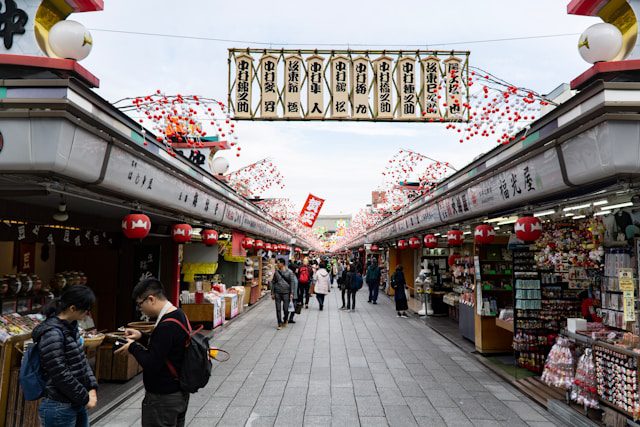
12. Nakamise Shopping Street, Tokyo
Leading up to Senso-ji Temple in Asakusa, Nakamise Dori is one of the oldest shopping streets in Japan. The bustling pedestrian lane is lined with stalls selling traditional snacks and souvenirs.
- Sample classic Japanese treats like ningyo-yaki (sweet-filled cakes) and kaminari-okoshi (crunchy rice snacks)
- Pick up affordable souvenirs like folding fans, yukata robes, and maneki-neko lucky cat statues
- Soak up the festive atmosphere, especially during events like Sanja Matsuri in May
- Most stalls open daily from 9 am-5 pm; temple grounds are always open
13. Nippombashi Den-Den Town, Osaka
Nippombashi, Osaka Often compared to Akihabara in Tokyo, Nippombashi is a buzzing local market in Japan dedicated to electronics, gaming, and anime merchandise. A paradise for collectors and tech enthusiasts.
- Browse massive stores like Joshin Super Kids Land and Yellow Submarine for rare manga and figurines
- Shop for new and vintage video games, consoles, and electronics
- Visit during the Nippombashi Street Festa in March to see incredible cosplay displays
- Most shops open daily from 11 am-8 pm; some restaurants and arcades open later
14. Sapporo Central Wholesale Market, Sapporo
Sapporo Central Wholesale Market, Hokkaido One of the biggest markets in Japan, Sapporo Central offers hundreds of stalls with fresh seafood, meat, produce, and dairy. It’s a perfect spot to experience Hokkaido’s culinary richness.
- Feast on ultra-fresh uni (sea urchin), ikura (salmon roe), and succulent Hokkaido crab
- Browse stalls selling Hokkaido specialties like Yubari melon, corn, and potatoes
- Warm up with a hearty bowl of Sapporo miso ramen or soup curry
- Outer market stalls open daily from 7 am-6 pm; restaurants may open later
Suggested Read: Japan in August
15. Asaichi Morning Market, Hakodate

Asaichi Morning Market, Hakodate Set near Hakodate’s historic red-brick warehouses, this lively morning market is one of the best food markets in Japan, offering fresh catches, local produce, and snacks beloved by both locals and tourists.
- Sample fresh seafood delicacies like hakodate shio ramen, ikura don (salmon roe rice bowl), and grilled squid
- Browse stalls selling locally grown produce, sweets, and handicrafts
- Watch fishmongers expertly fillet massive tuna and slice sashimi to order
- Open daily from 5 am-2 pm; go early for the best selection and atmosphere
Suggested Read: Japan in October


FAQs
1. What are the best things to buy from markets in Japan?
Some of the best bargains in Japan markets include:
- Fresh seafood like tuna, uni (sea urchin), salmon roe, crab, and oysters
- Japanese kitchen knives and cooking equipment
- Artisanal ceramics, lacquerware, and cast iron teapots
- Traditional sweets and snacks like mochi, senbei rice crackers, and matcha treats
- Vintage kimonos, accessories, and antiques
- Anime, manga, and video game goods
- Trendy fashion and streetwear at discount prices
2. What is the best time to shop in Japan?
For the freshest ingredients and liveliest atmosphere, visit food markets in the early morning hours (before 10:00). Many stalls sell out by early afternoon. Flea markets and outdoor markets are often weekend or holiday-only affairs. Check event schedules in advance.
If you’re after bargains, time your visit with major sales seasons:
- New Year’s Sales (late December to early January)
- Golden Week Sales (late April to early May)
- Obon Festival Sales (mid-August)
3. Is it worth shopping in Japan?
Absolutely! Japan offers an incredible variety of shopping experiences, from ultra-modern department stores to traditional markets. You can find everything from high-tech gadgets to handcrafted arts and crafts. Plus, Japan is known for its exceptional customer service, attention to detail, and beautifully packaged goods.
4. What stores are cheaper in Japan?
Some of the most affordable shops in Japan include:
- 100-yen shops like Daiso and Seria (great for cheap souvenirs, stationery, and household goods)
- Discount clothing stores like Uniqlo, GU, and Shimamura
- Secondhand shops like Book-Off, Hard-Off, and Mode-Off (for used books, electronics, clothing, etc.)
- Don Quijote (an eclectic discount store selling everything from groceries to costumes)
5. Is shopping in Japan expensive?
Japan has options for every budget, from 100-yen shops to high-end department stores. Prices are generally comparable to other developed countries. Some things that tend to be more expensive include:
- Fresh fruits like melons, grapes, peaches, etc. (often sold as luxury gift items)
- Imported foods and goods (due to transport costs and import duties)
- Alcohol, especially in bars and restaurants (look for nomihoudai “all you can drink” deals)
6. How much gold can I carry from Japan to India?
According to Indian customs regulations, you can bring gold into India under the following limits without paying duty:
- Male passengers: Up to 20g with a value cap of Rs. 50,000
- Female passengers: Up to 40g with a value cap of Rs. 1 lakh
Anything exceeding these limits may be subject to customs duty. It’s always best to check the latest regulations before your trip.