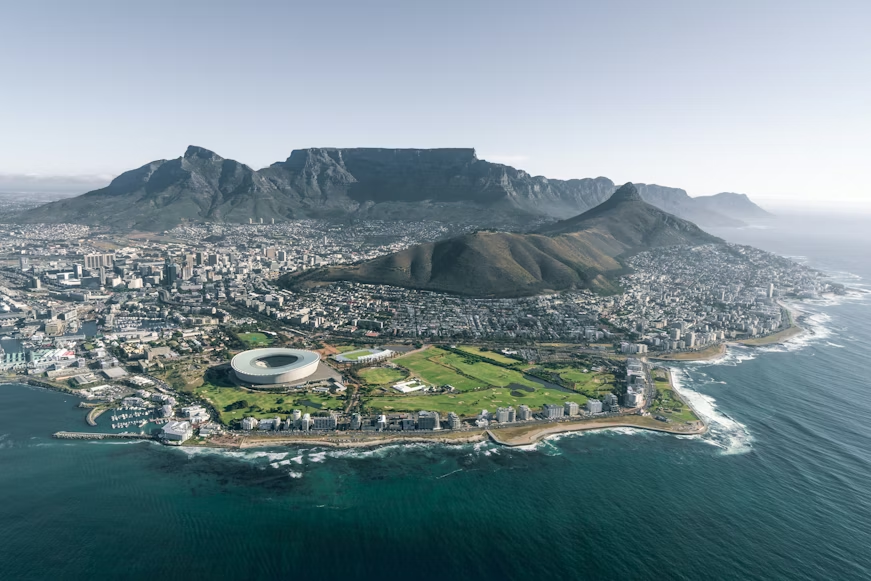
South Africa’s landscapes have a way of stopping travelers in their tracks, whether it’s the cliffs of the Cape Peninsula, the golden light over the savannas, or the energy of Johannesburg’s art districts. It’s a country that promises big experiences, so it’s natural for anyone planning a trip to wonder, ‘Is South Africa safe to visit?’, while taking in everything it offers.
What separates a smooth trip from a stressful one often comes down to preparation. Fake airport pickups, ATM skimming, carjacking at intersections, and navigating healthcare options are realities that require awareness rather than fear. This guide walks through the crime landscape, scam tactics, nighttime precautions, emergency contacts, local laws, regional climate differences, and road safety so you can make decisions based on facts rather than assumptions.
Source: Unsplash
Current Safety Status in South Africa

Source: Unsplash
The crime rate in South Africa remains a serious concern, resulting in a global Crime Index that places it among countries requiring heightened vigilance. International travel advisories, such as the U.S. Department of State’s Level 2: Exercise Increased Caution, specifically recommend visitors be aware of the high risk of crime, terrorism, unrest, and kidnapping.
Official crime statistics for the first and second quarters of the 2025/2026 financial year indicate double-digit percentage declines in both murder and aggravated robbery compared to the same period the previous year.
The government has implemented extensive security measures in tourist areas, with visible police presence and private security at major attractions.
Violent crimes are primarily concentrated in non-tourist areas, particularly informal settlements (townships) on city outskirts, rather than the heavily secured tourist zones like the V&A Waterfront, Kruger National Park, and Table Mountain National Park.
Despite the safety concerns, international travel demand remains robust; the US surpassed the UK as South Africa’s largest overseas source market in 2024, showcasing the country’s continued appeal to high-volume tourism.
Suggested Read: South Africa to Ease Visa Rules for Indians: 90 Day Waiver & Tour Scheme
Crime and Safety Concerns

Source: Unsplash
Common scams in South Africa target tourists in airports, busy city zones, and major attractions. Visitors often face fake airport pickups, false police stops, ATM fraud, distraction theft, unlicensed taxis, fake township tours, and online romance schemes. Awareness of how these scams operate helps travellers avoid financial loss and unnecessary stress during their trip.
Common Scam Types
Fake Airport Pickups
- Scammers pose as booked drivers at arrivals, holding signs with tourist names and using unmarked cars that look unofficial.
- They quote normal prices at first, then demand far higher amounts on arrival or steal luggage during transport.
- Some request full payment upfront, making refunds or disputes impossible afterward.
- Safety tips for travelers in South Africa include confirming driver identity, checking vehicle markings, and avoiding anyone who cannot show official credentials.
Fake Police and Traffic Officers
- Criminals use fake uniforms or flashing blue lights to stop tourists, demanding on-the-spot “fines,” which real officers never request.
- They claim violations, then inspect wallets or bags to steal valuables while pretending to conduct searches.
- These groups often operate in unmarked vehicles to create urgency and fear.
ATM Fraud and Card Skimming
- Teams distract users by pretending the machine is jammed while partners observe PIN entry or film from nearby angles.
- Skimming devices and hidden cameras appear on ATMs in isolated or poorly lit areas outside bank branches.
- “Helpful strangers” interfere during transactions, aiming to capture card details and drain accounts.
- Using ATMs inside banks and shielding the keypad are reliable guidelines for safe travel in South Africa.
Suggested Read: South Africa Launches ETA System in 2025: What Travelers from Select Countries Need to Know
Distraction and Pickpocketing
- One scammer starts a friendly conversation while an accomplice quietly removes phones, wallets, or passports.
- Variations include someone spilling liquid or bumping into you to create confusion while another person steals items.
- These schemes appear most often in markets, busy transport areas, and popular attractions.
- Staying alert in crowds and keeping valuables secured reduces these risks and supports safer solo travel in South Africa.
Unlicensed Taxi Services
- Drivers advertise low fares, then inflate charges at the end of the trip, claiming meter issues or “special rates.”
- Some take long detours through traffic to raise the fare, especially when tourists are unfamiliar with routes.
- Unmarked vehicles without taxi permits pose a higher risk of overcharging and theft.
- Using vetted taxi apps or hotel-arranged transport strengthens how to stay safe in South Africa as a tourist.
Fake Township Tours
- Unlicensed guides market “authentic experiences” but lack credentials, insurance, or safe routes.
- These scams may lead tourists into isolated areas where accomplices wait to rob them.
- Some collect payment but provide only minimal service or sell mass-produced crafts as handmade items.
- Booking tours through registered operators helps avoid high-risk areas to avoid in South Africa.
Romance and Online Scams
- Scammers build emotional connections online, then request money for fabricated emergencies or travel issues.
- Email and social media schemes promise inheritances, business ventures, or winnings tied to South Africa.
- Fraudsters impersonate US citizens claiming to be stranded and needing urgent financial help.
Recognizing these red flags and avoiding financial transfers protects travelers assessing ‘Is South Africa safe to visit?’ from digital risks as well.
Suggested Read: South Africa Visa for Indians
Prevention Tips

Source: Unsplash
- Use licensed services only by choosing registered taxis and SATSA-approved operators to avoid common scams in South Africa.
- Confirm prices upfront using online checks or hotel guidance so you recognize inflated fares and stay aligned with basic safety tips for travelers in South Africa.
- Secure valuables properly with hotel safes and front-facing bags, a simple way to reduce theft risk while moving through busy areas.
- Keep transaction records by saving receipts and photographing meters to prevent disputes.
- Rely on your instincts, stepping away from pressure or unsolicited offers, an easy habit that strengthens overall travel safety.
General Safety Guidelines

Source: Unsplash
Nighttime Safety Concerns
- Avoid walking alone after dark, even in tourist zones, as nightlife safety in South Africa varies widely and risks increase sharply once streets are empty.
- Use taxis or ride-hailing apps for all evening movement, since city centers in Johannesburg, Cape Town, and Pretoria become high-risk after sunset.
- Stay alert in bars and clubs, as drink spiking has been reported in busy venues and affects both alcoholic and non-alcoholic beverages.
- Watch for organized theft groups operating in crowded entertainment areas; Long Street in Cape Town sees frequent pickpocketing targeting distracted visitors.
- Prioritize group travel at night, a simple habit that strengthens solo travel safety in South Africa and reduces exposure to opportunistic crime.
Emergency Response System
Emergency numbers in South Africa:
|
Service |
Emergency Number |
Notes (Official Govt Links) |
|
Police Emergencies |
10111 |
South African Police Service emergency number for crime and public safety. Official site:https://www.saps.gov.za |
|
Medical Emergencies (Ambulance) |
10177 |
National emergency medical and ambulance services. Official info:https://www.gov.za |
|
General Emergency (Mobile Phones) |
112 |
Nationwide emergency number from mobile phones for police, fire, and medical services. Official info:https://www.gov.za |
|
Police Complaints (SAPS Service Complaints Centre) |
0800 333 177 |
For complaints against police conduct or service issues. Official SAPS page:https://www.saps.gov.za/services/complaints.htm |
The emergency response infrastructure varies between urban and rural areas. Major cities have English-speaking operators and reasonable response times. When calling, state your name, phone number, exact location with landmarks, what happened, the number of people needing help, and whether weapons are involved. Never hang up until the operator releases you.
The security presence is visible in tourist zones, featuring both uniformed officers and private security guards at hotels, attractions, and shopping areas. However, policing can be inconsistent, so personal vigilance remains essential.
Health and Medical
The private healthcare sector provides reliable medical care, but public services face pressure, making advanced awareness of health and hygiene in South Africa.
- Private hospitals offer the highest standards, with around 200 facilities in major cities meeting international benchmarks and providing 24-hour emergency care, trauma units, and helicopter evacuation when required.
- English-speaking medical staff are widely available, and many clinics employ multilingual teams, making communication easy for international visitors.
- Private facilities accept global insurance, often with direct billing, but they require proof of coverage or payment ability before treatment; costs are still far lower than in many Western countries.
- Public hospitals face long waits and limited resources, so tourists should rely on private care supported by comprehensive travel insurance.
- Tap water in major cities is generally safe, though bottled water remains the safer option in rural regions where treatment quality varies.
Suggested Read: South Africa in Summer: Your Ultimate Travel Guide
Laws and Local Regulations

Source: Unsplash
- LGBTQ+ protections are strong, with same-sex marriage legal since 2006, and Cape Town is known for its inclusive environment, though rural areas remain more conservative.
- Driving laws require strict compliance, including left-side driving, mandatory seat belts, and hands-free phone use; drunk driving carries severe penalties given South Africa’s high alcohol-related accident rates.
- Photography restrictions apply near military sites, government buildings, and some cultural areas; always request permission before photographing people or sensitive locations.
- Public alcohol consumption is prohibited, with fines or short jail terms for drinking outside licensed venues; alcohol sales hours vary by municipality.
- Identification rules require carrying passport copies, keeping originals in hotel safes, and ensuring passports have two blank visa pages and 30 days’ validity beyond departure; children need additional travel documentation.
Suggested Read: South Africa on a Budget: The Ultimate Travel Guide
Climate and Weather Patterns

Source: Unsplash
South Africa’s climate varies dramatically across regions, creating diverse weather challenges requiring preparation. The country experiences seasons opposite to the Northern Hemisphere, with summer running from December through February and winter spanning June through August.
Cape Town features a Mediterranean climate with hot, dry summers reaching 30-35°C (86-95°F) and cool, rainy winters dropping to 7-15°C (45-59°F). The Garden Route receives year-round rainfall with mild temperatures throughout. Johannesburg sits at 5,751 feet, creating cooler conditions than coastal areas despite its inland location.
The African sun causes severe sunburn rapidly, particularly for visitors from temperate climates. Apply high-SPF sunscreen every two hours, wear wide-brimmed hats, sunglasses, and light-colored protective clothing.
Stay hydrated by drinking water regularly, even when not feeling thirsty. Heat exhaustion and heatstroke affect tourists unused to intense UV radiation and high temperatures.
Suggested Read: South Africa Famous Food: Explore The 16 Must-Try Dishes
Traffic and Pedestrian Safety

Source: Unsplash
- Fatal crashes remain high nationwide, with weekend travel and evening hours showing the greatest danger based on current crash data.
- Pedestrians account for a large share of road deaths, while young adults make up most driver fatalities despite representing a smaller portion of the population.
- Never rely on GPS alone, as routes may lead through areas to avoid in South Africa; confirm safe roads with hotels or rental agencies.
- Carjacking and smash-and-grab incidents occur at intersections, petrol stations, and driveways, making locked doors and raised windows essential at all times.
- Criminals sometimes use spikes or objects to force vehicles to stop; avoid stopping and drive to the nearest public, populated location when safe.
- Driving after dark increases risk due to animals on roads, unlit areas, stalled vehicles, and higher crime rates; limit night travel whenever possible.
- Traffic lights malfunction frequently; treat any non-working signal as a four-way stop and proceed with heightened awareness.
Suggested Read: South Africa Visa Rejection for Indian Tourists


FAQs
Q: Is South Africa safe to visit overall?
Yes, most visitors travel safely when following basic guidelines for safe travel in South Africa, such as staying in tourist areas, avoiding isolated streets after dark, and using registered transport.
Q: What are the most dangerous areas to avoid in South Africa?
Avoid high-risk zones like Cape Flats, Nyanga, Khayelitsha, Manenberg, and parts of central Johannesburg unless on trusted tours, and rely on verified routes rather than GPS shortcuts.
Q: How safe is nightlife in South Africa for tourists?
Nightlife can be enjoyed in monitored districts like Long Street and Sandton, but stick to groups, watch your drinks, and use reliable transport between venues.
Q: Is public transportation safe in South Africa?
The Gautrain offers dependable travel, while Metrorail and informal taxis pose safety concerns; ride-hailing apps remain the most practical option for visitors.
Q: What should I do in case of an emergency in South Africa?
Call the relevant emergency numbers in South Africa: 10111 for police, 10177 for medical help, or 112 from mobile phones, and share clear details about your location, which helps travelers assess ‘Is South Africa safe to visit?’ when responding to urgent situations.