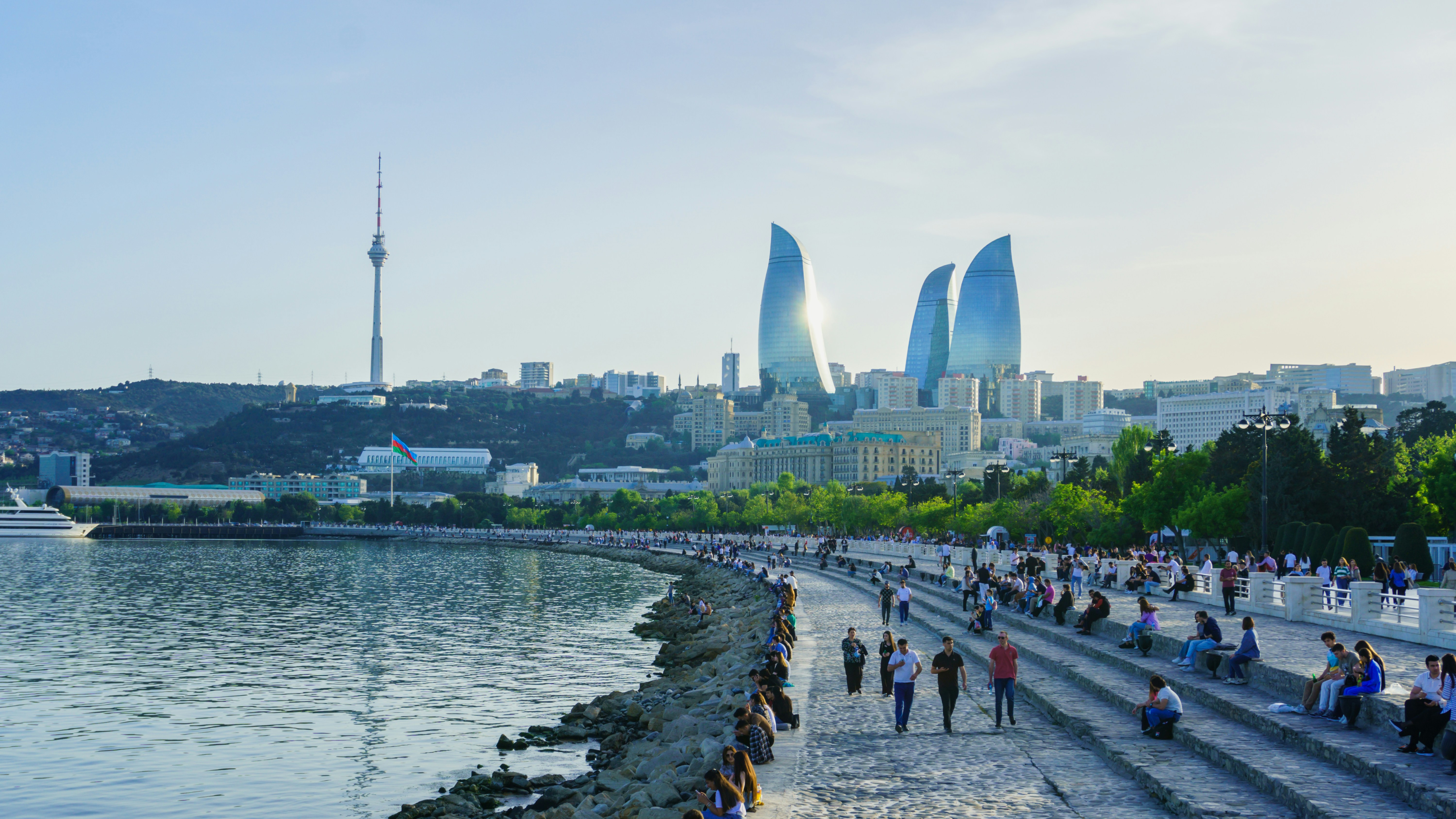
Azerbaijan, at the crossroads of Europe and Asia, is a country of vibrant culture, stunning landscapes, and centuries-old traditions. From the modern skyline of Baku to the serene countryside, visitors are constantly charmed by the diversity of experiences. But to enjoy a hassle-free and culturally respectful trip, it’s important to know what to avoid.
This guide covers things not to do in Azerbaijan for first-timers, helping you steer clear of common mistakes and enjoy your journey with ease.
- 1. Do Not Engage in Public Displays of Affection
- 2. Do Not Dress Immodestly
- 3. Don’t Take Photos Without Permission
- 4. Do Not Discuss Politics or Sensitive Topics
- 5. Do Not Ignore Dining Etiquette
- 6. Do Not Litter or Damage Public Spaces
- 7. Do Not Touch Someone’s Head
- 8. Do Not Point with Your Feet
- 9. Do Not Haggle Aggressively
- 10. Do Not Disrespect Religious Customs
- 11. Do Not Drink Excessively in Public
- 12. Don’t Interrupt Conversations
- 13. Do Not Wear Offensive or Political Symbols
- 14. Do Not Ignore Local Greetings
- 15. Do Not Carry Illegal Substances
- Why Choose OneVasco?
- FAQs
1. Do Not Engage in Public Displays of Affection

Public displays of affection, such as kissing or hugging, are considered inappropriate in most areas of Azerbaijan, especially in smaller towns and conservative regions. Holding hands with your partner may be tolerated in some urban areas, but more intimate gestures should be reserved for private spaces. Being discreet shows respect for local norms and helps you avoid uncomfortable situations.
Suggested Read: Azerbaijan Itinerary (7 Days) for Indians
2. Do Not Dress Immodestly
When visiting mosques, religious sites, or rural areas, modest clothing is expected. Women should cover their shoulders and wear long skirts or trousers, while men should avoid sleeveless tops and shorts.
Dressing appropriately not only respects local culture but also allows you to enter sacred spaces without issues. What not to wear in Azerbaijan includes revealing, tight, or transparent outfits.
3. Don’t Take Photos Without Permission
Taking pictures of locals, especially women, without consent is considered impolite. Similarly, avoid photographing military buildings, government offices, or sensitive infrastructure. Always ask for permission before capturing people, and respect any signs prohibiting photography. This is one of the key common mistakes to avoid in Azerbaijan.
Suggested Read: Azerbaijan Visa for Indians: A Comprehensive Guide for Tourists
4. Do Not Discuss Politics or Sensitive Topics

Politics, ethnic tensions, and religion are sensitive subjects in Azerbaijan. Discussing these topics with strangers can lead to awkward or even confrontational situations. Stick to neutral topics, and approach local culture with curiosity and respect rather than debate. This is a top travel mistake in Azerbaijan to avoid.
5. Do Not Ignore Dining Etiquette

When eating in someone’s home or at a local restaurant, wait for the host to invite you to start. Always use the right hand when eating or passing food, and avoid leaving food uneaten if offered generously. Showing appreciation for meals demonstrates respect for local customs and avoids offense.
Suggested Read: Azerbaijan eVisa for Italian Citizens in 2026
6. Do Not Litter or Damage Public Spaces
Azerbaijan is proud of its landscapes and city spaces. Disposing of trash improperly, littering in public areas, or leaving cigarette butts around is considered disrespectful. Use the trash bins provided, and help keep the environment clean. This simple gesture goes a long way in showing cultural sensitivity.
7. Do Not Touch Someone’s Head
In Azerbaijani culture, the head is considered a sacred part of the body. Touching someone’s head, especially children or elders, is seen as disrespectful. Maintain personal space and avoid playful gestures that involve touching heads. Respecting this norm prevents accidental offense.
8. Do Not Point with Your Feet
Feet are considered the lowest part of the body, and pointing with them is considered rude. Keep your feet flat and avoid resting them on tables or chairs or pointing them toward people. This small detail is one of the subtle things that offend locals in Azerbaijan.
9. Do Not Haggle Aggressively

Bargaining in markets is common, but being forceful or rude during haggling is frowned upon. Approach negotiations with politeness and humor, and be willing to accept a reasonable price. Aggressive bargaining is one of the things to avoid in Azerbaijan as a tourist.
Suggested Read: Azerbaijan Visa Photo Requirements for Indians
10. Do Not Disrespect Religious Customs
During Islamic holidays or prayer times, avoid loud talking, inappropriate clothing, or entering religious spaces uninvited. Women should wear headscarves when entering mosques, and men should dress conservatively. Observing these customs is essential for a respectful visit.
11. Do Not Drink Excessively in Public
While alcohol is available in bars and restaurants, public drunkenness is frowned upon. Drinking responsibly and keeping a low profile prevents unnecessary attention or legal issues. Being discreet is one of the most important things not to do in Azerbaijan for first-timers.
12. Don’t Interrupt Conversations

Azerbaijani people value polite conversation and social etiquette. Interrupting, raising your voice, or speaking over someone can be seen as rude. Listening actively and responding thoughtfully shows respect for local social norms.
13. Do Not Wear Offensive or Political Symbols
Clothing with political messages, slogans, or provocative images can attract negative attention. Stick to neutral, modest attire to avoid drawing unwanted scrutiny. This is especially important in Azerbaijan’s malls and public areas.
14. Do Not Ignore Local Greetings
When meeting someone, a handshake, a slight nod, or a smile is customary. Avoid rushing greetings or overfamiliar gestures. Learning basic phrases in Azerbaijani, such as “Salam” (Hello) and “Təşəkkür” (Thank you), shows respect and fosters positive interactions.
15. Do Not Carry Illegal Substances
Drug laws in Azerbaijan are strict, with severe penalties for possession or trafficking. Do not attempt to bring illegal substances into the country. Staying informed about local laws helps ensure a safe and worry-free trip.
Why Choose OneVasco?
OneVasco makes visa applications effortless. Our expert team manages the entire process, allowing you to focus on your journey.
Enjoy stress-free travel with fast visa approvals.
- Expert and Personalised Support
- Efficient and Hassle-Free Process
- Real-Time Tracking and Updates
- Transparent Communication
- Trusted by Millions
FAQs
What are the laws in Azerbaijan for tourists?
Tourists in Azerbaijan must follow local laws related to public behavior, modest dressing, photography restrictions, and religious respect. Drug possession, public disorder, and photographing military or government sites are strictly prohibited and can result in serious legal consequences.
Is it okay to wear shorts in Azerbaijan?
Shorts are generally acceptable in major cities like Baku, especially during summer, but they are not appropriate in mosques, rural areas, or conservative neighborhoods. Tourists should cover their shoulders and knees when visiting religious or traditional sites.
Can unmarried couples visit Azerbaijan?
Yes, unmarried couples are allowed to visit Azerbaijan without restrictions. However, public displays of affection, such as kissing or hugging, are discouraged, particularly outside urban areas, as they may be considered culturally inappropriate.
Is it safe to visit Azerbaijan as a solo traveler?
Azerbaijan is considered safe for solo travelers, including women. Violent crime is rare, and locals are generally welcoming. Following basic safety precautions and respecting cultural norms ensures a smooth and secure travel experience.
What is not allowed in Azerbaijan as a tourist?
Tourists should avoid public drunkenness, offensive clothing, aggressive bargaining, unauthorized photography, disrespecting religious practices, and carrying illegal substances. Violating these rules may lead to fines, detention, or legal action.
What are the strict rules in Azerbaijan?
Strict rules in Azerbaijan include modest dress codes in religious places, bans on drug possession, limits on public affection, restrictions on photography near sensitive locations, and respectful conduct during prayer times and religious holidays.