Mexico is far more than beaches and ancient ruins; it is one of the richest craft and shopping destinations in the world. With over 60 Indigenous communities and distinct regional economies, each part of the country produces signature goods shaped by local history, climate, and materials.
From Talavera pottery in Puebla and silver from Taxco to Oaxacan textiles, mezcal, and Veracruz vanilla, Mexican shopping is rooted in tradition. This guide highlights 10 must-buy items with cultural context, authentic buying locations, realistic prices, and practical tips to help you shop responsibly locally.
- 1. Talavera Pottery (Ceramics & Tiles)
- 2. Mexican Silver Jewellery (Taxco Silver)
- 3.Alebrijes (Hand-Carved Folk Art Sculptures)
- 4. Tequila & Mezcal (Authentic Agave Spirits)
- 5. Huipil & Traditional Mexican Textiles
- 6. Mexican Vanilla (Pure Veracruz Vanilla)
- 7. Rebozo Shawls (Traditional Mexican Wraps)
- 8. Mexican Leather Goods (Bags, Belts, Wallets & Shoes)
- 9. Mayan Hammocks (Hand-Woven Yucatán Hammocks)
- 10. Mexican Coffee & Traditional Chocolate (Chiapas & Oaxaca)
- FAQs
1. Talavera Pottery (Ceramics & Tiles)

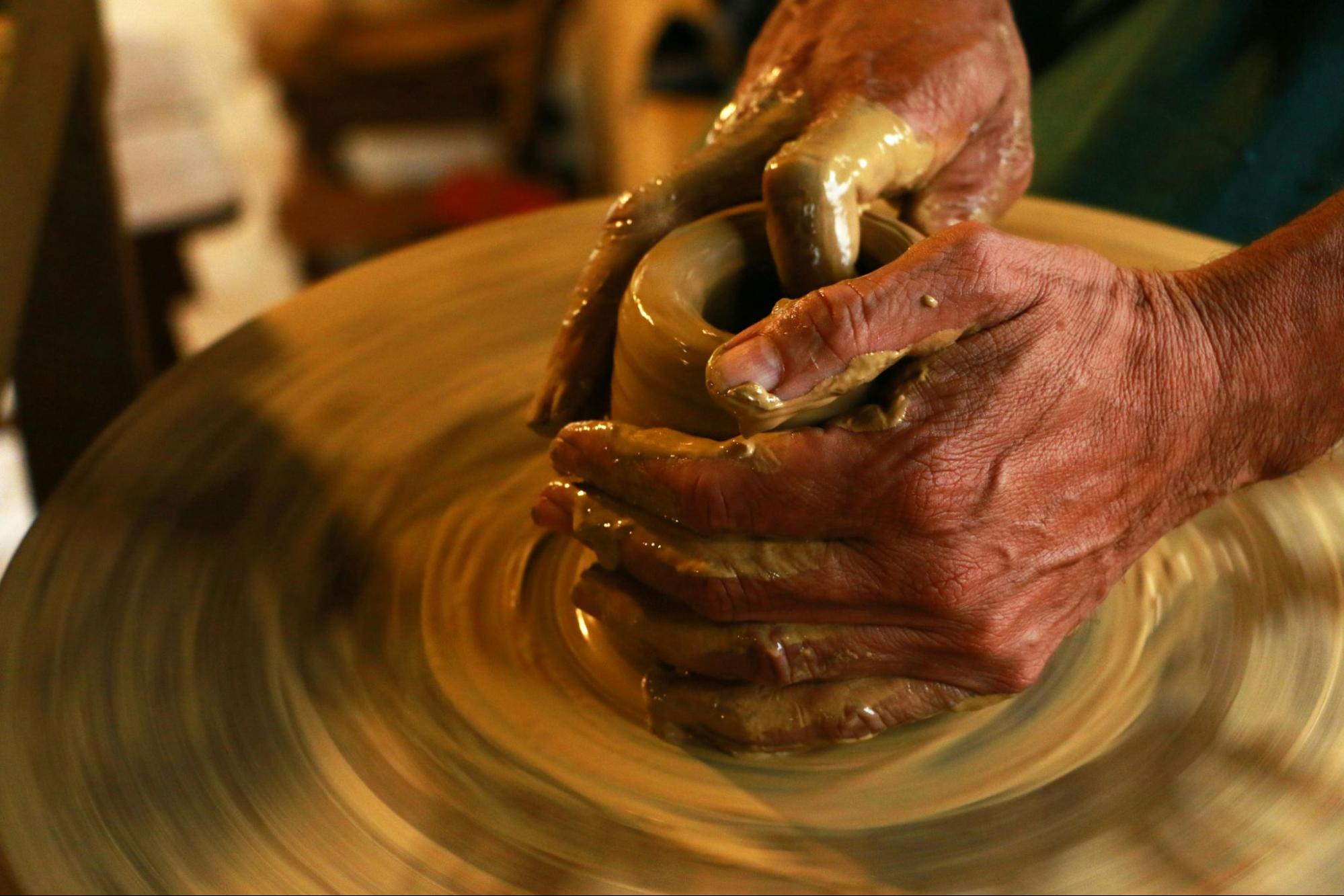
Talavera pottery is one of Mexico’s most recognisable crafts, known for its creamy white base, hand-painted blue designs, and traditional motifs inspired by Spanish and Indigenous art. You’ll find plates, bowls, tiles, vases, and decorative pieces, each hand-painted and fired multiple times.
- Why Mexico: Authentic Talavera is protected by law and can only be produced in Puebla and nearby towns. Each certified piece features a hologram and an artisan’s signature.
- Where to Buy: Puebla city (Talavera workshops and stores), Uriarte Talavera (Puebla), Mercado El Parián (Puebla)
- Price Range: MXN 500– MXN 6,000 (INR 2,400– INR 29,000) depending on size and detail
- Occasion Suitability: Home décor, housewarming gifts, kitchen décor, premium souvenirs
- Authenticity Identification: Look for a Denominación de Origen hologram, slight brushstroke imperfections, and an artisan signature on the base. Perfectly uniform designs are usually factory-made.
- Pro Tip: Buy smaller items like tiles or plates; they’re easier to pack and still genuinely handcrafted.
Must Read: Mexico Visa Rejection for Indians
2. Mexican Silver Jewellery (Taxco Silver)

Mexican silver jewelry is admired worldwide for its quality, weight, and distinctive designs. From elegant rings and bracelets to bold necklaces and earrings, most pieces feature handcrafted details inspired by pre-Hispanic symbols, colonial motifs, and modern Mexican art. Silver from Mexico is not just decorative; it is durable, wearable, and culturally significant.
- Why Mexico: Mexico is one of the world’s largest silver producers, and the town of Taxco (Guerrero) is internationally known for silversmithing. Artisans here have passed down silver-working techniques for generations, making Taxco a global reference point for fine silver jewelry.
- Where to Buy: Taxco Silver Market (Tianguis de Plata), Taxco, Reputed jewellery stores in Mexico City
- Price Range: MXN 800– MXN 15,000 (INR 3,800– INR 72,000), depending on weight, purity, and design complexity
- Occasion Suitability: Perfect for gifts, weddings, festive wear, daily jewellery, and premium souvenirs
- Authenticity Identification: Look for a “925” or “.925” stamp, indicating sterling silver. Genuine silver feels cool to the touch, has noticeable weight, and does not flake or peel.
- Pro Tip: Compare prices at 2–3 shops in Taxco before making a purchase. Avoid street sellers offering “silver” at unusually low prices; it’s often plated.
If you’re planning to travel to Mexico, you can apply for a Mexico visa with OneVasco for a fast and hassle-free process.
Must Read: Mexico Visa For Indians – Fees, Requirements, Process
3.Alebrijes (Hand-Carved Folk Art Sculptures)

Alebrijes are vibrant, hand-carved wooden sculptures depicting fantastical animals and spirit figures, painted in bold colours with intricate patterns. Each piece is carved from copal wood and hand-painted, often taking weeks to complete. These artworks are expressive, symbolic, and deeply tied to Mexico’s folk art traditions, making them far more meaningful than generic décor.
- Why Mexico: Alebrijes originated in Mexico and are most closely associated with Oaxaca, where Indigenous Zapotec artisans continue the craft using traditional carving and painting methods passed down through families.
- Where to Buy: San Martín Tilcajete (Oaxaca artisan workshops), Arrazola village (Oaxaca) and Oaxaca artisan and cultural markets
- Price Range: MXN 600– MXN 12,000 (INR 2,900– INR 58,000), depending on size, carving detail, and painting complexity
- Occasion Suitability: Ideal for home décor, cultural gifts, collectors, and statement art pieces
- Authenticity Identification: Authentic alebrijes show fine hand-carving details, layered paintwork, and slight natural irregularities. Mass-produced versions look flat, lightweight, and overly uniform.
- Pro Tip: Ask the artisan how long the piece took to make—genuine creators can explain the carving and drying process in detail.
Must Read: Mexico Visa Photo Size Requirement & Specification Guide
4. Tequila & Mezcal (Authentic Agave Spirits)

Tequila and mezcal are Mexico’s most internationally recognized products, deeply tied to agave farming and regional identity. Tequila is smooth and refined, while mezcal is known for its smoky, complex flavor. Both are distilled using traditional methods and are considered cultural products rather than just alcoholic drinks.
- Why Mexico: Tequila can only be produced in Jalisco and select regions, while mezcal is mainly crafted in Oaxaca and a few other states. Both spirits have protected geographical status, ensuring authenticity and quality.
- Where to Buy: Tequila town distilleries, Jalisco, Mezcalerías and artisanal producers in Oaxaca and Licensed liquor stores in major cities
- Price Range: MXN 600– MXN 5,000 (INR 2,900– INR 24,000), depending on brand, ageing, and production method
- Occasion Suitability: Ideal for gifting, celebrations, collectors, and premium souvenirs
- Authenticity Identification: Tequila bottles must display a NOM number and “100% Agave” label. Authentic mezcal often lists the agave type, producer, and village on the bottle.
- Pro Tip: Choose smaller bottles or artisanal brands for easier travel, and always check airline and customs alcohol limits before purchasing.
Must Read: Top Restaurants in Mexico That Serve Iconic Tacos, Tamales, and Salsa!
5. Huipil & Traditional Mexican Textiles

Huipils are traditional hand-woven garments worn by Indigenous women across Mexico, recognized for their intricate embroidery, symbolic patterns, and regional identity. Each huipil tells a story; designs, colors, and motifs often represent the wearer’s community, beliefs, and natural surroundings. These textiles are labor-intensive and reflect centuries-old weaving traditions.
- Why Mexico: Mexico is home to dozens of Indigenous weaving communities, especially in Oaxaca, Chiapas, and Yucatán, where huipils are still made using backstrap looms and ancestral techniques.
- Where to Buy:
- Artisan markets in Oaxaca
- Indigenous villages in Chiapas
- La Ciudadela Market, Mexico City
- Price Range: MXN 1,200– MXN 10,000 (INR 5,800– INR 48,000), depending on embroidery detail and weaving method
- Occasion Suitability: Cultural gifts, traditional wear, fashion collections, and textile enthusiasts
- Authenticity Identification: Authentic huipils are hand-woven, not printed. Look for slight thread variations, dense embroidery, and natural cotton texture rather than perfectly uniform patterns.
- Pro Tip: Ask which community made the huipil. Genuine sellers usually explain the origin and meaning of the design.
Must Read: 20 Vibrant Markets in Mexico to Explore
6. Mexican Vanilla (Pure Veracruz Vanilla)

Mexican vanilla is one of the country’s most prized natural food products and is considered superior in aroma and depth of flavor. Mexico is the birthplace of vanilla, and real Mexican vanilla has a warm, rich scent with slightly woody and floral notes. It is widely used in baking, desserts, and traditional drinks and is a highly practical edible souvenir.
- Why Mexico: The finest vanilla comes from Veracruz, where vanilla orchids have been cultivated for centuries using traditional curing and fermentation methods that preserve natural oils and flavor compounds.
- Where to Buy:
- Local markets and speciality stores in Veracruz
- Trusted gourmet food shops in major cities
- Certified airport speciality stores
- Price Range: MXN 300– MXN 1,500 (INR 1,450– INR 7,200), depending on concentration and bottle size
- Occasion Suitability: Ideal for cooking gifts, baking enthusiasts, food lovers, and home chefs
- Authenticity Identification: Pure vanilla lists “vanilla bean extract” as the main ingredient. Avoid products labelled “vanilla flavor” or “vanillin,” which are synthetic.
- Pro Tip: If the price seems unusually low, it’s likely artificial. Genuine vanilla extract is never very cheap.
Must Read: Explore the Best of Mexico’s Famous Food: 20 Must-Try Dishes
7. Rebozo Shawls (Traditional Mexican Wraps)

The rebozo is a traditional Mexican shawl worn by women for generations, used as a wrap, scarf, baby carrier, or ceremonial garment. Rebozos are hand-woven on looms and often dyed using natural pigments, giving them rich colors and subtle variations. They are elegant, versatile, and deeply rooted in everyday Mexican life rather than tourist culture.
- Why Mexico: Rebozos originate from colonial-era weaving traditions blended with Indigenous techniques, especially in regions like Michoacán, Oaxaca, and San Luis Potosí, where artisans still produce them by hand.
- Where to Buy:
- Artisan cooperatives in Michoacán
- Oaxaca local markets and textile shops
- La Ciudadela Artisan Market, Mexico City
- Price Range: MXN 700– MXN 6,000 (INR 3,400– INR 29,000), depending on material, dyeing method, and weaving complexity
- Occasion Suitability: Perfect for gifts, daily wear, festive use, cultural fashion, and travel accessories
- Authenticity Identification: Authentic rebozos have hand-knotted fringes (rapacejos) and a soft, breathable weave. Machine-made versions usually have stitched or uniform fringes.
- Pro Tip: Choose cotton or silk-blend rebozos for comfort and durability, and ask whether natural or synthetic dyes were used.
Must Read: How To Check Mexico Visa Status Using Passport Number?
8. Mexican Leather Goods (Bags, Belts, Wallets & Shoes)

Mexican leather goods are known for their durability, craftsmanship, and classic designs. From handbags and backpacks to belts, wallets, and handcrafted shoes, these items are made using thick, high-quality leather and traditional tanning methods.
Unlike fast-fashion leather products, Mexican leather ages well and becomes softer with use, making it a practical and long-lasting purchase.
- Why Mexico: Mexico, especially León (Guanajuato), is one of Latin America’s largest leather production hubs. Artisans here specialize in vegetable-tanned leather and hand-finishing techniques passed down through generations.
- Where to Buy:
- León leather markets and factory outlets
- Artisan leather shops in Guadalajara
- La Ciudadela Market, Mexico City
- Price Range: MXN 800– MXN 8,000 (INR 3,800– INR 38,000), depending on item type, leather quality, and craftsmanship
- Occasion Suitability: Ideal for daily use, work accessories, travel items, gifts, and premium souvenirs
- Authenticity Identification: Genuine leather has a natural smell, visible grain patterns, and soft flexibility. Artificial leather feels plasticky, smells chemical, and often cracks with bending.
- Pro Tip: Ask if the leather is full-grain or vegetable-tanned; these last longer and age better than bonded or synthetic leather.
Must Read: How to Book a Visa Appointment for Mexico
9. Mayan Hammocks (Hand-Woven Yucatán Hammocks)

Mayan hammocks are hand-woven sleeping and lounging hammocks made using intricate knotting techniques that evenly distribute body weight. They are known for exceptional comfort, breathability, and strength, making them far superior to mass-produced hammocks. Traditionally used for daily sleeping in warm regions, they are both practical and culturally significant.
- Why Mexico: This craft originates from the Yucatán Peninsula, where Mayan artisans have woven hammocks for centuries using cotton or nylon threads, adapting designs to hot, humid climates.
- Where to Buy:
- Price Range: MXN 700– MXN 5,000 (INR 3,400– INR 24,000), depending on material, size, and knot density
- Occasion Suitability: Perfect for home relaxation, patios, gifts, and tropical décor
- Authenticity Identification: Authentic Mayan hammocks have tight, dense hand-tied knots and flexible weaving. Factory versions feel stiff and have uniform machine patterns.
- Pro Tip: Choose cotton hammocks for maximum comfort indoors and nylon ones for outdoor or humid environments.
10. Mexican Coffee & Traditional Chocolate (Chiapas & Oaxaca)

Mexican coffee and traditional chocolate are deeply rooted in the country’s agricultural and culinary history. Mexico produces high-quality Arabica coffee, known for its mild acidity and chocolatey, nutty notes, while traditional Mexican chocolate is stone-ground and often blended with cinnamon for making hot chocolate and mole. Both are practical, authentic, and easy-to-carry edible souvenirs.
- Why Mexico: The best coffee comes from Chiapas, grown at high altitudes using shade-grown methods, while traditional chocolate-making thrives in Oaxaca, preserving pre-Hispanic grinding techniques.
- Where to Buy:
- Price Range: MXN 250– MXN 1,500 (INR 1,200– INR 7,200), depending on origin, roast, and packaging
- Occasion Suitability: Perfect for food lovers, gifting, personal use, and culinary souvenirs
- Authenticity Identification: Look for origin labels, small-batch producers, and ingredient lists without artificial flavors. Traditional chocolate is usually sold in tablets or disks, not powder.
- Pro Tip: Buy sealed, vacuum-packed coffee or chocolate to preserve freshness and avoid customs issues during travel.
Must Read: Discover Mexico On A Budget Without Breaking the Bank


FAQs
What are the best things to buy in Mexico for gifting?
Talavera pottery, Taxco silver jewelry, alebrijes, mezcal, Mexican vanilla, rebozo shawls, and traditional textiles like huipils make excellent gifts. These items are culturally meaningful, handcrafted, and available across a wide price range, making them suitable for both casual souvenirs and premium gifting.
Are things expensive to buy in Mexico compared to other countries?
Mexico is generally affordable compared to Europe and North America, especially for handicrafts and locally made products. Pottery, textiles, leather goods, and food items are reasonably priced when purchased from local markets or artisans, while silver jewelry and aged spirits can be more expensive due to quality and craftsmanship.
Where can I find authentic Mexican products and local crafts?
Authentic Mexican crafts are best found in Oaxaca (alebrijes and textiles), Puebla (Talavera pottery), Taxco (silver jewelry), León (leather goods), and the Yucatán Peninsula (Mayan hammocks). In major cities, La Ciudadela Market in Mexico City and certified artisan stores are reliable options.
What food items can I bring back from Mexico?
You can bring back sealed, non-perishable food items such as Mexican vanilla extract, packaged coffee, traditional chocolate tablets, spices, and bottled tequila or mezcal within airline limits. Always check your home country’s customs regulations before packing food or alcohol.
Is it better to shop at local markets or malls in Mexico?
Local markets and artisan shops are ideal for buying traditional crafts, souvenirs, and regional products. Shopping malls are better suited for branded goods, fixed pricing, and convenience, but they usually offer fewer authentic Mexican items.
Can I bargain while shopping in Mexico?
Yes, bargaining is common in street markets, souvenir stalls, and artisan markets. It is generally not expected in malls, supermarkets, or certified artisan stores. Bargaining should always be polite and reasonable.
How can I check the authenticity of Mexican souvenirs?
Check for certification labels such as Denominación de Origen for Talavera and tequila, “925” stamps on silver jewelry, and hand-woven textures in textiles. Authentic handmade items often show slight imperfections rather than machine-perfect finishes.
Are there customs restrictions on what I can take home from Mexico?
Yes. Many countries have restrictions on alcohol quantities, liquids, food products, antiques, and high-value items. Keep purchase receipts for spirits, jewelry, artwork, and food items, and review customs guidelines before travelling.