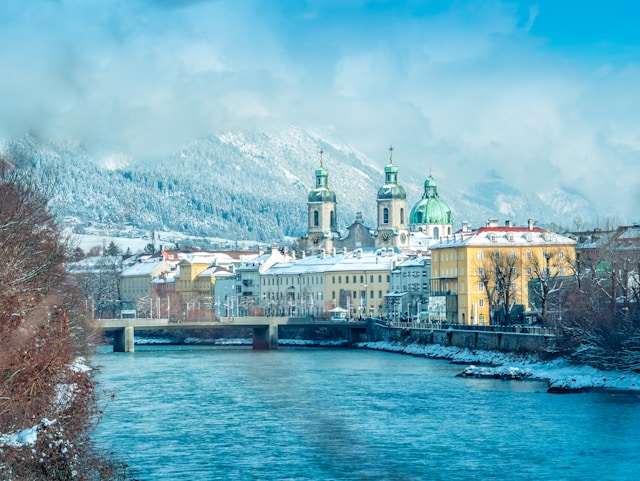
Austria sits at the heart of Central Europe, where towering alpine peaks meet imperial grandeur. From the grand palaces of Vienna to the lakeside charm of Hallstatt, this country offers a mix of natural beauty and cultural richness.
This guide walks you through the top things to do in Austria, covering imperial residences, mountain adventures, and charming old towns. Each section includes pricing, opening hours, and location details so you can plan your trip with ease.
1. Schönbrunn Palace, Vienna

The former summer residence of the Habsburg emperors, Schönbrunn Palace, welcomes over 3 million visitors annually. Built in the 17th century, this UNESCO World Heritage Site contains 1,441 rooms, though around 40 are open to the public. Walking through the State Apartments gives you a glimpse into how Emperor Franz Joseph and Empress Elisabeth once lived.
The palace grounds span 160 hectares and include a maze garden, the Gloriette viewpoint, and the Tiergarten Schönbrunn, the world’s oldest zoo. The baroque gardens are free to enter and remain a popular spot for both locals and visitors looking for a peaceful stroll.
- Google Rating: 4.7/5
- Location: Schönbrunner Schloßstraße 47, 1130 Wien, Austria
- Timings: Daily 8:30 AM to 5:00 PM
- Price: State Apartments Tour from €28/ INR 3,084 for adults and €19/ INR 2,093 for children; Palace Ticket €38/ INR 4,186 for adults and €28/ INR 3,084 for children; Palace Gardens free entry; set aside 2 to 4 hours to explore this attraction
Suggested Read: Austria Visa Appeal For Indians
2. Hohensalzburg Fortress, Salzburg

Perched above Salzburg since 1077, Hohensalzburg Fortress ranks among Europe’s largest and best-preserved medieval castles. This hilltop stronghold was never conquered by enemy forces throughout its long history. Inside, you will find the Prince’s Chambers, a Puppet Museum, and the Rainer Regiment Museum, which chronicles local military history.
A funicular runs every ten minutes from the old town, reaching the fortress in under two minutes. From the ramparts, sweeping views of the city, the Salzach River, and the distant Alps unfold before you. Chamber music concerts held in the Golden Hall add another layer to this historic place.
- Google Rating: 4.6/5
- Location: Mönchsberg 34, 5020 Salzburg, Austria
- Timings: Daily 9:30 AM to 5:00 PM
- Price: All-inclusive ticket with funicular for adults €18/ INR 1,980 and for children €6.80/ INR 747; Basic pathway ticket for adults €11.20/ INR 1,232, for children €4.60/ INR 506; set aside 3 to 4 hours to explore this fortress
3. Hallstatt Village

Nestled between the Dachstein mountains and Hallstätter See, Hallstatt holds UNESCO World Heritage status. This tiny village of fewer than 800 residents draws visitors from around the world who come to wander its narrow lanes and photograph its postcard-worthy scenery. The settlement has roots stretching back nearly 7,000 years, with prehistoric salt mining giving rise to the Hallstatt civilization.
The Bone House contains over 2,100 painted skulls, a tradition born from the village’s tiny cemetery. Boat rides across the lake offer a different perspective of the village, while the Skywalk provides aerial views from 350 meters above.
- Google Rating: NA
- Location: Hallstatt, Upper Austria, Austria
- Timings: Village accessible 24 hours; attractions vary seasonally
- Price: Village entry is free; set aside 2 to 3 days to explore this village
4. St. Stephen’s Cathedral, Vienna

Standing at the geographical heart of Vienna, St. Stephen’s Cathedral has served as a place of worship since 1147. Its south tower stretches nearly 137 meters high, and climbing the 343 steps rewards you with panoramic city views. The colorful glazed roof tiles form patterns depicting the Austrian and Vienna coats of arms.
Mozart married here in 1782, and his funeral was held within these walls in 1791. The catacombs beneath the cathedral house the remains of Habsburg family members and over 10,000 Viennese citizens. Seven services take place daily, making this an active spiritual center rather than just a museum.
- Google Rating: 4.7/5
- Location: Stephansplatz 3, 1010 Wien, Austria
- Timings: Monday to Saturday 6:00 AM to 10:00 PM; Sunday 7:00 AM to 10:00 PM;
- Price: Cathedral entry is free; set aside 1 to 2 hours
Suggested Read: Austria Visa Photo Requirements for Indians
5. Belvedere Palace, Vienna

Prince Eugene of Savoy commissioned this baroque masterpiece as his summer residence in the early 18th century. Today, the Upper Belvedere houses the world’s largest collection of Gustav Klimt paintings, including the famous work “The Kiss.” The Lower Belvedere contains medieval and baroque art alongside ornate palace interiors.
Walking through the palace gardens connects both buildings and offers views of Vienna’s skyline. The symmetrical French-style landscaping features fountains, statues, and trimmed hedges typical of the Baroque period.
- Google Rating: 4.7/5
- Location: 1030 Vienna, Austria
- Timings: Daily 9:00 AM to 6:00 PM
- Price: Upper Belvedere €19.50/ INR 1,600; Lower Belvedere €16.50/ INR1,340; Under 19 free; set aside 2 to 3 hours for exploration
6. Mozart’s Birthplace, Salzburg

Wolfgang Amadeus Mozart entered the world on January 27, 1756, in this apartment on Getreidegasse. The building now operates as a museum run by the International Mozarteum Foundation. Three floors display original instruments, including Mozart’s childhood violin, along with portraits, letters, and family documents.
Getreidegasse itself is worth exploring, with wrought-iron guild signs hanging above shops in a tradition dating back centuries. The museum offers family programs and KlangKarton workshops designed for younger visitors interested in classical music history.
- Google Rating: 4.3/5
- Location: Getreidegasse 9, 5020 Salzburg, Austria
- Timings: Daily 9:00 AM to 5:30 PM
- Price: For adults, €23/ INR 2,527 for a combined ticket, for children 6-14, €6/ INR 659; Under 6 free; set aside 2 to 3 hours
Suggested Read: Reasons for Austria Visa Rejection for Indian Nationals
7. Imperial Palace, Innsbruck

Empress Maria Theresa transformed this 16th-century residence into the baroque complex standing today. The Giant’s Hall features ceiling frescoes and white-gold stucco work that took decades to complete. Imperial apartments preserve the furnishings used by Empress Elisabeth during her visits to Tyrol.
The Maximilian1 exhibition tells the story of Emperor Maximilian I through interactive displays and digital presentations. Located steps from the Golden Roof, this palace anchors the historic center of Innsbruck. Things to do in Austria for tourists often begin here when visiting the Tyrolean capital.
- Google Rating: 4.4/5
- Location: Rennweg 1, 6020 Innsbruck, Austria
- Timings: Daily 9:00 AM to 5:00 PM
- Price: Combined ticket €16/ INR 1,759; Sundays are free for children and up to two adults; set aside 2 to 3 hours to explore this attraction
8. Vienna State Opera

Opening in 1869, the Vienna State Opera ranks among the world’s leading opera houses. The repertoire includes around 50 different productions each season, with works ranging from Mozart to contemporary composers. Standing room tickets make opera accessible to budget-conscious visitors.
Guided tours run throughout the day when no rehearsals are scheduled, taking you backstage and into the auditorium. The annual Vienna Opera Ball transforms the venue into a grand ballroom each February.
- Google Rating: 4.7/5
- Location: Opernring 2, 1010 Wien, Austria
- Timings: Box office daily 9:00 AM until performance start; Tours vary by schedule
- Price: Tickets vary based on performances; set aside 2 to 4 hours or more (depending on the performance)
Suggested Read: How to Check Austria Visa Status in India


FAQs
What are the best things to do in Austria for first-time visitors?
Vienna’s imperial sites make the perfect starting point, with Schönbrunn Palace and St. Stephen’s Cathedral offering a grand introduction. A day trip to Salzburg covers Mozart’s birthplace and the impressive Hohensalzburg Fortress. Hallstatt delivers picture-perfect alpine scenery, capturing the country’s natural beauty and ranking among the best things to do in Austria for tourists.
What shouldn’t you miss in Austria?
The Grossglockner High Alpine Road and Wachau Valley reveal Austria’s stunning beauty beyond the cities. Vienna’s Belvedere Palace houses Klimt’s masterpieces, including the iconic “The Kiss.” These top things to do in Austria bring together art, history, and nature in a single memorable trip.
What are the best things to do in Austria during the day?
Palace visits, museum tours, and mountain hikes fill your daylight hours with rewarding experiences across the country. Cycling through the Wachau Valley or wandering Innsbruck’s charming old town works beautifully in fair weather. Most attractions welcome visitors between 9:00 AM and 6:00 PM, giving you plenty of fun things to do in Austria.
What are the best things to do in Austria at night?
Vienna State Opera performances and fortress concerts in Salzburg bring classical music to life after dark. Christmas markets illuminate city squares from late November through December with a warm, festive glow. Wine taverns in the Wachau Valley stay open into the evening for relaxed dining.
What are the most kid-friendly activities in Austria?
Schönbrunn Zoo and the Children’s Museum at Schönbrunn Palace keep young visitors happily engaged for hours. Vienna Prater offers rides suitable for all ages in a historic amusement park setting. The Puppet Museum inside Hohensalzburg Fortress displays charming characters from historic performances that children find fascinating.
What are the best cultural things to do in Austria?
Opera performances, classical concerts, and museum visits define Austria’s rich cultural scene. The country’s artistic heritage spans baroque architecture to contemporary galleries, offering must see places in Austria for art lovers. Festival weeks in Vienna and Salzburg draw acclaimed performers from around the world each year.
What are the top food experiences in Austria?
Wiener Schnitzel and Sachertorte remain beloved classics found throughout Vienna’s restaurants and cafés. Salzburg’s café culture welcomes you with Mozartkugel chocolates and warm apple strudel. Heurigen wine taverns serve local wines alongside cold meat platters and fresh bread in a cozy atmosphere.
What are the best shopping areas in Austria?
Getreidegasse in Salzburg combines historic architecture with inviting boutique shops along its narrow lanes. Vienna’s Graben and Kärntner Straße feature international brands alongside treasured local stores. Christmas markets offer handmade crafts and regional specialties during the winter months.
What’s the best time of year to visit Austria for sightseeing?
Late spring through early autumn brings mild temperatures and longer days ideal for sightseeing. Summer remains peak season, with July and August drawing the most visitors to popular attractions. Winter transforms the country into a skiing destination. Planning your trip around these seasons helps you choose the right things to do in Austria based on weather and events.