Things to do in South Korea span dramatic natural landscapes, centuries-old palaces, bustling urban hubs, and world-class cultural experiences. South Korea combines cutting-edge modernity with deep tradition, from Seoul’s neon skyline to serene Buddhist temples in the mountains, volcanic beaches on Jeju Island, and centuries-old fortresses.
This guide lists South Korea’s top experiences with practical details to help plan your visit confidently.
- 1. Explore Gyeongbokgung Palace – Seoul
- 2. Visit Bukchon Hanok Village – Seoul
- 3. Discover Myeongdong Shopping District – Seoul
- 4. Hike Seoraksan National Park – Gangwon Province
- 5. See Jeju Island’s Seongsan Ilchulbong & Beaches – Jeju
- 6. Visit Changdeokgung Palace & Huwon (Secret Garden) – Seoul
- 7. Explore Dongdaemun Design Plaza (DDP) – Seoul
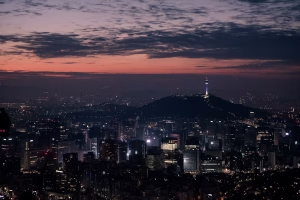
- 8. Tour N Seoul Tower – Namsan, Seoul
- 9. Visit Haeundae Beach – Busan
- 10. Explore Gamcheon Culture Village – Busan
- 11. Experience Jeonju Hanok Village – Jeonju, North Jeolla Province
- 12. Visit Andong Hahoe Folk Village – Andong, North Gyeongsang Province
- 13. Explore the DMZ (Demilitarized Zone) – Gyeonggi Province
- 14. Shop & Dine at Namdaemun Market – Seoul
- 15. Experience South Korea’s Street Food Culture
- FAQs
1. Explore Gyeongbokgung Palace – Seoul

Gyeongbokgung Palace is the grandest and most historically significant royal palace in South Korea, originally built in 1395 during the Joseon Dynasty. Spanning over 40 hectares in central Seoul, it served as the main seat of Korean monarchs for centuries. The daily Changing of the Guard Ceremony at the main gate is a popular cultural highlight.
Highlights
- Google Rating: 4.7/5
- Location:161 Sajik-ro, Jongno-gu, Seoul
- Timings: 9:00 AM – 6:00 PM (closed Tue)
- Price: ₩3,000 (~₹190) general admission; children/teens discounted
Must Read: South Korea With Kids: Your Gateway to K-Pop Dreams and Ancient Wonders
2. Visit Bukchon Hanok Village – Seoul

Bukchon Hanok Village is a well-preserved residential area featuring hundreds of traditional hanok houses that date back to the Joseon era. Situated between Gyeongbokgung and Changdeokgung palaces, the village offers narrow alleys, ancient architecture, and views into traditional Korean life. Many hanoks operate as cultural centers, tea houses, galleries, and craft shops.
Highlights
- Google Rating: 4.6/5
- Location:37-97 Samcheong-dong, Jongno-gu, Seoul
- Timings: Open all day
- Price: Free to roam; some cultural houses charge ₩2,000–₩5,000 (~₹130–₹320)
3. Discover Myeongdong Shopping District – Seoul

Myeongdong is one of Seoul’s most vibrant shopping and dining districts, famous for fashion boutiques, global brand stores, and Korean beauty products. The area attracts millions of visitors annually, especially young travelers and fashion enthusiasts. Street food stalls line the main roads, offering tteokbokki, hotteok, fried chicken skewers, and more. At night, illuminated signs and crowds create a lively urban atmosphere.
Highlights
- Google Rating: 4.5/5
- Location:Myeongdong, Jung-gu, Seoul
- Timings: Most stores 10:00 AM – 10:00 PM
- Price: Free to browse; shopping varies
Must Read: South Korea Visa Rejection Reasons with Rejection & Success Rates
4. Hike Seoraksan National Park – Gangwon Province

Seoraksan National Park is one of South Korea’s most famed natural treasures. Designated a UNESCO Biosphere Reserve, it features dramatic granite peaks, waterfalls, dense forests, and mountain temples. The park’s tallest peak, Daecheongbong (1,708 m), draws hikers from across Asia. Trails range from easy scenic routes to challenging ascents, with cable cars available to Ulsanbawi Rock viewpoints.
Highlights
- Google Rating: 4.7/5
- Location:Sokcho, Gangwon-do
- Timings: Park trails 24/7; visitor centers vary
- Price: ₩4,000 (~₹250) entrance; cable car ~₩15,000 (~₹950)
Must Read: South Korea Visa For Indians – Fees, Requirements, Process
5. See Jeju Island’s Seongsan Ilchulbong & Beaches – Jeju

Jeju Island, often called the “Hawaii of Korea,” is a volcanic island with UNESCO-listed landscapes, scenic beaches, waterfalls, and lava tubes. Seongsan Ilchulbong (Sunrise Peak) is a tuff cone crater rising from the eastern coast, perfect for sunrise hikes with panoramic sea views. Jeju’s beaches, such as Hamdeok and Hyeopjae, feature turquoise waters and white sand, ideal for swimming and relaxation.
Highlights
- Google Rating: 4.8/5
- Location:Jeju-do Province
- Timings: Sunrise peak trails 6:00 AM – 7:00 PM
- Price: ₩5,000 (~₹320) general entry
6. Visit Changdeokgung Palace & Huwon (Secret Garden) – Seoul

Changdeokgung Palace, built in 1405, is one of Seoul’s most architecturally refined Joseon-era palaces and a UNESCO World Heritage Site. Its highlight is Huwon, also called the Secret Garden, spanning nearly 78 acres of landscaped pavilions, lotus ponds, and wooded paths once reserved for royalty.
Highlights
- Google Rating: 4.7/5
- Location:99 Yulgok-ro, Jongno-gu, Seoul
- Timings: 9:00 AM – 5:30 PM (seasonal)
- Price: Palace ₩3,000 (~₹190); Huwon ₩5,000 (~₹320)
Must Read: South Korea Visa Extension – Step-by-Step Guide
7. Explore Dongdaemun Design Plaza (DDP) – Seoul
Dongdaemun Design Plaza is one of Seoul’s most futuristic landmarks, designed by world-renowned architect Zaha Hadid. Opened in 2014, the structure spans over 85,000 sq meters and serves as a hub for design exhibitions, fashion shows, cultural events, and night markets. Its flowing aluminum exterior becomes especially striking after dark when illuminated.
Highlights
- Google Rating: 4.5/5
- Location:281 Eulji-ro, Jung-gu, Seoul
- Timings: 10:00 AM – 8:00 PM (exhibitions vary)
- Price: Outdoor areas free; exhibitions ₩5,000–₩15,000 (~₹320–₹950)
8. Tour N Seoul Tower – Namsan, Seoul

N Seoul Tower sits atop Namsan Mountain (236 m) and is one of Seoul’s most visited observation points. Standing at 236.7 meters, the tower offers 360-degree views of the city and surrounding mountains. Originally a broadcast tower, it has become a popular tourist attraction featuring observation decks, restaurants, digital exhibitions, and the famous “love locks” fence.
Highlights
- Google Rating: 4.6/5
- Location: 105 Namsangongwon-gil, Yongsan-gu, Seoul
- Timings: 10:30 AM – 10:00 PM
- Price: Observatory ₩21,000 (~₹1,330); cable car ~₩14,000 (~₹890)
Must Read: South Korea Visa Photo Requirements for Indian Citizens
9. Visit Haeundae Beach – Busan

Haeundae Beach is South Korea’s most famous beach and a centerpiece of Busan’s coastal identity. Stretching 1.5 km along the southeastern coast, it attracts millions of visitors annually, especially during summer festivals. The area is lined with luxury hotels, cafés, seafood restaurants, and walking paths.
Highlights
- Google Rating: 4.7/5
- Location:Haeundae-gu, Busan
- Timings: Open all day
- Price: Free beach access
Must Read: Visa Free Countries for South Korea Passport Holders [Including VOA, eVisa & ETA]
10. Explore Gamcheon Culture Village – Busan

Gamcheon Culture Village is a hillside neighborhood transformed into an open-air art village. Originally settled by refugees during the Korean War, it now features colorful houses, murals, sculptures, and themed alleys spread across steep slopes overlooking Busan. Often called the “Machu Picchu of Korea,” the village attracts photographers and culture lovers. Maps guide visitors through key art points, cafés, and viewpoints.
Highlights
- Google Rating: 4.6/5
- Location:Saha-gu, Busan
- Timings: 9:00 AM – 6:00 PM
- Price: Free entry; map ticket ~₩2,000 (~₹130)
Must Read: How to Book South Korea Visa Appointment?
11. Experience Jeonju Hanok Village – Jeonju, North Jeolla Province

Jeonju Hanok Village is South Korea’s largest concentration of traditional hanok houses, with over 700 preserved homes dating back to the Joseon era. The village is considered the cultural heart of Korean traditions, cuisine, and crafts. Jeonju is also recognized by UNESCO as a City of Gastronomy, making this area ideal for combining heritage walks with food exploration.
Highlights
- Google Rating: 4.7/5
- Location:99 Girin-daero, Wansan-gu, Jeonju
- Timings: Open all day (museums vary)
- Price: Free entry; hanbok rental ₩15,000–₩30,000 (~₹950–₹1,900)
Must Read: Facts About South Korea: Travel, Culture & Fun 2026
12. Visit Andong Hahoe Folk Village – Andong, North Gyeongsang Province

Andong Hahoe Folk Village is a UNESCO World Heritage Site preserving aristocratic village life from the Joseon Dynasty. Established over 600 years ago, the village remains inhabited and showcases traditional wooden houses, Confucian academies, and ancestral shrines. It is also famous for the Hahoe Mask Dance, a traditional performance recognized by UNESCO as Intangible Cultural Heritage.
Highlights
- Google Rating: 4.6/5
- Location:Hahoe-ri, Pungcheon-myeon, Andong
- Timings: 9:00 AM – 6:00 PM
- Price: ₩5,000 (~₹320) adults; discounts for students
Must Read: How To Check South Korea Visa Status Using Passport Number?
13. Explore the DMZ (Demilitarized Zone) – Gyeonggi Province
The Korean Demilitarized Zone (DMZ) is one of the world’s most heavily guarded borders, separating North and South Korea since 1953. Stretching 250 km long and 4 km wide, it offers a rare glimpse into Cold War history. Guided tours from Seoul visit key sites such as the Third Infiltration Tunnel, Dora Observatory, and Dorasan Station.
Highlights
- Google Rating: 4.7/5
- Location: Paju, Gyeonggi Province
- Timings: Half-day tours (morning/afternoon slots)
- Price: ₩60,000–₩90,000 (~₹3,800–₹5,700), tour-based
14. Shop & Dine at Namdaemun Market – Seoul

Namdaemun Market is South Korea’s oldest and largest traditional market, operating since 1414. With over 10,000 stalls, it sells everything from clothing and souvenirs to electronics and street food. The market is especially popular for affordable Korean meals such as kalguksu (knife-cut noodles) and mandu (dumplings). Located near Seoul Station, it offers a lively atmosphere that reflects everyday local life and is ideal for budget shopping and food tasting.
Highlights
- Google Rating: 4.5/5
- Location:21 Namdaemunsijang 4-gil, Jung-gu, Seoul
- Timings: 9:00 AM – 6:00 PM (food stalls open later)
- Price: Free entry; meals ₩5,000–₩10,000 (~₹320–₹640)
Must Read: Beaches in South Korea: 10 Must-Visit Beaches for Tourists
15. Experience South Korea’s Street Food Culture

South Korea’s street food culture is an essential part of daily life and tourism, with major food zones in Seoul, Busan, and Jeonju. Popular dishes include tteokbokki, odeng (fish cakes), hotteok, gimbap, and fried chicken. Night markets and food streets attract millions annually, offering fast, affordable meals prepared fresh.
Highlights
- Google Rating: 4.8/5
- Location: Nationwide (Myeongdong, Gwangjang Market, Busan)
- Timings: Afternoon to late night
- Price: ₩3,000–₩8,000 per item (~₹190–₹510)
Must Read: South Korean Famous Food: 20 Traditional Dishes You Must Try


FAQs
What are the best things to do in South Korea for first-time visitors?
You should explore Seoul’s royal palaces, visit Bukchon Hanok Village, ride the N Seoul Tower, experience Korean street food, and take a day trip to the DMZ or Busan for beaches and culture.
What should you not miss in South Korea?
You shouldn’t miss Gyeongbokgung Palace, a hanok village, Jeju Island’s volcanic landscapes, a traditional market like Namdaemun, and Korean food streets or night markets.
What are the best things to do in South Korea during the day?
During the day, you can visit palaces and museums in Seoul, hike Seoraksan National Park, explore Jeonju Hanok Village, relax on Busan’s beaches, or tour cultural heritage villages like Andong Hahoe.
What are the best things to do in South Korea at night?
At night, you can explore Myeongdong and Hongdae streets, enjoy night markets, visit illuminated landmarks like N Seoul Tower, try Korean BBQ, or walk along Haeundae Beach in Busan.
What are the most kid-friendly activities in South Korea?
Yes. South Korea offers kid-friendly attractions such as theme parks, cable cars, museums, aquariums, hanbok experiences, beaches in Busan and Jeju, and interactive cultural villages.
What are the best cultural things to do in South Korea?
You can visit royal palaces, hanok villages, Buddhist temples, Confucian academies, watch traditional mask dances, and explore UNESCO heritage sites across the country.
What are the top food experiences in South Korea?
Top food experiences include Korean BBQ, tteokbokki, hotteok, gimbap, fried chicken, seafood markets, and traditional meals in local markets and street food districts.
What are the best shopping areas in South Korea?
You can shop in Myeongdong, Dongdaemun, Insadong, Namdaemun Market, Hongdae, and underground shopping centers across Seoul and Busan.
What’s the best time of year to visit South Korea for sightseeing?
The best time to visit South Korea is April–May (spring) and September–October (autumn), when the weather is mild and ideal for sightseeing, festivals, and outdoor activities.