The best time to visit Malaysia depends on whether you’re heading to bustling cities, rainforest treks, or paradise beaches. With its equatorial climate and diverse geography, Malaysia is a year-round destination, though its tropical weather, regional monsoons, and cultural festivals mean some months are better suited for travel than others.
In this guide, we break down Malaysia’s regional climates, explore seasonal highlights, reveal the cheapest and least crowded months, and offer expert tips for planning the perfect Malaysian adventure.
What is the Best Time to Visit Malaysia?

The best time to visit Malaysia largely depends on which part of the country you’re exploring: Peninsular Malaysia (like Kuala Lumpur, Langkawi, and Penang) or East Malaysia (Sabah and Sarawak on Borneo Island). Generally, the ideal time to visit Malaysia is from December to April, when most regions enjoy drier weather and sunny days. This is perfectly the beach season in Malaysia, and is ideal city sightseeing, and nature adventures.
On the west coast (including Langkawi and Penang), the dry season runs from November to March, making it ideal for beach-goers. However, the east coast (like Perhentian Islands and Tioman) experiences heavy monsoon rains between November and February, with most beach resorts shutting down during this period.
Malaysia’s tropical climate means it’s warm and humid year-round, but rainfall and crowds vary with monsoons and festivals and events in Malaysia. Time your trip around major celebrations like Chinese New Year, Hari Raya, or the George Town Festival for cultural immersion, or travel during shoulder months for fewer tourists and better deals.
| Month | Season | Temperature Range (°C) | Chance of Rain | Month-wise Rating |
| January | Winter | 31.0°C – 23.0°C | 20% | Best |
| February | Winter | 32.0°C – 23.5°C | 20% | Best |
| March | Spring | 32.5°C – 24.0°C | 25% | Best |
| April | Spring | 33.0°C – 24.5°C | 30% | Shoulder |
| May | Summer | 32.0°C – 24.0°C | 35% | Shoulder |
| June | Summer | 31.5°C – 24.0°C | 40% | Shoulder |
| July | Summer | 31.0°C – 23.5°C | 35% | Shoulder |
| August | Summer | 31.5°C – 23.5°C | 40% | Shoulder |
| September | Autumn | 31.0°C – 23.0°C | 45% | Worst |
| October | Autumn | 31.0°C – 23.5°C | 50% | Worst |
| November | Autumn | 30.5°C – 23.5°C | 60% (East Coast) | Worst |
| December | Winter | 31.0°C – 23.0°C | 25% | Best |
Source: Malaysian Meteorological Department & Climate-Data.org
Suggested Read: Malaysia Visa Extension for Indians
Malaysia During Different Seasons
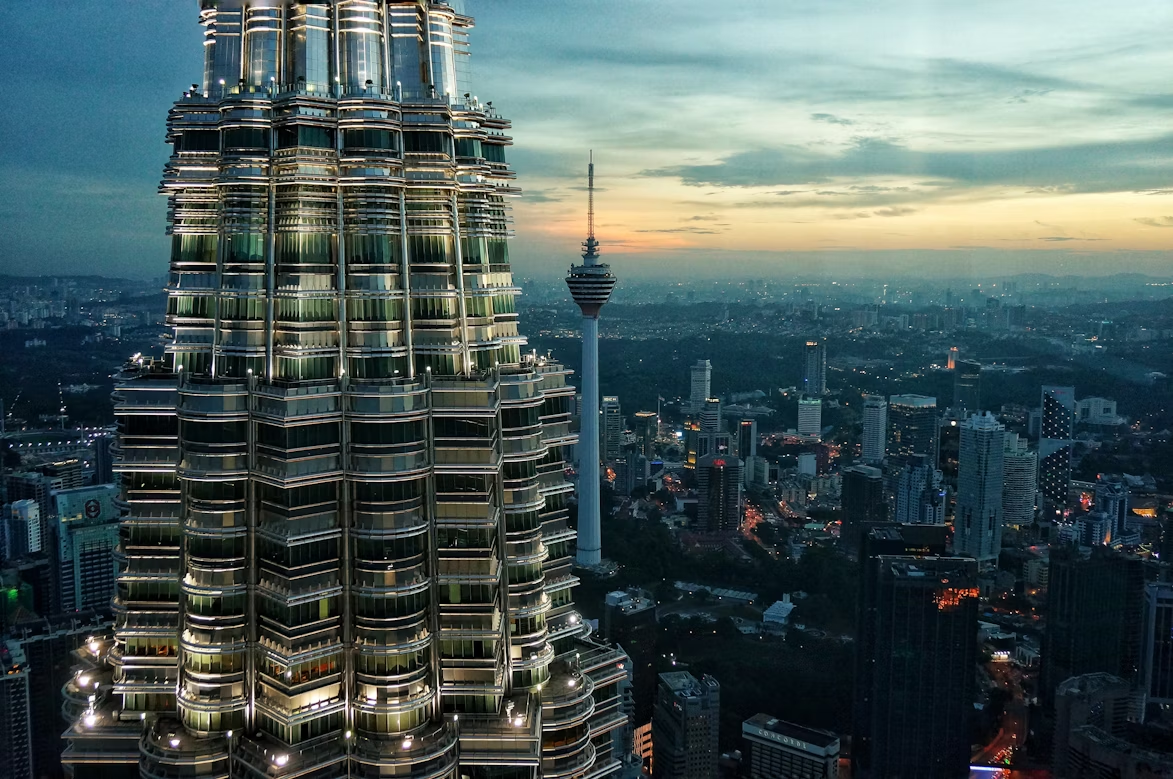
Malaysia experiences a tropical equatorial climate with high humidity and warm temperatures year-round. However, it features two primary monsoon systems, the Southwest Monsoon (May to September) and the Northeast Monsoon (November to March), which affect different regions at different times. Unlike countries with four clear seasons, Malaysia’s “seasons” are best described by rainfall patterns and regional festivals
Winter (December to February)
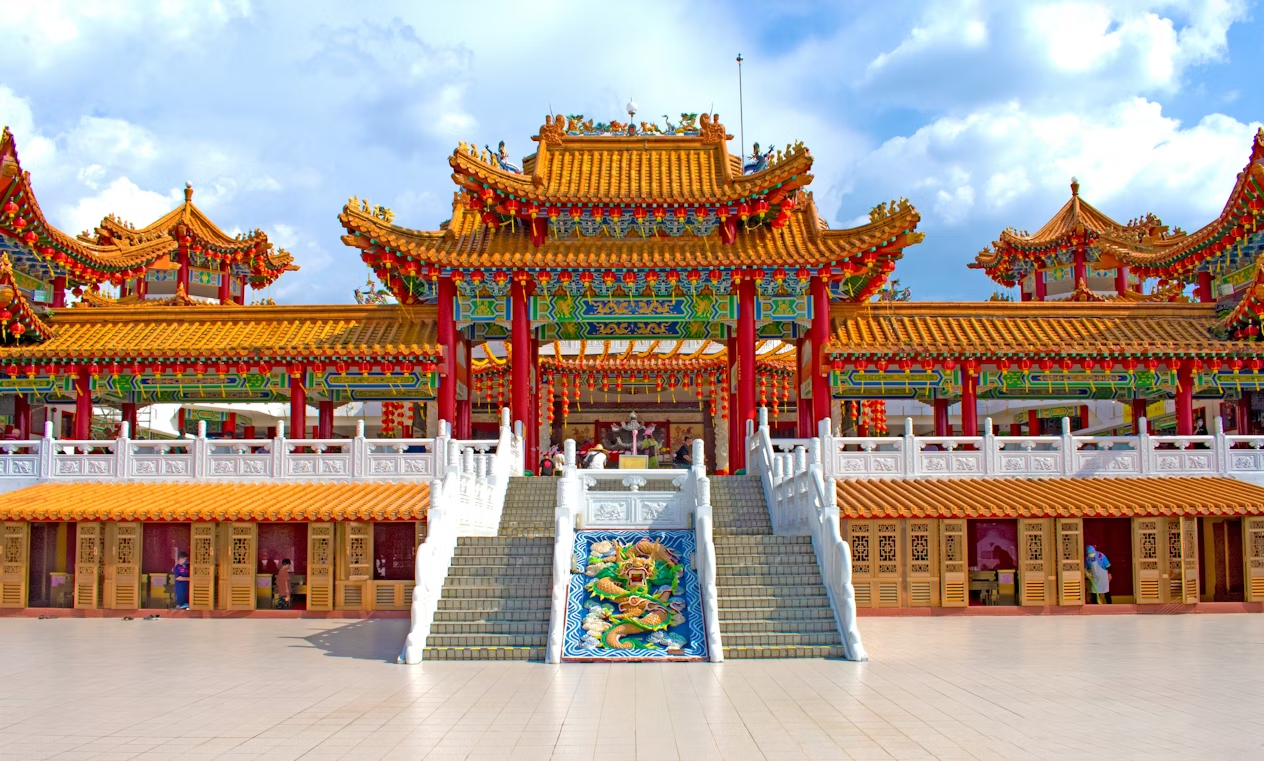
Weather: Winter in Malaysia brings mixed conditions depending on where you go. The west coast (Langkawi, Penang, Kuala Lumpur) enjoys dry, sunny days, making it the best time to visit these areas. On the other hand, the east coast (Tioman, Redang, Perhentian Islands) is heavily affected by the Northeast Monsoon, experiencing frequent heavy rains and rough seas; many beach resorts here shut down during this period.
Temperature:
- December: 31.0°C high / 23.5°C low
- January: 31.0°C high / 23.0°C low
- February: 32.0°C high / 23.5°C low
Visitor Numbers: High. December and January are peak months for international travelers, especially around Christmas, New Year, and Chinese New Year. Expect larger crowds at tourist hotspots like Penang’s George Town and KL’s shopping districts. Hotel rates and domestic flight prices rise during festive weeks, so advance planning is essential. February tapers slightly in crowd volume, except during CNY holidays, offering a better balance of weather and space.
Events and Festivals:
- Christmas (December 25): Celebrated in major cities with mall decorations, festive dining, and church services.
- New Year’s Eve: Fireworks light up city skylines in Kuala Lumpur and Penang.
- Thaipusam (January/February): A major Hindu festival, especially grand at Batu Caves, featuring colorful processions, music, and spiritual rituals.
- Chinese New Year (January/February): Streets light up with lanterns, lion dances, and fireworks. Best experienced in Penang or Melaka.
Why You Should Visit Now: This season delivers the best months for sightseeing in Malaysia across the west coast and highland areas. It’s ideal for heritage walks, culinary exploration, and island relaxation on the west coast. Visitors can enjoy KL’s cultural mix, Langkawi’s beaches, and Cameron Highlands’ cool air, all with minimal rain disruption. The festive energy adds a unique cultural layer to your trip.
Seasonal Dishes & Drinks:
- Bak kwa: A sweet, smoky Chinese-style grilled meat snack, popular during Chinese New Year.
- Yee sang (Prosperity Toss Salad): A festive salad tossed for good luck during CNY celebrations.
- Teh tarik: Malaysia’s beloved pulled tea, served hot and frothy, perfect for rainy evenings.
Places to Visit:
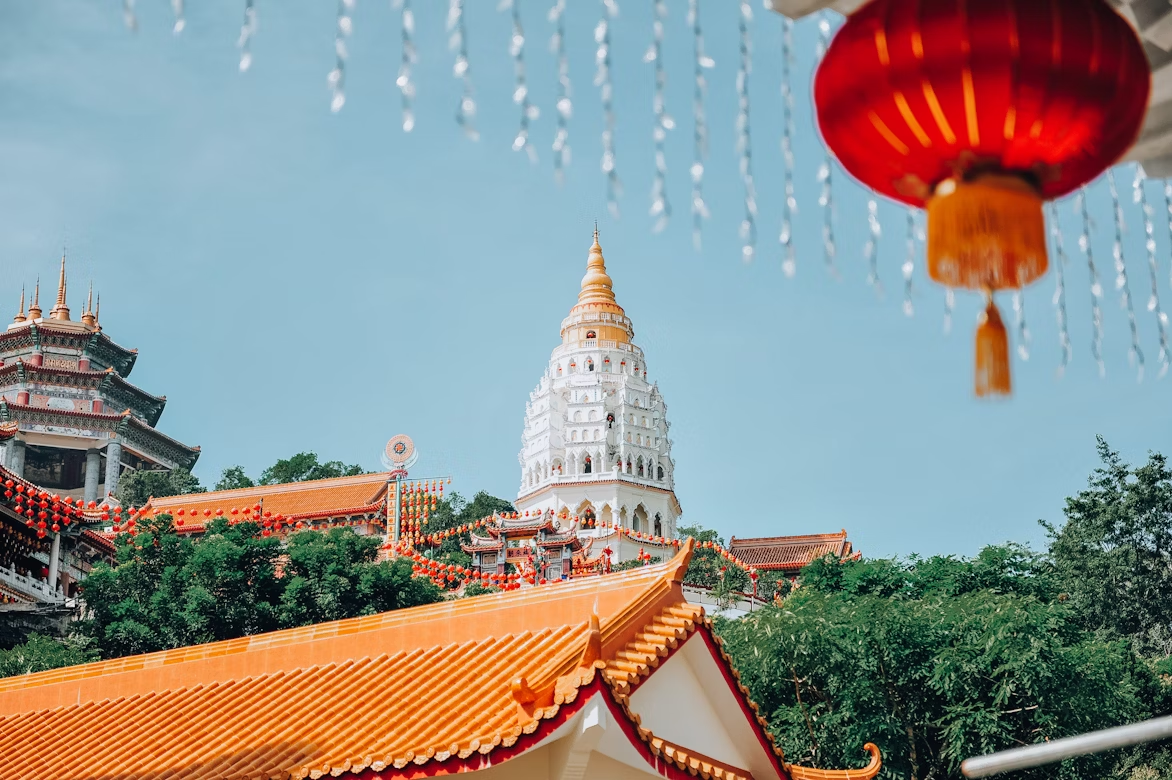
- Kuala Lumpur: Ideal for shopping, dining, and visiting attractions like the Petronas Towers, Batu Caves, and Bukit Bintang.
- Langkawi: Dry, sunny weather makes this a prime beach escape with options for island hopping, cable car rides, and luxury stays.
- Penang: Experience street food, colonial heritage, and CNY festivities in George Town’s vibrant streets.
- Cameron Highlands: Crisp mountain air, strawberry farms, tea plantations, and cooler temperatures offer a peaceful retreat.
- Kinabatangan River (Sabah): Great season for wildlife cruises and spotting proboscis monkeys and pygmy elephants.
What to Pack:
- Light, breathable clothing
- Umbrella or foldable raincoat (especially for KL’s short showers)
- Comfortable shoes for city walks
- Sunscreen and mosquito repellent
- A light jacket or shawl for cooler highland evenings
Trip Planning Considerations:
- Outdoor Activities: Street food tours, island cruises, hiking in Cameron Highlands, river safaris in Borneo
- Indoor Options: Batik workshops, cooking classes, shopping malls, museums, and temple visits
Pro Tips:
- Book flights and hotels well in advance for December–January trips.
- Visit Batu Caves during Thaipusam for a cultural deep dive, but expect crowds.
- Combine city sightseeing with highland escapes for variety in climate and pace.
Ideal for: Culture seekers, food lovers, first-time visitors, beachgoers (west coast), and festival enthusiasts
Suggested Read: Malaysia Visa Rejection for Indians
Spring (March to April)
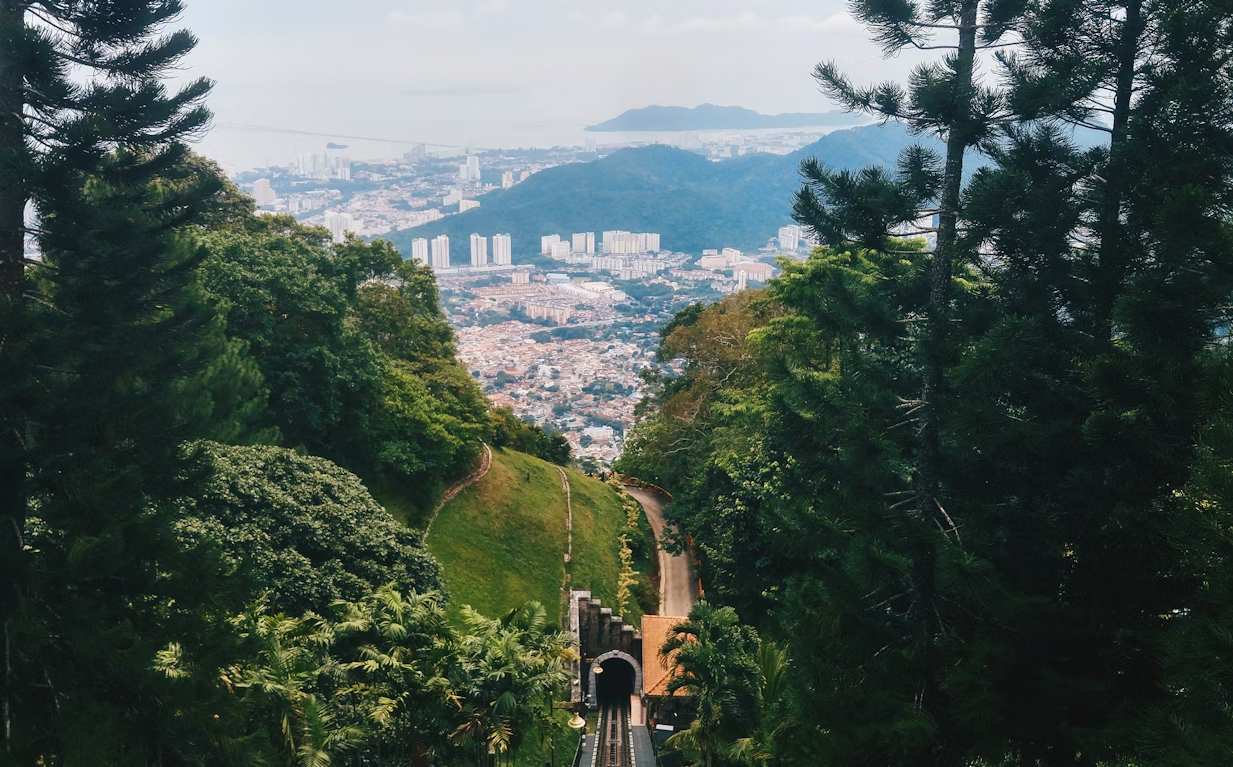
Weather: Spring break in Malaysia brings warm temperatures and moderate rainfall, making it one of the more pleasant times to explore the country, especially on the west coast and inland highland regions. March still benefits from the drier conditions of the previous months, while April begins to see an increase in short rain showers, often in the late afternoon or evening. These are the best months for nature lovers in Malaysia.
Temperature:
- March: 32.5°C high / 24.0°C low
- April: 33.0°C high / 24.5°C low
Visitor Numbers: Tourist numbers are moderate during March, especially with international travelers visiting over spring break or early Ramadan. By April, crowds begin to thin as the shoulder season kicks in, which means better availability at hotels, more relaxed sightseeing, and potential savings on travel packages.
Events and Festivals:
- Ramadan (dates vary): While daily life slows down slightly in Muslim-majority areas, tourism services operate normally in most parts of the country. Restaurants in tourist zones stay open, but public food and drink consumption is limited during daylight.
- Good Friday/Easter (March or April): Celebrated in Christian communities, especially in East Malaysia and areas with large expatriate populations.
- Penang International Food Festival (April): A paradise for foodies, this event celebrates Malaysia’s culinary diversity with hawker stalls, cooking demos, and tastings.
Why You Should Visit Now: Spring offers the ideal mix of good weather, cultural events, and manageable crowds. It’s a perfect time to enjoy both urban adventures in Kuala Lumpur and relaxing nature getaways in the Cameron Highlands or Langkawi. If you’re interested in experiencing Ramadan customs, visiting local night markets, or trying festive dishes after sunset adds a rich cultural layer to your trip.
Seasonal Dishes & Drinks:
- Bubur Lambuk: A comforting porridge made with rice, meat, spices, and coconut milk, traditionally served during Ramadan to break fast.
- Kuih Lapis: A colorful, layered steamed cake made from rice flour and coconut milk, often enjoyed during festive seasons.
- Fresh Sugarcane Juice: Served chilled at street stalls: cooling, naturally sweet, and great for hot days.
Places to Visit:
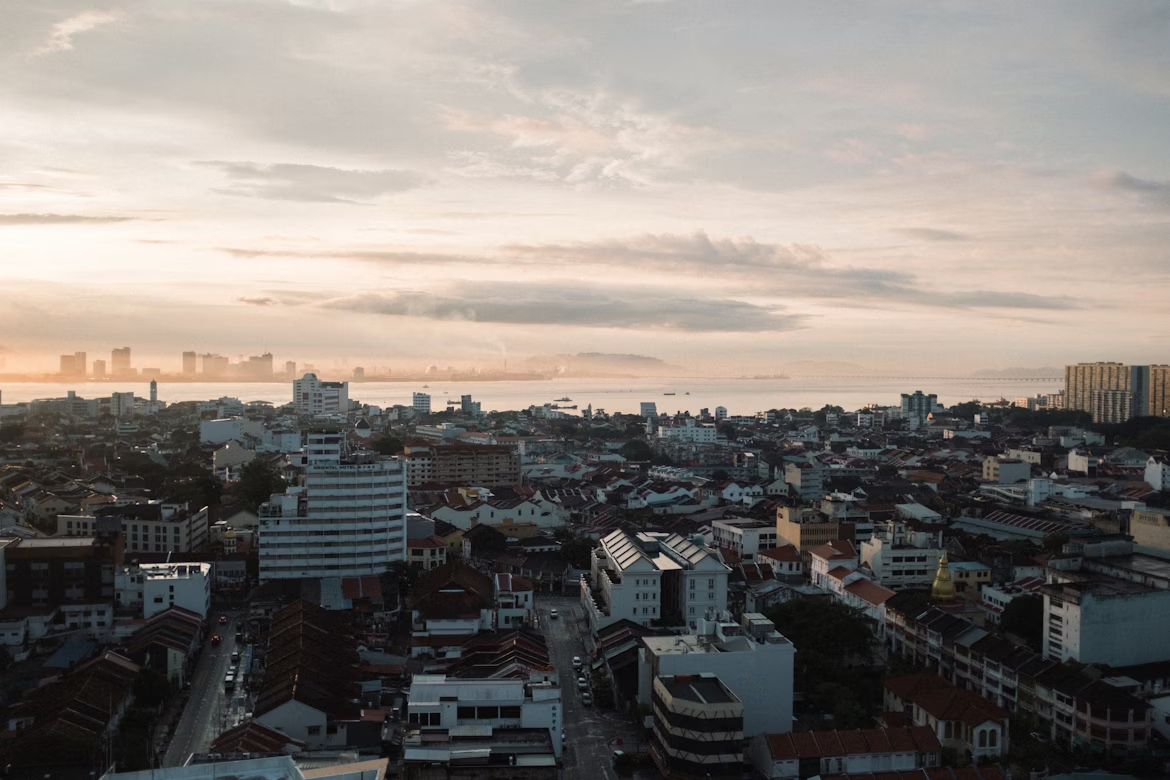
- Penang: With the weather still favorable, spring is excellent for street food tours, heritage walks in George Town, and beach time at Batu Feringghi.
- Langkawi: Enjoy uncrowded beaches, cable car rides, and duty-free shopping with fewer tourists around.
- Cameron Highlands: Ideal for escaping the heat with tea plantations, mossy forests, and strawberry farms in cooler mountain air.
- Kuala Lumpur: Visit iconic spots like Petronas Towers, Chinatown, and Central Market while enjoying Ramadan bazaars after sundown.
- Kota Kinabalu (Sabah): Great time for hiking Mount Kinabalu or exploring island marine parks with moderate rainfall.
What to Pack:
- Light cotton or linen clothing
- A rain jacket or a foldable umbrella for April showers
- Walking shoes for urban exploration and hikes
- Reusable water bottle and cooling face mist
- Modest outfit or scarf if visiting mosques during Ramadan
Trip Planning Considerations:
- Outdoor Activities: Hiking in nature reserves, exploring colonial towns, night markets, cycling tours, and beach hopping
- Indoor Options: Cooking workshops, cultural centers, museums, shopping malls, and art galleries
Pro Tips:
- Experience Ramadan bazaars in cities like Kuala Lumpur or Melaka for incredible street food after sunset.
- Opt for travel in early April to enjoy lower rates before the pre-summer price hike.
- Try a homestay or kampung (village) tour to witness Malaysia’s hospitality and traditional lifestyle firsthand.
Ideal for: Food enthusiasts, cultural travelers, mid-budget explorers, solo travelers, and off-season bargain hunters
Suggested Read: Top 10 Breathtaking Islands in Malaysia You Shouldn’t Miss
Summer (May to August)

Weather: Summer in Malaysia falls under the Southwest Monsoon period, primarily affecting the west coast (like Penang, Langkawi, and KL) with occasional afternoon showers, increased humidity, and slightly hazy skies. Despite this, mornings are typically clear, and rain showers tend to be brief and refreshing. On the east coast (Redang, Tioman, Perhentian), the weather improves by June onward, with dry, sunny days returning, perfect for island getaways.
Temperature:
- May: 32.0°C high / 24.0°C low
- June: 31.5°C high / 24.0°C low
- July: 31.0°C high / 23.5°C low
- August: 31.5°C high / 23.5°C low
Visitor Numbers: While not the peak tourist season in Malaysia, summer still sees moderate tourist activity, especially with regional travelers and school holidays. June and July attract many families and domestic tourists, while August gets busier due to Malaysia’s Independence Day celebrations. Hotel prices are generally stable but may spike during public holidays or near national events.
Events and Festivals:
- Hari Raya Aidilfitri (Eid al-Fitr, dates vary): Celebrated at the end of Ramadan, this is one of Malaysia’s largest festivals. Expect colorful decorations, open houses, and local feasts throughout the country.
- George Town Festival (August): A world-class arts and culture celebration in Penang featuring street performances, exhibitions, films, and food fairs.
- Malaysia Independence Day (August 31): Marked with grand parades, cultural shows, and patriotic events in Kuala Lumpur, Putrajaya, and state capitals.
Why You Should Visit Now: Summer is a great time to experience Malaysia’s cultural richness and natural diversity. With many local festivals and public celebrations, you’ll get to witness traditional arts, cuisine, and hospitality. The East Coast islands are at their best during this season, ideal for snorkeling, beach lounging, and marine wildlife exploration. Inland, the highlands offer cooler retreats from the city heat.
Seasonal Dishes & Drinks:
- Ketupat and Rendang: Traditional festive dishes made with compressed rice and spiced meat, widely served during Hari Raya.
- Durian: Known as the “King of Fruits,” durian season peaks between June and August. Visit local markets or durian farms to taste this strong-smelling, love-it-or-hate-it delicacy.
- Bandung Drink: A sweet, rose syrup-flavored milk drink served cold, colorful, creamy, and perfect for cooling down in the heat.

Places to Visit:
- Redang & Perhentian Islands: At their seasonal best, clear waters, coral reefs, and laid-back resorts ideal for snorkeling, diving, and swimming.
- Penang: Summer is lively here with the George Town Festival and endless street food tours in a UNESCO World Heritage setting.
- Cameron Highlands: A cool, foggy escape with tea plantations, forest trails, and strawberry farms; ideal during the warmer months.
- Kuala Lumpur & Putrajaya: See national pride in full swing during August’s Merdeka (Independence) celebrations, with decorated buildings and parades.
- Kuching (Sarawak): Explore rainforests, orangutan sanctuaries, and longhouse villages with relatively low rainfall during this time.
What to Pack:
- Quick-dry clothes and foldable umbrellas
- Insect repellent, especially for jungle or island visits
- Hat, sunscreen, and reusable water bottles
- Swimwear and reef shoes for beach destinations
- Lightweight jackets or cardigans for highland stays
Trip Planning Considerations:
- Outdoor Activities: Island hopping, snorkeling and diving, hiking in Taman Negara, wildlife spotting in Borneo
- Indoor Options: Batik workshops, spa days, shopping at KL malls, museum visits during afternoon showers
Pro Tips:
- Book your East Coast island stays early; many resorts fill quickly between June and August.
- Visit night markets (pasar malam) for seasonal attractions in Malaysia like fruits, street snacks, and souvenirs.
- Plan your city tours or hikes early in the day to avoid midday heat or rain.
Ideal for: Festival lovers, foodies, beach travelers, family vacationers, and culture seekers looking for vibrant local experiences
Suggested Read: Top 10 Beaches in Malaysia
Autumn (September to November)
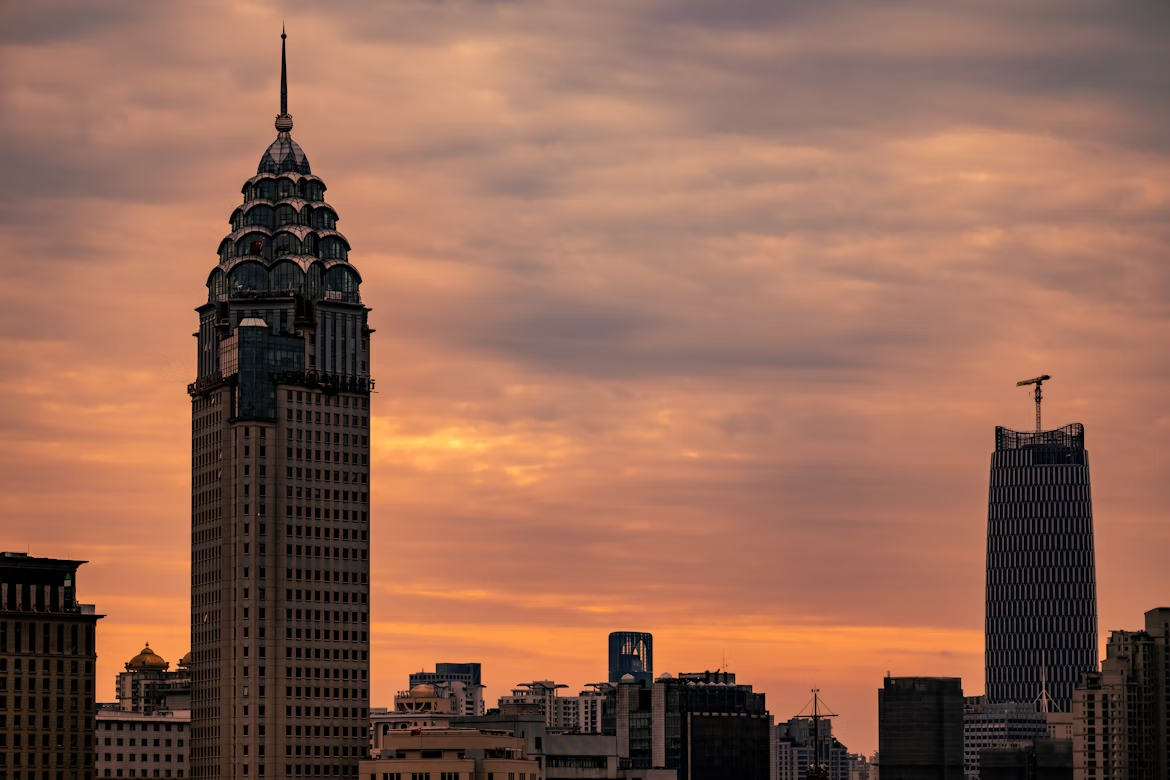
Weather: Autumn in Malaysia is a transitional period, with weather patterns shifting based on location. September marks the tail-end of the Southwest Monsoon, especially impacting the west coast with sporadic rainfall and increased humidity. By October and November, the Northeast Monsoon begins, bringing heavier rain to the east coast and northern Borneo. However, the west coast (Penang, Langkawi, KL) starts to dry out, offering clearer skies and pleasant evenings, particularly by November.
Temperature:
- September: 31.0°C high / 23.5°C low
- October: 31.0°C high / 23.5°C low
- November: 30.5°C high / 23.0°C low
Visitor Numbers: Tourist numbers are relatively moderate in September and October, making this a smart time for budget-conscious travelers. Hotels offer mid-season promotions, and many destinations are less crowded, providing a more relaxed experience. In November, bookings rise with the return of festival tourism and improving weather in western Malaysia.
Events and Festivals:
- Mid-Autumn Festival (September/October): Celebrated primarily in Chinese communities with lantern processions and mooncake tastings. Best experienced in Penang or Kuala Lumpur’s Chinatown.
- Deepavali (October/November): The Hindu festival of lights is widely celebrated across Malaysia with vibrant street decorations, open houses, and traditional sweets. Brickfields in KL and Little India in Penang come alive during this period.
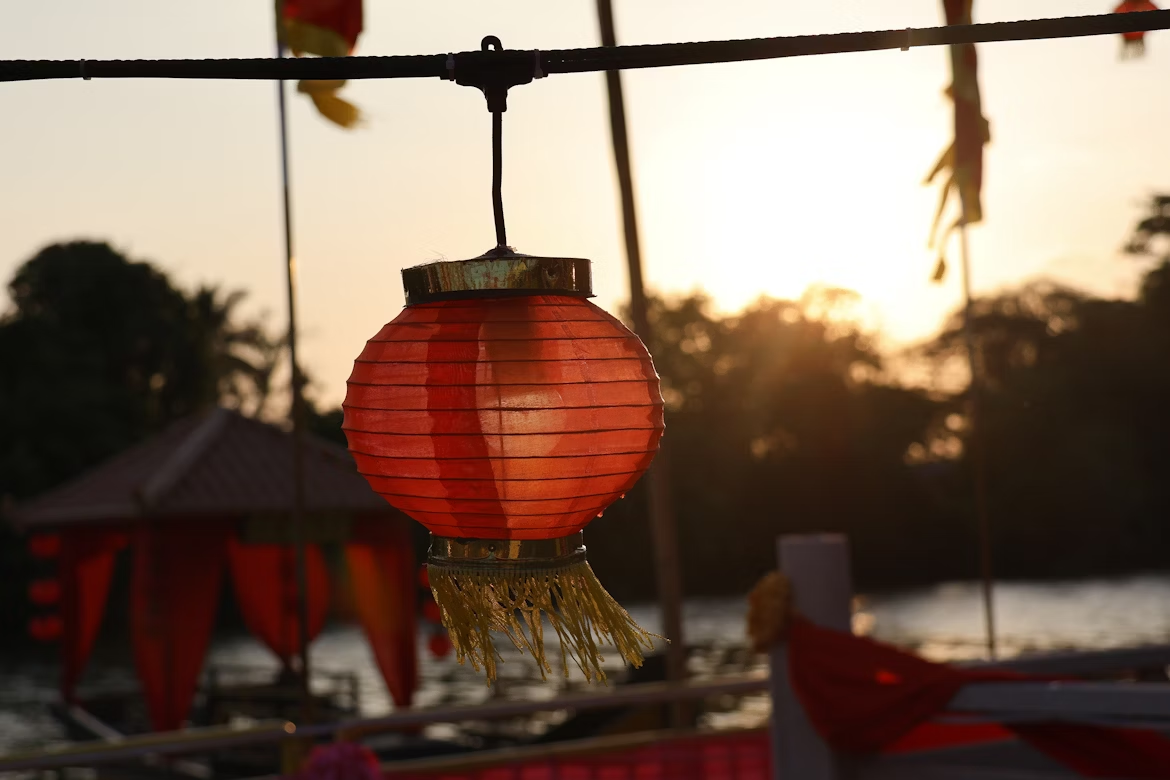
- Malaysia Lantern Festivals: Held in temples and parks, showcasing elaborate lantern displays, often paired with street food fairs and cultural performances.
Why You Should Visit Now: Autumn in Malaysia provides a perfect mix of festivals, lower prices, and comfortable weather, especially for urban exploration and cultural immersion. By November, the West Coast offers good beach weather again, and rain showers become less intense and more predictable. This season is also ideal for temple-hopping, market visits, and enjoying local heritage trails.
Seasonal Dishes & Drinks:
- Mooncakes: Rich pastries filled with lotus seed paste, red bean, or salted egg yolk, traditionally eaten during Mid-Autumn celebrations.
- Murukku & Laddu: Crunchy and sweet treats made for Deepavali, often served at open houses and shared among friends.
- Fresh Pomelo Juice: Lightly tangy and refreshing, this citrus fruit comes into season during autumn and is a festive favorite.
Places to Visit:
- Penang: Experience a full lineup of autumn festivals, delicious seasonal street food, and historical walking tours in George Town.
- Langkawi: As rains taper off, enjoy peaceful beaches, rainforest treks, and fewer crowds before the December peak.
- Cameron Highlands: With cool mists and quiet trails, autumn is a dreamy time to visit tea plantations and forest reserves.
- Ipoh: A hidden gem for foodies and heritage architecture lovers, less humid and beautifully walkable in October and November.
- Brickfields (KL): Dive into Deepavali celebrations, Indian cuisine, and cultural performances in the city’s Little India district.
What to Pack:
- Lightweight cotton clothes and a foldable umbrella
- A rain jacket or poncho for afternoon showers
- Comfortable footwear for temple and market visits
- Mosquito repellent and a small travel torch
- Modest attire for cultural events and temple entries
Trip Planning Considerations:
- Outdoor Activities: Lantern festivals, food markets, rainforest hikes, beach days on the west coast
- Indoor Options: Temple visits, cooking classes, spa treatments, museum hopping
Pro Tips:
- Try to time your trip around Deepavali for a vibrant cultural experience and delicious sweets.
- November offers an ideal balance between favorable West Coast weather and lower hotel rates.
- Book accommodations near cultural neighborhoods (like Little India or Chinatown) to be close to festive action.
Ideal for: Couples seeking romance without crowds, festival lovers, cultural photographers, budget-conscious explorers, and slow travelers
Suggested Read: List of Temples in Malaysia
Shoulder Season in Malaysia
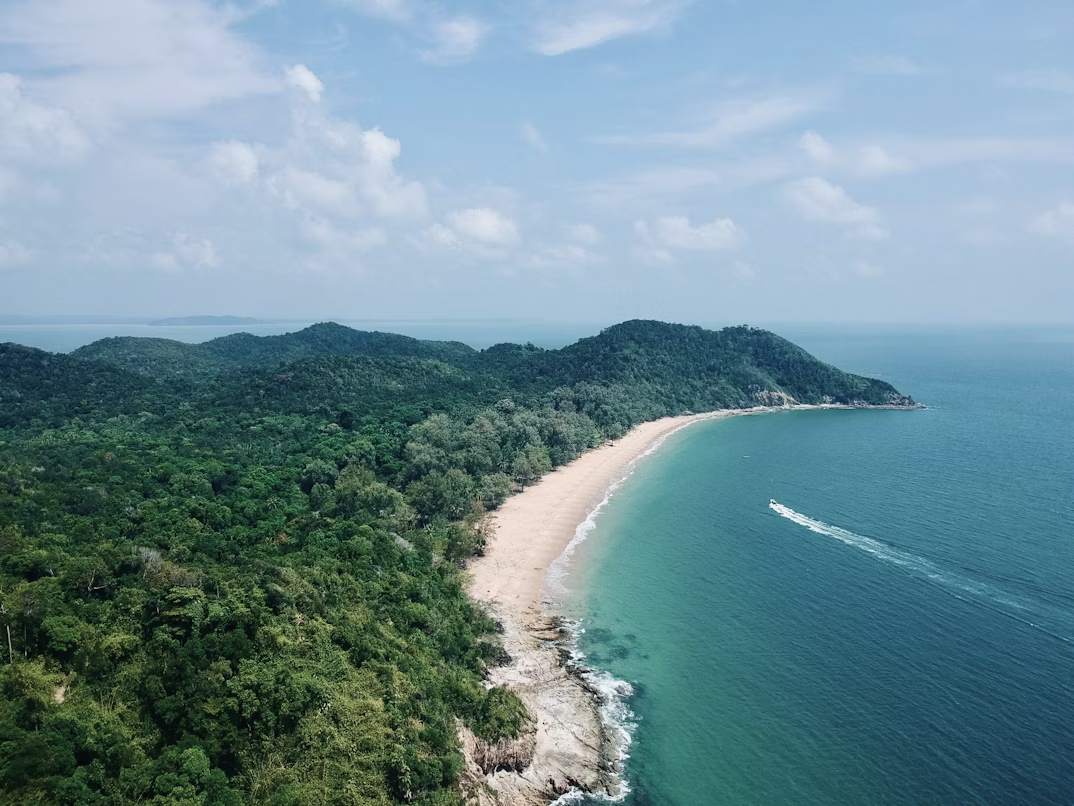
The best shoulder seasons in Malaysia fall between March to early May and late September to early November. These months are transitional periods between the monsoons, offering a pleasant balance of sunshine, moderate humidity, and fewer tourists. Rainfall is typically lower, especially on the west coast, making it an ideal time for city explorations, nature hikes, and beach escapes without the peak-season price tag.
Pros of going to Malaysia during the shoulder season:
- Hotel rates drop by 15–30%, especially in popular destinations like Langkawi, Penang, and Kuala Lumpur
- Cultural events such as the Mid-Autumn Festival and early Ramadan can be experienced in a more authentic setting
- National parks and highlands (like Cameron or Genting) are greener and less crowded, with ideal hiking conditions
- Urban attractions and museums are easier to access without long queues or packed schedules
- Street food and night markets are vibrant and uncrowded, perfect for culinary travelers
- Inter-island and domestic flights are often discounted due to lower demand
Cons of going to Malaysia during the shoulder season:
- Unpredictable short rains, especially in the afternoons or evenings
- Some east coast islands (like Perhentian or Redang) may still be closed during early March or late October
- Festivals like Deepavali or Mid-Autumn can lead to temporary transport delays or hotel surcharges
- High humidity persists in the cities, requiring frequent hydration and sun protection
- Wildlife sightings in certain reserves may be less consistent compared to dry months
Suggested Read: Facts About Malaysia Every Traveler Should Know
Cheapest Time to Visit Malaysia

The most budget-friendly time to visit Malaysia is during the wet season on the east coast (November to February) and the late monsoon months on the west coast (April and October). While rainfall is more frequent, it usually comes in short bursts, leaving plenty of time for sightseeing, food tours, or indoor cultural activities. Hotel rates, domestic flights, and tour prices tend to drop significantly, making this period ideal for cost-conscious travelers.
Budget Tips:
- Travel in October or mid-April for lower prices and fewer crowds in cities like Kuala Lumpur and George Town
- Explore budget-friendly destinations like Ipoh, Malacca, and Kuching, where accommodations and food are inexpensive year-round
- Choose public transport (like ETS trains or RapidKL buses) for affordable and efficient intercity travel
- Eat at hawker centers and local mamak stalls for authentic meals under RM10 (₹180 or ~$2 USD)
- Book accommodation on local booking platforms or use flash sale apps to score nightly deals
- Take advantage of free or low-cost attractions like Batu Caves, street art trails, botanical gardens, and night markets
Suggested Read: Is Malaysia Safe to Visit Right Now?
Challenging Seasons for Malaysia Travel
While Malaysia is a vibrant year-round destination, certain times of the year come with potential travel challenges, particularly for those seeking sunny skies, smooth beach getaways, or uninterrupted outdoor exploration. The Northeast Monsoon (November to February) on the east coast, occasional haze seasons, and major religious holidays may require extra planning and flexibility.
Northeast Monsoon & Island Closures (November to February)
This monsoon affects the east coast (Perhentian, Redang, Tioman) with heavy rains, rough seas, and stormy winds. Most resorts on these islands close completely, and ferry services are suspended. While the West Coast remains relatively dry, this season is unsuitable for East Coast island hopping or beach holidays.
Ramadan and Religious Holidays
Malaysia observes Ramadan, Hari Raya Aidilfitri (Eid al-Fitr), and Hari Raya Haji (Eid al-Adha). During Ramadan, business hours at local eateries and shops may shift, especially in conservative areas. Alcohol sales can be restricted or limited in public spaces. Public transport may also be crowded near holiday weekends.
Transboundary Haze Season (August – October)
Forest fires in neighboring countries sometimes cause haze over parts of Malaysia, particularly Kuala Lumpur, Sarawak, and Selangor. This can impact air quality, reduce visibility, and hinder outdoor plans such as hiking, rooftop dining, or scenic photography.
Why You Might Avoid These Periods:
- Monsoon rains affect beach and island travel plans on the East Coast
- Hazy conditions reduce visibility at iconic spots like the Petronas Towers or Mount Kinabalu
- Religious closures may disrupt meal times or limit alcohol availability in some regions
- Weather discomfort, such as high humidity or poor air quality, may affect first-time visitors
Who Should Avoid It:
- Beach lovers aiming for East Coast resorts and marine activities between November and February
- Hikers and outdoor explorers sensitive to air quality or heat indexes
- Short-term travelers with tight itineraries are dependent on consistent weather
- Families with young children or elderly travelers needing better air and weather conditions in Malaysia
Suggested Read: Affordable Malaysia Itinerary


FAQs
1. What is the best time to visit Malaysia for photographers?
The best time for photographers is from December to February on the west coast (e.g., Penang, Langkawi, Kuala Lumpur) and May to September on the east coast (e.g., Redang, Perhentian). These months offer clear skies, vibrant natural landscapes, colorful festivals, and ideal lighting for sunrise/sunset shots. For cultural photography, time your visit around Chinese New Year, Hari Raya, or Thaipusam.
2. When to find the best deals in Malaysia?
Malaysia’s shoulder seasons, March to early May and late September to early November, offer excellent value. Hotel prices, flight fares, and tour rates tend to drop 15–30%, especially outside public holidays. You’ll find good deals in city hotels, local homestays, and even resorts during these transitional months.
3. When to visit Malaysia for fewer crowds?
For crowd-free travel, visit during mid-April, October, or the Ramadan month, when domestic and international tourism dips. Tourist attractions, food courts, and transport systems are quieter, offering a more relaxed and immersive experience, especially in popular destinations like Penang and Melaka.
4. What are the cultural highlights in Malaysia by season?
- Winter (Dec–Feb): Thaipusam in Batu Caves, Chinese New Year in Penang and KL
- Spring (Mar–May): Ramadan observances, street bazaars, and pre-Eid preparations
- Summer (Jun–Aug): Gawai Dayak (Sarawak), Hari Raya Haji, George Town Festival
- Autumn (Sep–Nov): Mid-Autumn Festival, Deepavali, Malaysia Day (Sept 16)
Each season offers a rich tapestry of festivals, traditional cuisine, and local rituals.
5. What is the best time for diving and snorkeling in Malaysia?
For east coast islands like Perhentian, Redang, and Tioman, the best diving and snorkeling season runs from April to September, when waters are clear and calm. The west coast (Langkawi) is less ideal for snorkeling but good for sailing and kayaking year-round.
6. Is it safe to travel during Malaysia’s rainy season?
Yes, Malaysia remains generally safe during the rainy season. Rains are usually short and heavy, not all-day downpours. However, be cautious on the East Coast between November and February, when resorts may close, and ferry services can be suspended due to rough seas.
7. When does Malaysia have the best weather?
The weather is most pleasant during the dry months of December to February on the west coast and May to August on the east coast. You’ll get low rainfall, manageable humidity, and plenty of sunshine, making it the best Best time for outdoor activities in Malaysia and beach holidays.
8. Are Malaysian festivals affected by the weather?
When it comes to the best time to visit Malaysia, you can’t miss out on festivals. Most major Malaysian festivals occur regardless of weather conditions, and celebrations often move indoors if needed. However, some outdoor processions (like Thaipusam or Chinese lantern parades) may be delayed or shortened during heavy rain. Always check local updates if attending seasonal festivals.