Iceland is a destination of extremes with midnight sun in summer, northern lights in winter, and landscapes that transform dramatically each season. Whether you’re chasing waterfalls, snow-capped volcanoes, or puffins on sea cliffs, the best time to visit Iceland depends on what kind of adventure you’re after.
In this detailed guide, you’ll discover the weather conditions in Iceland, how each month compares, when to avoid the crowds, where to find the best deals, and what seasons offer the most cultural highlights and natural beauty.
What is the Best Time to Visit Iceland?

Understanding Iceland’s weather patterns month by month helps you choose the right time for your trip, whether you’re seeking the Northern Lights, the Midnight Sun, or budget-friendly months to visit Iceland. The table below outlines Iceland’s climate throughout the year, including temperature and precipitation trends.
| Season | Month | Temperature Range (°C) | Chance of Rain/Snow | Month-wise Rating |
| Winter (Dark) | January | -3°C – 2°C | High (snow, rain ~60%) | Worst |
| Winter | February | -2°C – 3°C | High (~60%) | Worst |
| Early Spring | March | -1°C – 4°C | Moderate (~50%) | Moderate-Worst |
| Spring | April | 0°C – 7°C | Moderate (~40%) | Moderate-Worst |
| Late Spring | May | 4°C – 10°C | Lower (~30%) | Moderate |
| Summer | June | 8°C – 13°C | Low (~20-30%) | Best |
| Summer | July | 10°C – 15°C | Low (~20%) | Best |
| Summer | August | 9°C – 14°C | Moderate (~30%) | Best |
| Early Fall | September | 7°C – 11°C | Increasing (~40%) | Moderate |
| Fall | October | 3°C – 7°C | High (~50%) | Moderate-Worst |
| Early Winter | November | -1°C – 3°C | High (~60%) | Worst |
| Winter | December | -2°C – 2°C | Very High (~70%) | Worst |
Suggested Read: How to Check Iceland Visa Status Online for Indians
Winter (December – February)

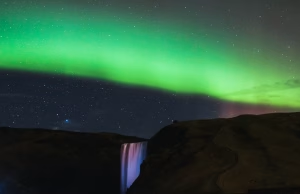
Weather: Winter in Iceland is dark, cold, and often snowy, but also incredibly atmospheric. Daylight lasts only 4–6 hours in December and January. Snow covers the landscapes, and the aurora borealis often lights the sky.
Temperature
Winter temperatures generally range from -2°C to 4°C, especially around the coastal regions like Reykjavík.
Visitor Number: Despite the cold, Iceland sees a moderate number of visitors in winter. Many come specifically to chase the northern lights. Holiday season travel to Iceland spikes around Christmas and New Year, so expect higher prices then.
Suggested Read: How to Book an Iceland Visa Appointment
Events and Festivals

- Christmas & New Year’s Celebrations: Reykjavík sparkles with lights, concerts, and fireworks. Locals celebrate with 13 Yule Lads instead of one Santa.
- Þorrablót Midwinter Festival: A traditional Viking midwinter feast celebrated in January and February. Locals enjoy fermented foods and old folk songs.
- Winter Lights Festival (early February): Reykjavík hosts a celebration of light, art, and culture. Buildings are lit up with projections and there are free museum nights.
- Iceland Airwaves Off-Venue Gigs: Smaller winter concerts pop up across Reykjavík in intimate venues. A treat for music lovers exploring Iceland’s indie scene.
Why You Should Visit Now
Winter offers a magical side of Iceland you won’t see in summer. It’s perfect for northern lights hunters and fans of quiet, snow-covered scenery. Plus, hot springs feel even more rejuvenating surrounded by frost.
Seasonal Dishes & Drinks
- Kjötsúpa: A warming lamb and vegetable soup served across the country in winter.
- Þorramatur: A traditional midwinter platter with fermented shark, liver sausage, and rye bread.
- Hot chocolate with cream: Widely loved and found in cafés throughout Reykjavik.
- Brennivín: A potent Icelandic schnapps, often called “Black Death,” served during winter feasts.
- Laufabrauð: A delicate fried bread served during Christmas with intricate patterns.
Suggested Read: Iceland Visa Extension for Indian Tourists
Places to Visit

- Jökulsárlón Glacier Lagoon: In winter, this magical lagoon is even more striking with floating icebergs and chances to spot seals resting on the ice.
- Vatnajökull Ice Caves: Accessible only during winter, these naturally formed blue crystal caves are an unforgettable highlight beneath Europe’s largest glacier.
- Reykjavík: The capital city sparkles with festive lights and cultural events during winter. Museums, geothermal pools, and cozy cafés offer warmth and culture.
- Thingvellir National Park: Covered in snow, this UNESCO site offers stunning contrasts of icy rifts and frozen waterfalls. Great for winter hiking and photography.
- Snæfellsnes Peninsula: Often called “Iceland in Miniature,” this region in winter offers black sand beaches, snow-draped lava fields, and dramatic coastal cliffs.
What to Pack
- Waterproof snow boots
- Thermal base layers
- Down or insulated jacket
- Ice grips/spikes for walking
- A headlamp (for low daylight hours)
Trip Planning Considerations
- Always check the Icelandic Road and Coastal Administration (road.is) for real-time road and weather conditions before driving.
- Many highland and F-roads are closed, so stick to accessible areas or consider guided tours for glaciers and caves.
Pro Tips
- Book Aurora tours with flexible cancellation; cloud cover can be unpredictable.
- Travel insurance is a must in winter due to storm disruptions.
- Stay in accommodations with outdoor hot tubs, nothing beats stargazing in geothermal warmth.
- Avoid long driving routes, plan slow and safe trips.
- Use daylight efficiently; most tours begin before 10 a.m.
Suggested Read: Iceland Visa Photo Requirements For Indian Tourists
Ideal for
Winter is ideal for northern lights chasers, holiday season travelers, photographers, and those who enjoy unique cultural festivals in serene, snow-draped settings.
Spring (March – May)

Weather: Spring in Iceland marks the transition from winter’s darkness to long, sunlit days. Snow begins to melt, revealing green mosses, thawed waterfalls, and migrating birdlife. March is still wintry, but by May, daylight extends beyond 16 hours.
Temperature
Temperatures range from 0°C in March to about 11°C by late May, with milder days and chilly evenings.
Visitor Number: Tourism slowly increases from March, with May seeing a notable rise. Crowds are still manageable, and travel costs remain reasonable. It’s a favorite time for off-season travel to Iceland with more accessible roads and better weather.
Suggested Read: Iceland Visa for Indians: Your Complete Guide
Events and Festivals

- First Day of Summer (late April): Despite the name, it’s celebrated in spring and marks the arrival of warmer days in the old Norse calendar. Locals gather for parades, outdoor games, and music events.
- Reykjavík Blues Festival (early April): This festival brings together top blues artists from Iceland and abroad. Concerts are held in intimate venues, creating a soulful and cozy atmosphere.
- Aldrei fór ég suður (Easter Weekend): Held in Ísafjörður, this free music festival features Icelandic rock, folk, and pop performers. It blends music with a strong sense of community and local pride.
- Sumardagurinn Fyrsti (First Day of Summer): A national holiday celebrated with marching bands and traditional Icelandic games. It’s a quirky but cherished day, despite unpredictable weather.
Why You Should Visit Now
Spring is ideal if you want to see Iceland’s landscapes come back to life without the summer rush. Roads begin to reopen, wildlife becomes more active, and longer daylight hours allow more time for exploration. It’s also a budget-friendly month to visit Iceland, especially in April.
Seasonal Dishes & Drinks
- Plokkfiskur (Fish Stew): A creamy stew made with mashed fish and potatoes, often seasoned with onions and herbs. It’s light yet filling, ideal for the mild spring weather.
- Fresh Arctic Char: Spring brings fresh catches of this delicate fish, often grilled or smoked. Served with spring vegetables, it’s a seasonal delicacy.
- Rhubarb Jam and Cakes: Homemade rhubarb treats appear on tables as gardens come to life. These sweet-tart flavors are a favorite in Icelandic homes.
- Lamb Dishes: Lamb is a spring favorite, especially slow-roasted or grilled with herbs. Icelandic lamb is renowned for its tenderness and unique flavor.
- Skyr with Berries: This creamy, protein-rich dairy product is often served with early-season berries. A healthy, traditional Icelandic snack or dessert.
Places to Visit

- Golden Circle (Þingvellir, Geysir, Gullfoss): Spring brings fewer crowds and snowmelt that enhances waterfalls. Roads are more accessible, making it ideal for early-season explorers.
- Reykjadalur Hot Springs: A scenic hike leads to a geothermal river where you can bathe surrounded by spring greenery and lingering snow patches.
- Seljalandsfoss and Skógafoss Waterfalls: These southern waterfalls are at their fullest in spring due to melting ice. Wildflowers begin blooming in the nearby meadows.
- Westfjords: This remote region starts to thaw and open up to travelers. You’ll catch glimpses of puffins returning and dramatic coastal views.
- Húsavík: Known for whale watching, spring marks the return of humpback and minke whales. Boat tours become more frequent as the seas calm.
What to Pack
- Waterproof jacket and shoes
- Layers (including thermals for early spring)
- Sunglasses and sunscreen
- Warm hat and gloves
- Power bank (longer outdoor days)
Suggested Read: Iceland Visa Rejection for Indians
Trip Planning Considerations
- Car rentals are cheaper in spring, and roads become more navigable by April.
- It’s a great time for cultural highlights in Iceland by season, as locals host spring music and food festivals.
Pro Tips
- Visit in May for long daylight, puffin spotting, and fewer tourists.
- Book accommodations near Puffin Cliffs or coastal areas for birdwatching.
- Carry rain gear, spring weather can shift rapidly.
- April and May offer some of the best months for sightseeing in Iceland without tour group crowds.
- Combine Reykjavík culture with nature, spring is a balanced time for both.
Ideal for
Spring is ideal for nature lovers, budget-conscious travelers, birdwatchers, and those interested in local culture and spring festivals.
Summer (June – August)

Weather: Summer in Iceland (June to August) brings mild temperatures, clear skies, and up to 24 hours of daylight in the north due to the midnight sun. The weather is the most stable of the year, with lower rainfall and accessible roads to highlands and remote regions.
Temperature
Daytime temperatures typically range from 10°C to 15°C, though it can occasionally reach up to 20°C in July.
Visitor Number: Summer is the peak tourist season in Iceland, drawing the highest number of visitors annually. Popular sites can be crowded, especially in July and August. It’s advised to book accommodations and tours several months in advance.
Suggested Read: 20 Compelling Reasons to Visit Iceland – Explore the Land of Fire and Ice
Events and Festivals
- National Day (June 17): Celebrating Iceland’s independence from Denmark in 1944, this day is filled with parades, concerts, and street performances across the country.
- Secret Solstice Festival (late June): Held in Reykjavík during the Midnight Sun, this music festival features international DJs and artists performing in unique settings like glaciers and lava tunnels.
- Reykjavík Pride (early August): A vibrant celebration of love and diversity, Reykjavík Pride includes a rainbow-colored parade, live music, drag shows, and community events.
- Þjóðhátíð (First weekend of August): An epic outdoor festival held in the Westman Islands with music, bonfires, fireworks, and singing, attracting thousands of locals and tourists alike.
- Fishermen’s Day (First Sunday in June): Coastal towns honor their fishing heritage with boat parades, games, and free seafood tastings. It’s a great way to experience local life.
Why You Should Visit Now
Summer is ideal for outdoor activities in Iceland, such as hiking, whale watching, and exploring the Highlands. With nearly 24-hour daylight, your sightseeing hours are practically unlimited. Plus, most rural and coastal roads are accessible only this time of year.
Seasonal Dishes & Drinks
- Lobster (Langoustine): Grilled or butter-fried Icelandic lobster is a summer specialty, often served in coastal towns like Höfn with garlic butter and fresh herbs.
- Grilled Lamb Skewers: Barbecued lamb becomes popular in summer cookouts. The meat is tender and flavorful, often served with rye bread and salad.
- Berry Skyr Parfaits: Fresh blueberries and crowberries are layered with Icelandic skyr for a healthy summer dessert available in cafes and homes.
- Freshly Caught Arctic Char or Trout: Lightly grilled or smoked, these fish are best enjoyed fresh during summer months when rivers are abundant with catch.
- Brennivín Cocktails: This traditional schnapps is often mixed with citrus or herbs in summer cocktails, giving visitors a taste of Iceland’s national spirit with a refreshing twist
Suggested Read: Free Things To Do in Iceland: Nature, Adventure & More!
Places to Visit

- Þórsmörk Valley: Accessible only in summer, this lush valley offers stunning hikes through glaciers, rivers, and volcanic landscapes under the midnight sun.
- Hornstrandir Nature Reserve: This reserve is located in the remote Westfjords, it’s open only in summer, and ideal for spotting Arctic foxes, sea cliffs, and untouched wilderness.
- The Highlands (Landmannalaugar): Summer opens access to Iceland’s central highlands, filled with rhyolite mountains, hot springs, and colorful lava fields perfect for trekking.
- Vestmannaeyjar (Westman Islands): Summer is puffin season, and these islands are a top spot for birdwatching, hiking, and joining the lively Þjóðhátíð festival.
- Snæfellsnes Peninsula: Known as “Iceland in Miniature,” this peninsula shines in summer with accessible lava fields, beaches, waterfalls, and Snæfellsjökull glacier.
What to Pack
- Light waterproof jacket
- Layers for warm days and cool nights
- Hiking shoes or boots
- Eye mask (for bright nights)
- Sunscreen and insect repellent (for midges near lakes)
Trip Planning Considerations
- Make bookings early, summer is the busiest and priciest season.
- Travel insurance is still useful due to flight and ferry delays from weather changes.
Pro Tips
- Visit in June for long daylight and fewer crowds than July/August.
- Combine city life with nature, Reykjavík is full of events while the countryside is at its most accessible.
- Pack an eye mask if you’re sensitive to light, the midnight sun can disrupt sleep.
- Use the long days for extended road trips like the Ring Road or Golden Circle.
- Visit lesser-known regions like East Iceland for fewer crowds and beautiful summer scenery.
Suggested Read: Exploring Iceland in July: A Complete Summer Guide
Ideal for
Summer is perfect for adventure seekers, road trippers, hikers, festival-goers, and photographers wanting golden light around the clock.
Autumn (September – November)
Weather: Autumn in Iceland (September to November) brings dramatic shifts, cooler air, changing leaves, and early snow in the mountains. Rain becomes more frequent, and daylight begins to shorten rapidly, especially in late October and November.
Temperature
Temperatures range from around 7°C in early September to 0°C by late November, with frequent wind and rainfall.
Visitor Number: Tourist numbers taper off after the summer peak, making September a sweet spot for travelers. By October and November, crowds thin considerably, and you can experience popular sites with more peace. It’s a great time for off-season travel to Iceland with better prices and more flexibility.
Events and Festivals
- Réttir (Sheep Round-Up, September): One of Iceland’s oldest traditions, farmers and locals herd sheep from the highlands back to farms. Visitors can join or observe this rural festivity.
- Iceland Airwaves (Late October or Early November): Reykjavík’s premier music festival showcases emerging Icelandic and international artists, transforming the city’s bars and venues into live music hotspots.
- Reykjavík International Film Festival (Late September – Early October):
A major cultural event highlighting global and Icelandic cinema. It includes screenings, panels, and special midnight movie showings. - Imagine Peace Tower Lighting (October 9): Located on Viðey Island, this tower built by Yoko Ono in memory of John Lennon is lit annually, symbolizing world peace.
Why You Should Visit Now
Autumn brings a mix of golden foliage, early auroras, and quieter tourist attractions. It’s one of the best times for photographers, with long twilight hours and vivid fall colors. You can also enjoy budget-friendly travel, especially in October and November.
Seasonal Dishes & Drinks
- Mushroom Soup: Wild mushrooms foraged in Icelandic forests feature in hearty autumn soups, often cream-based and served with warm bread.
- Slow-Roasted Lamb: A comforting fall favorite, Icelandic lamb is slow-cooked with herbs and root vegetables, rich in flavor and warmth.
- Root Vegetable Stews: Dishes with carrots, turnips, and potatoes become common, reflecting the harvest season and Iceland’s earthy flavors.
- Warm Skyr with Berry Compote: This twist on the classic yogurt dish is served slightly warm with seasonal berry sauce — comforting and nutritious.
- Mulled Wine (Rauðvín með kryddi): Popular at autumn gatherings and outdoor events, it’s infused with spices like cloves and cinnamon to warm you up.
Places to Visit

- Thingvellir National Park: Autumn paints the mosses and birches golden-yellow, making the rift valley walks and Silfra diving site even more scenic.
- Hraunfossar Waterfalls: The waterfalls blend beautifully with fall foliage, and the surrounding lava fields turn warm tones of orange and gold.
- Borgarfjörður Eystri: Ideal in early fall for hiking among colorful rhyolite hills and spotting the last of the puffins before migration.
- Reykjavík: The city buzzes with cultural festivals during the autumn months, while cafes and spas offer a cozy refuge from cooler evenings.
- Lake Mývatn: Fewer bugs in autumn make this geothermal area more enjoyable for walking trails and soaking in the nearby nature baths.
Suggested Read: Summer in Iceland: Experience Sunlight for Nearly 24 Hours!
What to Pack
- Warm waterproof jacket
- Hat, gloves, and scarf
- Waterproof hiking boots
- Layers (fleece, wool)
- Daylight headlamp for late autumn
Trip Planning Considerations
- September still offers good driving conditions and tour availability.
- As winter approaches, prepare for shorter days and check weather advisories on vedur.is.
Pro Tips
- September is ideal for nature lovers seeking colors, calm, and comfort.
- Many summer routes close by mid-October, so check road status if traveling independently.
- Book a northern lights tour with free rebooking in case of poor visibility.
- Carry extra socks and waterproof bags, as autumn is often wet and windy.
- Avoid last-minute planning in November, as many hotels and restaurants have reduced hours.
Ideal for
Autumn suits budget-conscious travelers, photographers, solo explorers, and those who want to experience Iceland’s quiet, natural beauty before winter sets in.
Peak Season in Iceland

Iceland’s peak tourist season falls between June and August, when the country enjoys its warmest temperatures, longest daylight hours, and most accessible travel routes. This is the time when Iceland’s natural beauty is in full bloom, and the country hosts its biggest festivals and events. It’s also the most popular time for outdoor activities in Iceland, including hiking, whale watching, and road trips along the Ring Road.
Pros of Visiting During Peak Season
- Endless Daylight: Up to 24 hours of sunlight, especially around the summer solstice, ideal for long sightseeing days.
- Accessible Highlands: F-roads open up, allowing access to remote and rugged landscapes only reachable in summer.
- Vibrant Festival Scene: Reykjavik and small towns come alive with music, art, and food festivals.
- Best for Road Trips: Conditions are ideal for self-driving routes like the Golden Circle and the Westfjords.
- Mild Weather: The most stable climate of the year, perfect for camping and nature exploration.
Cons of Visiting During Peak Season
- High Prices: Accommodation, car rentals, and tours can be significantly more expensive.
- Crowds at Top Attractions: Popular sites like the Blue Lagoon and Gullfoss can be crowded by midday.
- Early Bookings Required: Many hotels and guided tours sell out months in advance.
- Limited Northern Lights: No auroras in summer due to constant daylight.
- Some Insects: Expect midges (non-biting gnats) near lakes, especially in July.
Suggested Read: Exploring the Top Markets in Iceland: Local Delights and Hidden Finds
Shoulder Season in Iceland

The shoulder season in Iceland spans April to May and September to mid-October, offering a sweet spot between the extremes of winter and the bustling summer crowds. These months present a balanced mix of moderate weather, open attractions, and fewer tourists. It’s also the ideal time to enjoy off season travel to Iceland with better prices and still relatively good road access.
Pros of Visiting During Shoulder Season
- Fewer Crowds: Enjoy major sites like the Golden Circle and South Coast with minimal congestion.
- Lower Prices: Accommodation and flights are generally more affordable than during summer.
- Northern Lights Visibility: Especially strong in September and early October with darker skies.
- Decent Daylight: Ample daylight hours for exploring, especially in late spring.
- Emerging Spring Landscapes: Snow melts reveal waterfalls, blooming moss, and scenic countryside.
Cons of Visiting During Shoulder Season
- Unpredictable Weather: Rapid shifts between sunshine, wind, and snow are common.
- Limited Access to Highlands: F-roads remain closed in early spring and open only by late June.
- Some Attractions Closed: A few rural tours or lodges operate only during peak months.
- Shorter Days in Fall: Diminishing daylight can limit sightseeing time from mid-October onward.
- Occasional Icy Roads: Especially in April and early October, making self-driving tricky.
Suggested Read: Is Iceland Safe to Visit? Everything You Need to Know
Cheapest Time to Visit Norway

The cheapest time to visit Iceland is from late October to early April, especially November through mid-December and January to March, skipping the holiday rush. This is when prices for flights, accommodations, and even tours dip significantly, making it the perfect window for off-season travel to Iceland. Though it’s colder and darker, this season offers exceptional opportunities for Northern Lights spotting, fewer crowds, and cozy winter vibes.
Budget Tips
- Book in Advance: Reserve flights and accommodations at least 2–3 months early for the biggest savings.
- Use Bonus Cards: Get prepaid grocery store cards (e.g., Bónus or Krónan) to save on meals instead of dining out.
- Stay in Guesthouses or Hostels: Choose shared kitchens to cook your own meals and reduce food costs.
- Look for Free Activities: Many natural wonders like waterfalls, beaches, and hot springs are completely free to access.
- Travel Light and Smart: Avoid excess baggage fees by packing layers and waterproof essentials instead of bulky winter gear.
Challenging Times for Iceland Travel
While Iceland is a year-round destination, some periods pose greater challenges due to extreme weather conditions in Iceland, road closures, and limited daylight. Travelers visiting during these months must plan carefully, especially in winter and early spring. The worst travel time often aligns with the deepest winter months (late December to February) and early spring (March-April), when unpredictable storms and freezing temperatures can disrupt travel plans.
Challenges Due to Weather
- Harsh Winter Storms (Dec–Feb)
Iceland experiences powerful windstorms and snow blizzards during deep winter, especially in the north and rural areas. - Limited Daylight (Late Nov–Jan)
Daylight hours shrink to as little as 3–4 hours per day, restricting sightseeing and road trips. - Icy Roads and Road Closures
Snow and ice make driving hazardous; mountain passes and some popular routes (like F-roads) become inaccessible. - Rapid Weather Shifts
A sunny morning can turn into a blizzard by afternoon. Always check local weather and road safety alerts. - Flight Disruptions
Wind and snow can delay or cancel flights, especially domestic routes or arrivals at Keflavík Airport.
Why You Might Avoid These Periods:
- Extreme weather can cause sudden travel delays and road closures.
- Daylight hours are minimal in winter, limiting exploration time.
- Many rural roads and highland routes become inaccessible.
- Tours and outdoor activities are often canceled due to weather.
- Driving conditions can be dangerous with ice and low visibility.
- Some hotels, restaurants, and attractions shut in the off-season.
- Constant darkness and cold may affect your energy levels.
- Limited access to emergency services in remote regions.
- Travel insurance and gear become essential during harsh seasons.
- Poor weather may obscure Northern Lights or scenic views.
Suggested Read: 25 Incredible Facts About Iceland That Will Inspire Your Adventure


FAQs
Can you see the Northern Lights year-round in Iceland?
No, the Northern Lights are not visible year-round. They appear between late September and early April when the nights are longest and skies are dark. Summer months have too much daylight for viewing them.
Is Iceland safe to travel during winter?
Yes, Iceland is one of the safest countries to travel to, even in winter. However, unpredictable weather, icy roads, and short daylight hours mean you should plan ahead, drive cautiously, and monitor forecasts closely.
Do I need to rent a 4×4 vehicle in Iceland?
If you’re visiting in winter or plan to explore the Highlands or off-road routes, a 4×4 is highly recommended. In summer, a regular car is fine for the Ring Road and popular routes.
Are Iceland’s hot springs open all year?
Yes, most geothermal hot springs like the Blue Lagoon, Sky Lagoon, and Secret Lagoon are open year-round. In fact, soaking in hot water surrounded by snow is a popular winter experience.
How much daylight does Iceland get in different seasons?
In summer, daylight can last up to 24 hours, especially during the Midnight Sun in June. In winter, daylight is limited to 4–6 hours a day, so trip planning must account for shorter days.
When should I book for peak travel months in Iceland?
For travel in June to August or during Christmas and New Year, it’s best to book flights and hotels 3–6 months in advance. These months are the busiest and often see price spikes and limited availability.
Are museums and attractions open in the off-season?
Many major attractions and museums remain open year-round, particularly in Reykjavík. However, some remote or seasonal spots may close or have reduced hours from October to April.