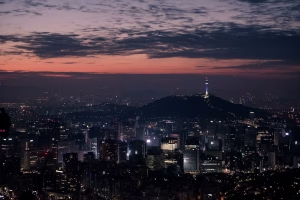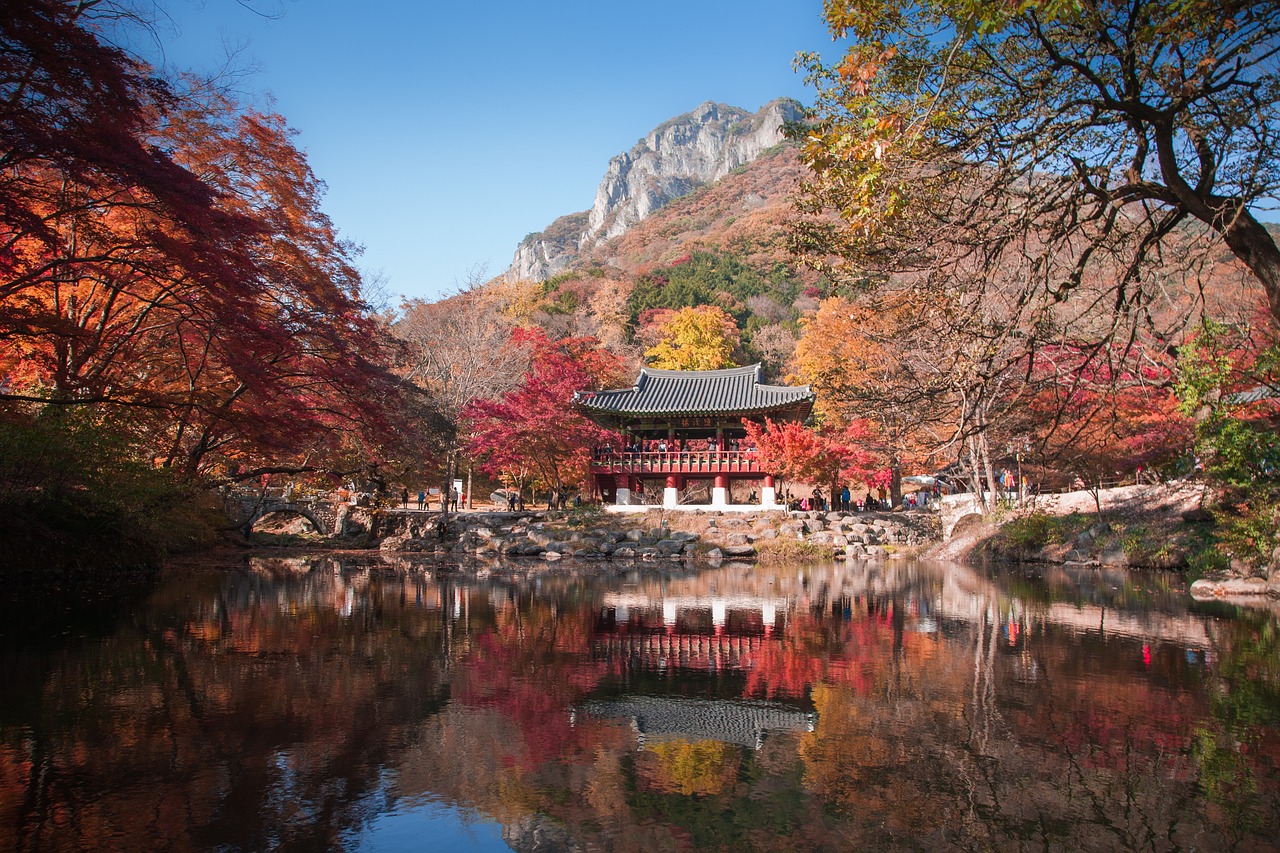
South Korea in February is a magical destination, offering snowy landscapes, cultural festivities, and delicious cuisine. The temperature in South Korea in February can be chilly, with wintery conditions perfect for snow sports and cozy indoor experiences. Visitors can enjoy a variety of things to do in South Korea in February, from traditional festivals to exploring vibrant street markets.
Whether you’re an adventure seeker or a culture enthusiast, traveling to South Korea in February provides opportunities to experience unique winter traditions and scenic views of snow-covered mountains. This guide highlights everything you need to know about South Korea weather in February, including must-visit destinations, local events, and essential tips for a memorable trip.
- Is February a Good Time to Visit South Korea?
- Weather in South Korea in February
- Cultural Experiences in South Korea in February
- Events & Festivals in February in South Korea
- Top Things to Do in South Korea
- Famous Places to Eat in South Korea
- What to Pack for February?
- Where to Stay in South Korea?
- Average Cost of a Trip to South Korea
- FAQs
Is February a Good Time to Visit South Korea?
February is an ideal month to travel to South Korea, especially for those who enjoy winter sports, snowy landscapes, and cultural experiences. The South Korea temp in February is cold, creating perfect conditions for activities like skiing, ice fishing, and snow trekking. With fewer tourists than in spring or autumn, visitors can enjoy things to do in South Korea in February and explore popular attractions without the usual crowds.
Pros:
- Winter Wonderland: Snow-covered landscapes and winter festivals.
- Fewer Crowds: Enjoy tourist spots more peacefully.
- Seasonal Cuisine: Indulge in hearty winter dishes like tteokguk and galbitang.
Cons:
- Cold Temperatures: Might not suit travelers sensitive to cold weather.
- Limited Greenery: Lack of spring blossoms or autumn foliage.
Recommendation:
February is perfect for winter enthusiasts and those seeking cultural immersion through unique festivals and traditional experiences.
**Planning a trip to experience South Korea in February? Ensure your visa and travel documents are ready with the help of OneVasco for a stress-free journey.
Weather in South Korea in February
In February, South Korea weather in February is generally cold and dry, with occasional snowfall across the country. Despite the chill, sunny skies and crisp air make it pleasant for outdoor activities, sightseeing, and winter adventures. For a complete breakdown of temperatures and conditions, refer to a full temperature in South Korea in February guide.
|
Weather Element |
Details |
|
Temperature (°C) |
High: 4°C |
|
Humidity |
Around 60% |
|
Chances of Rainfall |
Minimal |
|
Average Precipitation |
25-30 mm |
|
Number of Rainy Days |
4-6 days |
|
Time of Rainfall |
Morning and late evening, if any |
Cultural Experiences in South Korea in February
February offers rich cultural experiences, from exploring historic palaces to witnessing traditional Korean performances. The winter season adds a special charm to these activities.

- Hanbok Experience: Rent a traditional Korean outfit and explore royal palaces like Gyeongbokgung or Changdeokgung.
- Temple Stays: Immerse yourself in Korean Buddhism by staying overnight in temples like Beomeosa or Jogyesa.
- Korean Tea Ceremony: Participate in a traditional tea ceremony to understand Korean etiquette and culture.
Events & Festivals in February in South Korea
February is vibrant, with winter festivals and cultural celebrations across the country.
Hwacheon Sancheoneo Ice Festival
This festival celebrates ice fishing in Hwacheon, Gangwon Province, and attracts thousands of visitors each year. Visitors can fish for mountain trout, participate in snow sledding, and enjoy local cuisine.
- Location: Hwacheon, Gangwon Province
- Time: Early to mid-February
- Specialties: Ice fishing, snow sculptures, sledding
Visit the official website for more details about the festival.
Suggested Article:Winter in South Korea
Jeju Fire Festival
Celebrated on Jeju Island, this event symbolizes good harvests and happiness. Highlights include bonfires, traditional games, and folk performances.
- Location: Jeju Island
- Time: Mid-February
- Specialties: Traditional rituals, bonfire displays
Learn more about the festival on the official website.
Pyeongchang Trout Festival

Located in the snowy region of Pyeongchang, this festival is all about fishing, snow activities, and delicious trout dishes.
- Location: Pyeongchang, Gangwon Province
- Time: February (dates vary annually)
- Specialties: Ice fishing, trout BBQ, sledding
Suggested Article:Festivals in South Korea
Top Things to Do in South Korea
February in South Korea offers a mix of thrilling winter activities, cultural immersion, and scenic beauty. From skiing in world-class resorts to exploring picturesque villages, every experience is unforgettable. Here are some of the best activities in South Korea in February that you can include in your trip:
1. Skiing in Pyeongchang

Pyeongchang, famous for hosting the Winter Olympics, is a top spot for things to do in South Korea in February for ski lovers. Resorts such as Yongpyong and Alpensia feature well-groomed slopes for both beginners and experienced skiers. Visitors can also enjoy snowboarding, sledding, and vibrant après-ski activities at these winter destinations.
2. Visiting Nami Island
Nami Island transforms into a winter wonderland in February, making it ideal for romantic strolls or family outings. The snow-covered tree-lined paths and cozy cafes provide a serene escape from the bustling city life. The island is easily accessible via ferry from Gapyeong.
Suggested Article:South Korea in February
3. Exploring Bukchon Hanok Village

Bukchon Hanok Village in Seoul is a must-visit for travel to South Korea in February. The village features beautifully preserved hanoks (traditional Korean houses), and walking through its snow-dusted streets offers a journey back in time. Many hanoks serve as cultural centers, where visitors can join craft workshops, tea ceremonies, and other hands-on experiences.
4. Enjoying a Traditional Jjimjilbang
South Korea’s jjimjilbangs (traditional bathhouses) are a top choice for things to do in South Korea in February. Visitors can relax in hot baths, detox in saunas, and enjoy traditional Korean body scrubs. Dragon Hill Spa in Seoul stands out as one of the most popular and well-loved spots for tourists seeking an authentic Korean wellness experience.
Suggested Article:South Korea With Kids: Your Gateway to K-Pop Dreams and Ancient Wonders
5. Hiking in Seoraksan National Park

Seoraksan National Park is a hiker’s paradise with trails that offer stunning views of snow-covered peaks. February adds a magical touch with frozen waterfalls and serene winter landscapes. The park is also home to hot springs where you can unwind after a trek.
From skiing in the mountains to exploring vibrant markets, February is full of adventures in South Korea. Start your journey stress-free by reading our blog on how to check your South Korea visa status for quick visa processing.
Famous Places to Eat in South Korea
South Korea is a food lover’s paradise, offering a rich variety of flavors, textures, and culinary experiences. Here are some must-visit places to eat while in South Korea:
1. Gogung (Seoul)
Gogung is a must-visit for those wanting to experience authentic Korean bibimbap, a mixed rice dish topped with fresh vegetables and meat. Located in Insadong, the restaurant’s warm ambiance complements its flavorful offerings. Gogung also serves vegetarian and vegan options, catering to all dietary preferences.
- Location: Insadong, Seoul
- Opening Hours: 11:30 AM – 9:30 PM
- Specialties: Bibimbap, Bulgogi
- Additional Info: Reservations are recommended during peak hours.
Suggested Article:South Korea Visa Rejection Reasons with Rejection & Success Rates
2. Gwangjang Market (Seoul)

Famous for its vibrant atmosphere, Gwangjang Market is a haven for street food lovers. Enjoy hot dishes like tteokbokki (spicy rice cakes) and bindaetteok (mung bean pancakes) as you explore the bustling food stalls. The market is perfect for sampling diverse Korean snacks and drinks on a budget.
- Location: Jongno-gu, Seoul
- Opening Hours: 9:00 AM – 10:00 PM
- Specialties: Bindaetteok, Kimbap, Tteokbokki
- Additional Info: Ideal for casual dining and late-night snacks.
3. Jeonju Hanok Village Food Street (Jeonju)
Jeonju is the birthplace of bibimbap, and the food street in Hanok Village offers the most authentic version. The area is lined with hanok-style restaurants serving hearty Korean dishes. Besides bibimbap, try Jeonju’s famous choco pie, a locally beloved dessert.
- Location: Jeonju Hanok Village, Jeonju
- Opening Hours: 10:00 AM – 9:00 PM
- Specialties: Jeonju Bibimbap, Choco Pie
- Additional Info: The area also features tea houses and souvenir shops.
Suggested Article:Uncover the Joys of Summer in South Korea: Your Ultimate Travel Guide
4. Jagalchi Fish Market (Busan)
For seafood enthusiasts, Jagalchi Fish Market in Busan is a must-visit destination. The market offers the freshest seafood, from grilled mackerel to live octopus. Upstairs restaurants allow you to select your catch and have it prepared immediately.
- Location: Nampo-dong, Busan
- Opening Hours: 5:00 AM – 10:00 PM
- Specialties: Grilled Mackerel, Raw Fish Platters
- Additional Info: The market is perfect for adventurous foodies eager to try raw or live seafood.
5. Tosokchon Samgyetang (Seoul)

Famous for its ginseng chicken soup, Tosokchon is a favorite among locals and tourists alike. The rich broth, stuffed with rice, ginseng, and medicinal herbs, is perfect for cold February days. The traditional hanok setting adds an authentic touch to the dining experience.
- Location: Jongno-gu, Seoul
- Opening Hours: 10:00 AM – 10:00 PM
- Specialties: Samgyetang (Ginseng Chicken Soup)
- Additional Info: It is often crowded, so visiting during off-peak hours is recommended.
Suggested Read: South Korea Itinerary 7 Days – Your Complete Travel Guide
What to Pack for February?
Packing for South Korea in February requires careful planning to stay warm and comfortable during your trip.
1. Warm Clothing
Pack thermal layers, sweaters, and insulated jackets to combat the cold. Don’t forget woolen scarves, gloves, and hats for extra warmth.
2. Waterproof Items
Though February has minimal rainfall, waterproof boots and jackets are useful if you plan to visit snowy regions like Pyeongchang or Nami Island.
3. Accessories
Portable hand warmers, a sturdy travel umbrella, and lip balm are essential. These small items can make a big difference in staying comfortable during outdoor activities.
4. Footwear
Insulated, slip-resistant shoes are crucial for walking on icy or snowy surfaces. Comfortable sneakers are also suitable for exploring cities.
5. Electronics
Bring a universal adapter, power bank, and extra batteries for cameras since cold temperatures can drain battery life quickly.
Suggested Read: South Korea Visa For Indians – Fees, Requirements, Process
Where to Stay in South Korea?

South Korea offers a variety of accommodation options to suit every traveler’s needs and budget.
1. Luxury Stays
- Recommendation: Signiel Seoul (Lotte World Tower)
- Highlights: Unmatched views of the city, world-class dining, and spa facilities.
2. Mid-Range Hotels
- Recommendation: Shilla Stay, Gangnam
- Highlights: Convenient location, clean and modern rooms, and great breakfast options.
3. Budget-Friendly Options
- Recommendation: Lazy Fox Hostel, Hongdae
- Highlights: Affordable prices, cozy rooms, and a lively neighborhood with cafes and street performers.
4. Unique Accommodations
- Recommendation: Hanok stays in Jeonju or Bukchon
- Highlights: Immerse yourself in traditional Korean culture by staying in a hanok with ondol (heated floors).
South Korea has various stay options, from cozy guesthouses to luxury hotels. Ensure you have your visa ready before you go. Check out our guide on how to check your South Korea visa status and book your dream accommodation!
Average Cost of a Trip to South Korea
Planning a solo trip to South Korea in February or a family vacation becomes easier with a clear budget. Travel costs vary based on your choice of accommodation, activities, and dining preferences. Here’s an approximate breakdown of expenses for key aspects of your trip, converted to INR (1 KRW ≈ 0.063 INR at current rates) to help you plan efficiently.
1. Flights
Flight prices can fluctuate depending on the season, booking time, and airline. February tends to have slightly lower airfares compared to the peak spring and autumn seasons.
- Average Cost: ₹25,000 – ₹80,000 (round-trip)
- Pro Tip: Book flights 2-3 months in advance for the best deals.
2. Accommodation
South Korea offers a wide range of accommodations, from budget hostels to luxury hotels. Prices in popular cities like Seoul and Busan are slightly higher but still affordable compared to global standards.
- Budget stays (hostels or guesthouses): ₹1,500–₹3,000 per night.
- Mid-range hotels: ₹5,000–₹8,000 per night.
- Luxury hotels: ₹12,000–₹25,000 per night.
- Unique stays (hanok houses): ₹6,000–₹12,000 per night.
Pro Tip: Book accommodations near metro stations for easier access to attractions.
Suggested Article:South Korean Famous Food: 20 Traditional Dishes You Must Try
3. Transportation
South Korea’s public transportation system is efficient, affordable, and well-connected. A transport card, such as the T-Money card, can save you time and effort while navigating major cities.
- T-Money card (for public transport): ₹400–₹800 (initial top-up).
- Subway or bus fare (one-way): ₹50–₹200 per ride.
- Taxis: ₹150–₹300 per km, depending on the city and time of travel.
- Intercity travel (KTX high-speed trains): ₹3,000–₹6,000 per trip.
- Pro Tip: Get a T-Money card for hassle-free metro and bus rides.
4. Food and Dining
South Korea is a haven for food enthusiasts, offering a wide range from affordable street eats to luxurious fine dining. Budget travelers can enjoy tasty local dishes without overspending, while specialty experiences—such as savoring Hanwoo beef at high-end restaurants—can cost around ₹5,000 per person.
- Street food/snacks: ₹250–₹500 per meal.
- Casual dining at local restaurants: ₹800–₹1,500 per meal.
- Fine dining: ₹3,000–₹6,000 per meal.
- Pro Tip: Explore local markets for authentic and affordable Korean meals.
Suggested Article:Nightlife in South Korea
5. Sightseeing and Activities
Entry fees to attractions in South Korea are relatively inexpensive. Many landmarks, temples, and hiking trails are free, while popular destinations charge nominal fees.
- Palaces and Museums: ₹200–₹500 per ticket.
- Theme Parks (Everland/Lotte World): ₹3,500–₹5,000 per ticket.
- Skiing/Snowboarding: ₹4,000–₹8,000 per day (including gear rental).
- Cultural Experiences (e.g., Hanbok Rental): ₹1,000–₹2,000.
- Pro Tip: Check for discounts on attraction bundles and city passes.
6. Shopping
Shopping in South Korea can be tailored to your budget. From trendy street markets to high-end malls, the options are endless.
- Street Markets (souvenirs and clothing): ₹500–₹2,000 per item.
- Skincare/Beauty Products: ₹1,000–₹5,000 per item.
- Luxury Brands (in Gangnam): ₹10,000 and above.
- Pro Tip: Bargain at flea markets for better deals on souvenirs.
7. Total Estimated Cost
Don’t forget to budget for essentials like travel insurance, tips, and extra purchases. Travel insurance is highly recommended for peace of mind during your trip.
- Travel Insurance: ₹1,500–₹3,000 (for a week).
- Tips: Not customary but appreciated for exceptional service (₹50–₹200).
- Extras (Wi-Fi rental or SIM card): ₹500–₹1,000 for a week.
- Pro Tip: Set aside extra funds for spontaneous activities and shopping splurges.
**Planning your budget for South Korea in February? Read our blog on how to apply for a South Korea visa extension and simplify your visa extension process so you can focus on your travel expenses.


FAQs
Is February a good time to visit South Korea?
Yes, February is an excellent time to travel to South Korea if you enjoy winter activities, scenic snow-covered landscapes, and seasonal festivals. You can hit ski resorts, explore snowy streets, and attend events like the Jeju Fire Festival.
Does it snow in Seoul in February?
Yes, Seoul can receive snowfall in February, creating picturesque winter scenery. While snow isn’t guaranteed every day, the crisp weather and occasional snow transform the city into a magical winter destination.
When is the best time to visit South Korea?
The ideal time to visit South Korea is during spring (April to June) and autumn (September to November) for mild weather, vibrant landscapes, and lively cultural festivals.
Which city in South Korea is best to visit in February?
Seoul is perfect for February visits with its winter attractions and cultural sites. Ski enthusiasts can head to Gangwon Province, while Jeju Island offers unique events like the Fire Festival.
How many days in South Korea is enough?
A 7 to 10-day trip is sufficient to explore South Korea’s main attractions, including Seoul, Busan, and other key destinations, while enjoying local food, culture, and winter activities.
Suggested Read: Find Out the Best Time to Visit South Korea