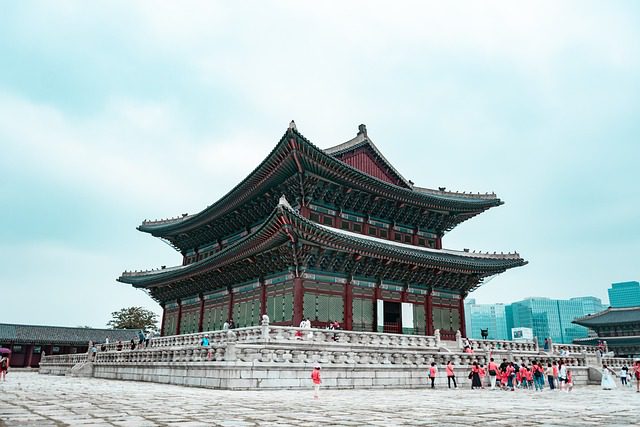
South Korea is home to centuries of rich history, showcased through its magnificent palaces, serene Buddhist temples, imposing stone fortresses, and royal tombs dating back over a thousand years. These historical places of South Korea reflect the architectural brilliance and cultural achievements of ancient kingdoms such as Silla, Baekje, Goryeo, and Joseon.
For travelers seeking a deeper understanding of Korean heritage, exploring historical sites in South Korea offers a fascinating journey through time. From royal palaces in Seoul to ancient temples in Gyeongju, these ancient places in South Korea provide insight into the country’s cultural and spiritual legacy.
Indian tourists looking to go beyond K-pop and K-drama will find historical landmarks in South Korea that bring the past to life, allowing visitors to connect with stories that have shaped the peninsula’s history and influence across Asia.
Suggested Read: How to Check South Korea Visa Status for Indians
10 Historical Places in South Korea
What makes historical places in South Korea special is how they blend harmoniously with natural landscapes – palaces with mountain backdrops, temples nestled in forested valleys, and fortresses that follow natural mountain contours.
Each site below offers Indian travelers a glimpse into Korea’s distinctive cultural identity while revealing surprising parallels with our own architectural and spiritual heritage.
- 1. Gyeongbokgung Palace (경복궁), Seoul
- 2. Bulguksa Temple (불국사), Gyeongju
- 3. Changdeokgung Palace (창덕궁), Seoul
- 4. Jongmyo Shrine, Seoul
- 5. Suwon Hwaseong Fortress, Suwon
- 6. Namhansanseong Fortress, Gwangju
- 7. Gyeongju Historic Areas, Gyeongju
- 8. Buseoksa Temple, Yeongju
- 9. Hwangnyongsa Temple Site, Gyeongju
- 10. Royal Tombs of the Joseon Dynasty
- FAQs
1. Gyeongbokgung Palace (경복궁), Seoul

Gyeongbokgung is the grandest of Seoul’s Five Grand Palaces and served as the primary royal residence during the influential Joseon Dynasty. This magnificent palace is one of the most iconic historical landmarks in South Korea, showcasing traditional Korean architecture, intricate palace layouts, and the cultural richness of royal life.
Highlights:
- Built in 1395 by King Taejo, the founder of the Joseon Dynasty
- Home to the striking Geunjeongjeon (Throne Hall) with its impressive double-tiered roof
- Features Gyeonghoeru Pavilion, an elegant structure built on a lotus pond for royal banquets
- Houses the National Palace Museum of Korea and the National Folk Museum
- Watch the colorful Changing of the Guard ceremony performed several times daily
- Extensively reconstructed after destruction during the Japanese invasions and the colonial period
Address: 161 Sajik-ro, Jongno-gu, Seoul
Timings:
- March-May: 9:00 AM – 6:00 PM
- June-August: 9:00 AM – 6:30 PM
- September-October: 9:00 AM – 6:00 PM
- November-February: 9:00 AM – 5:00 PM
- Closed on Tuesdays
Fees:
- Adults: ₩3,000 (approximately Rs. 190)
- Children (7-18): ₩1,500 (approximately Rs. 95)
- Free for seniors over 65, children under 7, and visitors wearing traditional Korean hanbok
If you’re planning to travel to South Korea, apply for a South Korea visa with OneVasco for a smooth and stress-free experience.
2. Bulguksa Temple (불국사), Gyeongju

Bulguksa Temple represents the height of the Silla Kingdom’s Buddhist culture and architectural achievement. This mountain temple complex, a UNESCO World Heritage site since 1995, beautifully combines religious significance with artistic mastery.
It is one of the most important historical temples in South Korea.
Highlights:
- Originally built in 528 CE and reconstructed in 751 CE during Silla’s golden age
- Features the famous stone pagodas Dabotap and Seokgatap, masterpieces of Buddhist art
- Includes two remarkable stone bridges—Cheongungyo (Blue Cloud Bridge) and Baegungyo (White Cloud Bridge)—symbolizing the path to Buddhist enlightenment
- Houses seven national treasures including gilt-bronze Buddha statues
- Surrounded by peaceful gardens with seasonal flowers and ancient pine trees
- Connected to nearby Seokguram Grotto, another UNESCO site with a magnificent Buddha statue
Address: 385 Bulguk-ro, Gyeongju-si, Gyeongsangbuk-do
Timings:
- Summer: 7:00 AM – 6:00 PM
- Winter: 7:00 AM – 5:00 PM
Fees:
- Adults: ₩6,000 (approximately Rs. 380)
- Youth: ₩4,000 (approximately Rs. 250)
- Children: ₩3,000 (approximately Rs. 190)
Suggested Read: South Korea Visa Photo Requirements for Indian Citizens
3. Changdeokgung Palace (창덕궁), Seoul

Changdeokgung Palace is a prominent historical site in South Korea, renowned for its seamless blend with the surrounding natural landscape. Constructed in 1405 as a secondary royal palace, it later became the favored residence of many Joseon kings, highlighting Korea’s architectural ingenuity and royal heritage.
Highlights:
- UNESCO World Heritage Site since 1997, praised for its outstanding layout and design
- Features the spectacular Huwon (Secret Garden), a 78-acre rear garden with pavilions, ponds, and 300-year-old trees
- Includes Injeongjeon Hall, the main throne hall with beautiful dancheong (traditional painted designs)
- Best preserved of Seoul’s five grand palaces, with more original structures than Gyeongbokgung
- Notable for its “borrowed scenery” architectural principle that incorporates the surrounding landscape
- The only palace that offers English guided tours of the Secret Garden (reservation recommended)
Address: 99 Yulgok-ro, Jongno-gu, Seoul
Timings:
- March-October: 9:00 AM – 6:00 PM
- November-February: 9:00 AM – 5:30 PM
- Closed on Mondays
- Secret Garden: Access only with guided tours at set times
Fees:
- Palace: ₩3,000 (approximately Rs. 190)
- Secret Garden: ₩8,000 (approximately Rs. 505) – separate ticket required
- Combined ticket: ₩10,000 (approximately Rs. 630)
4. Jongmyo Shrine, Seoul

Jongmyo Shrine holds the distinction of being the oldest and most authentic Confucian royal shrine preserved to this day. This sacred space was dedicated to the memorial services for the deceased kings and queens of the Joseon Dynasty.
Highlights:
- UNESCO World Heritage Site since 1995, recognized for its outstanding cultural significance
- Houses the spirit tablets of 27 Joseon kings and 30 queens in Jeongjeon (Main Hall)
- Features Yeongnyeongjeon (Hall of Eternal Peace), added in 1836 when the main hall became full
- Site of Jongmyo Jerye, a royal ancestral ceremony performed annually with traditional court music
- Remarkable for its architectural simplicity, reflecting Confucian values of restraint and harmony
- One of the most solemn historical places in South Korea
- The only royal ancestral shrine in the world where the memorial services have been continuously performed for centuries
Address: 157 Jong-ro, Jongno-gu, Seoul
Timings:
- February-May and September-October: 9:00 AM – 6:00 PM
- June-August: 9:00 AM – 6:30 PM
- November-January: 9:00 AM – 5:30 PM
- Closed on Tuesdays
- Foreign visitors can only enter with guided tours (English tours available)
Fees:
- Adults: ₩1,000 (approximately Rs. 65)
- Youth/Children: ₩500 (approximately Rs. 30)
Suggested Read: Temples in South Korea
5. Suwon Hwaseong Fortress, Suwon

Suwon Hwaseong Fortress is one of the most notable historical landmarks in South Korea, showcasing late 18th-century Korean military architecture. Combining traditional design with advanced defensive innovations of its time, this UNESCO World Heritage Site majestically surrounds Suwon’s city center, offering insight into Korea’s strategic and architectural prowess.
Highlights:
- Built from 1794 to 1796 under King Jeongjo, who wanted to move the capital there
- Features impressive defensive structures including Paldalmun Gate, Hwaseomun Gate, and Changryongmun Gate
- Includes 48 structures along its 5.7 km wall, such as command posts, firepower platforms, and observation towers
- Houses Hwaseong Haenggung, a palace used by the king during visits to his father’s tomb
- Walking paths along the fortress walls offer panoramic views of Suwon city
- Regular folk performances and martial arts demonstrations take place at Yeonmudae (martial arts training ground)
- Among the most impressive historical forts in South Korea
Address: 320-2 Jangan-dong, Paldal-gu, Suwon-si, Gyeonggi-do
Timings:
- March-October: 9:00 AM – 6:00 PM
- November-February: 9:00 AM – 5:00 PM
- Hwaseong Haenggung Palace has the same hours but is closed on Mondays
Fees:
- Fortress walls: ₩1,000 (approximately Rs. 65)
- Hwaseong Haenggung Palace: ₩1,500 (approximately Rs. 95)
- Combined ticket: ₩3,500 (approximately Rs. 220)
Suggested Read: South Korea Visa Extension for Indian Travelers
6. Namhansanseong Fortress, Gwangju

Perched atop a mountain near Seoul, Namhansanseong Fortress served as an emergency capital where the Joseon Dynasty government could retreat during invasions. This mountain fortress showcases Korean defensive architecture adapted to natural terrain.
Highlights:
- Built in the 17th century over earlier fortifications dating back to the 7th century
- UNESCO World Heritage Site since 2014, recognized for its military and historical significance
- Encompasses royal palace grounds, military command posts, Buddhist temples, and emergency facilities
- Features impressive gates including Bukdaemun (North Gate) and Seodaemun (West Gate)
- Offers spectacular hiking trails with panoramic views of the Seoul metropolitan area
- Contains several traditional Korean restaurants serving mountain vegetables and local specialties
Address: 784-29 Namhansanseong-ro, Namhansanseong-myeon, Gwangju-si, Gyeonggi-do
Timings:
- Fortress area: Open 24 hours
- Visitor Center: 9:00 AM – 6:00 PM
- Most buildings and facilities: 9:00 AM – 6:00 PM
Fees:
- Fortress access: Free
- Emergency Palace: ₩2,000 (approximately Rs. 125)
- Various museums within the fortress: ₩1,000-₩2,000 (approximately Rs. 65-125)
Suggested Read: Things to not do in South Korea
7. Gyeongju Historic Areas, Gyeongju

Often referred to as “the museum without walls,” Gyeongju is a treasure trove of historical sites in South Korea, showcasing the legacy of the ancient Silla Kingdom. This UNESCO World Heritage destination spans multiple zones featuring royal tombs, temple ruins, and remnants of palaces, offering visitors an immersive journey through Korea’s rich cultural and architectural heritage.
Highlights:
- Daereungwon Tomb Complex with large burial mounds including Cheonmachong (Heavenly Horse Tomb)
- Cheomseongdae Observatory, constructed in 634 CE, one of the oldest astronomical observatories in East Asia
- Anapji Pond (Donggung Palace and Wolji Pond), a reconstructed pleasure garden of Silla royalty
- Bunhwangsa Temple with its three-story stone pagoda dating from 634 CE
- Namsan Mountain area with over 100 Buddhist temples, stone Buddhas, and pagodas carved into the mountainside
- Gyeongju National Museum housing thousands of Silla artifacts, including the Emille Bell
Address: Multiple locations throughout Gyeongju-si, Gyeongsangbuk-do
Timings:
- Varies by site; most open 9:00 AM – 6:00 PM
- Gyeongju National Museum: 9:00 AM – 6:00 PM (closed Mondays)
Fees:
- Daereungwon: ₩3,000 (approximately Rs. 190)
- Anapji Pond: ₩3,000 (approximately Rs. 190)
- Gyeongju National Museum: Free
- Cheomseongdae (exterior viewing): Free
Suggested Read: Winter in South Korea
8. Buseoksa Temple, Yeongju

Buseoksa Temple, clinging to the slopes of Bonghwangsan Mountain, ranks among the oldest and most significant historical temples in South Korea. Its remote mountain setting and ancient wooden structures create an atmosphere of profound serenity.
Highlights:
- Founded in 676 CE by the monk Uisang during the Silla Kingdom
- Features Muryangsujeon Hall, one of Korea’s oldest wooden buildings, dating from 1376
- Houses the 1,300-year-old stone Seated Buddha statue, a national treasure
- Known as the “Temple of the Floating Stone” due to a large rock that appears to float
- Offers stunning panoramic views of the surrounding mountains and valleys
- One of the few temples that survived the Japanese invasions in the 16th century
Address: 345 Buseoksa-ro, Buseok-myeon, Yeongju-si, Gyeongsangbuk-do
Timings:
- Open year-round
Fees:
- Adults: 4,000 KRW (approximately Rs. 250)
- Youth: 1,800 KRW (approximately Rs. 115)
- Children: 1,000 KRW (approximately Rs. 65)
Suggested Read: Spring in South Korea
9. Hwangnyongsa Temple Site, Gyeongju

The Hwangnyongsa Temple Site reserves the stone foundations of what was once the largest Buddhist temple in East Asia. As one of the most significant ancient places in South Korea, it offers insight into the grandeur of Silla’s Buddhist golden age and the architectural achievements of the period.
Highlights:
- Founded in 553 CE and completed in 644 CE during the height of Silla power
- Once featured a magnificent 9-story wooden pagoda standing 80 meters tall—the tallest in East Asia
- Hosted 1,000 monks and served as the state temple of the Silla Kingdom
- Destroyed during the Mongol invasions in 1238, never to be rebuilt
- Archaeological excavations have revealed foundation stones, drainage systems, and temple layout
- Scale models at the site show how the massive complex would have appeared
Address: Hwangnyong-dong, Gyeongju-si, Gyeongsangbuk-do
Timings:
- Open year-round, daylight hours (approximately 9:00 AM – 6:00 PM)
Fees:
- Free admission
Suggested Read: Top Festivals in South Korea
10. Royal Tombs of the Joseon Dynasty

The Royal Tombs of the Joseon Dynasty comprise 40 tomb complexes scattered across 18 locations in and around Seoul. These burial sites, designated as UNESCO World Heritage, showcase Confucian royal funeral traditions and landscape architecture.
Highlights:
- Built over 500 years, from 1408 to 1966, following strict Confucian principles
- Feature distinctive burial mounds, stone animal guardians, and T-shaped shrine buildings
- Notable sites include Donggureung (East Nine Tombs) in Guri and Seolleung and Jeongneung in Seoul
- Surrounded by beautiful forests selected according to pungsu (feng shui) principles
- Regular royal ancestral ceremonies are still performed at some tomb sites
- Peaceful park-like settings are popular with locals for walking and relaxation
Address: Multiple locations in and around Seoul (largest cluster at Donggureung: 197 Donggureung-ro, Guri-si, Gyeonggi-do)
Timings:
- March-October: 9:00 AM – 6:00 PM
- November-February: 9:00 AM – 5:30 PM
- Closed on Mondays
Fees:
- Adults: ₩1,000-₩2,000 (approximately Rs. 65-125)
- Youth/Children: ₩500-₩1,000 (approximately Rs. 30-65)
Suggested Read: Hiking in South Korea


FAQs
Which are the best places to visit in South Korea?
For first-time Indian visitors, famous historical places in South Korea include Gyeongbokgung, Changdeokgung, Bulguksa Temple, Gyeongju Historic Areas, and Suwon Fortress—offering rich heritage, tours, and scenic nearby mountains like Bukhansan and Namsan.
Which are the best things to do in South Korea?
Beyond exploring historical places in South Korea, try wearing hanbok for palace visits, join a temple stay, learn hanji-making, hike fortress walls, enjoy traditional performances, and sample royal cuisine through cultural programs and local experiences.
What is the best time to visit South Korea?
The best time to visit historical sites in South Korea is spring (April–May) or autumn (September–October), with pleasant weather, cherry blossoms, or colorful foliage. Summer is humid and rainy; winter is cold but offers snowy palace views.
Are there rental and transfer facilities in South Korea?
Yes, tourist attractions in South Korea are easy to reach via subways, intercity buses, and trains. Taxis are common (carry Korean addresses), and many sites offer shuttle services. Car rentals need an International Driving Permit.
Does South Korea have any historical sites?
Yes, South Korea is rich in historical places, featuring over 16 UNESCO World Heritage Sites. These historical sites in South Korea include ancient palaces, temples, royal tombs, and traditional districts, reflecting more than 2,000 years of cultural heritage and resilience.
What is the oldest place in South Korea?
Some of the oldest ancient places in South Korea are Muryangsujeon Hall (1376), the stone pagodas at Bulguksa Temple (751 CE), and Cheomseongdae Observatory (634 CE). Human settlements in the region date back to the Paleolithic era, making these sites invaluable for history enthusiasts.
What to wear in South Korea?
When visiting historical landmarks in South Korea, dress modestly—cover your shoulders and knees, especially at temples. Wear comfortable shoes for walking, bring sun protection in summer, and layer up in winter since many sites are outdoors.
Is South Korea expensive to visit?
South Korea is quite affordable for Indian travelers. Entry fees to most historical places of South Korea range from ₩1,000–₩6,000 (₹65–₹380), with combo palace passes available for around ₩10,000 (₹630). Budget accommodations start at ₹2,500 per night, while meals generally cost between ₹300–₹1,000.