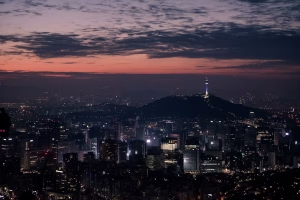
South Korea is a hiker’s paradise, offering some of the best hiking places in South Korea for adventurers of all levels. From towering mountain peaks and scenic coastal walks to lush national parks and urban trails, the country’s landscapes provide endless opportunities for exploration.
Whether you’re a beginner seeking gentle paths or an experienced mountaineer looking for a challenge, South Korea has a variety of hiking trails in South Korea to match every skill level. This guide highlights the top hiking spots in South Korea, covering trail difficulty, distances, costs, essential tips, and must-visit hiking places in South Korea to help you plan an unforgettable adventure.
Suggested Read:How to Check South Korea Visa Status for Indians
19 Best Hiking Places in South Korea
Here are 19 of the best hiking trails in South Korea, ranging from easy jaunts to challenging treks:
- 1. Hallasan, Jeju Island
- 2. Seoraksan National Park
- 3. Jirisan Ridge Hike
- 4. Bukhansan Dulle-gil Trail
- 5. Wolchulsan National Park
- 6. Naejangsan National Park
- 7. Songnisan National Park
- 8. Taebaeksan Mountain Snow Hike
- 9. Gayasan National Park
- 10. Juwangsan National Park
- 11. Odaesan National Park
- 12. Mudeungsan National Park
- 13. Woraksan National Park
- 14. Jirisan Seomjingang River Trail
- 15. Chiaksan National Park
- 16. Seonjaryeong Ridge Hike
- 17. Deogyusan National Park
- 18. Bukhansan Hyangnobong Peak Hike
- 19. Gyeryongsan National Park
- FAQs
1. Hallasan, Jeju Island
Located in the center of Jeju Island, Hallasan is the highest mountain in South Korea (1,947m). There are two main trails to the summit: Seongpanak and Gwaneumsa, both offering spectacular views.
- Difficulty: Moderate to Difficult
- Distance: 9.6 km to the summit (Seongpanak Trail)
- Location: Hallasan National Park, Jeju Island
- Key Tips:
- Start early to beat crowds and heat
- Bring layers for cooler summit temperatures
- Wear sturdy hiking boots
- Check weather conditions before you go

2. Seoraksan National Park
Seoraksan is one of the most famous hiking spots in South Korea, known for its jagged peaks, lush valleys, and vibrant fall colors.
The Ulsanbawi Rock hike is a challenging yet rewarding trail with panoramic views. For a less strenuous option, the Biryong Falls trail offers a scenic walk through the forest.
- Distance: 3-16 km (varies by route)
- Difficulty: Moderate to challenging
- Time required: 2-10 hours
- Location:Gangwon Province
- Key Tips:
- Visit in autumn for stunning foliage
- Book accommodations well in advance
- Bring sun protection and plenty of water
- Check for trail closures/updates
If you’re planning to travel to South Korea, you can apply for a South Korea visa with OneVasco for a fast and hassle-free process.

3. Jirisan Ridge Hike
Jirisan is one of the best hiking places in South Korea, renowned for its long and challenging trails suited for experienced hikers. The park features Cheonwangbong Peak (1,915 m), offering spectacular sunrise views and panoramic landscapes, making it a must-visit destination among hiking spots in South Korea.
- Difficulty: Challenging
- Distance: 45 km (3-4 days)
- Location: Jirisan National Park
- Key Tips:
- Book shelter accommodations in advance
- Prepare for steep terrain and high altitudes
- Pack proper gear and ample food/water
- Hike with a group or inform others of your plans
Suggested Read: India Visa for South Korean Citizens
4. Bukhansan Dulle-gil Trail
Bukhansan is the most popular hiking destination in Seoul, offering trails for all skill levels.
The most famous peak, Baegundae, provides breathtaking views of the city and the surrounding mountains. The well-marked trails make it a great choice for both beginners and seasoned hikers.
- Difficulty: Easy to moderate
- Distance: 21 km (Dulle-gil Trail)
- Location: Bukhansan National Park, Seoul
- Key Tips:
- Visit early or on weekdays to avoid crowds
- Bring a picnic lunch to enjoy at the summit
- Wear sturdy shoes with good traction
- Stay on marked trails
5. Wolchulsan National Park
Saryangdo Island offers some of the most scenic hiking trails in South Korea, with steep, rocky paths winding through pine forests and boulder-strewn terrain. The trails lead to the 436-meter summit of Mireuksan, where hikers are rewarded with breathtaking panoramic views of neighboring islands and the Korean coastline, making it one of the top hiking spots in South Korea.
- Difficulty: Moderate
- Distance: Varies by trail
- Location: Jeollanam Province
- Key Tips:
- Visit Dogapsa Bridge, a thrilling steel suspension bridge
- Wear shoes with good ankle support
- Bring trekking poles for steep sections
- Allow extra time for photo stops
Suggested Read: Hiking in South Korea: Top 20 Best Trails to Explore
6. Naejangsan National Park
Naejangsan bursts into fiery colors each fall, making it one of Korea’s best hiking spots for autumn foliage. An extensive network of trails winds through the park, passing crimson maples, golden ginkgos, and towering waterfalls. Don’t miss Naejangsa Temple with its stone pagodas and 600-year-old nutmeg tree.
- Difficulty: Easy to moderate
- Distance: Varies by trail
- Location: Jeollabuk Province
- Key Tips:
- Visit in autumn for brilliant foliage
- Hike early for the best light and fewer crowds
- Explore Naejangsa Temple and its pagodas
- Bring cash for park entry fees

7. Songnisan National Park
Songnisan National Park is among the best hiking places in South Korea, offering trails that wind through ancient forests and alongside clear mountain streams. Hikers can explore hidden temples and hermitages, ascend to the park’s highest peak, Cheonwangbong (1,058 m), or visit the impressive bronze Buddha at Beopjusa Temple, founded in 553 AD. Its vibrant autumn foliage makes it one of the most popular hiking spots in South Korea.
- Difficulty: Moderate
- Distance: Varies by trail
- Location: Chungcheongbuk Province
- Key Tips:
- Visit Beopjusa Temple, one of Korea’s largest
- Fill up your water bottle at Mountain Springs
- Bring a lunch to enjoy on the trail
- Check bus schedules for transportation
Suggested Read: Historical Places in South Korea: 10 Ancient Sites Indian Travelers Will Love

8. Taebaeksan Mountain Snow Hike
Taebaeksan transforms into a winter wonderland yearly, with snow-dusted pines and icicle-laced rock formations. The 4.3 km Danggol Course is wonderful in winter, winding through snow-muffled forests to Janggunbong Peak. Warm up afterward with Taebaek’s famous buckwheat noodles.
- Difficulty: Easy to moderate
- Distance: 4.3 km round trip (Danggol Course)
- Location: Taebaek, Gangwon Province
- Key Tips:
- Visit in winter for snowy landscapes
- Wear insulated, waterproof boots
- Bring trekking poles for better traction
- Warm up with a bowl of buckwheat noodles after
9. Gayasan National Park
Gayasan is home to one of Korea’s most important Buddhist temples, Haeinsa, where the 13th-century Tripitaka Koreana is stored. Hike past the temple to the 1,430-meter Sangwangbong Peak for sweeping views or trek to Hongryudong Village to see traditional thatched roof homes.
- Difficulty: Moderate
- Distance: Varies by trail
- Location: Gyeongsangnam Province
- Key Tips:
- Visit Haeinsa Temple to see the Tripitaka Koreana
- Fill up water bottles at mountain springs
- Pack out all your trash
- Hike early to avoid crowds
Suggested Read: 25 Incredible Facts About South Korea That Will Blow Your Mind
10. Juwangsan National Park
Juwangsan National Park is one of the best hiking places in South Korea, famous for its towering waterfalls, crystal-clear streams, and rugged rock formations. Hikers can tackle the steep 2.5 km trail to Juwangsan Falls or enjoy the gentler ecological trail that winds past sky-blue pools and lush valleys. Visiting after heavy rains offers the most spectacular waterfall views, making it a top hiking spot in South Korea.
- Difficulty: Easy to moderate
- Distance: Varies by trail
- Location: Gyeongsangbuk Province
- Key Tips:
- Visit after heavy rains to see waterfalls at their fullest
- Wear shoes with good traction
- Bring a waterproof jacket
- Fill up water at mountain springs
Suggested Read: 10 Must-Visit Churches in South Korea
11. Odaesan National Park
Odaesan’s trails wind through ancient fir forests, with options ranging from easy walks to demanding peak climbs. Visit Woljeongsa Temple to see its octagonal nine-story stone pagoda, then continue 1.2 km to Sangwonsa Hermitage. More challenging hikes lead to the park’s highest peaks.
- Difficulty: Easy to challenging
- Distance: Varies by trail
- Location: Gangwon Province
- Key Tips:
- Fill up water bottles at mountain springs
- Visit Woljeongsa Temple’s octagonal stone pagoda
- Bring warm layers for cool mountain temperatures
- Avoid hiking during typhoon season (July-August)
12. Mudeungsan National Park
Mudeungsan’s 1,187-meter peak presides over Gwangju, with trails ranging from easy walks to demanding ridge climbs. In spring, the slopes blaze with colorful royal azaleas, and Jeungsimsa Temple is especially lovely when framed by blossoms. Fill up your water bottles at the many mountain springs.
- Difficulty: Easy to challenging
- Distance: Varies by trail
- Location: Gwangju, Jeollanam Province
- Key Tips:
- Visit in spring to see royal azaleas in bloom
- Bring trekking poles for steep sections
- Allow time to explore Jeungsimsa Temple
- Fill up water bottles at mountain springs
13. Woraksan National Park
Woraksan’s 1,097-meter peak offers commanding views of central Korea. Trails wind past Deokjusanseong, a 1,100-year-old stone fortress wall, and through lush valleys dotted with waterfalls. The park’s extensive trail network means you can opt for a short nature walk or a challenging day hike.
- Difficulty: Moderate
- Distance: Varies by trail
- Location: Chungcheongbuk Province
- Key Tips:
- Visit Deokjusanseong Fortress, an ancient stone wall
- Bring a lunch to enjoy on the trail
- Wear layers for changing mountain weather
- Check bus schedules for transportation
14. Jirisan Seomjingang River Trail
This leisurely riverside walk begins at Hwaeomsa Temple and follows the Seomjingang River past sandy beaches, swimming holes, and small waterfalls.
The flat, easy trail is perfect for a relaxing day hike, especially in summer when you can cool off with a dip in the crystal-clear pools.
- Difficulty: Easy
- Distance: 4.7 km one way
- Location: Gurye, Jeollanam Province
- Key Tips:
- Wear shoes you don’t mind getting wet
- Visit in summer to enjoy swimming holes
- Bring a hat and sun protection
- Don’t forget your camera
Suggested Read: Famous Monuments in South Korea You Must Visit
15. Chiaksan National Park
Chiaksan National Park is one of the best hiking places in South Korea, known for its dramatic landscapes with plunging waterfalls, towering rock walls, and dense forests. Hikers can ascend to Birobong Peak (1,288 m) for panoramic views or take the gentler trail to Guryong Falls. Don’t miss Sangwonsa Temple, home to a 15-meter stone seated Buddha, making Chiaksan a must-visit hiking spot in South Korea.
- Difficulty: Easy to challenging
- Distance: Varies by trail
- Location: Gangwon Province
- Key Tips:
- Allow time to explore Sangwonsa Temple
- Bring trekking poles for steep sections
- Fill up water bottles at mountain springs
- Visit in autumn for colorful foliage
16. Seonjaryeong Ridge Hike
The Seonjaryeong ridge hike is a true workout, ascending steeply through forests before emerging onto an exposed, rocky ridge.
From the 1,157-meter summit, you’ll have unobstructed views of neighboring peaks and valleys. Trekking poles are recommended for the steep, rugged terrain.
- Difficulty: Challenging
- Distance: 9.5 km round trip
- Location: Gangwon Province
- Key Tips:
- Prepare for a challenging, steep trail
- Bring plenty of water and snacks
- Wear shoes with excellent traction
- Check the weather before you go
Suggested Read: Find Out the Best Time to Visit South Korea
17. Deogyusan National Park
Deogyusan’s 1,614-meter Hyangjeokbong Peak is a popular challenge for experienced hikers, but the park offers trails for all levels.
Explore the temple cave of Baengnyeonsa, soak in Deokyu Hot Springs, or stroll the easy Geumgang Valley trail past waterfalls and ponds. Avoid summer monsoon season.
- Difficulty: Easy to challenging
- Distance: Varies by trail
- Location: Jeollabuk Province
- Key Tips:
- Visit Baengnyeonsa Cave, a scenic temple grotto
- Allow time to soak in Deokyu Hot Springs
- Bring a jacket for cooler mountain temperatures
- Fill up water bottles at springs on the trail
18. Bukhansan Hyangnobong Peak Hike
While less visited than Baegundae, Bukhansan’s Hyangnobong Peak still offers a challenging hike and stellar city views.
The steep 4.8 km trail ascends through forests and up rocky outcrops, with some light scrambling required. Bring gloves and wear shoes with excellent grip.
- Difficulty: Moderate to challenging
- Distance: 4.8 km round trip
- Location: Bukhansan National Park, Seoul
- Key Tips:
- Start early to avoid crowds
- Bring gloves for scrambling over rocks
- Wear shoes with excellent traction
- Stay on marked trails
19. Gyeryongsan National Park
Gyeryongsan, one of Korea’s oldest national parks, is known for its unique rock formations and ancient Buddhist temples.
Hike to the 845-meter summit of Cheonhwangbong for views of the surrounding peaks, or visit the park’s many temples and hermitages nestled in the forested slopes.
- Difficulty: Easy to moderate
- Distance: Varies by trail
- Location: Chungcheongnam Province
- Key Tips:
- Visit Donghaksa and Gapsa temples
- Bring a picnic lunch
- Fill up water bottles at mountain springs
- Hike early to avoid midday heat
Suggested Read: South Korea Visa Photo Requirements for Indian Citizens


FAQs
1. Do I need a permit to hike in South Korea?
No, most hiking trails in South Korea do not require a permit. However, some multi-day hikes, like Jirisan’s long-distance trails, may require reservations for shelters.
2. Are hiking trails in South Korea well-marked?
Yes, most trails have clear signage in Korean and English. Maps and guideposts are available in major national parks.
3. Is it safe to hike alone in South Korea?
Yes, hiking is generally safe, but solo hikers should stay on marked trails, inform someone of their plans, and avoid hiking after dark.
4. What is the best time of year to go hiking in South Korea?
Autumn (September-November) is the best season due to pleasant weather and stunning fall foliage. Spring (March-May) is also great for cherry blossoms and mild temperatures.
5. What is the most popular and difficult hiking trail in South Korea?
One of the toughest and most popular trails is Seoraksan’s Dinosaur Ridge leading to Daecheongbong Peak, famous for its steep climbs and rocky terrain. Another challenging hike is Jirisan’s Cheonwangbong Peak, which can take over 10 hours to complete, making both prime destinations for experienced hikers.
6. Are there any biking trails available in South Korea?
South Korea also offers excellent cycling opportunities. The Four Rivers Bike Path, stretching from Seoul to Busan, is a popular route, and many national parks feature designated hiking and biking trails in South Korea for active travelers.
7. Can I camp while hiking in South Korea?
Camping is permitted in designated areas within national parks like Jirisan and Seoraksan, though wild camping is generally not allowed. Many parks provide shelters or lodges for overnight stays, making them convenient hiking spots in South Korea for multi-day adventures.
Suggested Read: South Korea Visa Extension – Step-by-Step Guide