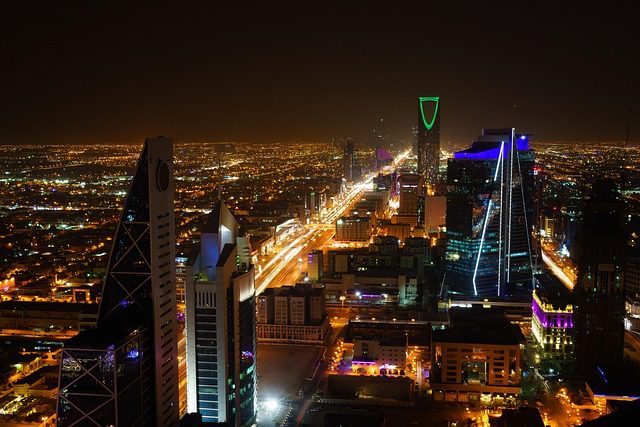
Saudi Arabia holds centuries of history within its borders, showcasing a breathtaking tapestry of culture and heritage. The country’s landscape features everything from prehistoric rock carvings to grand Islamic architecture that spans thousands of years. For Indian travelers eager to explore beyond the usual tourist trail, the historical places of Saudi Arabia offer an authentic journey through ancient civilizations and sacred traditions. This guide highlights the most remarkable historical sites in Saudi Arabia timeless destinations that bring the Kingdom’s past to life and deserve a top spot on your travel itinerary.
10 Historical Places in Saudi Arabia
The following ten sites represent the most significant historical places in Saudi Arabia that are open to visitors. While some religious sites are restricted to Muslims only, most historical attractions welcome tourists of all backgrounds.
- 1. Masmak Fortress (Riyadh)
- 2. Turaif District (Ad Diriyah, Riyadh)
- 3. Murabba Palace (Riyadh)
- 4. Ushaiqer Heritage Village (Near Riyadh)
- 5. Hegra (Madain Saleh, AlUla)
- 6. Jawatha Mosque (Al Ahsa)
- 7. Ibrahim Palace (Al Ahsa)
- 8. Mecca (Masjid al-Haram)
- 9. Medina (Al Masjid an-Nabawi)
- 10. Jubbah Rock Carvings (Hail Province)
- FAQs
1. Masmak Fortress (Riyadh)

The mud-brick Masmak Fortress is one of the most iconic historical landmarks in Saudi Arabia, symbolizing the nation’s unification and heritage. Built in 1865, this impressive clay structure became the site of King Abdulaziz’s legendary 1902 raid that marked the beginning of modern Saudi Arabia. Its thick walls, tall towers, and sturdy gates reflect traditional Najdi defensive architecture, making it one of the most fascinating ancient places in Saudi Arabia to explore for those interested in the Kingdom’s rich history.
Highlights:
- Distinctive triangular-shaped structure with four watchtowers and walls nearly 1 metre thick
- Original wooden gate still bearing the mark of the spear from King Abdulaziz’s famous 1902 raid
- Museum housing historical artefacts, weapons, and photographs documenting Saudi heritage
- Traditional Najdi architectural style showcasing indigenous building techniques
- Surrounded by Al-Dirah souq, offering authentic Saudi crafts and souvenirs
- Family-friendly with educational displays suitable for children
Address: Al Imam Turki Ibn Abdullah Ibn Muhammad, Ad Dirah, Riyadh 12634, Saudi Arabia
Timings: Sunday to Thursday: 8:00 AM – 9:00 PM; Friday: 4:00 PM – 9:00 PM; Saturday: 9:00 AM – 9:00 PM
Fees: Free entry for all visitors
Suggested Read:Saudi Arabia Visa Photo Requirements for Indians
2. Turaif District (Ad Diriyah, Riyadh)

Just outside modern Riyadh lies the UNESCO World Heritage Site of Turaif District in Ad Diriyah, the original capital of the Saudi dynasty.
This area contains one of the most significant historical palaces in Saudi Arabia, with mud-brick structures that tell the story of the first Saudi state established in 1744.
Highlights:
- UNESCO World Heritage Site since 2010, extensively restored to preserve its historical significance
- Home to Salwa Palace, the seat of the Al Saud family during the first Saudi state
- Features several museums displaying artefacts, artworks, and interactive exhibits
- Al-Bujairi district nearby with restaurants serving traditional Saudi cuisine
- Regular cultural performances and traditional craft demonstrations
- Spectacular evening light displays illuminating the ancient mud structures
Address: Al Turaif, Diriyah, Western outskirts of Riyadh, Saudi Arabia
Timings: Saturday to Wednesday: 10:00 AM – 12:00 AM; Thursday: 10:00 AM – 1:00 AM; Friday: 2:00 PM – 1:00 AM
Fees: SAR 100 per person (approximately ₹2,200), Free for children under 13 years
3. Murabba Palace (Riyadh)

Murabba Palace represents Saudi Arabia’s transition into the modern era. Built by King Abdulaziz in the 1930s, this palace expanded beyond the old city walls of Riyadh and introduced modern amenities while maintaining traditional architectural elements.
Highlights:
- Two-story structure built in traditional Najdi style with 32 rooms
- Houses King Abdulaziz’s personal belongings, including his first Rolls-Royce car
- Part of the larger King Abdulaziz Historical Centre complex
- Features detailed exhibits about the king’s life and Saudi Arabia’s development
- Gardens and outdoor spaces showcase traditional Saudi landscaping
- Audio guides are available in multiple languages including English and Hindi
Address: King Abdulaziz Historical Center, Al Murabba, Riyadh 12631, Saudi Arabia
Timings: Saturday to Thursday: 9:00 AM – 12:00 PM, 5:00 PM – 8:00 PM; Friday: 5:00 PM – 8:00 PM
Fees: Entry is generally free, but special exhibitions may have fees (Check locally for current rates)
4. Ushaiqer Heritage Village (Near Riyadh)

Located about 200 km northwest of Riyadh, Ushaiqer Heritage Village is one of the best-preserved traditional settlements in Saudi Arabia. This 1,500-year-old village showcases authentic Najdi architecture and gives visitors a glimpse into pre-oil Saudi life.
Highlights:
- Maze-like streets lined with beautifully preserved mud-brick houses
- Several small museums housed in traditional buildings showing local history
- Ancient mosque dating back hundreds of years still standing in the village center
- Colorful painted wooden doors and windows – a distinctive feature of Najdi architecture
- Local guides from the village families sharing stories passed down through generations
- Traditional marketplace where artisans demonstrate ancient crafts
- Opportunity to sample authentic Najdi cuisine in local family homes
Address: 50, Ushaiqer 15515, Saudi Arabia
Timings: Open 24 hours (Best visited during daylight hours (8:00 AM – 5:00 PM))
Fees: Free entry
5. Hegra (Madain Saleh, AlUla)

Hegra, also known as Madain Saleh, is one of the most breathtaking historical sites in Saudi Arabia and the country’s first UNESCO World Heritage Site. Dating back to the 1st century BCE, it features over 110 stunning rock-cut tombs carved by the Nabataeans—the same ancient civilization behind Petra in Jordan. Often called the “Petra of Saudi Arabia,” Hegra stands out for its remarkably preserved structures and serene desert setting, making it one of the most extraordinary ancient places in Saudi Arabia to visit.
Highlights:
- Over 110 monumental tombs carved into massive rock formations
- Detailed façades showcasing Nabataean architectural mastery
- Inscriptions in ancient languages offering insights into Nabataean culture
- Archaeological remains from the Roman occupation period
- Qasr al-Farid (The Lonely Castle) – the site’s most iconic tomb standing in isolation
- Hijaz Railway Station nearby – remnant of the Ottoman-built railway
- Stargazing opportunities in the desert setting with exceptionally clear night skies
Address: Hegra Archaeological Site, AlUla, Saudi Arabia
Timings: Varies by tour; typically open for guided tours during daylight hours
Fees: Approximately SAR 414 per person (includes guided tour and transport) (About ₹9,100)
Suggested Read:India Visa for Saudi Arabian Citizens
6. Jawatha Mosque (Al Ahsa)

Jawatha Mosque holds the distinction of being one of the earliest mosques built in Islam. Located in the Al Ahsa region, this mosque dates back to the 7th century and is believed to be the second place where Friday prayers were held in Islamic history.
Highlights:
- One of the oldest buildings in Saudi Arabia with portions dating to the early Islamic period
- Built by the Bani Abd al-Qays tribe who were among the first to embrace Islam
- Original prayer direction (qibla) facing Jerusalem before it changed to Mecca
- Partially restored while preserving authentic elements of the original structure
- Surrounded by palm groves typical of the Al Ahsa region
- Archaeological excavations ongoing in the surrounding area
- Spiritual significance for Muslim visitors from around the world
Address: Near Al-Kilabiyah, Al Ahsa, Eastern Province, Saudi Arabia
Timings: Daily: 5:00 AM–9:00 PM; Closed to visitors during prayer times
Fees: Free entry
7. Ibrahim Palace (Al Ahsa)

Ibrahim Palace stands as one of the most impressive historical forts in Saudi Arabia. Built in the 16th century during Ottoman rule, this fortress complex served both military and administrative functions in the Al Ahsa region.
Highlights:
- Blend of Ottoman Turkish and local architectural styles
- Features a mosque, bathhouse (hammam), and prison within the complex
- Distinctive domes and arches showcasing Islamic architectural principles
- Watchtowers offering panoramic views of the surrounding oasis
- Houses a museum with exhibits on the region’s history
- Regular cultural events and traditional performances
- Beautiful courtyard with traditional seating areas and shade trees
Address: Al Qaisariyah, Hofuf, Al Ahsa, Eastern Province, Saudi Arabia
Timings: Check locally; generally open during daylight hours
Fees: Small entrance fee (varies; check before visiting) (Approximately ₹200-400)
Suggested Read:How To Check Saudi Arabia Visa Status In India
8. Mecca (Masjid al-Haram)

The holiest site in Islam, Masjid al-Haram (the Grand Mosque) in Mecca, houses the Kaaba and forms the focal point for Muslim prayer worldwide.
While only accessible to Muslim visitors, it represents one of the most historically significant tourist attractions in Saudi Arabia for Muslim Indian travelers.
Highlights:
- Houses the Kaaba – the most sacred structure in Islam
- Largest mosque globally, accommodating up to 4 million worshippers during Hajj
- Black Stone (Hajar al-Aswad) – revered relic set in the eastern corner of the Kaaba
- Zamzam Well – an ancient water source believed to have miraculous properties
- Safa and Marwa hills within the mosque complex where pilgrims perform ritual walking
- Massive white marble courtyard surrounding the central area
- Spectacular architecture featuring numerous minarets and domes
- Continuous expansion projects to accommodate the growing number of pilgrims
Address: Al Haram, Mecca, Saudi Arabia
Timings: Open 24 hours (Note: Access restricted to Muslims only)
Fees: Free entry
9. Medina (Al Masjid an-Nabawi)

The Prophet’s Mosque in Medina ranks as the second-holiest site in Islam and one of the most significant historical places in Saudi Arabia.
Built by Prophet Muhammad himself in 622 CE, the site has been expanded numerous times but maintains its spiritual significance as the Prophet’s burial place.
Highlights:
- The second-holiest site in Islam after Masjid al-Haram in Mecca
- Houses the tomb of Prophet Muhammad and two of his closest companions
- Iconic Green Dome marking the Prophet’s burial place
- Capacity for over a million worshippers after numerous expansions
- Remarkable Islamic architecture with intricate calligraphy and ornamentation
- 10 minarets and 27 sliding domes that open to allow natural ventilation
- Raudah (Garden of Paradise) – the especially sacred area within the mosque
- Museum displaying Islamic artifacts and the history of the mosque’s development
Address: Al Haram, Medina, Saudi Arabia
Timings: Open 24 hours (Note: Access restricted to Muslims only)
Fees: Free entry
Suggested Read:How to Book a Visa Appointment for Saudi Arabia
10. Jubbah Rock Carvings (Hail Province)

Located in the northwestern region of the country, the Jubbah Rock Carvings stand among the most intriguing historical landmarks in Saudi Arabia. These ancient petroglyphs, etched into sandstone cliffs thousands of years ago, depict scenes of hunting, animals, and early human life, offering a remarkable window into the prehistoric culture of the Arabian Peninsula. For travelers seeking to explore ancient places in Saudi Arabia, Jubbah remains a must-visit site that beautifully connects art, history, and archaeology.
Highlights:
- UNESCO World Heritage Site featuring petroglyphs and inscriptions dating back over 7,000 years
- Depictions of animals now extinct in the Arabian Peninsula, including lions and giraffes
- Human figures showing hunting scenes and daily life activities
- Evidence of an ancient lake that once made this desert area habitable
- Various writing systems documented, including early Arabic scripts
- Visitor center with educational displays explaining the site’s significance
- Guided tours providing context about prehistoric Arabian cultures
Address: Jubbah, Hail Province, Saudi Arabia
Timings: Open during daylight hours
Fees: Free entry
Suggested Read:Reasons for Saudi Arabia Visa Rejection for Indian Nationals


FAQs
Which are the best places to visit in Saudi Arabia?
The best historical sites in Saudi Arabia include Hegra’s Nabataean tombs, Masmak Fortress, and UNESCO-listed Al Turaif. Also visit the Edge of the World, Red Sea reefs, and Riyadh’s Kingdom Centre Tower for modern contrasts.
Which are the best things to do in Saudi Arabia?
Top things to do include exploring Hegra, visiting historical forts in Saudi Arabia like Masmak, touring heritage villages, performing Umrah, desert camping, shopping in souqs, attending festivals, and enjoying local dishes like kabsa and mandi.
What is the best time to visit Saudi Arabia?
The best time to visit historical places in Saudi Arabia is November to February, with mild weather ideal for exploring. Avoid May–September heat and Hajj season due to crowds and restricted access in Mecca and Medina.
Are there rental and transfer facilities in Saudi Arabia?
Saudi Arabia offers car rentals, ride-hailing apps, and SAPTCO buses for tourist attractions in Saudi Arabia. Domestic flights and guided tours to historical sites are also available, with tours costing SAR 500–1,500 per day.
Does Saudi Arabia have any historical sites?
Saudi Arabia has many famous historical places in Saudi Arabia, including 6 UNESCO sites like Hegra, Al-Turaif, and Hail’s rock art. The country also features ancient forts, early mosques, trade route stations, and prehistoric rock carvings.
What is the oldest place in Saudi Arabia?
The oldest places in Saudi Arabia include Jubbah and Shuwaymis, home to prehistoric rock art over 10,000 years old. Other ancient places in Saudi Arabia like Tayma (dating back to 6,000 BCE), the Nabataean tombs of Hegra, and the Jawatha Mosque from early Islamic history also showcase the nation’s deep historical roots.
What to wear in Saudi Arabia?
When visiting historical sites in Saudi Arabia, modest dress is essential. Women should cover shoulders and knees, while men should avoid shorts. Opt for light, breathable clothing, carry a scarf for visiting mosques, and wear comfortable shoes and sun protection when exploring desert historical landmarks in Saudi Arabia.
Is Saudi Arabia expensive to visit?
Traveling to historical places of Saudi Arabia is moderately priced. Budget accommodations start at SAR 150, meals at SAR 15, and most historical sights in Saudi Arabia have entry fees between SAR 0–100. Costs may increase for remote destinations like Hegra, which often require guided tours.
Suggested Read: Saudi Arabia Visa For Indians – Fees, Process, Requirement