Saudi Arabia recorded 116 million tourists in 2024, according to the Ministry of Tourism. The Kingdom has rapidly become a global destination with heritage sites, modern megaprojects, and sacred Islamic cities. But timing your visit poorly can turn an exciting trip into a difficult experience. The worst time to visit Saudi Arabia falls during the summer months from June through September.
Temperatures regularly exceed 45°C across most regions. Riyadh can reach 50°C on extreme days. Outdoor activities become nearly impossible during daylight hours. This article covers the challenging periods for Saudi Arabia travel. You’ll find details about summer heat dangers, Hajj pilgrimage crowds, sandstorm seasons, and practical ways to manage trips when you must travel during these difficult times.
What is the Worst Time to Visit Saudi Arabia?

Saudi Arabia has a desert climate across most of its territory. The country experiences extreme temperature variations between seasons. Summer brings punishing heat, while winter offers mild and pleasant conditions.
The worst months to visit Saudi Arabia run from June through September. July and August represent the peak of summer intensity. Riyadh records average highs of 43-44°C during these months. The record temperature of 51.3°C was recorded at Hufuf station in July 2024.
Coastal areas like Jeddah and Dammam add humidity to the heat equation. Temperatures reach 39-41°C but feel far worse due to the moisture in the air. Even nighttime offers little relief as temperatures remain above 29°C.
The Ministry of Tourism notes that the official tourist season runs from October through March. This period brings temperatures between 15°C and 30°C across most regions. Cultural events like Riyadh Season and the Winter at Tantora Festival in AlUla take place during these cooler months.
Suggested Read: Saudi Arabia Visa For Indians – Fees, Process, Requirement
Dangerous Summer Heat (June to September)

Saudi Arabia’s summer represents the worst weather in Saudi Arabia for any outdoor tourism. The country sits within one of the hottest climate zones on Earth. Understanding these conditions helps explain why this represents such a bad time to travel to Saudi Arabia.
Temperature Data by City
| City | June Avg High | July Avg High | August Avg High | Night Low |
| Riyadh | 42.5°C | 43.5°C | 43.6°C | 29°C |
| Jeddah | 38°C | 39.4°C | 39°C | 30°C |
| Dammam | 43°C | 45°C | 44°C | 30°C |
| Medina | 42°C | 43°C | 42°C | 28°C |
| Mecca | 43°C | 44°C | 43°C | 29°C |
Health Risks During Summer
The extreme heat creates serious health concerns for visitors:
- Heat exhaustion and heatstroke become genuine dangers
- UV index reaches maximum levels of 12 throughout the summer
- Dehydration occurs rapidly without constant water intake
- Outdoor sightseeing becomes impossible between 10 AM and 5 PM
- Even short walks outside feel exhausting within minutes
During the 2024 Hajj pilgrimage, temperatures soared to 51.8°C in Mecca. More than 1,300 pilgrims died due to heat-related causes. Saudi officials treated over 2,000 people for heat stress during this period.
Apply for your Saudi Arabia visa online with OneVasco for a secure and effortless application experience.
Coastal Humidity Problems
Jeddah experiences extreme humidity from May through October. The combination of 38-40°C heat with high moisture levels creates oppressive conditions. The Persian Gulf coast around Dammam faces similar challenges with sea temperatures reaching 32°C in summer.
Summer months see hotels reduce rates significantly. Some tourist facilities close altogether. Few organized tours operate during June through September. The Kingdom essentially pauses much of its tourism activity until temperatures drop.
Suggested Read: Saudi Arabia Visa Photo Requirements – Size & Guidelines for Indian Citizens
Hajj Pilgrimage Period Crowds

The annual Hajj pilgrimage creates the most crowded time in Saudi Arabia. Nearly 1.84 million pilgrims performed Hajj in 2024. This concentration of visitors in Mecca and the surrounding areas creates unique travel challenges even for non-pilgrims.
Hajj Dates and Impact
Hajj occurs during Dhul-Hijjah, the twelfth month of the Islamic lunar calendar. The dates shift approximately 10-11 days earlier each year on the Gregorian calendar.
| Year | Approximate Hajj Dates |
| 2025 | June 4-9 |
| 2026 | May 18-23 |
| 2027 | May 7-12 |
The 2025 Hajj marks the last summer pilgrimage for 16 years. Starting in 2026, the dates will shift into spring, then winter seasons through 2042.
Travel Restrictions During Hajj
Saudi Arabia implements strict controls during the Hajj season:
- Non-Muslims cannot enter Mecca at any time
- Tourist and business visa holders are restricted from entering Mecca during the Hajj
- Umrah permits are suspended from late April through mid-June
- Special entry permits are required for residents to access holy areas
- Accommodation prices in nearby cities increase substantially
In 2024, Saudi Arabia welcomed 16.9 million foreign Umrah pilgrims and 1.61 million foreign Hajj pilgrims. These numbers concentrate heavily around Mecca and Medina but affect hotels, flights, and services across the western region.
When not to visit Saudi Arabia includes the weeks surrounding Hajj if you’re planning to explore the western provinces. Jeddah hotels fill quickly. Domestic flights to the region become expensive and limited. Traffic congestion increases throughout the area.
Suggested Read: 11 Buildings in Saudi Arabia Every Traveler Should Visit
Spring Sandstorm Season

Saudi Arabia experiences sandstorms primarily from late February through mid-July. Research indicates 2-3 sandstorm episodes occur per month during peak season. These events can severely disrupt travel plans.
Sandstorm Characteristics
| Factor | Details |
| Peak Season | February to June |
| Frequency | 2-3 storms monthly |
| Wind Speeds | Up to 96 km/hour |
| Visibility | Can drop to near zero |
| Duration | Hours to several days |
The eastern regions around Al-Ahsa and Hafr Al-Batin experience the highest frequency of sandstorms. Riyadh also faces regular dust events during spring. The Shamal winds blow across the Gulf region, carrying sand and dust from Iraqi and Arabian deserts.
Impact on Travelers
Sandstorms create practical problems such as:
- Flights get grounded or diverted
- Road travel becomes dangerous with poor visibility
- Outdoor attractions close without warning
- Respiratory issues affect sensitive travelers
- Photography and outdoor activities become impossible
- Sand infiltrates luggage and electronics
Saudi Arabia’s worst travel months for sandstorm concerns span March through May. Spring brings the most frequent and intense dust events. The combination of sandstorms with rising temperatures makes this period challenging.
However, Saudi Arabia has reported significant improvements in recent years. The Sand and Dust Storm Regional Center announced a 53% decrease in storm frequency from January to July 2025 compared to historical averages. Environmental initiatives under Vision 2030 have contributed to these improvements.
Suggested Read: Top Shopping Malls in Saudi Arabia You Must Visit
How to Manage Travel During Difficult Periods

Sometimes travel dates remain fixed despite difficult conditions. Business requirements or family events may bring you to Saudi Arabia during challenging seasons. Proper preparation makes these trips manageable.
Summer Heat Survival Strategies
| Approach | Implementation |
| Plan Indoor Days | Schedule museums and malls during midday |
| Early Starts | Begin outdoor activities at sunrise |
| Constant Hydration | Carry water everywhere, drink before thirst |
| Light Clothing | Wear loose, breathable fabrics |
| Cool Accommodations | Book hotels with reliable air conditioning |
Climate-Controlled Venues Worth Visiting
Summer heat does not have to ruin your Saudi Arabia trip. These air-conditioned spots let you experience the country’s culture, history, and entertainment without breaking a sweat.
- National Museum of Saudi Arabia (Riyadh) – This museum covers Saudi history from prehistoric times through the modern era. Eight galleries spread across 28,000 square meters.
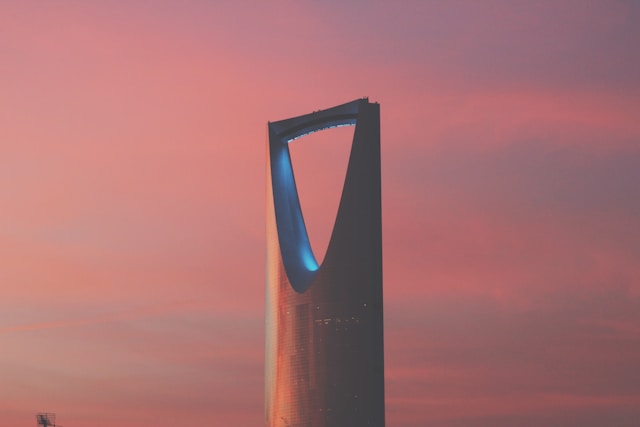
- Kingdom Centre Tower (Riyadh) – The iconic skyscraper includes a shopping mall with international brands. The Sky Bridge observation deck offers city views in air-conditioned comfort.
- Red Sea Mall (Jeddah) – One of the largest malls in Saudi Arabia with over 400 stores. Entertainment zones, restaurants, and indoor activities provide a full-day escape from the heat.
- Masmak Fortress (Riyadh) – This historic clay and mud-brick fortress stays relatively cool inside. The museum tells the story of the Saudi state’s founding.
- AlUla Museum (AlUla) – Modern museum showcasing the region’s archaeological heritage. Air-conditioned galleries display artifacts from Nabataean and other ancient civilizations.
- Mall of Arabia (Jeddah) – Entertainment complex with cinema, bowling, and family attractions. Indoor activities keep visitors comfortable during the summer months.
- Ithra (Dhahran) – King Abdulaziz Center for World Culture offers exhibitions, theater, and a library. Stunning architecture with full climate control.
- Diriyah Gate (Riyadh) – The restored historic district includes museums and cultural venues. Evening visits during summer allow outdoor exploration after sunset.
Emergency Contacts
| Service | Number |
| Emergency | 911 |
| Police | 999 |
| Ambulance | 997 |
| Civil Defense | 998 |
| Traffic Accidents | 993 |
Ramadan Considerations
Ramadan dates shift annually like the Hajj. During this month, restaurants close during daylight hours. Tourist sites may operate reduced hours. Non-Muslims should avoid eating, drinking, or smoking in public during fasting hours. Business activity slows considerably.
Suggested Read: Exploring Saudi Arabia Monuments: From Ancient Wonders to Modern Marvels


FAQs
Which months have the hottest temperatures in Saudi Arabia?
July and August are scorching across Saudi Arabia. Riyadh averages 43-44°C during these months, and Dammam pushes up to 45°C. If you want to enjoy any kind of outdoor experiences, these are the worst months to visit Saudi Arabia.
Is the Hajj period a bad time to travel to Saudi Arabia?
For non-pilgrims, it really is. Hajj creates extreme crowding in western Saudi Arabia, and Mecca closes entirely to non-Muslims. Jeddah and nearby areas face hotel shortages and inflated prices. Unless you are performing the pilgrimage, this is a bad time to travel to Saudi Arabia for regular tourism in that part of the country.
When do sandstorms occur most frequently?
Sandstorms sweep through Saudi Arabia from late February to mid-July. March through May sees the worst of it, with 2-3 storms hitting every month. Spring is when not to visit Saudi Arabia if dust events concern you or if you have respiratory issues.
What is the best and worst time to visit Saudi Arabia?
The best and worst time to visit Saudi Arabia really comes down to what you want from your trip. November through March brings pleasant temperatures and major cultural events. June through September delivers dangerous heat that keeps you indoors. Spring sits somewhere in between, with warming temperatures and sandstorm risks complicating things.
How hot does it actually get in summer?
Riyadh regularly crosses 43°C in July and August. Hufuf hit 51.3°C in July 2024, and Mecca recorded 51.8°C during that year’s Hajj. This kind of extreme heat creates the worst weather in Saudi Arabia and puts your health at serious risk if you are not careful.
Can I still enjoy Saudi Arabia during summer?
You can, but it takes planning. Stick to indoor attractions during daylight and save outdoor activities for early morning or after sunset. Saudi Arabia has excellent malls, museums, and cultural centers with strong air conditioning. You will also find lower prices during the summer, though your options shrink considerably.
Which regions stay cooler in summer?
Highland areas around Abha and Taif give you a break from the heat. Abha sits at 2,000 meters and averages around 30°C in summer. These mountain towns fill up with locals escaping the lowland temperatures during Saudi Arabia’s worst travel months, so book accommodation early.
Should I completely avoid Saudi Arabia during difficult periods?
Not at all. Knowing the worst time to visit Saudi Arabia helps you prepare, not cancel your plans. If you travel during summer, build your itinerary around indoor activities and evening excursions. During Hajj, head to eastern regions away from pilgrimage routes. With the right expectations and preparation, you can have a rewarding trip any time of year.