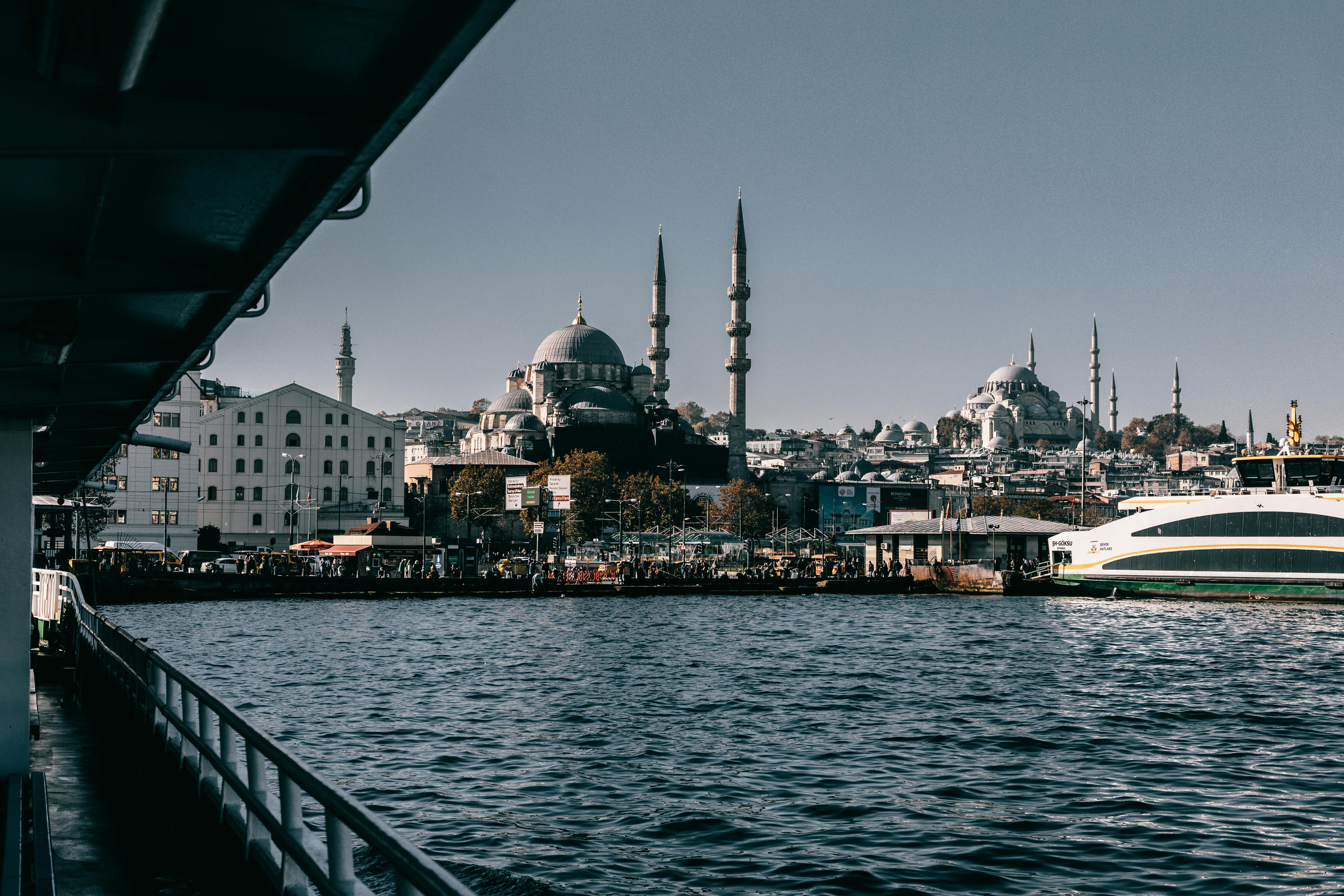
Turkey pulled in over 62 million visitors in 2024, and that number keeps climbing. But not every month treats tourists kindly here. July and August are the worst time to visit Turkey for most travelers. You get extreme heat that regularly crosses 40°C, wildfire smoke drifting across coastal resorts, and crowds so thick you will spend more time waiting than sightseeing.
This guide breaks down exactly when not to visit Turkey and why. You’ll learn about dangerous summer heat conditions, wildfire season risks, peak season overcrowding issues, and practical tips for managing travel during these challenging periods.
What is the Worst Time to Visit Turkey?

The worst time to visit Turkey falls into three challenging periods: extreme summer heat (July-August) with temperatures exceeding 47°C (117°F), wildfire season (May-October) causing evacuations and air quality emergencies, and peak tourist overcrowding when daily arrivals exceed 200,000 visitors.
Among these, extreme summer heat poses the greatest risks. The Turkish State Meteorological Service confirmed that 2024 was Turkey’s hottest year on record, with average temperatures reaching 15.6°C, 1.7 degrees above normal. The worst months to visit Turkey coincide with these dangerous heat waves that affect nearly every region.
Suggested Read: Turkey Visa Extension for Indians
Extreme Summer Heat (July to August): Primary Concerns

Turkey’s summer months deliver punishing temperatures that make July and August the worst months to visit Turkey. The combination of record heat, health emergencies, and infrastructure strain creates hazardous conditions for international travelers.
Temperature Extremes
| Region | Average Summer Temperature | Peak Temperature (2024) |
| Southeastern Anatolia | 31.1°C | 47.8°C (Şanlıurfa) |
| Marmara Region | 28°C | 41.4°C (Edirne) |
| Central Anatolia | 26°C | 40°C (Polatlı) |
| Black Sea Region | 23°C | 40.7°C (Amasya) |
| Eastern Anatolia | 27°C | 40.9°C (Ergani) |
| Mediterranean Coast | 29-35°C | 40°C+ |
Activity Restrictions
Extreme summer conditions force outdoor attractions to implement safety measures. Historic sites like Ephesus and Hierapolis become unbearable during midday hours when temperatures peak.
The Turkish State Meteorological Service recorded June 2024 as the hottest June in 53 years. Average temperatures hit 25.4°C, a full 3.6°C above normal levels.
Beach activities carry serious UV exposure risks during peak summer. Popular coastal destinations like Antalya, Bodrum, and Marmaris report frequent heat-related medical incidents.
Economic Impact
| Cost Category | Low Season (Nov-Mar) | Peak Summer (Jul-Aug) |
| Hotel Accommodation | $30-50+/night | $80-150+/night |
| Domestic Flights | $40-70+ | $100-180+ |
| Hot Air Balloon (Cappadocia) | $150-200+ | $250-350+ |
| Guided Tours | $50-80+ | $120-180+ |
Please note: These numbers represent estimated costs, not official pricing.
Health Dangers
Heat-related health risks spike dramatically during Turkey’s summer months. The Turkish Meteorological Service data shows that heat waves are becoming more frequent, with an increasing number of days above 40°C in many regions.
Primary health concerns include:
- Heat stroke incidents occurring within hours of outdoor exposure
- Severe dehydration requiring emergency medical treatment
- UV radiation burns develop in under 20 minutes
- Emergency services are becoming overwhelmed during heat events
- Humidity levels are worsening heat discomfort in coastal areas
Suggested Read: Turkey In February: Your Complete Guide to Weather, Festivals & Authentic Experiences
Planning to explore Turkey? Apply for your Turkey visa through OneVasco for a smooth and efficient application process.
Wildfire Season Disruptions

Turkey’s wildfire season spans from May to October, with peak danger occurring during summer when extreme temperatures combine with dry conditions. This extended period represents some of the worst weather in Turkey, as fires regularly force evacuations and create serious air quality problems across tourist regions.
Complete Regional Evacuations
During active wildfire periods, entire areas become inaccessible as authorities issue evacuation orders and shut down transportation. In August 2024, nearly 4,000 residents were evacuated from western Turkey, including popular areas around İzmir.
The 2024 wildfire season saw 131 wildfires break out across İzmir, Manisa, Bolu, and Aydın provinces in a single week. In June 2024, wildfires in Diyarbakır province killed at least 12 people and caused 78 injuries.
More recently, over 50,000 people were evacuated from İzmir province in the summer of 2025 due to rapidly spreading fires.
Tourism Impact Assessment
| Impact Factor | Description |
| Airport Closures | İzmir Adnan Menderes Airport closed temporarily due to smoke; flights were delayed up to 21 hours |
| Hotel Evacuations | Over 4,000 tourists evacuated by sea from Bodrum hotels during the 2021 fires |
| Air Quality | Thick smoke blankets coastal resorts, affecting breathing and visibility |
| Transportation | Buses and shuttles rerouted to avoid evacuation zones and fire fronts |
| Insurance Claims | Increased claims for trip cancellations and emergency evacuations |
Benefits vs. Complications for Travelers
| Aspect | Benefits | Complications |
| Timing | Some travelers find reduced prices in fire-affected areas | Unpredictable closures and evacuations disrupt plans |
| Safety | Emergency services are well-coordinated | Smoke inhalation risks even in unaffected areas |
| Flexibility | Last-minute deals may appear | Insurance complications if warnings are issued |
| Information | Real-time alerts available via AFAD | Rapidly changing conditions create uncertainty |
Suggested Read: Turkey In January: Weather, Festivals, Things To Do & More
Peak Season Tourist Overcrowding Challenges

Turkey’s peak tourism period creates overwhelming visitor concentrations that establish July and August as the most crowded time in Turkey. Infrastructure systems struggle under excessive demand, and quality experiences become difficult to secure.
In July 2024, Turkey welcomed approximately 7.33 million visitors, the highest monthly figure on record. August followed with 6.83 million arrivals. During peak summer months, daily arrivals exceed 200,000 travelers.
Common Difficulties You Face During Peak Season in Turkey
- Booking impossibility: Premium hotels and restaurants require 6+ months’ advance reservations at popular destinations
- Site accessibility: Major attractions like Hagia Sophia and the Blue Mosque implement crowd control measures
- Transportation paralysis: Ferries and domestic flights experience delays and overcapacity issues
- Service deterioration: Restaurant and hotel staff become overwhelmed, reducing attention and quality
- Photography obstacles: Iconic locations in Cappadocia, Pamukkale, and Istanbul are filled with crowds
- Price surges: Accommodation costs rise 40-50% above shoulder season rates
Suggested Read: Turkey With Kids: Your Complete Family Adventure Guide
How to Manage Travel During Difficult Periods

When circumstances require visiting during the worst time to visit Turkey, strategic preparation can make challenging periods more manageable. Each problematic timeframe demands specific approaches designed for Turkey’s diverse regional conditions.
Health Protection Protocols
| Protection Measure | Details |
| Hydration | Carry a minimum of 2-3 liters of water daily; avoid alcohol during peak heat |
| Sun Protection | Use SPF 50+ sunscreen; reapply every 2 hours during outdoor activities |
| Activity Timing | Schedule outdoor sightseeing for early morning (before 10 AM) or evening (after 5 PM) |
| Clothing | Wear loose, light-colored, breathable fabrics; cover head and neck |
| Rest Periods | Take breaks in air-conditioned spaces during 12 PM – 4 PM heat |
| Emergency Kit | Pack electrolyte packets, cooling towels, and basic first-aid supplies |
Climate-Controlled Activity Options
When Turkey’s summer heat becomes unbearable, these premium indoor venues provide comfortable environments where you can stay safe during extreme conditions.
- Istanbul Archaeology Museums – Houses over one million artifacts spanning Sumerian, Babylonian, Hittite, and Roman civilizations. Air-conditioned galleries include the famous Alexander Sarcophagus and the Treaty of Kadesh tablet. Provides cultural immersion during extreme heat periods.
- Hagia Sophia Grand Mosque – Former cathedral turned mosque with massive interior spaces offering relief from outdoor temperatures. Features stunning Byzantine mosaics and Ottoman additions. Visit early morning to avoid both heat and crowds.
- Zeugma Mosaic Museum (Gaziantep) – World’s largest mosaic collection displayed in modern, climate-controlled galleries. Houses the famous “Gypsy Girl” mosaic. Perfect for escaping southeastern Turkey’s intense summer heat.
- Basilica Cistern (Istanbul) – Underground Byzantine cistern maintained at cool temperatures year-round. Features 336 marble columns and atmospheric lighting. Ideal escape when surface temperatures become unbearable.
- Istanbul Modern Art Museum – Contemporary art museum with climate-controlled galleries overlooking the Bosphorus. Rotating exhibitions and permanent collections provide hours of comfortable exploration.
- Forum Istanbul Shopping Center – Large entertainment and shopping complex with international brands, restaurants, and cinema. The multi-level climate-controlled facility includes an aquarium and an indoor amusement park.
- Rahmi M. Koç Museum (Istanbul) – Industrial and transportation museum housed in historic buildings. Air-conditioned exhibit halls display vintage cars, trains, planes, and maritime vessels.
- Sabancı Museum (Istanbul) – Art museum featuring Turkish calligraphy and paintings in a waterfront mansion. Climate-controlled galleries showcase Ottoman masterpieces away from summer heat.
- Antalya Museum – One of Turkey’s largest museums displaying artifacts from the ancient Lycian, Pamphylian, and Phrygian civilizations. Temperature-controlled galleries provide refuge from Mediterranean coast heat.
Wildfire Season Preparation
Traveling during Turkey’s wildfire season requires special safety preparations since fires can spread rapidly and force sudden evacuations. Keep these guidelines in mind when visiting fire-prone areas.
- Monitor AFAD (Turkey’s Disaster and Emergency Management Authority) for real-time fire alerts and evacuation orders
- Purchase comprehensive travel insurance covering wildfire-related cancellations and emergency evacuations
- Book accommodations with confirmed fire safety protocols and clear evacuation procedures
- Download the AFAD mobile app for instant emergency notifications and alerts
- Prepare an emergency kit, including N95 masks for smoke protection and copies of important documents
- Keep the vehicle fuel tank at least half full for potential emergency departures
Peak Season Crowd Management
Turkey’s summer months bring overwhelming tourist crowds that can diminish your vacation experience at major attractions. However, with smart planning, you avoid the worst congestion while still enjoying Turkey’s top sites.
Reserve Everything Beforehand:
- Reserve accommodations 6-12 months ahead for guaranteed availability in Istanbul, Cappadocia, and coastal resorts
- Purchase timed-entry tickets for popular attractions through official Turkish tourism platforms
- Book restaurant tables 4-6 weeks before arrival at well-known establishments
- Secure domestic flight tickets early, as routes to Antalya and coastal destinations fill quickly
- Schedule activities for dawn hours to minimize crowd encounters
- Consider alternative airports like Sabiha Gökçen instead of Istanbul Airport to reduce congestion
How to Deal With Transportation:
- Download official Turkish transportation apps for real-time ferry and bus schedules
- Book intercity transportation well in advance; travel times can double during peak periods
- Consider overnight bus services to maximize daytime touring opportunities
- Use the Marmaray rail tunnel to cross between European and Asian Istanbul quickly
- Book private transfers for time-sensitive connections between destinations
- Learn alternative routes through local tourism information centers
Emergency Contact Information
| Service | Contact Number |
| Emergency Services (Police, Fire, Medical) | 112 |
| AFAD (Disaster Management) | 122 |
| Tourist Police (Istanbul) | +90 212 527 4503 |
| Turkish Coast Guard | 158 |
| Roadside Assistance | 159 |
| British Embassy (Ankara) | +90 312 455 3344 |
| U.S. Embassy (Ankara) | +90 312 455 5555 |
Suggested Read: Turkey Visa Rejection for Indian Nationals


FAQs
What are the hottest months in Turkey?
July and August get brutally hot across Turkey. The Turkish State Meteorological Service confirmed 2024 as the hottest year in 53 years, with southeastern regions hitting 47.8°C. Most of the country regularly crosses 40°C during these months, which is why they rank as the worst months to visit Turkey for heat-sensitive travelers.
When is wildfire season in Turkey?
Wildfires threaten Turkey from May through October, though July and August bring the most danger. Summer 2024 saw an 80% jump in wildfires compared to the previous year, and the İzmir region was hit especially hard, with evacuations happening every season. If you are planning a coastal holiday, this is a bad time to travel to Turkey.
What is the most expensive time to visit Turkey?
July and August will drain your travel budget quickly. Hotel rates climb 40-50% above shoulder season prices, and flights can cost 100-150% more than usual. If you are trying to stretch your money, this is when not to visit Turkey unless you have no other option.
How dangerous are Turkish wildfires for tourists?
The Turkish wildfires pose serious risks that you should not ignore. Over 50,000 people were evacuated from İzmir in 2024 alone, and the 2021 season burned nearly 1,600 square kilometers, making it Turkey’s worst on record. Airports have shut down, hotels have been evacuated, and at least 12 people have died from fires in recent years.
When is the most crowded time in Turkey?
June through August is the most crowded time in Turkey, with July 2024 breaking records at 7.33 million visitors in a single month. Istanbul, Cappadocia, and Antalya feel this pressure the most during Turkey’s worst travel months, so you will need to book everything well in advance if you visit then.
Which regions have the worst weather in Turkey?
Southeastern Anatolia faces the worst weather in Turkey during summer, with temperatures pushing past 47°C. Central Anatolia also bakes in extreme heat, and the Mediterranean coast adds uncomfortable humidity on top of high temperatures. Eastern Turkey has the opposite problem in winter, when temperatures drop below -15°C.
What is the best and worst time to visit Turkey?
The best and worst time to visit Turkey comes down to when you book your trip. April through June and September through October bring comfortable temperatures around 20-28°C along with manageable crowds. July and August sit at the opposite end, delivering extreme heat, wildfire risks, and overwhelming tourist numbers all at once.
Which month should tourists completely avoid in Turkey?
August is the worst time to visit Turkey for almost everyone. Heat peaks across the country, wildfire danger reaches its highest point, and prices soar at every destination. Temperature records fell across multiple regions in 2024, and tourist numbers pushed infrastructure to the breaking point. You end up paying more while enjoying far less.