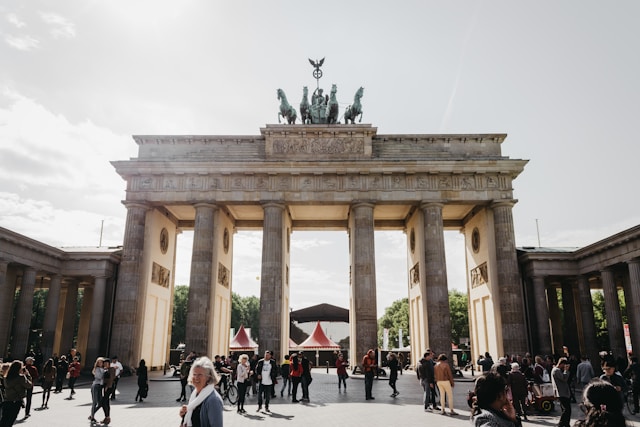
Germany pulls in millions of visitors every year, and for good reason. But picking the wrong dates can turn your dream trip into a frustrating experience. The worst time to visit Germany usually falls during two stretches. You have the cold, grey winter months on one side and the overcrowded summer peak on the other, when prices spike, and popular spots feel overwhelming.
This guide walks you through each difficult travel window. We cover temperature ranges, daylight hours, crowd levels, and what to do if your schedule forces travel during these tricky periods.
What is the Worst Time to Visit Germany?

Your timing can make or break a Germany trip. January and February bring bitter cold and limited daylight, while July and August pack every major attraction with tourists. Both windows create headaches, just in very different ways.
January stands out as particularly tough. Temperatures regularly drop below freezing, darkness falls by 4:30 PM, and grey skies dominate for weeks. Meanwhile, July and August pack in the most crowded time in Germany, with nearly 9 million visitor arrivals across these two months alone in 2024.
| Period | Temperature Range | Main Drawbacks |
| Deep Winter (Jan-Feb) | -5°C and 5°C (23°F to 41°F) | Limited daylight, freezing cold, grey skies |
| Peak Summer (Jul-Aug) | 16°C to 28°C (60°F to 82°F) | Maximum crowds, inflated prices |
| Grey Transition (November) | 2°C to 9°C (35°F to 48°F) | Fog, early darkness, damp weather |
Suggested Read: Germany Visa for Indians – Everything You Need to Know
Apply for your Germany visa online with OneVasco for a secure and effortless application experience.
Dark and Cold Winter Period (January to February)

The coldest stretch represents the worst months to visit Germany for most travelers. January and February bring freezing temperatures, persistent cloud cover, and severely limited daylight that can dampen even the most determined sightseeing plans.
Temperature Breakdown
| City | January Average Low | January Average High |
| Berlin | -2°C to -3°C (28°F to 27°F) | 3°C to 5°C (37°F to 41°F) |
| Munich | 24°F to 26°F (-4°C to -3°C) | 3°C (37°F) |
| Hamburg | 0°C (32°F) | 4°C (39°F) |
| Frankfurt | 0°C to -1°C (32°F to 30°F) | 4°C (39°F) |
Daylight Challenges
Berlin receives roughly 8 hours of daylight during December and January. Sunset arrives around 4 PM, leaving afternoons dark and limiting outdoor exploration time. This creates genuine difficulties for photographers and anyone hoping to pack activities into their days.
The German Weather Service (DWD) reported that 2024’s winter brought unusually high precipitation, with the hydrological winter half-year (November 2023 to April 2024) ranking as the wettest since measurements began.
Impact on Tourism Activities
| What Works | What Doesn’t |
| Indoor museums stay warm and welcoming | Outdoor markets close after Christmas |
| Lower hotel rates compared to peak season | Many attractions reduce operating hours |
| Fewer queues at major sites | Some mountain roads become impassable |
| Ski resorts operate in Bavaria | Castle grounds may close or limit access |
| Thermal spas offer cozy retreats | River cruises typically pause |
Suggested Read: Germany Visa Extension for Indians
Peak Summer Crowds and Heat (July to August)

Summer brings its own set of problems in this country. July and August mark a bad time to travel to Germany if you prefer quieter experiences and reasonable prices. These months see visitor numbers spike dramatically.
Crowd Statistics
July 2024 recorded 4.78 million visitor arrivals, making it the busiest month of the year. August followed with 4.36 million arrivals and 59 million overnight stays, breaking the previous record of 58.8 million set in 2019.
Popular attractions face severe crowding. Neuschwanstein Castle, Brandenburg Gate, and Cologne Cathedral all see their longest queues during this window.
Temperature Considerations
| Month | Average High | Record Temperatures |
| July | 20°C to 25°C (68°F to 77°F) | 42.6°C (109°F) – Lingen, 2019 |
| August | 20°C to 25°C (68°F to 77°F) | 36.5°C (98°F) – Bad Neuenahr-Ahrweiler, 2024 |
Financial Considerations
| Expense Type | Peak Season (Jul-Aug) | Shoulder Season | Difference |
| Hotel Rooms | €100-€175+/night | €40-€60/night | 150% to 190% higher |
| Flights | €350-500+ roundtrip | €100 to €300+ roundtrip | 65% to 250% higher |
| Attraction Tickets | Full price + long waits | Same price, shorter queues | Time savings |
| Restaurant Meals | €15-50/person | €8-35/person | 45% to 85% higher |
Please note: These represent estimated costs and vary by city and booking timing.
Suggested Read: Germany Visa Photo Requirements for Indians
November’s Grey Transition Days

November is one of those months when not to visit Germany will be an intelligent and well-thought-out decision if you want pleasant weather. It sits between autumn’s colorful finale and December’s festive charm, offering neither.
Weather Conditions
Temperatures drop to 1°C to 8°C (34°F to 47°F). Days shorten noticeably, with darkness arriving by 5 PM in the north. Fog becomes frequent, especially in river valleys along the Rhine and Main. Grey skies persist for extended periods.
Challenges for Visitors
- Limited daylight restricts outdoor activities to roughly 9 hours
- Most outdoor festivals and events have ended for the season
- Gardens and parks lose their visual appeal
- Morning fog often delays travel and obscures scenic views
- Many seasonal attractions close between Oktoberfest and Christmas markets
- The weather feels damp and penetrating rather than crisp
The worst weather in Germany during this transitional month makes outdoor sightseeing less rewarding. Cities like Dresden, Leipzig, and Stuttgart can experience weeks of overcast conditions with minimal sunshine.
Suggested Read: Germany Visa Appeal For Indians
Managing Travel During Challenging Periods

When circumstances require visiting during Germany worst travel months, preparation makes all the difference. Each season demands specific strategies, which we have discussed below.
Winter Cold Protection
| Challenge | Solution | Local Resources |
| Freezing temperatures | Layer clothing, bring thermal base layers | German outdoor shops stock quality gear |
| Limited daylight | Start sightseeing early, plan indoor afternoon activities | Museums often stay open until 6-8 PM |
| Icy pavements | Wear sturdy boots with a good grip | Pharmacies sell ice grips for shoes |
| Reduced energy | Allow for a slower pace, fewer daily activities | Cafes offer warm retreats |
Indoor Options During Cold Weather
Germany’s museums rank among Europe’s finest, making winter an ideal time to explore them without summer crowds.
- Museum Island, Berlin – Five world-class museums on a UNESCO World Heritage Site. The Pergamon Museum alone houses ancient Babylonian and Greek treasures. Full exploration takes 2-3 days.
- Deutsches Museum, Munich – The world’s largest science and technology museum covers 73,000 square meters. Aircraft, submarines, and historic machinery fill multiple buildings. Families can spend entire days here.
- Pinakothek Museums, Munich – Three art museums spanning from Old Masters to contemporary works. Warm galleries filled with masterpieces from Dürer to Kandinsky.
- Mercedes-Benz Museum, Stuttgart – Nine levels tracing automotive history. A climate-controlled building offers full-day entertainment for car enthusiasts.
- Hamburg Kunsthalle – Seven centuries of European art in interconnected buildings. Strong collection of German Romantic painters.
- Senckenberg Museum, Frankfurt – Germany’s largest natural history museum featuring dinosaur skeletons and extensive fossil collections.
Beating Summer Crowds
If you end up traveling during busy months, adjusting your schedule a bit can help you avoid the worst crowds.
Here are some practical strategies:
- Book tickets online weeks in advance for Neuschwanstein and major museums
- Arrive at popular sites when they open (typically 9 AM) or after 4 PM
- Visit secondary cities like Leipzig, Nuremberg, or Bremen instead of Berlin and Munich
- Choose weekdays over weekends when possible
- Use timed-entry tickets where available
- Consider early morning or evening walking tours
Emergency Contact Numbers
| Service | Number | Details |
| Fire/Ambulance | 112 | EU-wide emergency number, 24/7 |
| Police | 110 | Immediate police assistance |
| On-Call Doctor | 116 117 | Non-emergency medical help outside office hours |
Both 112 and 110 connect to operators who speak English. These numbers work throughout Germany and the European Union.
Suggested Read: Spring in Germany: Your Ultimate Guide to Springtime Adventures!


FAQs
What months are coldest in Germany?
In Germany, January and February bring the coldest temperatures nationwide. Average lows reach -4°C (25°F) in Munich and -2°C (28°F) in Berlin. These represent the worst months to visit Germany if you dislike cold weather.
When do tourist crowds peak in Germany?
July and August form the most crowded time in Germany. July 2024 alone saw 4.78 million international arrivals. If you plan to visit popular sites like Neuschwanstein Castle, expect wait times of several hours during these months.
How short are winter days in Germany?
December and January provide only about 8 hours of daylight. Sunset comes around 4 PM in Berlin, making it the worst weather in Germany for extended outdoor activities.
Is November worth visiting?
November falls during Germany’s greyest period. Short days, frequent fog, and temperatures between 1 and 8°C make outdoor exploration difficult. This period marks when not to visit Germany if you are looking for pleasant weather.
What is the cheapest time to travel?
January and February offer the lowest prices for flights and accommodation. However, these months align with a bad time to travel to Germany for weather, so you will need to choose between budget savings and comfortable conditions.
Does Germany have summer heat waves?
Yes, it does. Record temperatures reached 42.6°C in 2019 and 36.5°C in 2024. The DWD confirmed 2024 as Germany’s warmest year on record, making summer heat waves increasingly common.
Which season offers the best balance?
May, early June, September, and October provide mild weather with manageable crowds. Once you understand the best and worst times to visit Germany, picking dates that avoid temperature extremes and peak congestion becomes easier.
Should I avoid Germany entirely during winter?
Well, it depends. Winter suits travelers interested in ski resorts, museums, and thermal spas. However, if you are more interested in castles and outdoor attractions, January through February represents the worst time to visit Germany due to cold, limited daylight, and challenging weather conditions.