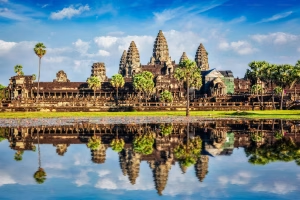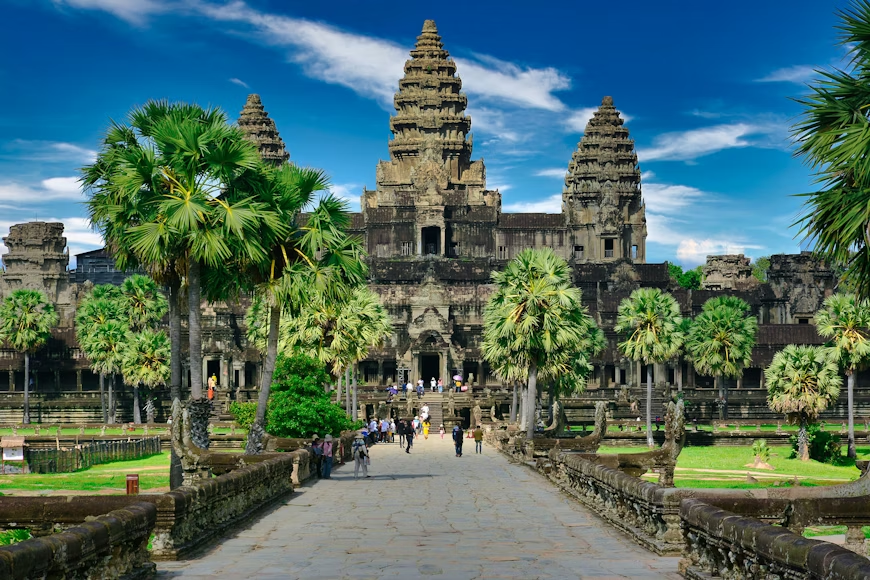
Cambodia attracted roughly 6.7 million tourists in 2024, for its temples, markets, and river towns, yet seasonal timing determines how much of that experience stays enjoyable. The worst time to visit Cambodia often replaces relaxed sightseeing with soaked walkways, stalled transport, and physical fatigue.
The late monsoon months from August through October bring the harshest conditions. This period brings nearly 75% of the country’s annual rainfall. Flooded rural roads, muddy temple paths, and high humidity limit mobility and shorten outdoor activities.
This guide explains which months create the toughest travel conditions in Cambodia. You’ll learn how monsoon flooding disrupts transport networks, why April’s heat reaches 40°C and strains sightseeing plans, and how to manage trips that fall within these challenging periods.
Source: Unsplash
What is the Worst Time to Visit Cambodia?

Source: Unsplash
The worst time to visit Cambodia falls across three challenging periods. The late monsoon months from August to October bring the heaviest rainfall, widespread flooding, and muddy roads. April and May bring extreme heat and make daytime travel exhausting. Peak tourist season from December to February adds pressure through heavy crowds at Angkor Wat and limited accommodation in Siem Reap and Phnom Penh.
Late monsoon months create the greatest difficulties for travelers. Persistent rain floods rural areas, damages road access, and disrupts transport services. These conditions reduce flexibility and restrict movement across large parts of the country.
Suggested Read: Cambodia Visa for Indians: All You Need to Know
Monsoon Season Flooding (August to October): Maximum Impact

Source: Unsplash
Cambodia’s southwest monsoon brings severe weather that makes these months the worst months to visit Cambodia for international tourists. Daily downpours flood roads and paths, while high humidity drains energy during outdoor plans. These conditions limit movement and make sightseeing difficult to manage comfortably.
If you’re travelling to Cambodia, you can book your Cambodia visa online with OneVasco for a quick and easy experience.
Rainfall Intensity Distribution
| Region | Monsoon Rainfall (May-Oct) | Peak Impact Months |
| Cardamom Mountains & Southwest Coast | Up to 5,000 mm annually | August-September with 400 mm+ monthly |
| Phnom Penh & Central Plains | Approximately 2,000 mm annually | September-October with consistent daily rain |
| Siem Reap & Northern Regions | 1,500-2,000 mm annually | July-September affecting temple access |
| Coastal Islands (Koh Rong) | 400 mm+ per month at peak | July-September creates beach closures |
Transportation Disruptions
Verified travel sources report that monsoon conditions trigger flash floods and severe road damage during the bad time to travel to Cambodia. Rural dirt roads often turn into deep mud, extending travel times and limiting access to many areas.
Remote northeastern provinces like Ratanakiri and Mondulkiri become hard to reach. Unpaved roads around Battambang face long delays during September and October. Rising river levels disrupt boat schedules, and some coastal island resorts close during peak rainfall.
Temple Exploration Difficulties
Monsoon weather makes visits to Angkor Wat far more difficult. Temples stay open, yet weather conditions reduce comfort, safety, and time spent on site. Primary monsoon complications include:
- Temple grounds are turning muddy, which reduces stable walking areas
- Afternoon downpours lasting one to two hours that disrupt daily plans
- Humidity above 80% causes quick fatigue
- Cloud cover is limiting the lighting for photography
- Moisture-damaging clothing, cameras, and electronics
- Increased leech activity in forested temple zones
Infrastructure and Health Impacts
| Factor | Monsoon Season Effect | Travel Consequence |
| Road conditions | Severe rutting, flooding, mudslides | Journey times double in rural areas |
| Accommodation | Some rural properties close temporarily | Limited lodging options outside cities |
| Health risks | Mosquito-borne disease transmission increases | Malaria and dengue prevention is essential |
| Activity access | Remote eco-tourism sites become inaccessible | Restricted itinerary possibilities |
Suggested Read: Cambodia Visa Extension for Indians
Extreme Heat Period (April to May)

Source: Unsplash
The pre-monsoon hot season brings extreme heat that places these months among Cambodia’s worst travel months for outdoor activities. April stands out as the hottest period, and prolonged exposure during daytime hours can make temple visits and city walks physically demanding.
Temperature Extremes by Location
| Area | April-May Temperature Range | Heat Index Reality |
| Phnom Penh | 27-35°C average, peaks 38-40°C | Humidity makes it feel like 45°C |
| Siem Reap (Angkor temples) | 26-36°C average, peaks 40°C | Temple stone radiates intense heat |
| Preah Vihear Province | Can exceed 40°C regularly | Extremely challenging conditions |
| Coastal regions (Sihanoukville) | 28-33°C, slightly cooler | Sea breezes provide minimal relief |
Temple Touring Challenges
During Cambodia’s hot season, visits to Angkor Archaeological Park place a heavy strain on your body. The vast 400-square-kilometer complex requires long walks across open areas with little shade.
Angkor Wat alone takes several hours to explore properly. Stone surfaces store and release intense heat throughout the day. Midday hours from 11 a.m. to 3 p.m. bring unsafe conditions for exertion. Dehydration sets in quickly in still, humid air, and many visitors report dizziness or heat-related illness.
Air Quality and Environmental Conditions
The hot season adds several challenges beyond high temperatures. Environmental conditions during these months affect comfort, visibility, and access to basic resources.
- Haze covers large rural areas due to slash-and-burn farming
- Smoke from agricultural fires reduces visibility across the countryside
- Dust builds up after long dry spells with no rainfall
- Still air offers little natural cooling during daytime hours
- Strong UV exposure leads to rapid sunburn
- Water levels drop in wells and rural supply points
Best and Worst Time to Visit Cambodia: Tourist Patterns
| Season Characteristics | Hot Season (April-May) | Cool Season (Dec-Feb) |
| Temperature comfort | Oppressive 40°C heat | Pleasant 24-30°C range |
| Crowd levels | Moderate, some tourists avoid | Extremely crowded, peak season |
| Accommodation pricing | Moderate rates | Premium rates, advance booking required |
| Activity suitability | Limited to early morning | All-day exploration possible |
Suggested Read: Cambodia Visa Photo Requirements for Indians
Peak Season Overcrowding (December to February)

Source: Freepik
The cool season draws large numbers of visitors, making these months the most crowded time in Cambodia. Long queues form at major temples, hotels fill quickly, and prices rise across Siem Reap and Phnom Penh. These pressures reduce comfort and limit flexibility during travel.
Visitor Statistics and Patterns
Figures from Cambodia’s Ministry of Tourism show strong visitor growth in 2024. Asia-Pacific markets contributed nearly 85% of all international arrivals to the country. December through February recorded the highest concentration of visitors.
Angkor Archaeological Park sold 521,950 foreign visitor tickets during the first half of 2024. December and January saw peak crowd levels across temple zones. Arrivals from China rose by 55% in 2024, adding further pressure to already busy sites.
Angkor Wat Overcrowding
Peak season brings intense crowd pressure across Angkor Archaeological Park. Visitor flow often exceeds the site’s capacity to absorb large tour groups at once.
- Sunrise viewing areas fill with hundreds of photographers competing for space
- Bayon and Ta Prohm become hard to move through due to dense tour groups
- Angkor Thom pathways remain crowded, limiting clear photo opportunities
- Tour buses slow traffic on internal roads between temples
- Lunch hours bring long waits at nearby restaurants
- Restroom facilities at major temples develop extended queues
Accommodation and Pricing Pressures
| Location | Peak Season Impact | Advance Booking Requirement |
| Siem Reap (Angkor area) | 90%+ occupancy, 50-80% price increase | Book 3-6 months ahead for quality properties |
| Phnom Penh hotels | High occupancy near attractions | Reserve 2-3 months early for the riverfront |
| Sihanoukville and islands | Beach resorts are fully booked | Secure bookings 4+ months in advance |
| Boutique properties nationwide | Complete sell-out during the holidays | Book immediately once plans are confirmed |
Experience Quality Degradation
Travel quality often declines during peak months, even when weather conditions remain stable. The worst weather in Cambodia during this period comes from crowd density rather than climate, which affects comfort and personal space.
- Sunrise at Angkor Wat involves moving through packed groups instead of quiet viewing
- Popular restaurants require reservations days ahead, limiting flexible meal plans
- Tuol Sleng Genocide Museum fills with visitors, reducing time for reflection
- The Royal Palace in Phnom Penh sees continuous tour group movement
- Tonle Sap floating villages host multiple tour boats at once
- Traffic congestion in Siem Reap increases travel times between sites
Suggested Read: How to Check Cambodia Visa Status in India
Managing Necessary Travel During Challenging Conditions

Source: Freepik
When travel during difficult seasons can’t be avoided, smart planning becomes essential. Every difficult season requires adjustments based on weather, crowds, and transport conditions.
Health and Safety Protocols
| Protection Measure | Implementation Method | Emergency Action |
| Heat management | Hydrate constantly, plan activities before 10 am and after 4 pm | Seek air-conditioned spaces if dizziness occurs |
| Monsoon preparation | Waterproof bags, quick-dry clothing, sturdy rain boots | Avoid flooded areas, monitor weather forecasts |
| Crowd avoidance | Visit popular sites at opening time or late afternoon | Choose secondary temples over main attractions |
| Mosquito protection | Use DEET repellent, sleep under nets, and wear long sleeves | Carry antimalarial medication for remote areas |
Climate-Controlled Activity Alternatives
When Cambodia’s extreme weather makes outdoor activities unbearable, reliable indoor venues provide comfortable alternatives. These cultural destinations offer enriching experiences regardless of external conditions.
- National Museum of Cambodia (Phnom Penh) – Cambodia’s largest cultural museum, housing the world’s finest Khmer sculpture collection spanning millennia. The graceful terracotta structure contains over 14,000 artifacts, including prehistoric items, pre-Angkorian treasures, and Angkorian masterpieces. Features an imposing eight-armed Vishnu statue from the 6th century. Air-conditioned galleries provide relief from the heat.
- Royal Palace (Phnom Penh) – Striking structure featuring classic Khmer roofs and ornate gilding. The Throne Hall, topped by a 59-meter tower inspired by Bayon at Angkor, provides sheltered exploration. Indoor pavilions showcase traditional dance performances during evenings unaffected by rain.
- Tuol Sleng Genocide Museum (Phnom Penh) – Former S-21 prison converted into a museum documenting Khmer Rouge atrocities. Indoor exhibits featuring photographs, documents, and survivor testimonies provide profound historical education. Climate-controlled spaces ensure comfortable viewing regardless of the weather.
- Angkor National Museum (Siem Reap) – Modern air-conditioned facility presenting Angkor civilization history through multimedia exhibits and artifact displays. Eight galleries chronologically explain the Khmer Empire’s development. A perfect alternative when temple touring becomes impossible during heavy rain or extreme heat.
- Psar Thmei Central Market (Phnom Penh) – Landmark art deco building providing covered market exploration. The massive central dome and surrounding wings offer protection from rain and sun while shopping for local goods, textiles, and handicrafts.
- Factory Phnom Penh – Former Levi’s garment factory transformed into a graffiti-covered hub featuring galleries, shops, and dining areas. Climate-controlled creative space hosts regular cultural events and exhibitions.
- Aeon Mall (Phnom Penh/Siem Reap) – Modern shopping centers providing air-conditioned refuge during extreme heat or monsoon downpours. Food courts, cinemas, and shops offer a comfortable way to spend the hottest afternoon hours.
Monsoon Travel Strategies
Travel during Cambodia’s rainy season requires careful planning. Weather conditions can change quickly, leading to flooded roads, transport delays, and disrupted schedules. The following are the essential monsoon preparations:
- Choose accommodations in Phnom Penh or Siem Reap, where roads stay more reliable during floods.
- Buy travel insurance that covers weather-related delays and cancellations.
- Keep itineraries flexible to allow route changes when flooding blocks access.
- Pack plastic ponchos, as umbrellas offer little protection during strong monsoon winds.
- Wear plastic flip-flops that dry fast and handle wet conditions better than closed shoes.
- Plan temple visits during morning hours, before afternoon downpours usually begin.
Extreme Heat Management
Travel during Cambodia’s hottest months demands strong personal protection. High temperatures affect stamina, hydration, and your ability to spend time outdoors safely.
The following are the advanced hot season planning measures:
- Book hotels with reliable air conditioning and backup power.
- Schedule Angkor temple visits between 5:00 a.m. and 9:00 a.m., before heat levels rise sharply.
- Return to your hotel between 11:00 a.m. and 4:00 p.m. for rest in cooled indoor spaces.
- Plan short stays in coastal areas like Kep or nearby islands, where sea breezes offer some relief.
- Drink fresh coconut water from trusted vendors to support hydration and electrolyte balance.
- Use hotel swimming pools during peak heat hours, as many properties offer low-cost day access.
Peak Season Crowd Mitigation
Travel during busy months requires early planning to protect your comfort and time. High visitor numbers place pressure on hotels, transport, and major attractions. The following are the crowd management approaches:
- Reserve accommodations at least four to six months ahead for December-February trips.
- Buy Angkor Wat entry passes online to avoid long ticket queues.
- Use private tuk-tuk drivers instead of large group tours for better timing control.
- Visit lesser-known temples like Banteay Kdei or Pre Rup rather than the main sites.
- Plan Angkor sunrise visits on weekdays, when crowds remain lower.
- Dine at local restaurants away from tourist zones to avoid reservation-only venues.
Emergency Contact Information
| Service | Contact Number | Purpose |
| Cambodia Tourism Hotline | +855-23-213-311 | Travel assistance, emergency coordination |
| Tourist Police (Phnom Penh) | +855-12-942-484 | Security concerns, theft reporting |
| Tourist Police (Siem Reap) | +855-12-969-991 | Angkor area assistance |
| Emergency Medical (Phnom Penh) | +855-23-724-891 | Health emergencies, hospital referrals |
| Weather Information | +855-23-882-160 | Cambodia Meteorological Department |
Suggested Read: Reasons for Cambodia Visa Rejection for Indian Nationals


FAQs
When does the monsoon season create maximum problems in Cambodia?
August to October causes the most disruption. September brings the heaviest rain, flooding rural roads and turning temple grounds muddy. These months fall among the worst months to visit Cambodia.
How hot does Cambodia actually get during the hot season?
April and May often hit 40°C (104°F) in Phnom Penh and Siem Reap. High humidity increases heat stress and leads to rapid dehydration during daytime sightseeing.
What makes December-February the most crowded time in Cambodia?
Comfortable temperatures between 24–30°C draw the highest visitor numbers. Angkor Wat sunrise areas fill quickly, and hotels in Siem Reap reach over 90% occupancy.
Can you visit Angkor temples during the monsoon season?
Yes, temples remain open. Afternoon rain, muddy paths, high humidity, and poor lighting reduce comfort and photography, which makes this a bad time to travel to Cambodia for temple visits.
Which regions flood the worst during the rainy season?
Southwestern coastal areas and the Cardamom Mountains receive the heaviest rainfall. Provinces like Ratanakiri and Mondulkiri become difficult to reach when dirt roads turn impassable.
How crowded does Angkor Wat get during peak season?
December and January bring the highest crowd levels. Sunrise platforms become packed, temple movement slows, and internal roads face traffic congestion.
What activities remain available during extreme heat?
Early morning temple visits, indoor museums, covered markets, and hotel pools stay manageable. Outdoor activity becomes unsafe from late morning to mid-afternoon during the worst weather in Cambodia.
What truly defines the worst time to visit Cambodia for travelers?
August to October brings flooding and transport disruption, marking the worst time to visit Cambodia. April and May add extreme heat, while December to February brings heavy crowds that limit comfort.