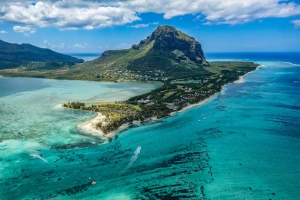
The crystal-clear lagoons, green mountains, and white sand beaches of Mauritius attract over a million tourists a year. This tiny island in the Indian Ocean makes for a perfect tropical vacation! However, here’s the thing – not every month offers the same experience. The start of the year is categorized as the worst time to visit Mauritius.
The increased likelihood of cyclones and heavy downpours between January and March presents a challenge for tourists to follow their desired itinerary. Some periods also bring uncomfortable humidity and unpredictable weather conditions that can turn your travelling experience sour.
This article tells you everything about the periods you should avoid while planning a trip to Mauritius. You will learn which months to skip, what weather challenges to expect, and how to make the best of your trip if you must travel during these tricky periods. Let’s help you plan a smarter vacation!
What is the Worst Time to Visit Mauritius?

The worst months to visit Mauritius are January, February, and March. These three months create a perfect storm of problems for travelers. You get the peak of the cyclone season, the highest humidity levels of the year, the heaviest rainfall, and temperatures that feel unbearable when combined with the moisture in the air.
The Mauritius Meteorological Services tracks weather patterns on the island. Their data shows that February and March are the wettest months of the entire year. During these months, rainfall can reach anywhere from 203mm to 254mm.
Cyclone Season In Mauritius (January to March): Challenges For Tourists

Mauritius sits in a part of the Indian Ocean that experiences tropical cyclones. It spikes dramatically between late December and March when the sea surface temperatures reach their yearly peak. Warmer water means more energy for storms to grow stronger. This makes early-year travel one of the riskiest times to be on the island. We often advise our clients traveling between January to March to expect flight delays due to the cyclone season.
Extreme Weather Conditions
| Month | Temperature | Rainfall | Humidity |
| January | High: 29–30 °C
Low: 22–24 °C |
High (one of the wettest months) | High (~80%) |
| February | High: 29–30 °C
Low: 22–24 °C |
Very High (often the wettest month) | Very High (80-90%) |
| March | High: 28–29 °C
Low: 22–24 °C |
Moderate to High (decreasing) | High (slightly lower) |
Now, 30°C might not sound too bad on paper. Many beach destinations around the world hit similar numbers. But here’s what makes Mauritius different during these months – the humidity changes everything. When you combine 30°C heat with 85% humidity, it feels like you’re standing in a sauna room.
The worst weather in Mauritius creates a situation where you can’t truly escape the heat during these months. Air conditioning becomes your best friend, and many travelers find themselves spending more time indoors than they planned.
Limited Tour Activities
Heavy rainfall during the Mauritius worst travel months throws a wrench into most outdoor plans. There’s no polite schedule to the weather conditions, as thunder and heavy rain can last from 30 minutes to several hours. Enjoying a sunny day at the beach can be a difficult task to pull off!
The UK Met Office points out that February takes the crown as the wettest month, dumping an average of 253mm of rainfall on the island. When not to visit Mauritius becomes obvious when you think about all the activities that get affected.
| Activity / Area | Impact of Storms & Rain | Result for Visitors |
| Beaches and swimming areas | Lightning and rough seas make conditions unsafe | Lifeguards clear beaches, and swimming is cancelled |
| Hiking trails (Black River Gorges National Park) | Heavy rain makes paths muddy and slippery | Increased risk of falls and injuries |
| Snorkeling and diving sites (e.g., Trou aux Biches) | Rain runoff reduces water visibility | Poor viewing of marine life |
| Boat trips and island excursions | Rough seas and cyclone warnings disrupt operations | Tours are cancelled or delayed, causing lost activity time |
Health Considerations
The travel health information for Mauritius released by the CDC expresses serious concerns over increased risks during cyclone season on the island. The warm, wet conditions create ideal breeding grounds for mosquitoes.
Beyond mosquito-borne illness, the high humidity during these months can cause other health issues:
- Heat exhaustion (if you spend too long outdoors)
- Dehydration from excessive sweating
- Skin irritation and rashes
- Respiratory discomfort for those with asthma
- Cultural and Logistical Challenges
Special Considerations During Peak Tourist Season

December and the first couple of weeks of January mark the most crowded time in Mauritius. Families take advantage of school holidays. Couples come for romantic New Year’s Eve celebrations under tropical stars. Honeymooners flock to luxury resorts. All these visitors create a very different Mauritius than what you’d find in quieter months.
The island’s natural attractions, like Chamarel Waterfall, Seven Colored Earths, and Casela World of Adventures, witness long queues and crowded viewing platforms. Authentic local experiences become more difficult to find when tourist areas cater so heavily to visitors.
Here are some suggestions for you to turn Mauritius worst travel months into the best ones!
| Travel Tips | Explanation/Advice |
| Book early | Reserve accommodations at least 3–4 months in advance to secure the best rooms and avoid inflated prices. |
| Choose location wisely | Stay on the west coast (Flic en Flac, Tamarin, Le Morne, Grand Baie) to avoid heavier rain and winds; the central mountains help block moisture. |
| Avoid the East Coast | Belle Mare, Trou d’Eau Douce, and Palmar receive more rain and stronger winds; save these areas for the drier winter season. |
Tips for Coping With The Weather Fluctuations in Mauritius

The worst weather in Mauritius can be unavoidable if work schedules, school holidays, or special occasions give you a limited window to plan your holidays. If that happens, a few tips to deal with these extreme weather conditions will come in handy.
Managing the Heat
- Stay indoors during 11 AM – 3 PM; visit air-conditioned attractions or hotel pools.
- Drink plenty of water (3 liters/day) and replace electrolytes; avoid too much alcohol.
- Wear loose, light-colored clothes, hats, and sunglasses
All-Weather Activity Options
For typical tropical weather, indoor experiences can uplift your travel experience during bad time to visit to Mauritius. Several local attractions on the island do not require you to spend a lot of time outdoors!
- Blue Penny Museum – An art and history museum that exhibits Mauritian history through paintings, sculptures, archives, and engravings, offering a fascinating experience.
- L’Aventure du Sucre – A 19th-century sugar mill turned museum, the site offers an inclusive experience to tourists. Explore the 280-year history of sugarcane and its modern-day byproducts.
- Rajiv Gandhi Science Centre – An interactive and immersive experience that takes tourists on a science and technology quest away from the rainy days on the island.
- Odysseo Oceanarium – Dive into the depths of aquatic wildlife in this one-of-a-kind aquarium offering a beautiful display of sharks, fish, and rays.
- Curious Mauritius – A collection of optical illusions, mind-bending exhibits, and puzzles created to ignite curiosity and imagination.
Off-Season Deals
- Visit between May and September for lower hotel rates and discounted activities.
- Luxury resorts and packages (spa, dining, excursions) are cheaper.
Travel Essentials If You Have to Visit Mauritius During the Worst Time

A well-researched travel plan can turn Mauritius worst travel months into the most dreamy tropical vacation. The uncertain weather conditions do not diminish all the beautiful experiences that this island has to offer. Here’s a list of things you can do to make your travel investments to Mauritius worth every penny!
| Category | Tips / Advice |
| Travel Insurance | Ensure coverage for trip cancellation, interruption, travel delays, medical evacuation, and emergency treatment |
| Packing Essentials | Lightweight waterproof jacket/poncho, quick-dry clothing, waterproof phone case, mosquito repellent (≥20% DEET), reef-safe sunscreen, small first aid kit, copies of documents |
| Flexibility | Plan backup activities for every outdoor event |
| Hotel Policies | Book hotels with flexible cancellation (24–48 hours notice) |
| Weather Monitoring | Check live weather reports daily; ask hotel staff for local updates |


FAQs
Which month is not good for visiting Mauritius?
February is the least favorable month. It combines peak cyclone risk, the highest rainfall (averaging 253mm), extreme humidity, and hot temperatures around 29°C. The worst weather in Mauritius occurs during this month.
What is the cheapest time to visit Mauritius?
May to September offers the lowest prices. Hotels offer discount rates by up to 50% during this cooler, drier period. Flights cost less, and popular attractions have shorter queues. This off-season period provides excellent value.
What is the most expensive month to go to Mauritius?
December is the costliest month. Christmas and New Year celebrations push hotel prices up by 40-60%. Flights from Europe and other regions reach their yearly peak. Booking 3-4 months ahead helps secure better rates.
How hot does it get in Mauritius during the summer months?
Summer temperatures reach 29-30°C along the coast. The central highlands stay 3-5 degrees cooler. High humidity makes conditions feel much hotter than actual temperatures suggest. January and February record the highest readings.
When does the cyclone season hit Mauritius?
The official season runs from November 1 to May 15. Major cyclones rarely hit directly, but tropical storms can cause flight delays, beach closures, and cancelled boat trips. Hotels have safety protocols and weatherproof construction.
What months are too hot in Mauritius?
January, February, and March bring the most uncomfortable heat. Temperatures combine with 80-90% humidity during these months. The worst months to visit Mauritius for heat-sensitive travelers fall within this period.
What month is the best to go to Mauritius?
May, June, September, October, and November offer the most pleasant conditions. The Mauritius Tourism Board recommends April to June and September to December as the most agreeable periods.
What is the most crowded time in Mauritius?
December and January register the highest footfall in Mauritius, even though the uncertain weather conditions make it the worst time to visit Mauritius. The offbeat locations and scenic beaches attract many tourists to celebrate year-end holidays on this island.