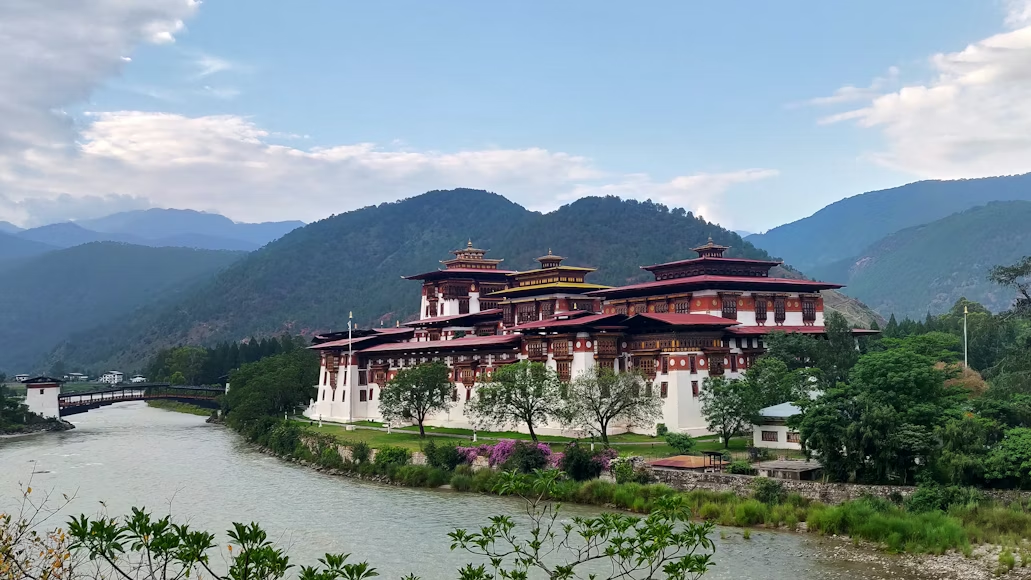
Bhutan welcomes around 250,000 visitors each year, but not all trips are equal. Many visitors are drawn by quiet valleys, clear mountain air, and a slower pace of travel between regions. The worst time to visit Bhutan strips away much of that appeal. Seasonal road closures, weather-driven access limits, and sudden transport disruptions can disrupt even short itineraries.
Monsoon weather from June through September brings the greatest disruption. Rainfall climbs toward 5,000 mm in some areas, landslides cut off mountain highways, and travel between valleys becomes unreliable. Safety concerns increase as road conditions change with little notice.
This guide explains which months make travel difficult in Bhutan. You’ll learn how monsoon rain affects road safety, why winter snow closes high mountain passes, and how to plan responsibly if your trip falls within these challenging periods.
Source: Unsplash
What is the Worst Time to Visit Bhutan?

Source: Unsplash
The worst time to visit Bhutan falls into three difficult periods. The monsoon season from June to September brings rain and frequent landslides. Winter months in January and February bring heavy snowfall that blocks mountain passes and limits access to central valleys. Peak travel periods from March to May and September to November create crowding and accommodation shortages that reduce comfort.
Monsoon months pose the highest risk for travelers. Flash floods, road washouts, and poor visibility cut off routes and make large parts of the country difficult to reach. These conditions can halt travel plans with little warning and limit safe movement across mountainous regions.
Suggested Read: How to Check Bhutan Visa Status in India
Monsoon Season Hazards (June to September): Primary Concerns

Source: Unsplash
The monsoon period brings severe weather that places these months among the worst months to visit Bhutan for international travelers. Heavy rainfall turns trekking routes muddy, triggers frequent landslides, and disrupts road access. These conditions limit movement, cancel outdoor plans, and make travel across mountainous regions difficult to manage safely.
Rainfall Distribution
|
Region |
Monsoon Rainfall |
Impact Severity |
|
Southern lowlands (Phuentsholing, Gelephu) |
4,000-5,000mm |
Extreme flooding, complete road submersion |
|
Western Bhutan (Paro, Thimphu) |
2,500-3,000mm |
Heavy landslides, trekking route closures |
|
Central valleys (Punakha) |
750-1,000mm |
Moderate disruptions, muddy conditions |
|
Northern highlands |
Lower amounts as snow |
Limited accessibility, cloud coverage |
Infrastructure Disruptions
Data from the Bhutan Travel Bureau shows that monsoon conditions trigger flash floods and landslides, making it a bad time to travel to Bhutan. Heavy rain washes away sections of mountain highways, making road travel unsafe between major valleys.
Paro International Airport faces frequent flight cancellations during severe weather. Domestic flights to Bumthang and Yonphula stop regularly, and key mountain passes close during peak rainfall. Bridge damage can isolate rural communities for extended periods.
Trekking Impossibilities
Monsoon weather creates conditions that make outdoor activities nearly impossible. Heavy rain forces the closure of major trekking routes, including the Druk Path Trek, Jomolhari Trek, and Snowman Trek, due to safety risks and route damage. Primary monsoon complications include:
- Leeches are spreading across forest trekking paths
- River crossings are turning into fast, dangerous currents
- Dense fog is reducing trail visibility to unsafe levels
- Constant moisture is damaging gear and supplies
- Limited access to emergency rescue services
- Saturated ground prevents safe camping
Tourism Impact Assessment
|
Factor |
Monsoon Season Effect |
Long-term Consequence |
|
Hotel availability |
Reduced operations, many close |
Limited accommodation choices |
|
Activity access |
Trekking routes closed, festivals cancelled |
Restricted itinerary options |
|
Photography |
Cloud coverage blocks mountain views |
Poor visibility of Himalayan peaks |
|
Transportation reliability |
Frequent delays, route cancellations |
Unpredictable travel schedules |
Suggested Read: Bhutan in January: A Refreshing Winter Adventure
Winter Pass Closures (January to February)

Source: Unsplash
The winter period brings intense cold and heavy snow that places these months among the Bhutan worst travel months for reaching eastern regions. High mountain passes above 3,000 meters receive deep snowfall that blocks roads completely. Travel between valleys becomes unreliable, and access to remote areas can remain cut off for days or weeks.
Temperature Extremes
|
Location |
Winter Temperature Range |
Accessibility Status |
|
Thimphu (2,200-2,600m) |
-3°C to 12°C |
Generally accessible with proper clothing |
|
Paro (2,200m) |
-6°C to 14°C |
Open but very cold conditions |
|
Bumthang (2,600m) |
-10°C to 8°C |
Road access is often blocked by snow |
|
Dochula Pass (3,100m) |
Below -10°C |
Frequently closed due to ice and snow |
Road Closure Impacts
The Bhutan Travel Bureau confirms that January and February bring heavy snow across several mountain passes, especially those linking western valleys to central regions. Overland access to the eastern districts becomes highly restricted during these months.
Chele La Pass closes at intervals due to snow buildup. Pele La Pass faces repeated blockages that halt vehicle movement. Roads leading to Bumthang and Trongsa turn unsafe for extended periods. Access to eastern Bhutan drops sharply, leaving domestic flights as the only reliable option for certain areas.
Tourism Limitations
Winter weather sharply limits activities commonly associated with Bhutan. Heavy snow and extreme cold shut down high-altitude trekking routes, many of which stay closed until late March. Access to remote regions remains limited during this period.
Available winter activities include:
- Low-altitude treks like the Samtengang Winter Trek and Gangtey Trek
- Cultural site visits within accessible valleys
- Festival attendance in Thimphu and the nearby western areas
- Wildlife viewing in subtropical southern districts
- Visits to indoor museums and dzongs
Winter Benefits vs. Drawbacks
|
Advantages |
Disadvantages |
|
Crystal clear skies for mountain photography |
Severe cold requiring extensive warm clothing |
|
Fewer tourists create peaceful experiences |
Many high-altitude areas are completely inaccessible |
|
Hotel discounts during the off-peak period |
Limited trekking and outdoor activity options |
|
Black-necked crane viewing in Phobjikha Valley |
Short daylight hours restrict sightseeing time |
|
Traditional winter festivals in major towns |
Road closures are causing travel delays and cancellations |
Suggested Read: Bhutan in February: Your Insider’s Guide to Visiting
Peak Season Overcrowding (March-May & September-November)

Source: Unsplash
Bhutan’s spring and autumn seasons bring a sharp rise in visitor numbers. Hotel availability drops quickly, prices rise, and popular sites feel congested, especially in Paro, Thimphu, and Punakha.
The best and worst time to visit Bhutan depends largely on how comfortable you feel around crowds. Travel during peak months offers clear weather but demands advance bookings and higher budgets.
Visitor Statistics
Figures from Bhutan’s Department of Tourism show strong arrival numbers during peak months. Q4 2024 recorded 49,160 visitors, with October and November drawing the highest volumes. March and April show similar pressure as travelers arrive for clear skies and trekking access.
Around 60% of visitors come from India, while the remaining 40% arrive from countries including the USA, UK, China, Germany, and Australia. Hotel occupancy often rises above 90% during peak periods, especially in well-connected regions.
Festival Congestion
Major cultural festivals take place during peak seasons and draw large crowds to limited venues. Accommodation fills quickly, and movement around festival sites becomes difficult without advance planning.
- Paro Tsechu (March/April): Thousands gather to watch traditional mask dances, creating heavy congestion in Paro Valley.
- Thimphu Tsechu (September): The country’s largest festival attracts a strong domestic and international turnout, crowding central areas.
- Punakha Drubchen (February): Visitor numbers strain hotel availability across the Punakha Valley.
- Black-Necked Crane Festival (November): Hotels in Phobjikha Valley book out months ahead due to limited capacity.
Accommodation Challenges
|
Issue |
Peak Season Impact |
Planning Requirement |
|
Hotel availability |
Premium properties book 6+ months ahead |
Reserve accommodations at least 4 months early |
|
Price inflation |
Room rates increase 50-80% above low season |
Budget significantly higher amounts |
|
Quality variation |
Last-minute bookings force inferior options |
Accept compromises or pay premium rates |
|
Festival period scarcity |
Complete sellout near major celebrations |
Book 8-12 months ahead for festival dates |
Experience Quality Deterioration
Travel quality often declines during peak months, even when weather conditions remain favorable. The worst weather in Bhutan during these periods relates more to crowd pressure than climate issues, which can limit quiet moments and personal space.
- Tiger’s Nest Monastery trail fills with hikers, restricting movement and blocking clear photo views
- Dzong visits involve moving through dense tour groups, reducing time for calm observation
- Popular restaurants rely on advance reservations, limiting flexibility with meal plans
- Narrow highways slow traffic as buses and private vehicles build up
- Photography at well-known viewpoints becomes difficult due to constant foot traffic
Suggested Read: No Bhutan Visa for Indians? Exploring the Entry Rules!
Managing Necessary Travel During Difficult Periods

Source: Unsplash
Travel during the worst time to visit Bhutan may still be necessary due to fixed schedules, work commitments, or family needs. Careful planning can reduce stress and limit disruptions during these periods. Each difficult season requires targeted adjustments that match local weather patterns, road conditions, and access limits.
Health Protection Protocols
|
Safety Measure |
Implementation Strategy |
Emergency Response |
|
Altitude adjustment |
Ascend gradually to prevent acute mountain sickness |
Descend immediately if severe symptoms develop |
|
Weather monitoring |
Check the Bhutan Meteorological Department daily |
Modify plans based on severe weather warnings |
|
Monsoon gear |
Carry waterproof clothing and sturdy boots |
Avoid outdoor activities during heavy rainfall |
|
Winter preparation |
Pack thermal layers and insulated clothing |
Seek heated accommodations during extreme cold |
Climate-Controlled Activity Options
When Bhutan’s monsoon rains or harsh winter conditions make outdoor activities impossible, reliable indoor venues provide comfortable alternatives. These cultural destinations offer enriching experiences regardless of external weather.
- National Museum of Bhutan (Paro) – Historic 1649 watchtower converted into a premier museum showcasing Bhutanese art, bronze statues, and thangka paintings across seven floors. The circular building houses exhibits spanning from Stone Age tools to modern Buddhist artifacts. Located above Paro Dzong with temperature-controlled galleries.
- Folk Heritage Museum (Thimphu) – Traditional three-story 19th-century farmhouse displaying rural Bhutanese life over the past 150 years. Features agricultural tools, religious artifacts, and demonstrations of traditional activities, including ara (local alcohol) production. Climate-controlled environment with a restaurant serving authentic Bhutanese meals.
- Textile Museum (Thimphu)– Part of the Royal Textile Academy, showcasing traditional wedding clothes of the Dragon Kings and royal family textiles across four floors. Exhibitions detail weaving techniques and the significance of textiles in Bhutanese culture. Air-conditioned galleries provide comfortable viewing during the monsoon season.
- Simply Bhutan (Thimphu)– Interactive living museum offering hands-on cultural experiences, including traditional dress try-on, archery practice, and participation in folk dances. Climate-controlled facility built using traditional rammed-earth walls and painted woodwork.
- National Institute for Zorig Chosum (Thimphu) – School teaching Bhutan’s 13 traditional arts, including painting, sculpture, woodcarving, and metalwork. Visitors can observe students learning ancient techniques. Hands-on painting experiences are available using natural colors.
- Punakha Dzong– Historic fortress at the confluence of two rivers featuring stunning architecture and historical significance. Indoor courtyards and temples provide shelter during rain. Temperature-controlled prayer halls offer respite from weather extremes.
- Tashichho Dzong (Thimphu) – Massive fortress housing Bhutan’s civil government and the summer residence of the Chief Abbot. Impressive riverside architecture open to visitors after office hours. Traditional dress is required for entry.
Monsoon Travel Strategies
Travel during Bhutan’s monsoon season calls for strong safety planning. Weather conditions can worsen quickly, leading to road closures, power outages, and limited connectivity across many regions. The following are the essential monsoon preparations:
- Select accommodations that offer backup power during frequent storm-related outages.
- Buy travel insurance that covers landslide-related delays and trip cancellations.
- Keep itineraries flexible to allow route changes when roads close without notice.
- Save offline maps in case mobile networks fail during heavy rainfall.
- Pack waterproof bags to protect electronics, documents, and clothing.
- Prioritize indoor cultural visits instead of outdoor trekking during this period.
Winter Cold Management
Travel during Bhutan’s coldest months requires careful preparation. Low temperatures and snow affect road access, daily comfort, and movement between valleys. The following are the advanced winter planning measures:
- Reserve hotels in lower valleys like Punakha, where winter temperatures stay milder.
- Pack thermal base layers, fleece jackets, and down coats for proper insulation.
- Skip trips to Bumthang or eastern Bhutan unless flights are confirmed.
- Center itineraries around western valleys that offer better winter road access.
- Plan visits to heated dzongs and museums during the coldest hours of the day.
- Check road conditions daily through local tour operators or hotel staff.
Peak Season Crowd Avoidance
Travel during peak periods requires early planning to keep your experience comfortable. High visitor numbers place pressure on hotels, transport, and major attractions across Bhutan. The following are the crowd management tactics:
- Reserve accommodations at least six months ahead for spring and autumn travel.
- Book Tiger’s Nest Monastery hikes for the earliest morning slots.
- Plan dzong visits on weekday mornings, when tour groups are fewer.
- Use private vehicles instead of group tours for better timing control.
- Choose secondary sites like Chele La Pass over heavily visited locations.
- Consider shoulder months such as late February, June, or early September for milder crowd levels.
Emergency Contact Information
|
Service |
Contact Number |
Purpose |
|
Bhutan Tourism Hotline |
+975-2-323251 |
Travel assistance, emergency coordination |
|
Bhutan Meteorological Department |
+975-2-335578 |
Weather updates, monsoon warnings |
|
Paro International Airport |
+975-8-271727 |
Flight status, cancellation information |
|
Emergency Services |
113, 112 |
Police, medical |
|
Road Safety Transport Authority |
+975-2-328977 |
Road condition updates, closure information |
Suggested Read: Romantic Honeymoon in Bhutan – Best Places & Things to Do


FAQs
When is the monsoon season most dangerous in Bhutan?
July and August are the riskiest months. Heavy rain causes landslides, and many roads become unusable. These months sit among the worst months to visit Bhutan for safety.
What is the best and worst time to visit Bhutan?
October-November and March-April offer clear skies and temperatures around 15–26°C. June-September brings monsoon disruption, and January-February brings snow-blocked passes, marking the worst weather in Bhutan.
How severe are winter road closures in Bhutan?
January and February often block passes above 3,000 meters, including Chele La and Pele La. Overland travel to eastern Bhutan becomes unreliable, leaving flights as the only option.
Which areas experience the worst flooding?
Southern towns like Phuentsholing and Gelephu flood most during the monsoon. Landslides also affect Paro and Thimphu, making road travel difficult during the worst travel months in Bhutan.
How crowded does Bhutan get during peak season?
March-May and September-November bring the highest crowds. Tiger’s Nest becomes congested, and premium hotels book out months ahead. These months mark the most crowded time in Bhutan.
Can you trek in Bhutan during the monsoon season?
No. Major trekking routes close due to landslides, leeches, and unsafe river crossings. Monsoon months are a bad time to travel to Bhutan for trekking.
What activities remain available during winter?
Low-altitude treks, cultural visits, festivals, and wildlife viewing in southern areas remain possible. Museums and dzongs offer indoor options during colder days.
What makes the worst time to visit Bhutan so challenging?
Monsoon rain cuts roads, winter snow closes passes, and peak seasons overwhelm infrastructure. These conditions make June-September and January-February the worst time to visit Bhutan for comfortable travel.