Egypt welcomes over 15 million international tourists each year, yet picking the wrong travel dates can turn your dream vacation into an uncomfortable ordeal. The scorching summer months from June through August mark the worst time to visit Egypt, bringing dangerous temperatures, sandstorm risks, and challenging conditions for exploring ancient sites.
In this guide, we will show you exactly which periods to skip when planning your Egyptian trip. You’ll learn why extreme summer heat creates risky situations for travelers, how sandstorm season affects your vacation, and practical ways to handle travel during these tough periods.
What is the Worst Time to Visit Egypt?

The worst time to visit Egypt covers three difficult periods: extreme summer heat (June-August) with temperatures reaching 50°C (122°F) in southern regions, the Khamsin sandstorm season (March-May), causing visibility issues and respiratory problems, and peak tourist overcrowding (December-January) when visitor numbers strain accommodation and sites.
Among these periods, extreme summer heat poses the greatest risk. It creates life-threatening conditions through record temperatures that exceed 45°C in cities like Luxor and Aswan, making outdoor exploration of ancient monuments nearly impossible.
| Period | Temperature Range | Primary Challenges |
| Extreme Summer (June-August) | 35-50°C (95-122°F) | Deadly heat, dehydration risks |
| Khamsin Season (March-May) | 20-35°C (68-95°F) | Sandstorms, poor air quality |
| Peak Overcrowding (December-January) | 11-20°C (52-68°F) | High prices, site congestion |
Suggested Read: Egypt in February: Your Travel Guide
Extreme Summer Heat (June to August): Key Concerns for Travelers

Egypt’s summer brings brutal temperature conditions that establish these months as the worst months to visit Egypt for international travelers. The mix of record-breaking heat, health dangers, and infrastructure pressure creates harsh circumstances for vacation planning.
Temperature Extremes
| Month | Record High | Average High |
| June | 50°C | 34°C – 40°C |
| July | 50°C | 35°C – 40°C |
| August | 46°C | 34°C – 38°C |
Activity Restrictions
Extreme summer conditions force major attractions to adjust their operating hours during peak heat periods. The Egyptian Ministry of Tourism recommends tourists avoid outdoor activities between 11 AM and 4 PM when temperatures reach dangerous levels.
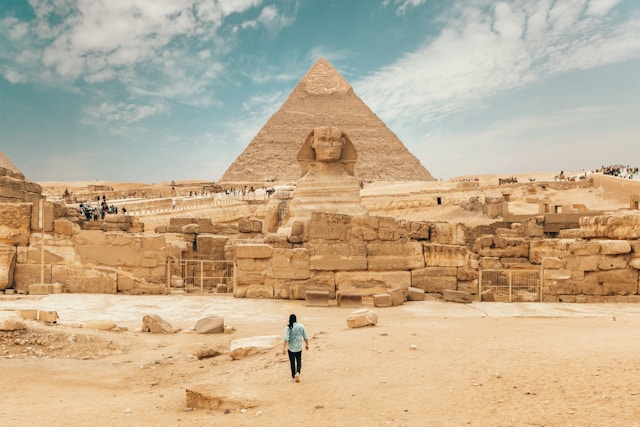
Popular sites like the Giza Pyramids, Valley of the Kings, and Karnak Temple become exhausting to visit during midday hours.
Desert excursions become nearly impossible due to extreme heat exposure and sunstroke risks. Cities like Luxor and Aswan regularly record daytime temperatures above 45°C during July and August.
Economic Impact
| Cost Category | Summer Rates | Peak Season Rates |
| Budget Hotels | $25 – 40/night | $40 – 100/night |
| Mid-range Hotels | $30 – 60/night | $100 – 180/night |
| Guided Tours | $40 – 120/day | $50 – 150/day |
| Internal Flights | $100 – 150+ for one way | $100 – 200+ or one way |
Please note: These numbers represent estimated costs, not official pricing.
Health Dangers
Heat-related health risks climb sharply during Egypt’s summer months. The World Health Organization warns that travelers face serious health threats when temperatures exceed 40°C. During a severe heat wave in August 2015, dozens of Egyptians died from heat stroke, and over 500 required hospital treatment.
Primary health concerns include:
- Heat stroke symptoms develop within 30-60 minutes of outdoor exposure
- Severe dehydration requiring immediate medical attention
- UV radiation burns occur within 15-20 minutes without protection
- Emergency medical services face increased demand during extreme heat
- Elderly travelers and children face heightened vulnerability
Planning a trip to Egypt? You can book your Egypt visa online with OneVasco for a fast and hassle-free process.
Suggested Read: Egypt Visa Extension for Indians
Khamsin Sandstorm Season: How It Disrupts Travel Plans

Egypt’s Khamsin sandstorm season runs from March through May, with peak danger occurring in April when hot desert winds combine with dry conditions to create visibility emergencies. This period represents some of the worst weather in Egypt, as storms force closures and create air quality problems affecting millions.
Complete Regional Disruptions
During active sandstorm periods, entire areas become difficult to access as authorities issue warnings and transportation systems face delays. The April 2025 Khamsin storm brought temperatures near 40°C with winds gusting up to 80 km/h, forcing school closures nationwide and severely affecting Greater Cairo, the Canal cities, and the Sinai Peninsula.
Tourism Impact Assessment
| Travel Service | Khamsin Season Status | Recovery Timeframe |
| Airport Operations | Delays during severe storms | 4-12 hours typically |
| Accommodation Facilities | Normal operations | NA |
| Tourist Attractions | Outdoor closures during storms | 24-48 hours |
| Transportation Networks | Highway visibility issues | 6-24 hours clearance |
| Emergency Services | Full alert mode | March-May deployment |
Benefits vs. Complications for Travelers
| Advantages | Disadvantages |
| Lower accommodation rates during storm warnings | Sand covers archaeological sites |
| Fewer tourists at major attractions | Air quality becomes hazardous |
| Opportunity to witness rare weather events | Transportation delays unpredictable |
| Shoulder season pricing benefits | Respiratory problems for sensitive travelers |
Suggested Read: Egypt Visa Photo Requirements for Indian Tourists
Peak Season Crowds: Travel Challenges You May Face

Egypt’s peak tourism period creates overwhelming visitor numbers that establish December and January as the most crowded time in Egypt, when sites become packed, and prices soar. Understanding these patterns helps travelers identify when not to visit Egypt for a quality experience.
Common Peak Season Difficulties
- Booking challenges: Premium hotels and Nile cruises require a 4-6 months advance reservation
- Site accessibility: Major attractions like the Pyramids of Giza experience long entry lines
- Transportation strain: Domestic flights sell out quickly during holiday periods
- Service pressure: Restaurant and hotel staff face high demand
- Photography problems: Iconic locations become difficult to photograph without crowds
Suggested Read: How to Check Egypt Visa Status Online
How to Manage Essential Travel During Difficult Times?

When circumstances require visiting during the worst time to visit Egypt, strategic preparation turns challenging periods into manageable experiences. Each difficult timeframe demands specific preparation approaches designed for Egypt’s unique desert conditions.
Health Protection Protocols
| Heat Risk | Prevention Strategy | Official Guidance |
| Heatstroke danger | Restrict outdoor activities to before 9 AM or after 5 PM | CDC recommends avoiding sun exposure during peak UV hours |
| Severe dehydration | Consume at least 3-4 liters of water daily | Carry bottled water at all times |
| UV radiation burns | Apply SPF 50+ sunscreen every 90 minutes | Egypt receives high UV radiation year-round |
Climate-Controlled Activity Options
When Egypt’s summer heat becomes unbearable, you need reliable air-conditioned spaces to escape the dangerous temperatures. These indoor venues provide comfortable environments where you can cool down and stay safe during extreme heat conditions.
- Grand Egyptian Museum (GEM), Giza – The world’s largest archaeological museum, housing over 100,000 artifacts, including King Tutankhamun’s complete collection. This climate-controlled facility offers hours of cultural exploration away from outdoor heat, with interactive exhibits and educational programs.
- Egyptian Museum, Cairo – A historic museum in Tahrir Square containing ancient Egyptian antiquities spanning thousands of years. Air-conditioned galleries display mummies, statues, and artifacts while maintaining comfortable viewing conditions during the summer months.
- Cairo Tower – A 187-meter observation tower offering panoramic views of Cairo from air-conditioned viewing platforms. The rotating restaurant and café provide relief from street-level heat while showcasing the city’s sprawling landscape.
- Mall of Egypt – Major shopping and entertainment complex featuring international brands, restaurants, a ski slope, and cinema facilities. A climate-controlled environment includes family entertainment areas and food courts operating throughout the summer.
- City Stars Mall Cairo – One of the Middle East’s largest shopping centers offering luxury retail, dining, and entertainment options. Multi-level climate-controlled facility includes cinemas, children’s play zones, and diverse restaurant selections.
- Khan el-Khalili Covered Markets – Historic bazaar with covered sections providing partial shade and relief from direct sun exposure. While not fully air-conditioned, the covered passages offer cooler shopping experiences for traditional crafts and souvenirs.
- Alexandria National Museum – Modern museum presenting Egypt’s history across different eras in temperature-controlled galleries. Rotating exhibitions and permanent collections provide cultural engagement during extreme weather conditions.
- Bibliotheca Alexandrina – Contemporary library and cultural center with climate-controlled reading rooms, exhibition spaces, and a planetarium. Educational programs and museum collections operate independently of outdoor weather conditions.
Khamsin Season Preparation
Traveling during Egypt’s sandstorm season requires special safety preparations since storms can appear suddenly and reduce visibility to near zero. You need proper planning and protective gear to protect yourself when visiting during the spring months.
- Monitor Egypt’s Meteorological Authority website for real-time storm alerts
- Purchase travel insurance covering weather-related delays and cancellations
- Book accommodations with confirmed indoor facilities and backup plans
- Prepare face masks (N95 recommended) for dust protection
- Keep important documents in sealed, waterproof bags
- Plan indoor alternative activities for each day of your itinerary
Peak Season Crowd Management
Egypt’s winter months bring massive tourist crowds that can affect your vacation experience at historic sites and cruise routes. Smart planning and strategic timing help you avoid the worst congestion while still enjoying Egypt’s top attractions.
Advanced Reservation Strategies:
- Reserve accommodations 6+ months ahead for guaranteed availability during peak periods
- Purchase timed-entry tickets for major attractions through official platforms
- Book Nile cruises 4-6 months before arrival during December-January
- Secure domestic flights early to guarantee travel during peak demand
- Schedule pyramid visits for dawn hours to minimize crowd encounters
Transportation Solutions:
- Download official Egypt tourism apps for scheduling updates
- Book transportation between tourist destinations well in advance
- Consider private guides who know less crowded entry times
- Use morning departures for temple visits before tour buses arrive
- Plan felucca rides during late afternoon when crowds thin out
Emergency Contact Information
| Emergency Service | Contact Number | Service Coverage |
| Unified Emergency | 112 | Police, Fire, Ambulance nationwide |
| Police | 122 | General police assistance |
| Ambulance | 123 | Emergency medical transport |
| Fire Service | 180 | Fire reporting and emergency response |
| Tourist Police | 126 | Tourist-specific assistance |
| Traffic Police | 128 | Road emergencies |
Suggested Read: Reasons for Egypt Visa Rejection for Indian Nationals


FAQs
What are the hottest months in Egypt?
June, July, and August are brutally hot in Egypt. The 2024 summer broke records as the hottest in Egypt’s meteorological history, with average temperatures reaching 32.5°C. Upper Egypt regularly crosses 45°C during these months, making them the worst months to visit Egypt for sightseeing.
When is sandstorm season in Egypt?
Khamsin sandstorms roll through Egypt from March to May. April tends to be the worst, when hot desert winds mix with bone-dry conditions. If you are traveling during this window, keep an eye on weather warnings and carry a protective mask with you.
What is the most expensive time to visit Egypt?
December and January will stretch your budget the most. Accommodation and flight prices climb 40-60% above off-season rates during this period. Christmas and New Year holidays drive costs even higher, making these months a bad time to travel to Egypt if you are trying to save money.
How dangerous is the summer heat for tourists in Egypt?
Summer heat in Egypt is no joke. From June through August, Luxor and Aswan routinely hit 45°C or more. Outdoor activities become risky between 11 AM and 4 PM, and heat stroke or severe dehydration can land you in a hospital fast.
When is the most crowded time in Egypt?
December through February is the most crowded time in Egypt. The Pyramids of Giza and the Valley of the Kings get packed with tourists during the winter vacation season. Comfortable weather draws everyone at once, and your overall experience will suffer from the crowds.
Which regions have the worst weather in Egypt?
Upper Egypt, including Luxor and Aswan, faces the worst weather in Egypt during the summer months. Temperatures here rank among the highest in the country. The Western Desert and Sinai Peninsula also get extremely hot, while the Khamsin sandstorms affect the entire country from March through May.
What is the best time to visit Egypt?
October through November and February through April offer the best conditions. Temperatures stay comfortable between 20-28°C, and extreme weather events are rare. Once you understand the best and worst time to visit Egypt, these months stand out as ideal for exploring ancient sites and cruising the Nile.
Which month should tourists completely avoid in Egypt?
July is the worst time to visit Egypt. The heat reaches its peak, outdoor sightseeing becomes genuinely dangerous, and ancient sites turn into furnaces. The health risks alone make this month one to skip, especially if you plan to spend time at open-air archaeological sites.