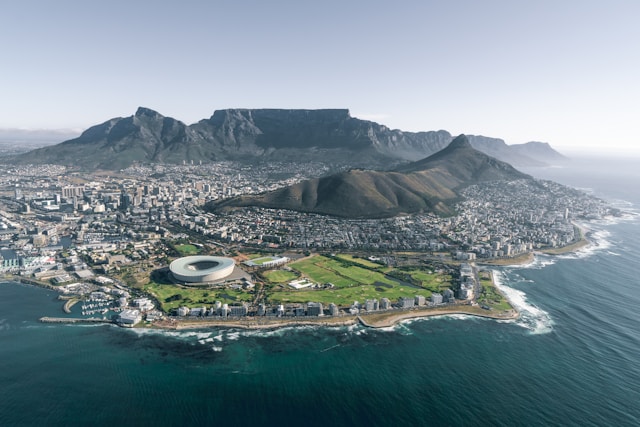
In South Africa, safari adventures, Cape Town’s beauty, and world-class wine regions draw travelers from every corner of the globe. Yet picking the wrong season can seriously impact your trip. The worst time to visit South Africa depends largely on what you want to do.
Summer months (December through February) bring heavy rains to safari regions, while Cape Town’s winter (June to August) delivers cold, wet, and windy conditions that limit outdoor activities.
This guide covers the challenging travel periods across different regions of South Africa. You’ll learn about summer rainfall problems in safari areas, winter weather difficulties in the Cape, peak season crowds during December holidays, and practical approaches for managing trips during these less-than-ideal periods.
What is the Worst Time to Visit South Africa?
South Africa’s challenging travel periods vary by region. The country sits in the Southern Hemisphere, so seasons run opposite to Europe and North America. Summer falls in December through February, and winter runs from June to August.
For safari destinations like Kruger National Park, the worst months to visit South Africa span November through March. Heavy rains create thick vegetation that hides wildlife. Animals scatter across the landscape instead of gathering at waterholes. Temperatures soar above 35°C with crushing humidity.
Cape Town faces different problems. Winter months bring cold rain, strong winds, and grey skies from May through August. Table Mountain often hides behind clouds for days. Beach activities become impossible.
The South African Weather Service notes that most of the country receives about 464mm of annual rainfall, well below the global average of 950mm. But this rain concentrates heavily in specific months, creating distinct wet and dry seasons.
Suggested Read: South Africa to Ease Visa Rules for Indians: 90 Day Waiver & Tour Scheme
How Summer Rainfall Affects Travel in South Africa (November to March)

South Africa’s summer brings dramatic weather changes to most regions. The South African Weather Service has warned of La Niña conditions bringing above-normal rainfall to northeastern provinces, including Gauteng, Limpopo, Mpumalanga, and KwaZulu-Natal during the 2025/26 summer season.
What is the Rainfall Pattern?
Most of South Africa receives rain between October and March. Afternoon thunderstorms build quickly, delivering short but drenching downpours. While these storms often clear within hours, they transform the landscape in ways that affect travelers.
Kruger National Park receives its heaviest rainfall in January and February. The bushveld turns from brown to lush green. Rivers fill up and waterholes overflow. This sounds lovely until you realize animals no longer need to gather at predictable water sources.
Regional Summer Weather Data
| Region | Summer Temp Range | Monthly Rainfall | Humidity Level |
| Kruger/Lowveld | 19-35°C | 100-120mm | Very High |
| Johannesburg/Highveld | 15-26°C | 90-120mm | High |
| Durban/KwaZulu-Natal | 21-28°C | 120-130mm | Extreme |
| Eastern Cape Coast | 17-26°C | 60-80mm | Moderate |
Safari Viewing Challenges
Summer represents a bad time to travel to South Africa for serious wildlife watching:
- Thick vegetation hides animals from view during game drives
- Wildlife disperses across vast areas with plentiful water everywhere
- Extreme heat forces animals to rest during daylight hours
- Morning and afternoon game drives become uncomfortable
- Malaria-carrying mosquitoes reach peak activity levels
- Flash flooding can close roads within reserves
The official Kruger National Park guidance notes that while summer brings beautiful green landscapes and newborn animals, wildlife sightings become considerably more challenging compared to the dry season.
Suggested Read: South Africa Launches ETA System in 2025: What Travelers from Select Countries Need to Know
Cape Town’s Cold Winter Season: What Travelers Should Expect

While inland South Africa bakes in summer heat, Cape Town follows a Mediterranean climate with opposite patterns. The Cape receives all its rainfall between May and August. This creates what many consider the worst weather in South Africa for beach and outdoor activities.
Winter Weather Conditions
| Month | Avg High | Avg Low | Rainy Days | Wind Conditions |
| June | 18°C | 8°C | 13-15 days | Strong NW winds |
| July | 18°C | 8°C | 14-16 days | Frequent storms |
| August | 18°C | 8°C | 12-14 days | Variable gusts |
Cape Town’s infamous winds blow relentlessly year-round, but winter adds cold rain to the mix. The “Cape Doctor” (a strong southeasterly wind) and the cold, wet northwesterly combine to make outdoor activities unpleasant for weeks at a time.
What Gets Affected
Cape winter creates specific problems for tourists:
- Table Mountain Cableway closes frequently due to high winds
- Cape Point becomes dangerously windy and often shrouded in mist
- Peninsula beaches are too cold and rough for swimming
- Wine region tours lose their scenic appeal under grey skies
- Hiking trails turn muddy and sometimes dangerous
- Whale watching from shore becomes uncomfortable
The period from June through August is when not to visit South Africa if Cape Town tops your list. Though wildlife parks further north offer pleasant winter weather, combining Cape Town with a Kruger safari requires careful seasonal planning.
Apply for your South Africa visa online with OneVasco for a secure and effortless application experience.
Suggested Read: South Africa Visa for Indians
What Makes December So Crowded for Travelers?

South African schools break for their longest holiday from mid-December through mid-January. This domestic travel surge combines with international visitors to create the most crowded time in South Africa.
Peak Season Impact
Statistics South Africa data show tourism patterns concentrate heavily during certain months. December brings:
- Maximum domestic travel as South African families take annual holidays
- European and American visitors escaping the northern winter
- Accommodation prices reaching yearly highs
- Popular attractions are operating at full capacity
- Beach towns are becoming extremely congested
- Safari lodges get booked out for months in advance
Price Increases During Peak Season
| Category | Off-Peak Cost | Peak Season Cost |
| Kruger lodges | R 2,500/night | R 4,500+/night |
| Cape Town hotels | R 1,200/night | R 2,500+/night |
| Car rentals | R 500/day | R 1,000+/day |
| Domestic flights | R 1,500 | R 3,000+ |
Cape Town, Durban, and the Garden Route experience severe congestion during this period. Restaurant wait times extend dramatically. Popular attractions like the V&A Waterfront and Boulders Beach penguin colony face massive queues.
Double Challenge Periods
December and January combine the worst elements: peak crowds plus summer rain in safari areas. This creates South Africa’s worst travel months for visitors wanting both comfortable weather and manageable tourist volumes.
February offers slight relief as domestic travelers return to work, though international visitor numbers remain elevated.
Suggested Read: South Africa in Summer: Your Ultimate Travel Guide
How to Manage Essential Travel During Difficult Periods?

When your travel dates fall during challenging seasons, preparation becomes critical. Each difficult period requires specific approaches suited to South African conditions.
Managing Summer Safari Conditions
| Strategy | Implementation |
| Book Early Game Drives | Start at dawn (5:30 AM) before the heat builds |
| Choose Southern Kruger | Higher wildlife density, more water sources |
| Focus on Private Reserves | Better guides, fewer crowds, more flexibility |
| Pack Light Breathable Clothing | Cotton and linen are essential for humidity |
| Take Malaria Precautions | Prophylaxis medication is highly recommended |
Indoor Activities for Wet Days
When afternoon storms hit or Cape winter drags on, these climate-controlled venues provide excellent alternatives.
- Zeitz MOCAA (Cape Town) – Africa’s largest contemporary art museum occupies a stunning converted grain silo at the V&A Waterfront. Nine floors of galleries showcase African art and photography. Climate-controlled and rain-proof.
- Apartheid Museum (Johannesburg) – South Africa’s definitive museum on the apartheid era takes half a day to explore properly. Powerful exhibits trace the country’s journey from segregation to democracy.
- Two Oceans Aquarium (Cape Town) – Located at the V&A Waterfront, this aquarium features kelp forests, shark exhibits, and penguin feeding sessions. Perfect for rainy Cape winter days.
- Robben Island (Cape Town) – While the ferry crossing can be rough in winter, the museum and prison tour on the island proceeds regardless of weather. Book in advance as tours sell out.
- Cradle of Humankind (Gauteng) – This UNESCO World Heritage Site near Johannesburg features underground cave tours and excellent museums. Ancient fossil discoveries date back millions of years.
- Groot Constantia Wine Estate (Cape Town) – South Africa’s oldest wine estate offers indoor tastings, cellar tours, and a wine museum. The manor house and restaurant provide shelter from winter rain.
- uShaka Marine World (Durban) – Massive aquarium complex with underwater tunnels, dolphin shows, and Wet’n’Wild water park. Most attractions operate under cover.
- Constitutional Court (Johannesburg) – Built on the site of the Old Fort Prison, this court features stunning artwork and architecture. Free tours explain South Africa’s legal transformation.
Beating Peak Season Crowds
If you plan to travel in December, you need to do a little bit of extra planning. A few smart moves can save you from a lot of headaches.
Advance Booking Requirements:
- Reserve safari lodges 6-12 months ahead
- Book Cape Town restaurants for December dining
- Pre-purchase attraction tickets where available
- Arrange airport transfers well in advance
- Consider private tours to avoid group crowding
Alternative Destination Ideas:
- Wild Coast (Eastern Cape) instead of the crowded Garden Route
- Blyde River Canyon instead of the packed Drakensberg
- Limpopo reserves instead of the southern Kruger
- West Coast instead of the congested Cape Peninsula
- Addo Elephant Park instead of busier reserves
Cape Winter Survival Tips
Traveling to Cape Town between June and August means accepting some limitations while capitalizing on benefits.
- Pack waterproof jackets and warm layers
- Bring flexible footwear suitable for wet conditions
- Build indoor activities into every day’s plan
- Watch weather forecasts for clearer windows
- Consider wine country restaurants for long lunches
- Book hotels with good heating and common areas
Emergency Contact Information
| Service | Contact Number |
| Emergency Services | 10111 |
| Ambulance | 10177 |
| SANParks Emergency | 013-735-4000 |
| South African Tourism | 083-123-6789 |
| Weather Service | www.weathersa.co.za |
Suggested Read: South Africa on a Budget: The Ultimate Travel Guide


FAQs
Which months bring the heaviest rainfall to South Africa?
January and February see the most rain across most of South Africa. Safari regions like Kruger National Park get 100-120mm monthly during this stretch. Thick vegetation makes spotting animals much harder, which is why these rank among the worst months to visit South Africa for wildlife viewing.
Is Cape Town’s winter really that bad?
It can be rough. Cape Town gets nearly all its annual rainfall between May and August. Cold winds, grey skies, and frequent storms take over, and Table Mountain often vanishes behind clouds for days at a time. If beach days and outdoor activities are your priority, this is a bad time to travel to South Africa for Cape Town specifically.
When is the most crowded time in South Africa?
Mid-December through mid-January is the most crowded time in South Africa. South African school holidays overlap with international tourist arrivals, putting serious pressure on every popular destination. Prices double during this window, and you will struggle to find availability anywhere decent.
What makes summer challenging for safari trips?
Summer runs from November to March, and heavy rains turn the bushveld thick and green. Animals scatter instead of gathering at waterholes, making them harder to find. Temperatures push past 35°C with sticky humidity, and malaria risk goes up. This creates the worst weather in South Africa for game viewing.
Can I still see wildlife during the rainy season?
You can, but it takes more patience. Animals are around, just tougher to spot through all that vegetation. On the bright side, you will see newborn animals and migrant birds that are not there during the dry season. Still, when not to visit South Africa for reliable Big Five sightings is definitely December through February, when the rains peak.
What is the best and worst time to visit South Africa overall?
The best and worst time to visit South Africa really depends on what you want to do. Safari lovers should aim for May through September when vegetation thins out, and animals gather at water sources. Cape Town fans should visit from November through March for dry, warm weather.
Are there any advantages to visiting during off-peak seasons?
The shoulder months of April-May and September-October work well across most of the country. Prices drop from peak rates, crowds disappear, and safari lodges have better availability. Many travelers find these months hit the sweet spot between cost, weather, and overall experience.
Should I avoid South Africa completely during difficult periods?
Not really. If you know the worst time to visit South Africa helps you set the right expectations rather than skip the trip altogether. Summer storms blow over within hours. Cape Town winters have sunny breaks. Indoor options exist everywhere. If you stay flexible with your plans, any month can give you a memorable trip across this incredibly varied country.