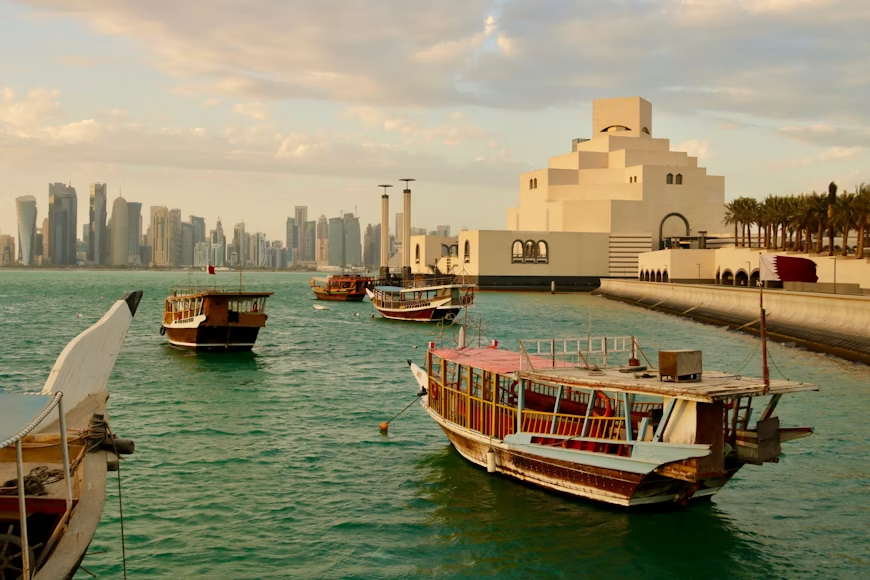
Travel in Qatar becomes most restrictive between June and September, when extreme desert heat dominates daily life and defines what many consider the worst time to visit Qatar. During these months, daytime temperatures commonly range from 42°C to 47°C, with heat indices rising even higher due to humidity.
July stands out as the most punishing month, when stepping outdoors during daylight hours feels unsafe rather than merely uncomfortable, forcing most sightseeing, errands, and social activity indoors by necessity.
This article explains how Qatar’s peak summer heat affects real travel decisions, from sightseeing limits and health risks to transport and scheduling constraints. It also covers secondary challenges outside summer, including peak-season pressures, and outlines what realistically works if your visit falls during Qatar’s most demanding months.
Source: Unsplash
Why Does Qatar Get So Hot?

Source: Unsplash
Qatar sits on a small peninsula extending into the Persian Gulf, and its location shapes extreme seasonal conditions. Official climate guidance from Visit Qatar describes a dry subtropical desert climate marked by very hot summers and mild winters. This geography places Qatar among the harshest destinations during peak summer.
The worst months to visit Qatar fall during the summer season, when hot desert winds known as Shamal blow across the country. These winds occur most often in June, July, and August and drive temperatures to dangerous levels. Daytime highs frequently reach 45°C or more, which severely limits safe movement outdoors.
The decision of when not to visit Qatar also depends on humidity levels. Summer humidity typically ranges between 40% and 60%, with coastal areas feeling even heavier. Heat combined with moisture creates oppressive conditions that make outdoor sightseeing and daytime activities extremely difficult.
Suggested Read: 15 Top Markets in Qatar to Delight Every Type of Shopper!
Summer Months (June to September): The Real Challenge

Source: Unsplash
These four months stand out as Qatar worst travel months. Heat levels turn oppressive, daily movement feels draining, and most outdoor attractions become impractical or unsafe to enjoy.
Temperature Breakdown by Month
|
Month |
Average High |
Average Low |
Sea Temperature |
Rainfall |
|
June |
41°C (106°F) |
28°C (82°F) |
31°C (88°F) |
0mm |
|
July |
42°C (108°F) |
29°C (84°F) |
33°C (91°F) |
0mm |
|
August |
42°C (108°F) |
29°C (84°F) |
34°C (93°F) |
0mm |
|
September |
39°C (102°F) |
27°C (81°F) |
32°C (90°F) |
0mm |
Why Summer Creates Genuine Problems
The bad time to travel to Qatar during the summer comes down to daily conditions that limit movement and comfort. Extreme heat changes how the city functions and removes much of what visitors come to experience.
- Midday outdoor sightseeing becomes unsafe due to intense heat
- Desert excursions and dune bashing lose appeal under extreme conditions
- Beach visits feel uncomfortable as sea temperatures rise above 30°C
- Walking through Souq Waqif feels draining within minutes
- The Corniche and outdoor promenades remain largely empty
- Heat index levels can rise beyond 50°C during July, creating real health risks
Health Concerns During Peak Heat
Qatar’s summer heat creates real health risks for visitors. The UV index reaches extreme levels, often hitting 12 between April and August. Direct sun exposure can cause skin burns within minutes, and heat exhaustion or dehydration becomes a serious threat during outdoor activity.
Official guidance from Visit Qatar advises wearing loose, breathable clothing and limiting time outdoors. Indoor, air-conditioned spaces offer the safest way to move around during peak summer months.
Economic Comparison Across Seasons
|
Cost Factor |
Summer (Jun-Sep) |
Peak Winter (Nov-Feb) |
Shoulder (Mar-May, Oct) |
|
Budget Hotel |
$50-80/night |
$120-200/night |
$80-120/night |
|
Mid-range Hotel |
$100-150/night |
$200-350/night |
$150-250/night |
|
Desert Safari |
$60-90 |
$100-150 |
$80-120 |
|
Daily Budget |
$80-120 |
$150-250 |
$100-180 |
Please note: Prices fluctuate based on events and demand.
The Humidity Factor
June records the lowest average humidity at about 41%, yet extreme heat still makes conditions uncomfortable. July and August bring a tougher mix, as humidity rises while temperatures stay at peak levels. Locals often describe this stretch as the most oppressive time of the year due to constant heat stress and limited outdoor comfort.
Suggested Read: Top 10 Beaches in Qatar: Your Ultimate Guide to Serenity and Fun
Peak Season Crowds and Considerations

Source: Unsplash
When Crowds Peak
November through February brings the highest visitor numbers to Qatar. Data from Qatar Tourism shows clear spikes during several recurring periods:
- AFC Asian Cup matches in January
- Formula 1 Qatar Grand Prix weekend
- School holidays across Saudi Arabia and other GCC countries
- Cruise season, which runs from October through April
- Major shopping festivals and cultural events
Peak Season Challenges:
Peak months place visible pressure on services across Qatar. Availability drops quickly, and daily plans require advance coordination.
- Hotels sell out weeks ahead, especially in central Doha
- Popular restaurants rely on advance reservations
- Museum entry queues grow longer during afternoons and weekends
- Souq Waqif becomes tightly packed during evening hours
- Desert camps reach full capacity on weekends
- Prices rise sharply across accommodation, tours, and dining
Major Events Driving Crowds
Qatar’s event calendar plays a major role in crowd surges. Visitor numbers rise sharply during international events, especially the AFC Asian Cup in January and the Formula 1 Grand Prix. During these periods, hotel occupancy regularly exceeds and availability tightens across Doha and nearby areas.
Suggested Read: How to Check Qatar Visa Status Online for Indians?
Transitional Periods to Watch

Source: Unsplash
March through May and October sit between Qatar’s extreme seasons, yet each brings its own challenges that affect travel comfort.
Spring conditions (March to May)
Temperatures rise steadily from about 27°C in March to nearly 38°C by May. Occasional Al Sarayat storms bring brief but intense thunderstorms, along with strong winds and sudden rain. By May, daytime heat already feels heavy, and outdoor activities require careful timing.
Autumn transition (October)
October marks the shift away from peak summer heat. Temperatures ease from September highs and settle closer to the mid-30°C range. The Al Wasmi period introduces occasional rainfall, and tourism services begin preparing for the busy winter season.
The worst weather in Qatar during spring comes from sudden sandstorms and the rapid climb in temperatures as May approaches. Late May often feels close to full summer conditions, which limits outdoor plans and shortens comfortable sightseeing hours.
Suggested Read: Qatar Visa Photo Requirements for Indian Citizens
Managing a Trip During Tough Periods

Source: Unsplash
Sometimes travel dates remain fixed regardless of weather, and Qatar still provides substantial indoor alternatives during difficult periods.
Smart Strategies for Summer Visits
- Plan any outdoor time before 9:00 AM or after 6:00 PM
- Choose hotels with reliable air conditioning and indoor pool access
- Treat museums and indoor attractions as main activities
- Use the Doha Metro to move between areas in air-conditioned comfort
- Keep water with you at all times and drink regularly
- Reapply high-SPF sunscreen throughout the day
- Wear loose, light-colored clothing to reduce heat stress
- Return to your hotel during midday hours for rest and cooling
Climate-Controlled Activity Options
When Qatar’s extreme summer heat makes outdoor activities unbearable, these air-conditioned venues provide comfortable refuge with world-class experiences.
- Museum of Islamic Art (MIA) – I.M. Pei-designed masterpiece housing one of the world’s finest Islamic art collections spanning 1,400 years. The building itself is an architectural landmark on Doha’s Corniche. Air-conditioned galleries provide hours of cultural exploration.
- National Museum of Qatar (NMoQ)– Designed by Jean Nouvel in a desert rose formation, this museum tells Qatar’s story through 11 galleries. Multisensory displays cover Bedouin life, pearl diving traditions, and the nation’s transformation. Children find interactive installations particularly engaging.
- 3-2-1 Qatar Olympic and Sports Museum– Located in Aspire Zone, this museum celebrates sports heritage with interactive exhibits across multiple floors. Stories of legendary athletes make it engaging for all ages.
- Villaggio Mall– Venice-inspired architecture featuring an indoor canal with gondola rides and an Olympic-sized ice skating rink at Gondolania. The ice arena offers genuine relief from summer heat with temperatures you won’t find anywhere else in Doha.
- Mall of Qatar– Spanning 5.4 million square feet with over 500 stores and direct Doha Metro connection. Entertainment options include Snow Dunes where temperatures drop to -4°C, a surreal escape from 45°C summer days outside.
- Place Vendôme– The largest shopping center in the Middle East with 580 stores. Metro-connected for easy access and extensive air-conditioned exploration across multiple levels.
Summer Benefits to Consider
Summer travel in Qatar does come with a few practical advantages for visitors who adjust their plans.
- Hotel rates often drop compared to peak season
- Popular attractions remain quiet, with little to no waiting
- Restaurants seat guests immediately, even at peak dining hours
- Museums and cultural sites feel calmer and less crowded
- Desert camps and tour operators offer better pricing and availability
- Service across hotels and venues feels more personal due to lower demand
Emergency Contact Information
|
Service |
Phone Number |
|
Police, Fire, Ambulance |
999 |
|
Worldwide Emergency (Mobile) |
112 |
|
Emergency for Deaf |
992 |
|
Health Unified Contact Center |
16000 |
|
Hamad Medical Corporation |
16060 |
|
Kahramaa (Water/Electricity) |
991 |
|
Qatar National Tourism Council |
106 |
Suggested Read: Qatar Visa Rejection For Indians


FAQs
Which month brings the hottest temperatures in Qatar?
In Qatar, July brings the highest temperatures of the year. Daytime heat regularly reaches around 42°C (108°F), and humidity pushes conditions even higher. Night temperatures remain close to 29°C (84°F), which means the body gets very little recovery from the heat.
Does Qatar get crowded during the winter months?
Yes, Qatar becomes noticeably crowded between November and February. Cooler weather attracts visitors from across the GCC and Europe, and major events add further pressure on hotels and flights. During this period, advance planning becomes essential.
What makes summer a bad time to travel to Qatar?
Summer in Qatar combines extreme heat with high humidity and no rainfall. The outdoor movement becomes difficult during daylight hours, beaches lose comfort as sea temperatures rise, and prolonged exposure can lead to dehydration or heat exhaustion for unprepared visitors.
Are there advantages to visiting during the off-season?
Yes, the off-season offers clear benefits. The hotel prices drop sharply, attractions remain quiet, and service feels more relaxed. Qatar’s strong indoor infrastructure allows museums, malls, and entertainment venues to operate comfortably despite outside heat.
When does the worst weather in Qatar occur?
The worst weather occurs in July and August, when extreme heat and humidity dominate daily life. The temperatures exceed 42°C for extended periods, cooling remains limited even at night, and outdoor plans require strict time management.
Can I still enjoy outdoor activities during the summer?
The outdoor activity remains possible only during limited hours. Early mornings before 9 a.m. and evenings after 6 p.m. offer slightly safer conditions, while desert experiences usually operate at night with air-conditioned transport.
How should I prepare for summer travel to Qatar?
The preparation focuses on heat management to travel to Qatar. Lightweight clothing, strong sunscreen, and constant hydration are essential. The hotels should offer reliable air conditioning, and daily plans should prioritize indoor attractions during peak heat hours.
What truly defines the worst time to visit Qatar?
The worst time to visit Qatar runs from June to September, when extreme heat limits outdoor activity, reduces sightseeing comfort, and raises health concerns. July is the most difficult month, which is why most travelers prefer visiting in winter.