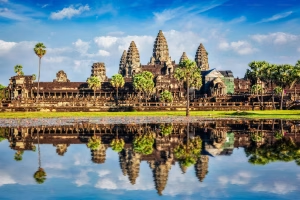
Cambodia draws travelers with sunrise views at Angkor Wat, lively night markets, and quiet riverside towns. Before you start planning, you might find yourself wondering, is Cambodia safe to visit, especially if you’ve seen mixed reports about scams or petty crime?
The country welcomed more than 6.7 million travelers in 2024, a sign that tourism remains steady and accessible. With basic precautions and awareness of how common issues occur, you can move through Cambodia confidently and enjoy the places that make it such a memorable destination.
Source: Freepik
Cambodia Safety Update: Current Conditions

Source: Unsplash
The crime rate in Cambodia has shown significant improvement since the early 2000s, especially regarding violent crime. The country recorded a homicide rate of 2 per 100,000 population in 2011, which is significantly lower than many neighboring nations.
Phone and bag snatching incidents occur frequently in areas where foreigners gather. Thieves on motorcycles cruise alongside pedestrians and tuk-tuks, grabbing belongings before speeding away. The Phnom Penh riverfront area and Wat Botum are confirmed hotspots. While resistance is not advised, victims who resist the theft are at risk of serious injury.
Cambodia faces a severe and pervasive issue with transnational organized crime operations. Scam centers that utilize human trafficking and forced labor generate an estimated annual revenue of around $12.8 billion, a figure that represents over 30% of the country’s GDP.
These operations mainly affect foreign workers lured by fake job offers, particularly in Sihanoukville and compounds near border areas. It is estimated that over 100,000 people are exploited in these scam compounds across the region under threat of violence.
Traffic remains Cambodia’s deadliest threat to visitors. The country recorded 1,509 traffic deaths in 2024, averaging about four deaths daily. Emergency services in Cambodia face significant challenges. The ambulance hotline 119 sometimes goes unanswered, and response times vary greatly depending on location and traffic conditions.
Suggested Read: Cambodia Visa for Indians: All You Need to Know
Notable Petty Crimes and Scams in Cambodia

Source: Unsplash
Notable petty crimes in Cambodia mainly target tourists and include snatch-and-grab thefts, ATM skimming, street-level scams, and fake charity schemes. These issues are more common in busy tourist hubs, making it important for travelers to understand how these scams operate and where they typically occur.
Common Scam Types
1. ATM Card Skimming and Banking Fraud
- Skimming devices are attached to ATMs, especially standalone machines, capturing card data and PIN numbers, then draining accounts days or weeks later.
- Hidden cameras record PIN entries, and fraudulent withdrawals often appear in different provinces or neighboring countries, making recovery difficult.
- Reports increased across major tourist hubs in 2024, reflecting the financial impact of these operations and the overall crime rate in Cambodia in busy visitor zones.
- These machines are placed in high-traffic areas where distracted tourists rush transactions, making skimming one of the most common scams in Cambodia.
2. Motorbike Theft and Property Snatching
- Thieves on motorcycles work in pairs, riding alongside pedestrians or tuk-tuks to snatch phones, bags, cameras, or jewelry within seconds.
- Resistance can lead to injury, which is important for anyone thinking about solo travel safety in Cambodia or moving through busy markets and riverfront areas.
- Phnom Penh’s riverside, Pub Street in Siem Reap, and certain temple routes remain frequent areas to avoid in Cambodia during peak hours due to repeated snatch-and-grab cases.
- Hotel theft also occurs, especially in lower-rated properties, where unsecured safes or staff access make valuables vulnerable.
Suggested Read: Cambodia Visa Extension for Indians
3. Fake Orphanages and Charity Schemes
- Some operators recruit children from low-income families and present them as orphans to solicit donations from tourists at popular sites.
- Emotional stories about urgent needs, milk, school supplies, and medicine encourage immediate cash contributions ranging from small amounts to larger gifts.
- Purchased items are often returned to stores for cash, while children receive little benefit, making this one of the most deceptive common scams in Cambodia.
- A similar tactic involves women carrying babies and asking for money for formula, sometimes using rented infants to increase sympathy.
4. Police Corruption and False Violations
- Some officers charge tourists for basic services or invent traffic violations, demanding cash payments instead of formal processing.
- Foreigners on rental motorcycles face frequent stops, with claims of missing documents or improper licensing used to justify on-the-spot fines.
- Arrests involving intoxicated travelers sometimes lead to demands for money before release, reflecting structural issues that affect how to stay safe in Cambodia as a tourist.
- Certain rental shops collaborate with officers, resulting in manufactured fines that exceed deposits, creating repeated losses for renters.
Travelling to Cambodia this year? You can book your Cambodia visa with OneVasco for a streamlined and convenient process.
Suggested Read: Cambodia Visa Photo Requirements for Indians
Prevention Tips

Source: Unsplash
- Use ATMs inside bank branches, cover your PIN, and check for device tampering to reduce the risk of skimming, one of the most common scams in Cambodia.
- Keep bags on the side away from the road, secure valuables in tuk-tuks, and avoid displaying phones or cameras in high-risk areas to support how to stay safe in Cambodia as a tourist.
- Donate only through verified charities and decline street solicitations, ensuring your support reaches genuine organizations instead of fraudulent schemes.
- Choose tuk-tuks or Grab over motorcycle rentals without proper licensing, and pay any fines at official stations, key steps under guidelines for safe travel in Cambodia.
- Store valuables securely, use inward-facing cross-body bags, and photograph important documents; this is helpful for solo travel safety in Cambodia in theft-prone areas.
- Confirm job offers through verifiable details and avoid suspicious opportunities, especially near border regions often identified as areas to avoid in Cambodia.
General Safety in Cambodia

Source: Unsplash
Nighttime Safety Considerations
- Nightlife safety in Cambodia is strongest in Siem Reap’s Pub Street, where steady crowds and regular police presence help keep evening activities manageable with basic precautions.
- Phnom Penh’s riverside becomes risky after dark due to poor lighting and isolation, making it one of the areas to avoid in Cambodia when evaluating how to stay safe in Cambodia as a tourist.
- Sihanoukville poses the highest nighttime dangers, especially around casinos and island parties, where assaults and organized criminal activity occur with limited access to help.
- Guidelines for safe travel in Cambodia recommend avoiding solo walks after 10 PM, using trusted transport services, and keeping drinks secured to reduce risks during evening outings.
Physical Safety
Emergency Numbers in Cambodia:
- Police Emergency: 117
- Fire Emergency: 118
- Ambulance Emergency: 119
Response times for emergency services vary significantly. The ambulance hotline sometimes goes unanswered, particularly during rush hours. Private hospitals offer faster responses but charge fees before dispatching ambulances.
Many Cambodians own guns, and shootouts occur regularly from commercial or personal disputes. These incidents happen at various locations, including popular tourist destinations.
Violence involving weapons can arise from seemingly minor traffic disagreements. Stay clear of any confrontations you witness on the streets.
Health and Medical
Health concerns in Cambodia differ sharply from many destinations, and understanding local conditions helps you plan safer trips across cities, rural areas, and border regions. Visitors who research medical risks early make better decisions when considering is Cambodia safe to visit.
- Health and hygiene in Cambodia involve high exposure to waterborne illnesses and mosquito-transmitted diseases like dengue and malaria.
- Dengue appears year-round with peaks during the rainy season, while malaria mainly affects forested border zones; major tourist hubs like Angkor Wat and Phnom Penh report minimal malaria transmission.
- Rabies remains widespread, with large numbers of dog bites reported annually; travelers spending time in rural regions may benefit from pre-exposure vaccination and knowing emergency numbers in Cambodia.
- Public hospitals offer limited care, and private facilities provide more reliable treatment at higher costs, making travel insurance an essential part of guidelines for safe travel in Cambodia.
Suggested Read: How to Check Cambodia Visa Status in India
Law and Prohibitions

Source: Unsplash
- Cambodia’s legal system functions with limited transparency, and political influence often affects investigations and trials, which is important for anyone considering Is Cambodia safe to visit and wanting realistic expectations about legal protections.
- Drug possession carries strict penalties, and enforcement may involve targeting foreigners for informal payments, making caution a key part of guidelines for safe travel in Cambodia.
- Photography is restricted at military sites, airports, and government buildings; always ask permission before photographing monks or locals, as taking pictures without consent can cause tension.
- Respect for religious customs remains essential; avoid touching monks, point your feet away from Buddha statues, and follow dress codes at temples, which helps maintain positive interactions and supports how to stay safe in Cambodia as a tourist.
Suggested Read: Reasons for Cambodia Visa Rejection for Indian Nationals
Climate and Weather Safety

Source: Unsplash
Cambodia’s tropical climate remains hot and humid throughout the year, with temperatures often climbing above 35–40°C from March to May. Many visitors experience heat exhaustion and dehydration during this period, making hydration and sun protection essential parts of safety tips for travelers in Cambodia.
The rainy season from May to November brings heavy afternoon storms, flooding, and a sharp rise in mosquito activity, leading to increased dengue cases. These conditions can disrupt travel by making roads impassable and damaging infrastructure.
Typhoons from the South China Sea occasionally worsen rainfall and flooding, while the dry season from December to April offers more stable weather but exposes sandbars and riverbeds that can damage boats.
Suggested Read: Cambodia on a Budget: The Ultimate Guide to Affordable Adventures
Traffic and Pedestrian Safety

Source: Unsplash
Road conditions in Cambodia vary sharply between cities, rural areas, and border regions. Many travelers asking, “Is Cambodia safe to visit?” consider these factors when deciding whether to rent a motorcycle, hire a tuk-tuk, or rely on other transport options:
- Road accidents occur more often than crime incidents, as driving standards, road quality, and vehicle maintenance frequently fall below international norms.
- Solo travel safety in Cambodia is heavily affected by motorcycle risks, which account for most fatal crashes and often involve poorly maintained rentals or inexperienced drivers.
- Accident scenes draw crowds that can create confusion or pressure; move to a safe spot, avoid surrendering your passport, and contact emergency numbers in Cambodia if you need assistance.
- Helmet laws apply nationwide, and riding without proper documentation can void insurance policies, making compliance essential under guidelines for safe travel in Cambodia.
Suggested Read: Things Not to Do in Cambodia: 11 Things to Avoid for a Trouble-Free Trip


FAQs
Is it safe for solo travelers to visit Cambodia?
Yes, solo travelers can visit safely with basic precautions. Women’s safety in Cambodia improves by avoiding isolated areas at night, dressing modestly, and moving confidently through busy locations.
What are the most dangerous areas tourists should avoid?
Sihanoukville, Poipet, certain border regions, and isolated forest zones are key areas to avoid in Cambodia, especially after dark or when traveling without local guidance.
How can I protect myself from common scams?
Use bank ATMs, secure your bag away from the road, verify charities before donating, and rely on Grab or trusted transport, important safety tips for travelers in Cambodia to reduce exposure to common scams in Cambodia.
What health precautions should travelers take?
Drink bottled water, choose busy eateries, use DEET-based repellent, and consider vaccines and travel insurance to manage risks tied to health and hygiene in Cambodia.
Is Cambodia safe to visit compared to neighboring countries?
Yes, Cambodia remains a workable destination for informed travelers, and most issues involve petty crime rather than serious violence. With a few practical precautions, anyone wondering is Cambodia safe to visit can expect a trouble-free experience.