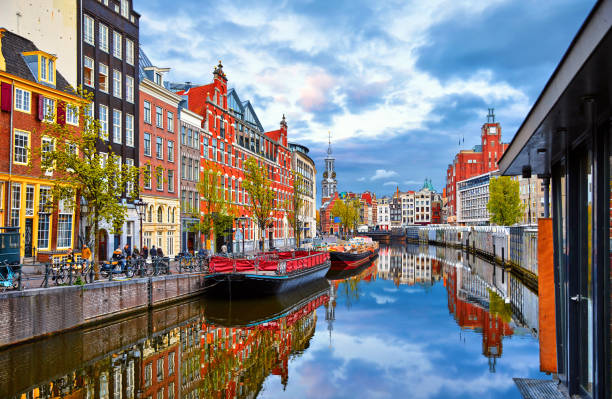
The Netherlands recorded 51.7 million overnight guests in 2024, with nearly 21.3 million arriving from abroad. This popularity comes with a catch: timing your visit poorly can significantly diminish the experience. After all, the best travel stories do not come from the worst time to visit Netherlands!
The peak winter season, November through February, presents the most challenging travel conditions. The Netherlands experiences approximately 50 days without any sunshine each year, concentrated heavily in these months. Peak summer presents a contrasting challenge: overcrowding. August 2024 brought 2.45 million visitors — the country’s busiest month.
This guide maps out exactly when to stay away, why winter’s relentless gloom saps the joy from outdoor exploration, how summer transforms charming neighborhoods into overcrowded spectacles, and what to do if your schedule offers no flexibility.
What Is The Worst Time To Visit Netherlands?

Two distinct periods create problems for visitors. The worst weather in Netherlands typically hits from November through February, when temperatures drop, daylight hours shrink, and rain becomes a constant presence. The other challenging window runs from April through August, when tourist crowds pack every attraction, and hotel prices skyrocket.
Between these two trouble spots, winter causes more disappointment for first-time visitors. The Royal Netherlands Meteorological Institute (KNMI) records an average winter temperature of just 3.4°C across the country. The 2024-2025 winter ran slightly warmer at 4.5°C.
The real problem isn’t cold alone: winter delivers only 222 hours of total sunshine across December, January, and February combined. That averages roughly 2 hours daily, with December dropping to just 1.7 hours. The Netherlands logs approximately 50 days without any sunshine each year, which fall between November and January.
| Period | Temperature Range | Major Challenges |
| Winter (Nov-Feb) | 0-7°C (32-45°F) | Cold, darkness, rain, grey skies |
| Tulip Season (Apr-May) | 7-15°C (45-59°F) | Massive crowds, high prices |
| Summer Peak (Jul-Aug) | 17-22°C (63-72°F) | Overcrowding, accommodation shortages |
Suggested Read: Netherlands Visa Photo Requirements for Indians
Gloomy Winter Months (November to February): Potential Issues

The worst months to visit Netherlands stretch from November through February. This period delivers exactly what Northern Europe is famous for: wet, grey, bone-chilling weather that makes every outdoor moment a battle against the elements.
With 26% of the country lying below sea level, including Amsterdam at one to two meters beneath it, moisture shapes daily life in the Netherlands. Fog, mist, and damp air linger across the landscape, especially in winter. December humidity regularly reaches 88-90%, and when high-pressure systems settle over the flat terrain, thick fog becomes common. The country records roughly 150 rainy days annually, with winter absorbing much of that steady drizzle.
Temperature and Daylight Challenges
January holds the record as the coldest month. The KNMI confirms average daily temperatures ranging from 2.5°C in the northeast (Groningen) to around 4.5°C along the southwestern coast. Amsterdam averages just 3.7°C in January. It is cold enough to make canal walks miserable without proper gear.
| City | January Average | December Average | February Average |
| Amsterdam | 3.7°C (39°F) | 4.4°C (40°F) | 3.5°C (38°F) |
| Rotterdam | 3.5°C (38°F) | 4.2°C (40°F) | 3.8°C (39°F) |
| Groningen | 2.5°C (37°F) | 3.5°C (38°F) | 2.8°C (37°F) |
| Maastricht | 3.0°C (37°F) | 4.0°C (39°F) | 3.5°C (38°F) |
Rain and Grey Skies
Here’s what nobody tells you about Dutch winters: it rains constantly, but rarely heavily. The 30-year average shows about 206mm of precipitation across December, January, and February combined, spread across dozens of drizzly days rather than concentrated downpours.
November marks when not to visit Netherlands if you hate rain. This month sees the highest precipitation in the autumn period, and the dreary pattern continues straight through winter. Wind speeds also pick up, with coastal areas experiencing frequent storms.
Outdoor Highlights Put on Pause
The Netherlands worst travel months eliminate much of what makes this country special:
- Cycling is less fun with cold wind, wet streets, and short days.
- Canal views lose their charm under bare trees and grey skies.
- Tulip fields are dormant, showing only brown soil.
- Outdoor markets have fewer stalls and shorter hours.
- Beach towns like Zandvoort and Scheveningen feel empty and windswept.
Suggested Read: Netherlands Visa Extension for Indians
Travelling to Netherlands this year? You can book your Netherlands visa with OneVasco for a streamlined and convenient process.
When Peak Tourist Season Gets Overwhelming

The most crowded time in Netherlands, with millions flooding into a country smaller than many American states. CBS (Statistics Netherlands) reported 51.7 million guests in 2024, and the bulk arrived during these months. The peak months tell the story: August drew 2.45 million visitors, July followed with 2.44 million, and May brought 2.14 million, nearly 7 million arrivals across just three months.
Tulip Season Madness (April-May)
April and May draw crowds chasing the famous Keukenhof gardens and blooming tulip fields. These months mark a bad time to travel to Netherlands if you dislike queues. Popular attractions require booking weeks ahead, and hotels fill months before your arrival.
The problem extends beyond flowers. King’s Day on April 27 transforms Amsterdam into one massive street party. While exciting if you’re prepared, it catches many visitors off-guard with:
- Hotels that double or triple their rates
- Streets so packed you can barely move
- Public transport is overwhelmed beyond its function
- Many regular attractions and services closed
Summer Surge (July-August)
July and August bring the absolute peak of tourism. Amsterdam alone welcomed over 1.02 million visitors in July 2024. August pulled in 2.45 million guests across the entire country, which is the highest monthly total of the year. Some of the common difficulties include:
- Top attractions like the Van Gogh Museum and Anne Frank House sell out days in advance
- Popular restaurants require reservations a week ahead of time
- Canal cruise boats run at full capacity with lengthy waits
- Accommodation prices jump 50-80% above off-season rates
- Public transport feels uncomfortably packed during peak hours
- Photo opportunities at iconic spots require patience and elbows
- Peaceful canal-side strolls become crowded shuffles
- Quality of service drops as staff become stretched thin
Suggested Read: How to Book a Visa Appointment for the Netherlands
Economic Factors Affecting Travel Expenses

The best and worst time to visit Netherlands shows clearly in your wallet. Summer pricing hits hard, while winter offers genuine savings if you can handle the weather.
Accommodation Price Swings
Amsterdam hotel prices tell the story. Average nightly rates sit around €131, but during high season (April through September), expect to pay €244 or more for the same room. The cheapest months for hotels fall between November and February, when rates drop noticeably.
| Season | Average Hotel Rate | Availability |
| Peak (Jul-Aug) | €200-300/night | Very limited |
| Tulip Season (Apr-May) | €180-250/night | Limited |
| Shoulder (Sep-Oct) | €130-180/night | Good |
| Off-Season (Nov-Feb) | €90-140/night | Excellent |
Please note: These numbers represent estimated costs, not official pricing.
Booking timing matters too. During summer, decent central Amsterdam hotels disappear 2-3 months before arrival. King’s Day weekend and major events require even earlier planning.
Hidden Costs of Both Extremes
Winter brings lower hotel rates but higher expenses elsewhere. You’ll spend more on:
- Indoor activities and museum entries to escape the weather
- Hot drinks and warm meals to fight the cold
- Heavier clothing and rain gear
- Taxis instead of walking or cycling
Summer costs balloon beyond accommodation:
- Attraction tickets often include “convenience fees” during peak times
- Restaurant prices in tourist areas climb 20-30%
- Canal cruises charge premium rates
- Even street food vendors raise prices when demand peaks
Suggested Read: How To Check Netherlands Visa Status for Indians
Essentials For Traveling Through Tough Times

Life doesn’t always align with the calendar. Whether it’s work or family obligations, you might end up traveling during the worst time to visit Netherlands. Sometimes, planning ahead makes all the difference.
Managing Peak Season Chaos
The key to a stress-free journey is thoughtful preparation. Here are a few tips that may help:
- Book major museums 2-4 weeks ahead through official websites
- Reserve restaurant tables 1-2 weeks before arrival
- Purchase train tickets early for popular routes
- Consider staying in Rotterdam or Utrecht and day-tripping to Amsterdam
- Visit major attractions at opening time or in the last hour before closing
- Explore lesser-known neighborhoods like Jordaan early in the morning before crowds arrive
Indoor Alternatives for Winter Visits
When the worst weather in Netherlands keeps you off the streets, these climate-controlled venues save the day:
- Rijksmuseum: Home to 8,000+ works, including Rembrandt and Vermeer; 1.5 km of galleries perfect for a rainy day.
- Van Gogh Museum: World’s largest Van Gogh collection; tickets €24 (€25 from 2026), best visited in winter for smaller crowds.
- Anne Frank House: Historic museum with powerful exhibits; winter offers slightly better availability.
- NEMO Science Museum: Interactive exhibits for families; rooftop terrace offers great city views.
- Fabrique des Lumières (Amsterdam): Immersive digital art with music and projections in a former industrial space, warm and entertaining.
- Mauritshuis (The Hague): Home to Vermeer’s Girl with a Pearl Earring and Dutch Golden Age art; small galleries mean quieter, more intimate visits.
Winter Survival Strategies
| Challenge | Solution | Why It Works |
| Cold temperatures | Layer clothing with a waterproof outer shell | Dutch cold is damp; layers trap heat better |
| Short daylight | Start sightseeing early, plan indoor afternoons | Maximize limited light hours |
| Frequent rain | Carry a compact umbrella always | Showers arrive without warning |
| Grey mood | Book cafés with canal views, try Dutch comfort food | Embrace the cozy “gezellig” culture |


FAQs
What are the coldest months in Netherlands?
January and February are the coldest months, averaging 2.5-4°C. Rare historic lows aside, the damp winter chill can still cut through layers.
When does Netherlands get the most rain?
November consistently sees the highest rainfall during autumn, and December leads the wettest winter period. The country experiences about 130 rainy days annually. The worst weather in Netherlands often combines light but constant drizzle with grey skies that last for weeks.
What is the most crowded time in Netherlands?
July and August mark the most crowded time in Netherlands, with 2.45 million visitors nationwide in August 2024. Amsterdam alone welcomed over 1 million guests in July. Tulip season (mid-April-early May) also brings heavy crowds to Keukenhof and nearby areas.
How much more expensive are hotels during peak season?
Amsterdam hotels average €131 per night normally, but rise to €244+ in peak summer. King’s Day and major events push prices even higher. The best and worst time to visit Netherlands become clear when comparing winter rates (€90-140) against summer pricing.
Are museums less crowded in winter?
Yes. Winter brings noticeably fewer tourists, meaning shorter queues at the Rijksmuseum, Van Gogh Museum, and other major attractions. You’ll spend more time enjoying art and less time waiting in line. However, this comes with the trade-off of cold, dark, and wet conditions outside.
When should tourists completely avoid Netherlands?
The Netherlands worst travel months depend on your priorities. Skip November-February for outdoor fun and pleasant weather. Avoid July–August and King’s Day week if crowds and high prices aren’t your thing. Every season has trade-offs.
What is the best time to visit Netherlands?
For mild weather and fewer crowds, visit late September-October. Another sweet spot is late March-early April, just before tulip season. These shoulder periods contrast sharply with when not to visit Netherlands during extreme winter or peak summer.
Which months should I skip entirely for a first visit?
For first-time visitors, the worst time to visit Netherlands falls in December and January when darkness, cold, and rain limit outdoor exploration. August also disappoints many with its overwhelming crowds and inflated prices.