Vietnam is one of the most visited countries in the world; its unique traditions, beautiful landscape, and hospitality, along with delicious cuisine, attract millions of tourists. The best way to truly experience the country’s vibrancy and individuality is through its unique festivals and events.
Throughout the year, the country hosts unique festivals like Lim Festival, Lunar New Year, Perfume Pagoda Festival, and Ghost Festival that tourists can attend and immerse themselves in. Let’s look at some of the 10 top festivals in Vietnam that you cannot afford to miss.
Lim Festival
The Lim Festival is a unique folk festival celebrating the Quan Họ tradition, a style of Vietnamese folk music recognized by UNESCO as an Intangible Cultural Heritage of Humanity. It is a social and artistic event where male and female singers interact and flirt through melodic songs. It is one of the greatest and most unique festivals celebrated in Vietnam.
- Location: Lim Hill, Tiên Du District, Bắc Ninh Province (near Hanoi).
- Date & Time: Typically on the 13th day of the first lunar month (late January/February).
- Highlights: Quan Họ singing competitions, often performed on small traditional dragon boats on the pond or from the tops of hills; traditional games like wrestling and human chess; and a vibrant atmosphere of courtship through song.
- Specialties: The captivating and sophisticated Quan Họ folk singing, which involves intricate lyrical and melodic improvisation between paired singers.
- Pro Tip: This is a very popular festival, especially for local visitors. Travel early from Hanoi to secure a spot and immerse yourself in the crowds and the music.
Must Read: Vietnam Visa for Indians: A Comprehensive Guide
Ghost Festival

Known as the Ghost Festival or Wandering Souls Day, this is a major Buddhist and traditional holiday focused on expressing filial piety, honoring ancestors, and offering food and money to wandering spirits. It is a deeply spiritual and solemn occasion. It is one of the most famous celebrations in Vietnam that the tourists can witness, cherish, and remember.
- Location: Nationwide, celebrated in homes, pagodas, and temples.
- Date & Time: The 15th day of the seventh lunar month (usually August or early September).
- Highlights: The Vu Lan ceremony, where people visit pagodas to pray for the deceased and parents; releasing lanterns on water; and the traditional burning of paper offerings (money, clothes, houses) for ancestors in the afterlife.
- Specialties: The profound display of respect for the dead and elders; the unique and eerie atmosphere of the ceremonies.
- Pro Tip: Visiting a pagoda during the day offers a look at the religious ceremony, but be respectful and mindful of the solemn nature of the rituals.
Mid-Autumn Festival

The Mid-Autumn Festival is primarily a children’s festival in Vietnam, although it is a time for family reunions. It celebrates the full moon and gives thanks for the harvest, featuring colorful parades, lion dances, and special treats. It is one of the most fascinating festivals that symbolizes the value of family and gratitude that the Vietnamese carry in their hearts.
- Location: Nationwide, with major public celebrations in city centers (e.g., Hanoi’s Old Quarter) and parks.
- Date & Time: The 15th day of the eighth lunar month (usually mid-September to early October).
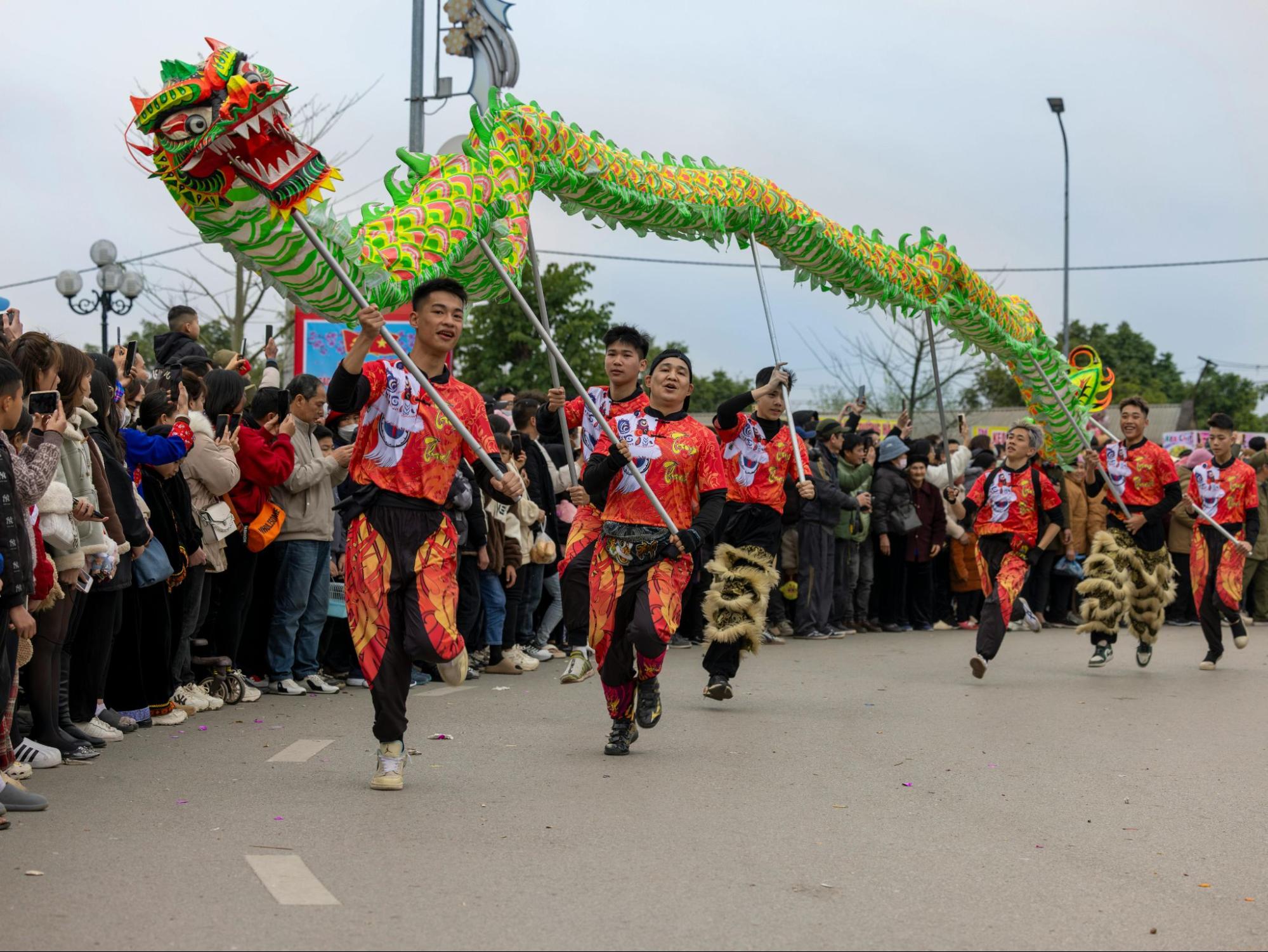
- Highlights: Children parading with star-shaped lanterns, spectacular lion and dragon dances in the streets, and the consumption of delicious Mooncakes (Bánh Trung Thu).
- Specialties: The focus on children, with street performances and games creating a joyful, carnival-like atmosphere.
- Pro Tip: Try the traditional Mooncakes (filled with lotus seeds, salted egg yolk, or red bean paste) and look for the intricate, handmade lanterns.
Must Read: Solo Travel in Vietnam: Your Ultimate Guide
Xến Xó Phốn Festival
Xến Xó Phốn Festival is one of the most unique and unconventional festivals in Vietnam. It is a rain-praying festival celebrated by the White Thai ethnic minority group. It involves ritual dancing and singing to pray for good weather and a successful harvest, often featuring community games and feasts.
- Location: Villages in the Northwestern mountainous region, primarily in Sơn La and Lai Châu Provinces.
- Date & Time: Typically held in the fourth lunar month (around May).
- Highlights: Traditional singing and dancing rituals performed by village elders and shamans, communal feasts featuring local dishes, and displays of White Thai ethnic clothing and customs.
- Specialties: Its deeply regional and ethnic focus, offering a rare glimpse into the unique animistic traditions and culture of the White Thai people.
- Pro Tip: This is an authentic and remote festival. You will likely need to arrange a homestay or private transport to reach the specific villages celebrating the event.
Hùng Kings Temple Festival
The Hung Kings Temple Festival is a sacred festival in Vietnam. This national festival is dedicated to honoring the Hùng Kings, the legendary founders and first rulers of Vietnam, who established the first Vietnamese state. It is a deeply patriotic and religious pilgrimage. Several officials and citizens come to the temple to offer incense, flowers, and symbolic foods like bánh chưng and bánh giầy rice cakes.
- Location:Hùng Temple on Nghĩa Lĩnh Mountain, Việt Trì City, Phú Thọ Province, and several other temples in Vietnam.
- Date & Time: The 10th day of the third lunar month (usually April).
- Highlights: A solemn procession involving hundreds of participants carrying offerings to the temples, traditional music and dance, and performances of local folk rituals.
- Specialties: Its status as a national holiday dedicated to the origins of the Vietnamese people and the immense sense of shared heritage and national unity.
- Pro Tip: The pilgrimage site is crowded on the main day. Visit on the preceding days if you wish for a quieter, more contemplative experience, or embrace the massive crowds on the 10th for the full patriotic atmosphere.
Huế Festival & Huế Craft Village Festival

Hue Festival is a major biennial (every two years) cultural and artistic event that celebrates the former imperial city’s heritage. It focuses on reviving the traditions, court music (Nhã Nhạc), royal games, and crafts of the Nguyễn Dynasty. The entire city of Hue comes alive during this festival, and you can expect traditional activities, rituals, street performances, poetry readings, colorful exhibitions, concerts, drumming, and historical movie screenings.
- Location:Huế City, Thừa Thiên Huế Province (inside the Imperial Citadel and along the Hương (Perfume) River).
- Date & Time: Held every two years, usually in late spring/early summer (May or June).
- Highlights: Reenactments of royal ceremonies; stunning performances of UNESCO-recognized Nhã Nhạc (Court Music); street carnivals; traditional boat races; and exhibitions of Huế’s famous conical hats, silk, and embroidery.
- Specialties: Its unique focus on the regal, classical culture of the last Vietnamese dynasty, offering a refined historical experience.
- Pro Tip: The Craft Village Festival often precedes the main Huế Festival, offering a wonderful opportunity to buy high-quality traditional handicrafts directly from the artisans.
Also Read: Visa Rejection Reasons for Vietnam: How to Avoid!
Lunar New Year (Tết)

Tết is the most important and popular holiday in Vietnam. It marks the new year according to the lunar calendar and the arrival of spring. It is a time for family reunion, paying respect to ancestors, and hoping for good fortune. There is a collective festive vibe in the streets of Vietnam; you can expect bustling markets, lion dances, fireworks, cultural performances, and lanterns and red decor everywhere.
- Location: Nationwide, primarily celebrated within family homes and local pagodas.
- Date & Time: The first day of the first lunar month (late January or early February), with celebrations lasting for several days.
- Highlights: Elaborate family altars; traditional foods like Bánh Chưng (square sticky rice cake) and Bánh Tét (cylindrical sticky rice cake); firecrackers and dragon dances; and the giving of lucky money (Lì Xì) to children.
- Specialties: The complete cessation of normal life as everyone focuses on family, traditions, and visiting local temples.
- Pro Tip: While beautiful, most services (restaurants, shops, transport) shut down for a few days. Plan logistics carefully, and enjoy the empty streets and celebratory atmosphere in the parks and temples.
Also Read: Winter in Vietnam: Travel Guide & Seasonal Highlights
Hoi An Lantern Festival

If you are travelling to Vietnam, then you need to plan for this festival. The Hoi An Lantern Festival is a monthly celebration where the ancient town of Hoi An switches off all electric lights and fills its streets and river with thousands of colorful silk and paper lanterns. It is one of the most cherished festivals in Vietnam that aims to recreate the magic of its 17th-century trading port era.
- Location:Hoi An Ancient Town, Quảng Nam Province (especially along the Hoài River).
- Date & Time: The night of the full moon (14th day) of every lunar month.
- Highlights: The sight of thousands of glowing lanterns lining every street and shop, traditional folk games, music, and poetry readings, and the practice of floating small paper lanterns with candles on the river for good luck.
- Specialties: The stunning visual transformation of a UNESCO World Heritage site into a living canvas of light and shadow.
- Pro Tip: The river is the busiest spot. Arrive early, buy a paper lantern to float on the water (for a small fee), and venture onto the smaller side streets for quieter photos.
Must Read: Vietnam in February: Weather, Festivals, & Highlights
Perfume Pagoda Festival
One of the longest and largest religious festivals in Vietnam, the Perfume Pagoda Festival is a Buddhist pilgrimage event that draws hundreds of thousands of worshipers. Pilgrims travel by boat and trek up mountains to worship at the complex of temples and pagodas inside the Huong Tich Cave for happiness, good luck, and prosperity.
- Location:Huong Son Commune, Mỹ Đức District, Hanoi (about 60km south of the city).
- Date & Time: Starts on the 6th day of the first lunar month and lasts until the third lunar month (up to three months long, Jan/Feb to April).
- Highlights: A boat journey along the scenic river to the base of the mountains, a difficult but spiritually rewarding hike up to the sacred Huong Tich Cave, and unique ritual offerings and prayers.
- Specialties: The spiritual journey itself, combining natural beauty with a powerful display of Buddhist devotion.
- Pro Tip: The first few weeks are the busiest and most crowded. Visit later in the season (March/April) for a less strenuous and less packed experience. Wear comfortable, durable walking shoes.
Reunification Day

Reunification Day is also known as Liberation Day or Victory Day. It is a popular event and a public holiday that commemorates the day that the North Vietnamese Army and the Viet Cong captured Saigon (now Ho Chi Minh City) on April 30, 1975. It marks the end of the Vietnam War and the reunification of the country. On this special occasion, the entire country comes together to celebrate with parade processions, flag displays, and cultural events.
- Location: Nationwide, with the largest celebrations, parades, and street parties in Ho Chi Minh City.
- Date & Time: April 30th (national holiday).
- Highlights: Large military and civilian parades in Ho Chi Minh City; massive flags and decorations covering public buildings; concerts and fireworks (often combined with International Labor Day on May 1st).
- Specialties: A powerful display of national pride and unity, particularly in the south where the change is most historically significant.
- Pro Tip: Expect significant road closures and crowds in central Ho Chi Minh City. Book accommodation in advance, as the long weekend draws many domestic tourists.
Also Read: Honeymoon in Vietnam – Top Romantic Spots


FAQs
What festivals are popular in Vietnam?
The most popular festivals are the Lunar New Year (Tết), the monthly Hoi An Lantern Festival, the Mid-Autumn Festival (Tết Trung Thu), and the Perfume Pagoda Festival pilgrimage.
Which are the best festivals & events celebrated in Vietnam?
Some of the best festivals and events celebrated in Vietnam are the Reunification Day, the Mid-Autumn Festival, the Ghost Festival, and the Perfume Pagoda Festival by the locals.
What is the best time to visit Vietnam?
The best time is generally spring (February to April) or autumn (August to October), as these seasons offer the most balanced temperatures across the country and avoid the peak rainy or very hot seasons. You can also plan your holiday around the festivals that excite you the most.
What is the most celebrated holiday in Vietnam?
Lunar New Year is, by far, the most important and celebrated national holiday and festival in Vietnam. It is one of the most cherished festivals in Vietnam.