Portugal is not just about historic cities, coastal views, and Mediterranean food; it’s also one of Europe’s best countries for meaningful shopping. From centuries-old crafts to globally respected wines and practical everyday products, Portugal offers souvenirs that are authentic, useful, and deeply rooted in local culture.
In this article, you’ll find a curated list of 10 must-buy items in Portugal, covering traditional crafts, local food products, wearable items, and home décor.
- 1. Portuguese Cork Products (Bags, Wallets & Accessories)
- 2. Azulejos (Traditional Portuguese Ceramic Tiles)
- 3. Portuguese Ceramics & Pottery (Plates, Bowls & Decorative Pieces)
- 4. Port Wine & Traditional Portuguese Wines
- 5. Portuguese Olive Oil & Gourmet Food Products
- 6. Filigree Gold & Silver jewelery (Portuguese Traditional Designs)
- 7. Portuguese Leather Goods (Shoes, Bags & Wallets)
- 8. Arraiolos Rugs & Traditional Portuguese Textiles
- 9. Portuguese Soaps & Traditional Skincare Products
- 10. Portuguese Canned Seafood & Tinned Fish (Sardines, Tuna & Mackerel)
- FAQs
1. Portuguese Cork Products (Bags, Wallets & Accessories)

Portuguese cork products are one of the country’s most distinctive and sustainable traditional goods. Made from the bark of the cork oak tree (Quercus suber), these products include handbags, wallets, backpacks, footwear, hats, and home accessories.
Cork is naturally lightweight, flexible, water-resistant, and durable, making it practical for daily use while remaining environmentally friendly.
Why Portugal: Portugal is the world’s largest producer of cork, accounting for over half of global cork production. Cork oak forests are protected by law, and cork craftsmanship has been a core rural industry for centuries, especially in regions like Alentejo.
Where to Buy:
- Pelcor stores (Lisbon, Porto)
- Cork & Co (Lisbon)
- Portuguese design boutiques in the Chiado and Baixa districts
- Certified artisan stalls in local craft markets
Price Range: €10–€25 (coin purses, card holders, small accessories), €30–€120 (handbags, backpacks, footwear), depending on design and lining quality
Occasion Suitability: Ideal for eco-conscious gifts, everyday accessories, travel items, office use, and corporate gifting
Authenticity Identification: Genuine cork feels soft, warm, and slightly spongy to the touch. The surface shows natural grain patterns rather than uniform textures. Synthetic cork alternatives feel stiff, plasticky, and crack when bent.
Pro Tip: Choose cork products with reinforced stitching and fabric or leather lining inside; these last significantly longer and maintain shape with regular use.
2. Azulejos (Traditional Portuguese Ceramic Tiles)

Azulejos are traditional glazed ceramic tiles that have become one of Portugal’s most recognisable cultural symbols. Typically decorated in blue-and-white patterns, though also found in yellow, green, and multicoloured designs, azulejos are used to tell stories through art.
Why Portugal: Azulejos are deeply embedded in Portuguese architecture and daily life, covering churches, palaces, train stations, and residential buildings. Portugal developed its own distinctive tile-making style, especially during the 17th–18th centuries, making azulejos uniquely Portuguese rather than generic European ceramics.
Where to Buy:
- Museu Nacional do Azulejo gift shop (Lisbon)
- Viúva Lamego factory store (Lisbon)
- Traditional ceramic shops in Alfama (Lisbon) and Ribeira (Porto)
- Certified artisan stores and museum outlets
Price Range: €5–€15 (single decorative tiles), €30–€100 (framed tiles or boxed tile sets), depending on size and hand-painting detail
Occasion Suitability: Perfect for home décor, housewarming gifts, wall art, and culturally meaningful souvenirs
Authenticity Identification: Hand-painted azulejos show visible brush strokes, slight colour variation, and uneven glaze texture. Mass-produced tiles look perfectly uniform and flat, often with printed designs rather than painted ones.
Pro Tip: Avoid buying old or “antique” tiles removed from buildings; exporting original azulejos can be illegal. Choose newly made decorative tiles from museums or certified ceramic shops.
3. Portuguese Ceramics & Pottery (Plates, Bowls & Decorative Pieces)

Portuguese ceramics and pottery are known for their bold colours, expressive shapes, and strong regional identity. Unlike minimalist European ceramics, Portuguese pottery often features hand-painted motifs such as flowers, fish, fruits, leaves, and nature-inspired forms.
Why Portugal: Portugal has a long-standing ceramic tradition dating back centuries, influenced by Moorish techniques and later refined by local artisans. Towns like Caldas da Rainha became famous for creative, handmade pottery, while brands like Bordallo II and Vista Alegre helped establish Portugal’s reputation for high-quality ceramic design.
Where to Buy:
- Bordallo II stores and outlets
- Vista Alegre shops and factory outlets
- Local ceramic workshops in Lisbon and Porto
- Artisan craft stores in Caldas da Rainha
Price Range: €8–€25 (plates, mugs, small bowls), €40–€150 (serving dishes, decorative ceramics), depending on size and hand-finishing
Occasion Suitability: Ideal for kitchen use, home décor, housewarming gifts, festive presents, and collector pieces
Authenticity Identification: Handmade Portuguese ceramics show slight variations in shape, glaze thickness, and brushwork. Factory-made items look perfectly uniform with identical patterns and ultra-smooth finishes.
Pro Tip: Choose thicker ceramic pieces for travel durability, and always ask the shop to provide protective packaging or bubble wrap.
4. Port Wine & Traditional Portuguese Wines

Port wine is one of Portugal’s most internationally recognised products, known for its rich flavour, sweetness, and fortified production process. Originating from the Douro Valley, Port wine is made by adding grape spirit during fermentation, which stops the process early and preserves natural sugars.
Why Portugal: Portugal’s wine identity is based on indigenous grape varieties and protected regions. Port wine can legally only be produced in the Douro Valley under strict regulations, making it a geographically protected and culturally significant product.
Where to Buy:
- Wine cellars in Vila Nova de Gaia (Porto)
- Garrafeira Nacional (Lisbon and Porto)
- Local wine shops and reputable supermarkets
- Winery estates in the Douro and Alentejo regions
Price Range: €8–€15 (quality table wines and Vinho Verde), €20–€60+ (aged Port wines and reserve selections), depending on age and brand
Occasion Suitability: Suitable for gifting, celebrations, special occasions, wine collectors, and food pairings
Authenticity Identification: Check for DOC or DOP labels and region names like “Douro” or “Porto.” Genuine Port wine will list the producer, alcohol percentage (around 19–20%), and bottling origin.
Pro Tip: If luggage space is limited, consider buying wine at the airport duty-free or choosing half bottles for easier transport.
5. Portuguese Olive Oil & Gourmet Food Products

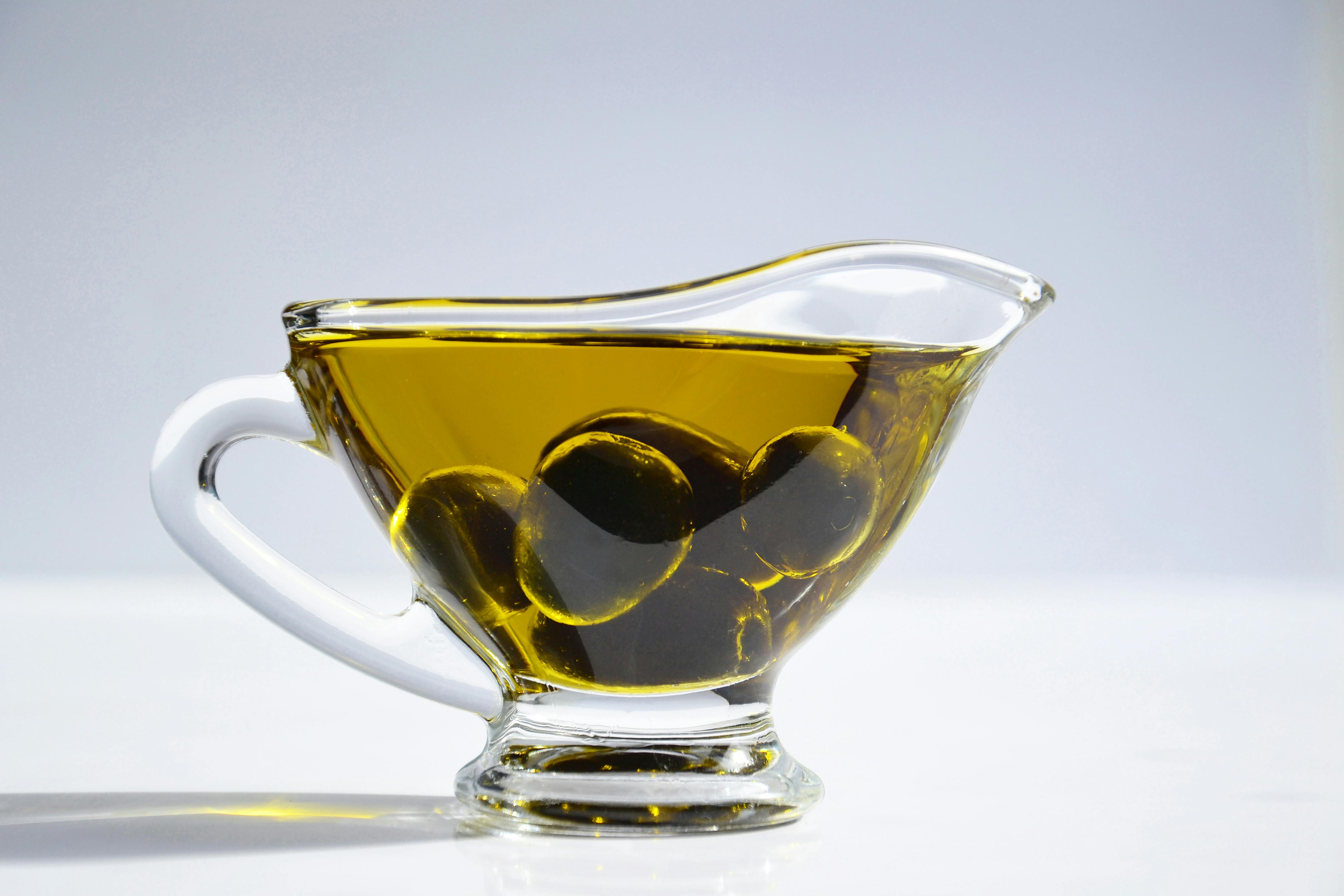
Portuguese olive oil is considered one of the finest in Europe, known for its balanced flavour, low acidity, and traditional cold-press extraction methods. Produced mainly in regions like Alentejo, Trás-os-Montes, and Beira Interior, Portuguese olive oil ranges from mild and buttery to robust and peppery.
Why Portugal: Portugal has a long-standing olive-growing tradition supported by ideal climate conditions and centuries-old farming practices. Many Portuguese olive oils carry Protected Designation of Origin (DOP) status, ensuring strict quality control and regional authenticity.
Where to Buy:
- Local food markets (Mercado da Ribeira – Lisbon)
- Gourmet stores such as A Vida Portuguesa
- Farm shops and cooperatives in Alentejo
- Reputable supermarkets for sealed products
Price Range: €6–€15 (olive oil bottles, 250–500 ml), €5–€20 (honey, jams, gourmet spreads), depending on origin and packaging
Occasion Suitability: Ideal for food lovers, kitchen gifts, premium hampers, and everyday home use
Authenticity Identification: Authentic olive oil lists harvest date, origin region, and acidity level on the label. Quality oils are usually sold in dark glass bottles to protect flavour and freshness.
Pro Tip: Choose smaller bottles for travel and always seal them in leak-proof packaging before placing them in checked luggage.
6. Filigree Gold & Silver jewelery (Portuguese Traditional Designs)

Portuguese filigree jewelery is a traditional metalworking craft known for its intricate, lace-like designs made from fine gold or silver threads. Each piece is carefully shaped, twisted, and soldered by hand to create delicate patterns that appear light but are structurally strong.
Why Portugal: Filigree craftsmanship has been practised in Portugal for centuries, particularly in northern regions such as Minho and towns like Gondomar. Portuguese filigree is legally protected as an intangible cultural heritage craft, preserving traditional techniques passed down through generations.
Where to Buy:
- Certified jewelery shops in Porto and Braga
- Filigree workshops in Gondomar
- Reputable goldsmith stores in Lisbon
- Museum and heritage craft outlets
Price Range: €50–€150 (silver filigree pieces), €200–€1,000+ (gold filigree jewelery), depending on weight, purity, and design complexity
Occasion Suitability: Ideal for weddings, festivals, heirloom gifts, formal wear, and meaningful cultural souvenirs
Authenticity Identification: Authentic filigree jewelery has visible fine wirework with tiny solder points and depth in the design. Look for official Portuguese assay marks indicating metal purity (e.g., 925 for silver). Flat or stamped designs are usually imitations.
Pro Tip: Always request a certificate or receipt stating metal purity and origin, especially when purchasing gold filigree pieces.
7. Portuguese Leather Goods (Shoes, Bags & Wallets)

Portuguese leather goods are valued for their craftsmanship, durability, and clean, functional design. Portugal has a strong footwear and leather-manufacturing industry, producing shoes, handbags, wallets, belts, and travel accessories for both local brands and international luxury labels.
Why Portugal: Portugal is one of Europe’s leading leather and footwear producers, especially in the northern regions around Porto and Guimarães. Skilled artisans and regulated production standards ensure consistent quality, making Portuguese leather goods reliable and competitively priced compared to other European countries.
Where to Buy:
- Portuguese shoe stores in Lisbon and Porto
- Leather boutiques and factory outlets near Porto
- Local brand stores in shopping streets (Chiado, Baixa)
- Certified leather goods shops and outlets
Price Range: €25–€60 (wallets, belts, small accessories), €80–€200 (leather shoes, handbags), depending on leather type and craftsmanship
Occasion Suitability: Suitable for daily wear, professional use, travel accessories, and practical premium gifts
Authenticity Identification: Genuine leather has a natural smell, soft texture, and visible grain. Pressing lightly should leave a temporary mark that fades. Synthetic leather feels rigid, smells chemical, and shows a uniform texture.
Pro Tip: Check stitching quality and interior lining before buying. Well-finished edges and reinforced seams indicate better durability.
8. Arraiolos Rugs & Traditional Portuguese Textiles

Arraiolos rugs are one of Portugal’s most traditional textile crafts, known for their hand-embroidered wool designs and durable construction. Originating from the town of Arraiolos in the Alentejo region, these rugs are embroidered using thick wool yarn on a sturdy linen or cotton base.
The designs typically feature geometric patterns, floral motifs, and symmetrical layouts inspired by Persian and Moorish influences. Each rug is made entirely by hand, making every piece slightly unique and highly durable for long-term use.
Why Portugal: Arraiolos embroidery dates back to the 16th century and remains a protected regional craft in Portugal. The tradition has been preserved through local workshops and artisan cooperatives, particularly in Alentejo, where textile craftsmanship is a key part of cultural identity.
Where to Buy:
- Artisan shops in Arraiolos town
- Certified craft stores in the Alentejo region
- Museum-linked heritage shops
- Reputable Portuguese handicraft boutiques
Price Range: €50–€150 (small rugs and runners), €300–€1,000+ (large or custom-made rugs), depending on size and embroidery detail
Occasion Suitability: Ideal for home décor, heritage gifts, housewarming presents, and collectors of traditional textiles
Authenticity Identification: Authentic Arraiolos rugs show dense hand embroidery on a visible fabric base, with slight variations in stitch tension and pattern alignment. Machine-made rugs appear flatter and overly uniform.
Pro Tip: For travel convenience, choose smaller rugs or wall-hanging sizes. Always confirm the rug is hand-embroidered, not machine-stitched.
9. Portuguese Soaps & Traditional Skincare Products

Portuguese soaps and skincare products are known for their high-quality ingredients, traditional production methods, and elegant packaging. Many Portuguese soap brands have been producing soaps since the 19th century, using vegetable-based formulas enriched with olive oil, almond oil, shea butter, and natural fragrances.
These soaps are long-lasting, gentle on the skin, and often inspired by classic scents such as lavender, citrus, eucalyptus, and sea salt. Their compact size and premium presentation make them ideal travel-friendly souvenirs.
Why Portugal: Portugal has a long tradition of soap-making rooted in access to high-quality olive oil and natural plant ingredients. Historic brands preserved traditional milling and curing methods, which are still used today to maintain soap quality and fragrance longevity.
Where to Buy:
- Claus Porto brand stores
- A Vida Portuguesa (Lisbon and Porto)
- Local pharmacies and heritage gift shops
- Museum and curated lifestyle stores
Price Range: €6–€15 (single soap bars), €20–€50 (gift boxes and skincare sets), depending on brand and packaging
Occasion Suitability: Perfect for gifting, personal care, travel souvenirs, and premium everyday use items
Authenticity Identification: Authentic Portuguese soaps list natural oils in the ingredients and feel firm, not crumbly. Strong artificial fragrance or overly soft texture usually indicates lower-quality or synthetic products.
Pro Tip: Soap gift sets are easier to pack and more presentable for gifting than loose bars.
10. Portuguese Canned Seafood & Tinned Fish (Sardines, Tuna & Mackerel)

Portuguese canned seafood, especially sardines, tuna, and mackerel, is considered some of the best in the world. Unlike mass-produced canned fish, Portuguese conservas are prepared using traditional methods, where fish is hand-cleaned, lightly cooked, and preserved in high-quality olive oil, tomato sauce, lemon, spices, or escabeche.
Portugal’s long Atlantic coastline and fishing heritage make canned seafood a staple of daily cuisine as well as a respected gourmet export. The distinctive illustrated packaging has also turned these tins into popular edible souvenirs.
Why Portugal: Portugal has a centuries-old fishing and preserving tradition, particularly along the Atlantic coast. Many canneries still follow artisanal techniques, and Portuguese sardines are internationally recognised for their flavour, texture, and quality of preservation.
Where to Buy:
- Loja das Conservas (Lisbon and Porto)
- Comur – Traditional Portuguese Fish Cannery stores
- Gourmet food shops and markets
- Speciality food stores in Lisbon and Porto city centres
Price Range: €4–€10 (single tins of sardines, tuna, or mackerel), €15–€40 (assorted gift boxes), depending on brand and preparation style
Occasion Suitability: Excellent for food gifts, gourmet hampers, easy-to-pack souvenirs, and home cooking
Authenticity Identification: Authentic Portuguese conservas list the fishing origin, preparation method, and simple ingredients (fish, olive oil, salt, spices). Avoid tins with long ingredient lists or vague sourcing information.
Pro Tip: Choose mixed-flavour gift packs for variety. Check expiry dates and ensure tins are dent-free before purchase for safe travel.


FAQs
What are the best things to buy in Portugal for gifting?
Portuguese cork products, azulejos tiles, Port wine, filigree jewelery, canned seafood, and traditional soaps make excellent gifts.
Are things expensive to buy in Portugal compared to other European countries?
Portugal is generally more affordable than most Western European countries, especially for locally made products. Crafts like ceramics, cork goods, leather accessories, and gourmet food items are reasonably priced, while gold jewelery and aged wines can be more expensive due to material value and craftsmanship.
Where can I find authentic Portuguese products and local crafts?
Authentic Portuguese products are best found in museum gift shops, certified artisan stores, traditional markets, and region-specific workshops. Lisbon and Porto offer reliable options, while areas like Alentejo (olive oil, rugs), Gondomar (filigree jewelery), and Caldas da Rainha (ceramics) are known for specialised crafts.
What food items can I bring back from Portugal?
You can bring back sealed, non-perishable food items such as canned sardines, olive oil, honey, jams, packaged spices, and bottled Port wine within airline limits. Always check your home country’s customs regulations for alcohol and liquid restrictions before packing.
Is it better to shop at local markets or malls in Portugal?
Local markets and artisan shops are best for traditional crafts, souvenirs, and regional products. Shopping malls are more suitable for branded items, fixed pricing, and comfort but usually offer fewer authentic Portuguese cultural goods.
Can I bargain while shopping in Portugal?
Bargaining is generally not common in Portugal. Prices are usually fixed in shops, markets, and artisan stores. In flea markets or informal stalls, small negotiations may be acceptable, but it should always be polite and limited.
How can I check the authenticity of Portuguese souvenirs?
Look for regional certifications such as DOP/DOC labels for wines and olive oil, Portuguese assay marks on gold and silver jewelery, visible hand-painting on azulejos, and natural textures in cork and leather products. Handmade items typically show small imperfections rather than machine-perfect finishes.
Are there customs restrictions on what I can take home from Portugal?
Yes. Most countries restrict quantities of alcohol, liquids, food products, and high-value items. Exporting antiques, old tiles, or heritage objects may be illegal. Always keep receipts for wine, jewelery, artwork, and food items, and check customs rules before travelling.