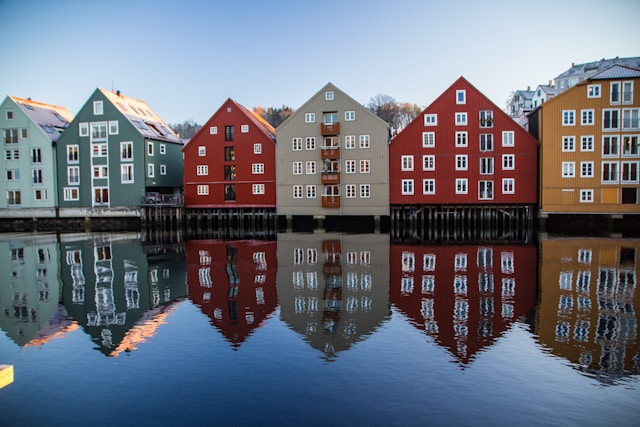
Norway stretches from the sunny south all the way above the Arctic Circle, giving visitors a country where midnight sun and polar nights are both possible depending on when you arrive. With world-class hiking, Viking history, and some of the planet’s most dramatic train journeys, there are countless things to do in Norway for every type of traveler.
This guide walks you through the top things to do in Norway, covering everything from iconic cliff hikes to aurora hunting in the Arctic north. Each listing includes practical details like hours, pricing, and how long to spend so you can plan without hassle.
1. Geirangerfjord

Carved by ancient glaciers, this 15-kilometre fjord earned UNESCO World Heritage status alongside Nærøyfjord in 2005. Waterfalls like the Seven Sisters and the Suitor tumble hundreds of metres down sheer cliff faces into emerald waters below.
The village of Geiranger sits at the fjord’s innermost point and serves as the starting point for boat cruises. Drive the Eagles Road for hairpin turns and viewpoints that look straight down into the valley. Things to do in Norway for tourists often begin right here, and it’s easy to see why visitors return year after year.
- Google Rating: 4.8/5
- Location: Stranda Municipality, Norway
- Timings: Fjord cruises operate year-round; May to September offers most departures
- Price: Fjord sightseeing starts from NOK 610/ INR 5,722; Eagle Road is free to drive; set aside one entire day to explore this fjord
2. Trolltunga

This tongue-shaped rock formation juts horizontally out from the mountainside, hovering 700 metres above the turquoise waters of Ringedalsvatnet lake. Formed during the last ice age around 10,000 years ago, it has become one of Norway’s most photographed spots. The hike demands good fitness and proper preparation.
Starting from P3 Mågelitopp, the round trip covers 20 kilometres and takes between 7 and 10 hours. Three emergency shelters sit along the route for bad weather situations. Guided tours run throughout the year, though winter visits require a professional guide for safety.
- Google Rating: 4.7/5
- Location: 5760 Røldal, Norway
- Timings: June 1 to September 30 for unguided hiking; October to May requires guides
- Price: Guided hikes start from NOK 1,550/ INR 14,530; set aside a full day to explore this fjord
Suggested Read: Norway Visa Rejection for Indians
3. Preikestolen (Pulpit Rock)

Rising 604 metres above Lysefjord, this flat-topped cliff measures roughly 25 by 25 metres at its summit. Nepalese sherpas helped rebuild much of the trail between 2013 and 2016, laying stone steps to reduce erosion. Over 300,000 hikers make the trek each year, drawn by the views.
The 8-kilometre round trip takes around four hours for reasonably fit walkers. Start early in summer to beat the crowds, or consider an evening hike when the light softens across the fjord. Must-see places in Norway always include this iconic cliff, and it delivers on every expectation.
- Google Rating: 4.8/5
- Location: 4129 Songesand, Norway
- Timings: Accessible year-round; May to October for unguided hiking
- Price: Guided tour tickets price starting from NOK 400/ INR 3,748; Trail is free to walk; set aside a full day to explore this attraction
4. Bryggen

These leaning wooden warehouses date back to the days when Bergen served as a major hub for the Hanseatic League trade network. German merchants controlled this wharf from around 1360 until the mid-1700s, exchanging stockfish from northern Norway for grain and goods from mainland Europe. Fire has destroyed and rebuilt these structures multiple times, with the current buildings dating mainly from after a blaze in 1702.
UNESCO added Bryggen to its World Heritage List in 1979, making it Norway’s first entry. Narrow alleyways wind between the buildings, leading to artist studios, jewellery workshops, and small museums. Fun things to do in Norway include getting lost in these passages before settling into a harbourside restaurant for fresh seafood.
- Google Rating: 4.7/5
- Location: 5003 Bergen, Norway
- Timings: Outdoor areas accessible 24 hours; Shops typically 10:00 AM to 6:00 PM
- Price: Free to explore; Museum entry from NOK 170/ INR 1,592; set aside half a day to explore this attraction
Suggested Read: Norway Visa Appeal for Indians
5. Flåm Railway

This 20-kilometre journey is considered one of the most beautiful train rides on earth. The route drops from Myrdal station at 867 metres above sea level down to the village of Flåm at just 2 metres, passing through 20 tunnels along the way. Construction took nearly 20 years, with workers carving 18 of those tunnels entirely by hand.
Trains stop at Kjosfossen waterfall for a five-minute photo opportunity, where the falls plunge 225 metres in multiple stages. The ride takes about an hour each way. Combine it with the Bergen Railway for a longer scenic route connecting Oslo and Bergen through mountain plateaus and wild highland terrain.
- Google Rating: 4.5/5
- Location: A-Feltvegen 11, 5743 Flåm, Norway
- Timings: Operates daily year-round; 4 to 10 departures depending on season
- Price: Round trip starts from NOK 595/ INR 5,575 for one; the journey takes 1-2 hours to complete
6. Vigeland Sculpture Park

Gustav Vigeland spent over 40 years creating more than 200 sculptures now displayed across this section of Oslo’s Frogner Park. The 17-metre-tall Monolith stands at the highest point, featuring 121 human figures climbing and supporting each other toward the sky. Angry Boy, a small bronze of a stamping toddler, has become one of Norway’s most recognizable artworks.
The park covers over 45 hectares and remains open around the clock every day of the year. Between one and two million people visit annually, making it Norway’s most visited attraction.
- Google Rating: 4.7/5
- Location: 0268 Oslo, Norway
- Timings: Park is always open; Museum is open daily 12:00 PM – 4:00 PM (closed on Monday)
- Price: Park free; Museum NOK 120/ INR 1,133 for adults, free for children aged between 0 and 17, set aside 3 to 4 hours to explore both the park and museum
Suggested Read: Norway Visa Photo Requirements for Indians
7. Northern Lights in Tromsø

Tromsø sits directly beneath the aurora oval at 69 degrees north, giving it some of the most reliable northern lights viewing conditions on the planet. The season runs from late August through early April, with peak activity often occurring between 6:00 PM and 2:00 AM on clear nights. Guides drive small groups into the surrounding countryside to escape city light pollution.
Beyond aurora chasing, the city offers whale watching from November through January, dog sledding, and a cable car ride to Mount Storsteinen for panoramic views. The Arctic Cathedral, with its distinctive triangular architecture, hosts northern lights concerts during the winter months.
- Google Rating: NA
- Location: Tromsø, Troms og Finnmark, Norway
- Timings: Aurora visible late August to early April; Tours depart evenings
- Price: Northern lights tours start from NOK 1,200/ INR 11,335; set aside an entire day or two to explore the region
8. Lofoten Islands

This archipelago above the Arctic Circle combines jagged peaks, white sand beaches, and traditional fishing villages where cod drying racks line the shoreline. National Geographic has ranked Lofoten among the world’s most appealing destinations. The islands experience midnight sun from late May through mid-July and northern lights from September through April.
Reine village, with its red wooden cabins reflected in still waters, appears on countless postcards. Surfing at Unstad Beach attracts riders looking for Arctic waves, while the Lofotr Viking Museum reconstructs the largest Viking longhouse ever found. Hiking trails like Reinebringen offer steep climbs rewarded with sweeping coastal panoramas.
- Google Rating: 4.7/5
- Location: Lofoten, Nordland, Northern Norway
- Timings: Accessible year-round; Summer offers midnight sun, winter brings aurora
- Price: Varies by activity; you can plan to stay 3 to 7 days on this island
Suggested Read: Ultimate Guide to the Norway Visa for Indians


FAQs
What are the best things to do in Norway for first-time visitors?
As a first-time visitor, you can start with a fjord cruise in the Geirangerfjord or a ride on the Flåm Railway to experience the landscape. Then, spend time in Bergen exploring Bryggen’s wooden buildings and take the funicular up Mount Fløyen for city views. These give you a strong introduction to what makes Norway special.
What shouldn’t you miss in Norway?
The fjords deserve top priority since they define Norwegian scenery, unlike anywhere else on earth. A hike to Preikestolen or Trolltunga offers a physical challenge with massive rewards at the summit. Bryggen in Bergen and the Vigeland sculptures in Oslo add cultural depth to any trip.
What are the best things to do in Norway during the day?
Norway offers experiences that match every travel style and energy level. The best things to do in Norway include hiking trails, taking scenic train rides on the Flåm or Bergen Railway, and cruising through fjords. Museums, historic villages, and waterfront cities provide cultural stops between outdoor adventures. Each activity connects you to Norway’s natural beauty and local heritage.
What are the best things to do in Norway at night?
After dark, the best things to do in Norway shift between seasons and regions. Winter visitors head north to Tromsø for northern lights viewing from September through March. Summer’s midnight sun lets you hike, kayak, or photograph mountains under golden light well past midnight.
What are the most kid-friendly activities in Norway?
Among the most kid-friendly activities in Norway, families should not miss visiting the Viking Ship Museum in Oslo, which lets children see actual vessels from over 1,000 years ago. You can also visit Kristiansand Zoo, which combines animals with an amusement park in southern Norway.
What are the best cultural things to do in Norway?
For the best cultural things to do in Norway, the MUNCH Museum is the top destination. The place showcases Norway’s most famous artists across 13 floors of exhibitions. History lovers can trace the country’s past at Nidaros Cathedral in Trondheim and folk museums nationwide, where medieval architecture, royal traditions, and preserved wooden buildings tell Norway’s story.
What are the top food experiences in Norway?
Bergen’s status as a UNESCO City of Gastronomy starts at the historic Fish Market, where boats unload fresh catches daily. You can sample seafood on the spot or head to nearby restaurants serving traditional dishes like klippfisk (dried cod) and fårikål (lamb and cabbage stew). Each meal connects you to centuries of Norwegian coastal cooking, from harbor stalls to family-run dining rooms that preserve authentic recipes.
What are the best shopping areas in Norway?
The best shopping areas in Norway mix history with modern style across key cities. Oslo’s Karl Johans gate runs from the Royal Palace to Central Station with major brands and department stores, while Grünerløkka offers vintage finds and independent designers. Bergen’s Bryggen district features artisan workshops selling handmade jewelry and textiles in UNESCO-protected wooden buildings along narrow medieval alleyways.
What’s the best time of year to visit Norway for sightseeing?
The best time of year to visit Norway for sightseeing depends on what you want to experience. Summer months deliver long daylight hours, and open mountain trails perfect for hiking. Winter brings northern lights viewing and polar night magic in the far north. No matter which season you choose, there are always plenty of things to do in Norway that match the weather and natural conditions.