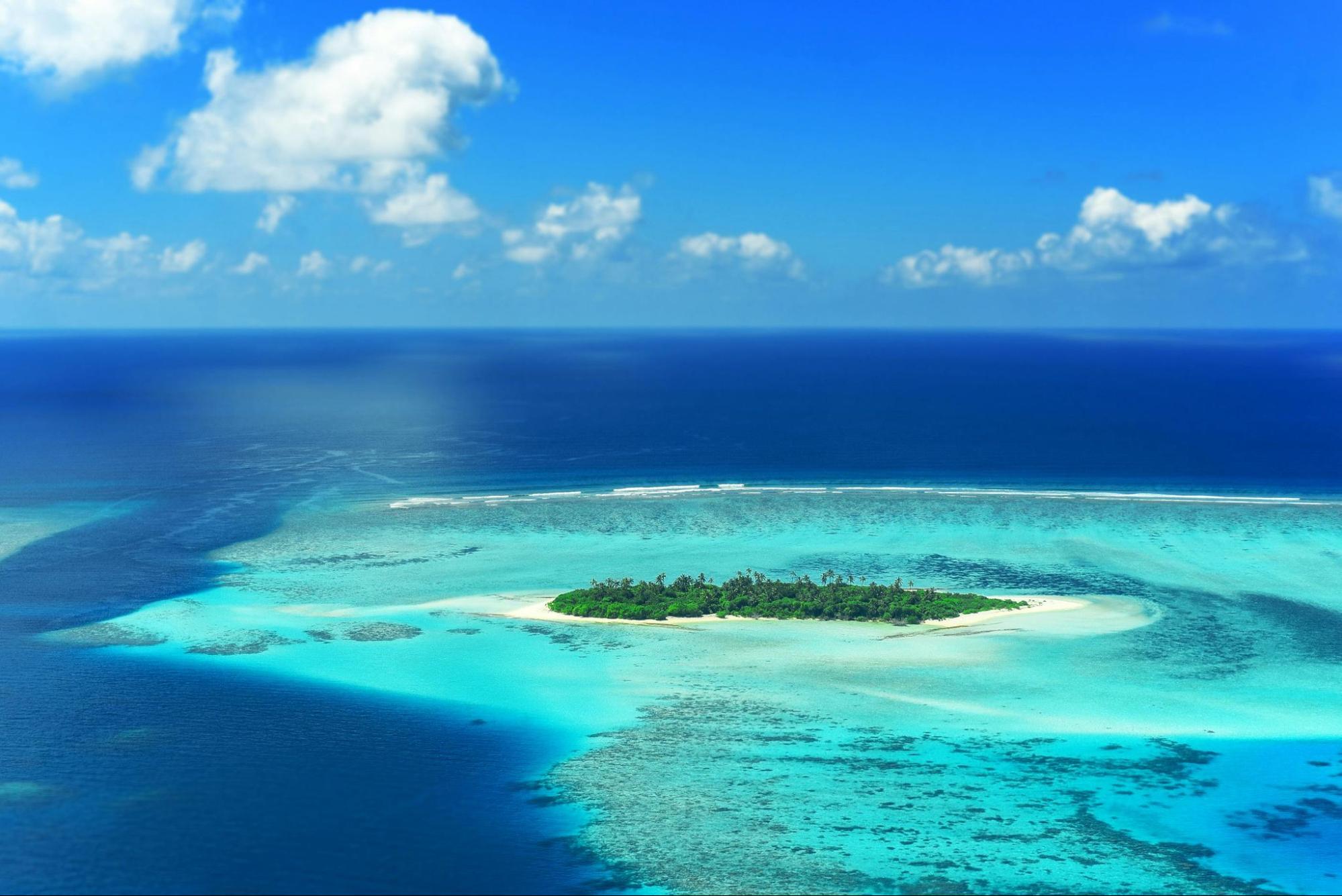
The Maldives is known for its turquoise waters and luxury resorts, but the country also has a rich cultural and religious heritage rooted in Islamic traditions, national pride, and centuries-old island customs. Festivals across the Maldives bring communities together through prayers, drumming, parades, sports events, traditional foods, and cultural performances.
This guide highlights the 15 most authentic festivals celebrated in the Maldives, explaining what they are, why they matter, and what makes each one unique.
Top 14 Major Festivals Celebrated in the Maldives
- 1. Ramadan (Holy Month)
- 2. Eid-ul-Fitr (Kuda Eid)
- 3. Eid-ul-Adha (Bodu Eid)
- 4. Islamic New Year (Hijri New Year)
- 5. Prophet Muhammad’s Birthday (Mawlid an-Nabi)
- 6. National Day (Qaumee Dhuvas)
- 7. Independence Day
- 8. Republic Day
- 9. Victory Day
- 10. Fishermen’s Day
- 11. Tourism Day (Maldives Tourism Festival)
- 12. Boduberu Festival
- 13. Maldives Food Festival
- 14. Dhoni Boat Racing Festival
- FAQs
1. Ramadan (Holy Month)

Ramadan is the holiest month in the Maldives, observed with fasting, prayer, and community activities. The islands come alive after sunset with night markets, special foods, increased mosque attendance, and cultural traditions unique to Maldivian Islamic life.
When It’s Celebrated:
During the 9th month of the Islamic lunar calendar, shifting each year by 10–11 days.
Why It’s Celebrated:
To observe fasting, self-discipline, generosity, and devotion as instructed in Islam.
Highlights of the Festival:
- Taraweeh prayers are held nightly in mosques across all islands.
- Traditional Iftar meals featuring mas huni, bondibai, bis keemiya, and rihaakuru.
- Night markets in Malé and local islands sell snacks, fruits, and sweets.
- Families gather for Suhoor and Iftar meals, strengthening social bonds.
- Charitable giving increases, including food distribution for the less fortunate.
Must Read: Maldives Visa Photo Requirements for Indians 2026
2. Eid-ul-Fitr (Kuda Eid)

Eid-ul-Fitr, also known as Kuda Eid in the Maldives, marks the end of Ramadan and is one of the country’s most cherished celebrations. The day begins with large congregational prayers, followed by community visits, festive meals, and cultural traditions.
Islands across the Maldives become lively with family gatherings, drumming, children’s games, and special dishes prepared only during Eid.
When It’s Celebrated:
On the 1st day of Shawwal, immediately after the last day of Ramadan; date shifts each year according to the lunar calendar.
Why It’s Celebrated:
To celebrate the completion of fasting during Ramadan and give thanks through prayer, charity, and family unity.
Highlights of the Festival:
- Large Eid prayers are held at open grounds and major mosques across the islands.
- Traditional Maldivian foods such as sweet huni hakuru bondibai, mas huni, and fried snacks are enjoyed at family gatherings.
- Boduberu drumming, local dances, and small island parades throughout the day.
- Children receive gifts, new clothes, and participate in island games and sports events.
Must Read: Visa-Free Countries for Maldives Passport Holders [Including VOA, eVisa & ETA]
3. Eid-ul-Adha (Bodu Eid)

Eid-ul-Adha, known locally as Bodu Eid, is one of the Maldives’ most important religious festivals, marked by communal prayers, family gatherings, and nationwide celebrations.
The festival highlights themes of devotion, sacrifice, and generosity. Islands host cultural activities, traditional games, and community feasts featuring special Maldivian dishes prepared only during Eid.
When It’s Celebrated:
On the 10th day of Dhul Hijjah, based on the Islamic lunar calendar; date varies each year.
Why It’s Celebrated:
To honor Prophet Ibrahim’s devotion and the tradition of sacrifice in Islam.
Highlights of the Festival:
- Large Bodu Eid prayers are conducted in mosques and open areas across all islands.
- Community meals featuring dishes made with fresh meat are shared among families and neighbors.
- Boduberu drumming, island parades, and traditional dances are performed in local communities.
- Children participate in Eid sports such as tug-of-war and island football matches.
- Resorts and inhabited islands host cultural nights with Maldivian music and storytelling.
Must Read: 27 Fascinating Facts About Maldives That Will Leave You Spellbound
4. Islamic New Year (Hijri New Year)
The Islamic New Year marks the beginning of the Hijri calendar and is observed across the Maldives with prayers, religious gatherings, and moments of reflection. While it is a quieter celebration compared to Eid festivals, it holds deep cultural and spiritual significance, symbolizing renewal and remembrance of the Prophet’s migration.
When It’s Celebrated:
On 1 Muharram, the first month of the Islamic lunar year.
Why It’s Celebrated:
To commemorate the Hijra, the Prophet Muhammad’s migration from Mecca to Medina, which marks the start of the Islamic calendar.
Highlights of the Festival:
- Special sermons are delivered at major mosques across Malé and the atolls.
- Families gather for quiet evenings of prayer and reading.
- Government offices and schools observe a public holiday.
- Community centers host sessions focusing on Islamic values and history.
- Radio and TV channels broadcast programs related to the Hijri calendar and its importance.
5. Prophet Muhammad’s Birthday (Mawlid an-Nabi)

Mawlid an-Nabi commemorates the birth of Prophet Muhammad and is observed in the Maldives with religious lectures, Quran recitation, and community programs. The festival emphasizes learning, reflection, and respect for Islamic teachings, bringing together families and communities across the islands.
When It’s Celebrated:
On 12 Rabi’ al-Awwal, according to the Islamic lunar calendar.
Why It’s Celebrated:
To honor the Prophet’s life, character, and contributions to the Islamic faith and teachings.
Highlights of the Festival:
- Quran recitation events are held in mosques and community halls.
- Religious lectures describing the Prophet’s life, ethics, and values.
- Families share special home-cooked meals and sweets.
- Schools organize programs for students to learn about Islamic history.
- Night gatherings with prayers and recitations broadcast on national media.
Must Read: 35 Best Reasons to Visit the Maldives in 2025
6. National Day (Qaumee Dhuvas)
National Day marks the victory of national hero Mohammed Thakurufaanu over Portuguese rule and celebrates Maldivian pride, identity, and freedom. The day features parades, cultural performances, and events highlighting the nation’s struggle and unity.
When It’s Celebrated:
On the 1st day of Rabi’ al-Awwal, based on the Islamic lunar calendar.
Why It’s Celebrated:
To honor Mohammed Thakurufaanu’s liberation of the Maldives from Portuguese occupation in the 16th century.
Highlights of the Festival:
- School and military parades are held in Malé and the major islands.
- Cultural shows featuring Maldivian music, drumming, and poetry.
- Flag-raising ceremonies at government buildings.
- Exhibits showcasing Maldivian history and national heroes.
- Community celebrations with traditional foods and games.
7. Independence Day
Independence Day commemorates the Maldives gaining independence from British protection in 1965. It is one of the most important national holidays, celebrated with parades, cultural programs, military ceremonies, and island-wide events that highlight patriotism and Maldivian heritage.
When It’s Celebrated:
On 26 July every year.
Why It’s Celebrated:
To mark the Maldives’ becoming an independent sovereign nation after ending its agreement with the British.
Highlights of the Festival:
- Large ceremonies and parades at Republic Square in Malé.
- Military displays and special performances by school groups.
- Cultural shows featuring traditional dances and Boduberu drumming.
- Island communities organize sports events, feasts, and fireworks.
- Museums and centers display exhibits on Maldivian history and independence.
8. Republic Day
Republic Day marks the establishment of the Second Maldivian Republic in 1968. It is a national holiday celebrated with official events, school programs, and cultural activities reflecting the country’s political history and progress.
When It’s Celebrated:
On 11 November each year.
Why It’s Celebrated:
To honor the day the Maldives transitioned from a monarchy to a republic.
Highlights of the Festival:
- Official ceremonies held in Malé with national leaders.
- School parades, flag performances, and cultural programs.
- Public speeches highlighting democratic values and governance.
- Exhibitions focused on Maldivian political development.
- Community gatherings and special televised programs throughout the day.
Must Read: Is Maldives Safe to Visit? Solo Traveler’s Guide 2026
9. Victory Day
Victory Day commemorates the failed coup attempt of 1988 and honors the soldiers and civilians who protected the nation. The day carries strong emotional and historical significance across the Maldives.
When It’s Celebrated:
On 3 November every year.
Why It’s Celebrated:
To remember and honor those who defended the Maldives during the 1988 attempted invasion.
Highlights of the Festival:
- Memorial ceremonies and wreath-laying at official monuments.
- School assemblies focused on patriotism and national unity.
- Media programs recounting the events of 1988.
- Community-led discussions on national security and resilience.
- Patriotic performances and exhibitions are held across the islands.
10. Fishermen’s Day

Fishermen’s Day honors the fishing community, which has been central to Maldivian livelihood, economy, and culture for centuries. The day recognizes traditional fishing methods, modern innovations, and the vital role of fishermen nationwide.
When It’s Celebrated:
On 10 December every year.
Why It’s Celebrated:
To acknowledge the contribution of fishermen to the nation’s food security and economy.
Highlights of the Festival:
- Fish exhibitions and boat displays in harbor areas.
- Competitions showcasing traditional and modern fishing skills.
- Government recognition ceremonies for outstanding fishermen.
- Educational programs on marine sustainability.
- Special seafood feasts are held in communities and resorts.
Must Read: Track Maldives Visa Status Using Passport Number
11. Tourism Day (Maldives Tourism Festival)

Tourism Day highlights the Maldives’ global reputation as a premier travel destination and celebrates the industry’s cultural, economic, and environmental contributions. Resorts, islands, and tourism bodies host activities promoting sustainability and heritage.
When It’s Celebrated:
On 27 September every year.
Why It’s Celebrated:
To celebrate tourism’s role in national development and promote sustainable travel practices.
Highlights of the Festival:
- Resort cultural nights featuring dance, drumming, and Maldivian cuisine.
- Island clean-up programs and eco-friendly initiatives.
- Tourism awards recognizing outstanding professionals and resorts.
- Workshops on marine conservation and hospitality training.
- Community-led cultural showcases for locals and visitors.
Must Read: Best Markets in Maldives: 20 Must-Visit Shopping Spots
12. Boduberu Festival

The Boduberu Festival celebrates the Maldives’ most iconic traditional music form. Boduberu drumming, singing, and dancing bring communities together and showcase the islands’ African-influenced cultural heritage.
When It’s Celebrated:
Observed throughout the year during public holidays and cultural events; some islands hold annual Boduberu festivals.
Why It’s Celebrated:
To preserve and promote traditional Maldivian music and performing arts.
Highlights of the Festival:
- Performances by Boduberu groups in public squares and resorts.
- Dance competitions attract youth and community teams.
- Cultural workshops teaching drum rhythms and dance steps.
- Island-wide celebrations during Eid and national events.
- Tourists are invited to participate in group dances and performances.
Must Read: Maldives Visa Rejection for Indian Nationals
13. Maldives Food Festival

The Maldives Food Festival showcases the country’s culinary heritage, featuring traditional seafood dishes, local ingredients, and regional cooking methods from different atolls. Chefs, home cooks, and food enthusiasts participate in this growing cultural event.
When It’s Celebrated:
Held periodically between September and December; dates vary annually.
Why It’s Celebrated:
To promote Maldivian cuisine, support local food producers, and celebrate culinary diversity.
Highlights of the Festival:
- Food stalls offering garudhiya, fihunu mas, rihaakuru, mas huni, and sweet desserts.
- Live cooking demonstrations by chefs and resort cooks.
- Competitions highlighting regional dishes from different atolls.
- Cultural evenings with Boduberu performances.
- Exhibits on traditional fishing, cooking tools, and food preservation techniques.
Must Read: Maldives Famous Food: The Island Nation’s Culinary Treasures
14. Dhoni Boat Racing Festival

Dhoni boat races are traditional competitions held in various islands to celebrate Maldivian seamanship, craftsmanship, and community spirit. These races attract large crowds and showcase the skills of local sailors and boat builders.
When It’s Celebrated:
Dates vary by island; often held during Eid celebrations, National Day, or special community events.
Why It’s Celebrated:
To honor traditional Maldivian boat-building and sailing culture.
Highlights of the Festival:
- Dhoni races are held in lagoons and harbors with cheering spectators.
- Showcases of boat craftsmanship and traditional woodworking methods.
- Community festivals featuring food stalls and cultural games.
- Awards for the fastest teams and best-designed boats.
- Tourist participation is encouraged on some islands and at resort events.


FAQs
What are the most popular festivals in the Maldives?
The most celebrated festivals include Eid-ul-Fitr, Eid-ul-Adha, National Day, Independence Day, and Ramadan events. These festivals represent religious traditions, national pride, and cultural heritage across the islands.
When is the best time to visit the Maldives for festivals?
The best festival season is from July to December, when major events such as Independence Day, Republic Day, Fishermen’s Day, and the Maldives Food Festival take place. The weather is stable, and many islands host cultural activities.
Is the Maldives safe during festivals?
Yes, the Maldives is generally very safe during festivals. Events are well-organized, and communities maintain a peaceful atmosphere. Visitors should only plan transportation during large gatherings.
Which festivals are best for tourists?
Tourists especially enjoy Eid celebrations, the Boduberu Festival, the Maldives Food Festival, and Dhoni Racing events, as these offer authentic cultural experiences and local performances.
How do Maldivians celebrate Eid?
Families attend morning prayers, visit relatives, prepare special meals, and participate in drumming, dances, and community sports. Children receive gifts, and islands host traditional celebrations.
Why is National Day important in the Maldives?
National Day honors Mohammed Thakurufaanu’s victory over Portuguese rule. It symbolizes Maldivian bravery, independence, and cultural identity, with parades, performances, and national ceremonies.
Do Maldivians still celebrate traditional cultural festivals?
Yes, Boduberu performances, dhoni boat races, and community events during Eid and national holidays remain central to island culture.