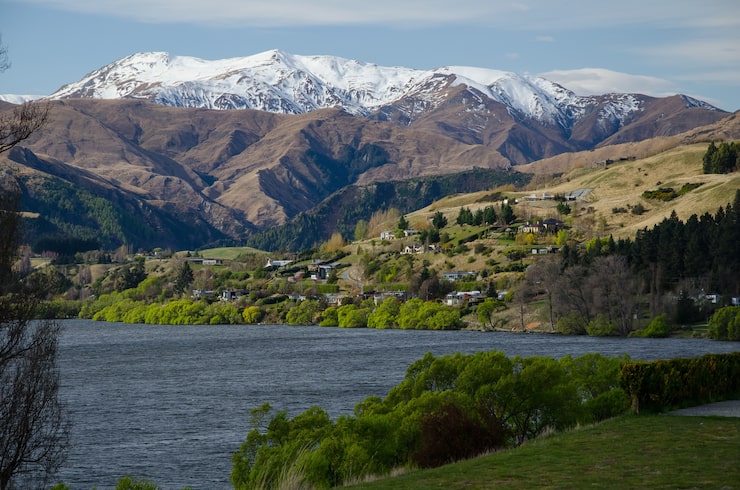
Snow-dusted mountains plunge into glacial lakes, geothermal fields crackle with heat beneath open skies, and coastal trails reveal stretches of wilderness that feel untouched by time. It’s no surprise that many travelers dreaming of adventure end up asking themselves, ‘Is New Zealand safe to visit?’ before booking the journey, especially when the place promises both excitement and vast, remote spaces.
Safety becomes easier to understand once you look at how the country manages tourism, its low crime environment, and the practical steps that help visitors move confidently through mountains, forests, and coastlines. With clear expectations and a few smart habits, exploring New Zealand becomes not only memorable but also reliably secure.
Source: Freepik
Current Safety Status in New Zealand

Source: Freepik
The crime rate in New Zealand has remained relatively stable, according to official data from the Ministry of Justice. The New Zealand Crime and Victims Survey found that 30% of adults experienced crime in 2024, consistent with findings since the survey began in 2018. Approximately 1.3 million New Zealanders aged 15 and older reported being victims of personal or household crimes during the year.
According to the 2025 Global Peace Index, New Zealand ranks third worldwide for peace and safety, trailing only Iceland and Ireland among 149 countries assessed.
Violent crime, including physical assault, sexual assault, and robbery, affected 185,000 New Zealanders in 2024. While this number fluctuated throughout the year, data from October 2024 showed a decrease of 24,000 victims compared to June 2024 figures.
Regional variations exist across New Zealand’s safety landscape. Auckland’s North Shore, certain Wellington suburbs, Christchurch’s eastern areas, and Queenstown’s town center maintain strong safety records. Conversely, some South Auckland neighborhoods, parts of Christchurch’s eastern suburbs following earthquake damage, and specific Wellington areas see higher crime rates.
Tourists face minimal targeting compared to residents. International visitors more commonly encounter petty theft, vehicle break-ins at scenic locations, and rental car scams rather than violent crime. New Zealand’s tourism-dependent economy creates strong incentives for maintaining visitor safety, resulting in well-developed tourist protection measures.
Suggested Read: New Zealand Visa for Indians
Crime and Safety Concerns

Source: Freepik
Some scams in New Zealand target tourists in major destinations and often involve distraction theft, overpriced services, vehicle-related fraud, and ATM card theft.
Scam Categories
Distraction Techniques
- Scammers spill food or liquid on tourists, apologizing loudly while an accomplice steals wallets or phones during the commotion.
- Some drop items like wallets near visitors, then accuse them of theft to spark confusion that enables pickpocketing.
- Others ask for directions using maps or phones while partners work behind the target, taking valuables.
- These tactics appear mainly in markets, transport hubs, and popular sightseeing areas.
Overpriced Services
- Bar staff partnered with scammers to present heavily inflated bills after a “friendly” local invited tourists for drinks.
- Taxi drivers may refuse to use meters or take long, unnecessary routes that drastically increase fares.
- Street vendors offer “free gifts” like flowers or bracelets, then demand payment and create loud confrontations if refused.
- Staying aware of pricing norms is one of the simplest safety tips for travelers in New Zealand.
Suggested Read: New Zealand Visa Photo Requirements for Indians
Vehicle-Related Fraud
- Rental agencies sometimes blame tourists for pre-existing car damage not documented at pickup, demanding high repair fees.
- Sellers target working-holiday visitors with vehicles lacking proper certification or hiding mechanical issues.
- Online listings for vans, rooms, or gear request deposits and vanish after payment.
- These scams affect backpackers most, especially in major travel hubs.
ATM Card Theft
- “Helpful” strangers approach ATMs, watching PIN entries and using portable skimmers to capture card data.
- Some machines may be tampered with, especially those outside secure bank branches or in isolated areas.
- Victims often discover unauthorized withdrawals within hours.
- Using indoor ATMs reduces risk significantly.
Suggested Read: New Zealand Visa Appeal for Indians
Prevention Strategies

Source: Freepik
- Safety tips for travelers in New Zealand begin with keeping valuables in front-facing bags with inward zippers and avoiding visible displays of cash or expensive electronics.
- Photograph rental vehicles from all angles before pickup and return, ensuring timestamped proof that protects you from false damage claims.
- Use ATMs inside bank branches during business hours, cover your PIN, and avoid accepting help from strangers near machines.
- Confirm prices for tours, transport, and activities before agreeing to anything, and request written details when possible to avoid inflated charges.
Suggested Read: How To Check New Zealand Visa Status In India
General Safety Guidelines

Source: Freepik
Evening Safety
- Nightlife safety in New Zealand stays strong in major entertainment districts where crowds, security staff, and police presence create safer conditions for visitors.
- Walking alone after midnight in quiet neighborhoods increases risk, especially in parts of South Auckland, Lower Hutt, and eastern Christchurch, which show higher crime levels than tourist areas.
- Women’s safety in New Zealand benefits from supportive social norms, though staying in well-lit areas and using reliable transport remains important for solo travelers.
- Drink awareness is essential at bars and clubs, keep drinks in sight at all times and avoid accepting beverages from strangers to prevent spiking incidents.
Emergency Response
Emergency numbers in New Zealand:
- Police, Fire, Ambulance: 111
- Non-Emergency Police: 105
- Healthline: 0800-611-116
The 111 system operates free of charge 24/7 throughout New Zealand, connecting callers to police, fire, or ambulance services. Operators speak English primarily, though assistance in other languages is available for emergencies. The system tracks caller locations automatically through Emergency Caller Location Information technology.
Response times vary by region and situation. Urban areas like Auckland, Wellington, Christchurch, and Queenstown typically see emergency services arrive within 10-15 minutes. Rural locations experience longer waits due to greater distances between stations and incidents, sometimes extending beyond 30 minutes in remote areas.
For non-urgent police matters, including reporting theft after occurrence or seeking general information, dial 105 to reach local police stations. This line operates daily with trained communicators accessing necessary police systems to resolve issues or direct callers appropriately.
Medical Services
Health and hygiene in New Zealand meet high standards. The country maintains an excellent healthcare infrastructure with modern hospitals, well-equipped medical facilities, and trained professionals.
- Public hospitals offer emergency care to everyone, though tourists receive bills and may face higher costs than locals.
- Private clinics provide faster service with shorter waits, but fees are higher and require upfront payment or verified insurance.
- Pharmacies carry common medications, but some items require local prescriptions, so bring enough of your regular medicines along with written documentation.
- Tap water is safe to drink nationwide, and strict food safety rules keep meals in restaurants and markets reliable for most travelers.
Suggested Read: Best Markets in New Zealand for the Shopping Freaks
Laws and Local Regulations

Source: Unsplash
- Drug laws prohibit purchasing and using cannabis, and police may issue warnings or fines for possession, with repeat cases leading to prosecution.
- Alcohol consumption is legal from age 18, but disorderly behavior in public can result in police intervention, and driving under the influence carries strict penalties.
- Road rules require driving on the left, and foreign visitors can use their home licenses for up to a year, though rural roads and changing weather call for cautious speeds.
- Respect for Māori culture is essential, especially at sacred sites where photography or food may be restricted, and posted guidelines must be followed.
- Biosecurity rules require declaring all food, plant items, and outdoor gear on arrival, and failure to comply leads to immediate fines or further penalties.
Suggested Read: Winter in New Zealand: A Complete Guide to Attractions, Weather, and What to Pack
Climate and Weather Patterns

Source: Unsplash
New Zealand experiences a temperate maritime climate with significant regional variations between the North and South Islands. Weather patterns directly affect outdoor activities and travel conditions throughout the year.
Summer from December through February brings the warmest temperatures, ranging from 20-30°C in most regions. This peak tourism season offers the longest daylight hours and optimal conditions for hiking, beaches, and outdoor adventures. However, intense UV radiation due to a clearer atmosphere requires strong sun protection regardless of temperature.
Winter from June through August delivers temperatures between 10-16°C in northern regions, while southern areas experience 5-10°C with occasional snow. Mountain regions receive heavy snowfall, enabling skiing and snowboarding. Coastal areas remain relatively mild, though rain increases substantially during these months.
Spring and autumn provide moderate temperatures between 15-20°C with less predictable weather patterns. These shoulder seasons offer fewer crowds and lower prices while still providing reasonable conditions for most activities. Rain occurs more frequently than in summer but less than in winter months.
Volcanic activity occurs in the central North Island near Rotorua and Mount Ruapehu. GeoNet monitors volcanic and seismic activity continuously, issuing alerts when necessary. Tourists visiting volcanic areas must follow safety instructions and stay on designated paths to avoid geothermal hazards.
Suggested Read: Hiking in New Zealand: The Ultimate Guide to the 16 Best Trails
Traffic and Pedestrian Safety

Source: Unsplash
- Domestic flights connect major destinations efficiently, with regional carriers reaching smaller towns at a higher frequency than bus or rail options.
- Bus networks offer predictable schedules nationwide, while hop-on, hop-off services cater to younger travelers who prefer flexible routes and social travel.
- Rental cars give the most freedom but require careful attention on narrow roads, one-lane bridges, and left-side driving, especially for visitors unfamiliar with these conditions.
- Campervans suit long trips, though freedom camping rules restrict where overnight parking is allowed, and fines apply for parking in prohibited zones.
- Hitchhiking remains common among backpackers, but solo travelers, especially women, should rely on instincts, choose well-populated pickup spots, and avoid accepting rides that feel unsafe.
Suggested Read: New Zealand Summers: Where Adventure Meets Natural Beauty


FAQs
Q: What areas require extra caution for tourists?
Parts of South Auckland, eastern Christchurch, and pockets of Wellington have higher crime rates, but tourists rarely visit these areas. Popular destinations remain safe with normal precautions.
Q: How does solo travel safety in New Zealand compare globally?
Solo travel safety in New Zealand ranks among the strongest worldwide, with low violent crime rates and reliable infrastructure supporting independent travelers.
Q: What outdoor safety precautions do hikers need?
Check weather conditions, share your plans, and carry essential supplies. Stay on marked tracks and use DOC guidance to avoid natural hazards.
Q: Are there specific scams targeting tourists?
Common scams in New Zealand include rental car damage claims, distraction theft, inflated bar bills, and online booking fraud. Basic precautions and verifying services help prevent issues.
Q: Is New Zealand safe to visit despite varying crime statistics?
Yes, New Zealand’s stunning scenery and welcoming culture often lead travelers to ask, ‘Is New Zealand safe to visit?’ While crime levels can vary by area, serious crime remains low, and most issues involve petty theft. With basic precautions, visitors generally find it safe and easy to explore.