Travelers planning their first trip to Vietnam often ask: Is Vietnam safe to visit? This question deserves a clear answer based on facts and real experiences from people who have explored this country.
Vietnam ranks among the safer destinations in Southeast Asia. Recent data from Numbeo shows a crime index of 40.65, which places the country well below many Western cities. Most visitors experience peaceful trips with proper awareness and basic precautions.
Vietnam Safety Update: Current Conditions

Vietnam is among Southeast Asia’s safer countries, with crime rates lower than Thailand, the Philippines, and Laos. Petty theft and motorbike snatching represent the primary concerns for tourists rather than serious criminal offenses.
Ho Chi Minh City and Hanoi maintain an active police presence in tourist areas. Both cities score well on personal safety metrics despite higher theft rates during holiday periods like Tet (Lunar New Year) and Christmas.
The government ensures political stability, creating a welcoming atmosphere for international visitors. Response times for emergency services average 15-20 minutes in major cities.
Suggested Read: Vietnam Visa Photo Size Requirement & Specification Guide
Notable Petty Crimes and Scams in Vietnam

Tourists make easy targets in Vietnam’s crowded markets and popular spots. Scammers know exactly who to approach and when. But the good news is that their tactics rarely change, so once you recognize the patterns, you’ll spot them coming from a mile away.
Common Scam Types
1. Taxi and Transportation Scams
- Unlicensed drivers operate near airports and train stations, charging rates up to five times higher than standard fares. Some vehicles display fake logos of reputable companies like Mai Linh or Vinasun.
- Drivers may claim meters are broken or take unnecessary detours through congested areas. Others insist on negotiating fixed prices that end up double or triple the actual cost.
- At airports, people holding placards may pose as legitimate drivers. They sometimes lock passengers inside until payment is made, occasionally taking victims to isolated locations.
2. Currency Exchange Tricks
- Vietnam’s currency uses large denominations that confuse first-time visitors. The 20,000 VND and 500,000 VND notes share similar blue coloring, making them easy targets for switching.
- Street exchangers may offer attractive rates but hand over counterfeit bills or deliberately miscount during transactions. Some advertise “no commission” while applying terrible exchange rates that cost you 10-15% of your money.
Suggested Read: Vietnam Visa Rejection for Indians: Top Reasons and Solutions
3. Motorbike Rental Issues
- Renting motorbikes presents unique risks. Owners may provide bikes with existing damage, then demand payment for repairs when you return them. Some bikes get stolen while rented, with owners blaming customers and requesting full compensation.
- Many rental shops claim you don’t need a license, but police often stop tourists and issue steep fines. Bikes can break down after just a few kilometers due to poor maintenance.
4. Street Vendor Photography Demands
- Vendors carrying colorful fruit baskets or traditional items invite tourists to take photos, then demand payment afterward. These confrontations can become aggressive and can demand a hefty amount of money.
- Similar scenarios occur with people wearing traditional clothing or performing street tricks. They approach you in a friendly way at first, but expectations for payment emerge after pictures are taken.
If you’re planning to travel to Vietnam, you can apply for a Vietnam visa with OneVasco for a fast and hassle-free process.
Prevention Tips
Nobody wants their trip ruined by a scam, but a little preparation goes a long way. These simple habits will help you avoid most problems and keep your focus on enjoying Vietnam.
- Research standard prices before making purchases or booking services. Checking multiple sources online gives you accurate cost expectations.
- Keep copies of important documents separate from originals. Store passports and valuables in hotel safes rather than carrying them unnecessarily.
- Use official transportation services with proper identification and company branding. Screenshot or save photos of taxi/Grab driver information before trips.
- Learn basic Vietnamese phrases for emergencies. Having a translation app downloaded helps overcome language barriers during urgent situations.
- Trust your instincts when deals seem unrealistic. High-pressure tactics and too-good-to-be-true offers usually signal potential scams.
Suggested Read: Vietnam Visa Extension for Indian Citizens
General Safety in Vietnam

Solo travel safety in Vietnam has received positive reviews from visitors worldwide. The country ranked sixth on Time Out’s 2024 list of safest destinations for solo female travelers.
Nighttime Safety Considerations
- Nightlife safety in Vietnam varies by location. Major cities remain active until late, with families and couples socializing after dark when temperatures cool down.
- Use reliable transportation when returning to accommodations after midnight. Book rides through Grab rather than hailing taxis on the streets, especially in entertainment districts.
- Stick to well-lit areas with steady foot traffic. Districts 1, 3, and 7 in Ho Chi Minh City maintain better lighting and security than outlying neighborhoods.
- Keep drinks within sight at bars and clubs. Cases of drink tampering exist, though they remain uncommon compared to other Southeast Asian destinations.
Physical Safety
Emergency numbers in Vietnam provide quick access to help. Keep these numbers saved on your phone:
| Service | Emergency Number | Notes (Official Links) |
| Emergency Rescue (Unified Hotline) | 112 | National unified hotline connecting to police, fire, and medical rescue. Official govt info:https://vietnam.vn/en/goi-tong-dai-cuu-ho-112/vietnam.vn |
| Police (Public Safety & Crime) | 113 | National police emergency line for crime and security. Govt-recognized emergency service listing:https://vietnam.vn/en/goi-tong-dai-cuu-ho-112/vietnam.vn |
| Fire Department (Fire & Rescue) | 114 | Fire brigade and rescue response. Govt-recognized emergency service listing:https://vietnam.vn/en/goi-tong-dai-cuu-ho-112/vietnam.vn |
| Ambulance (Medical Emergency) | 115 | Emergency medical and ambulance services. Govt-recognized emergency service listing:https://vietnam.vn/en/goi-tong-dai-cuu-ho-112/vietnam.vn |
Tourist police forces operate specifically for visitor assistance. Officers stationed in popular areas speak English and receive training for international traveler needs. Response infrastructure works efficiently in urban centers. Kathmandu Valley, Pokhara, and major cities average 15-20 minute response times for emergency services.
Security presence remains visible in tourist districts. Both uniformed tourist police and regular officers maintain constant patrols, with increased coverage during peak seasons from October through April.
Health and Medical
- The standard of health and hygiene in Vietnam varies between cities and rural areas. Major urban centers offer modern facilities with English-speaking staff.
- International hospitals like Vinmec, FV Hospital, and City International Hospital meet JCI accreditation standards. These facilities handle everything from routine care to complex surgeries.
- Tap water isn’t safe for drinking without boiling or filtration. Bottled water remains readily available and affordable throughout the country.
- Street food from busy vendors with high customer turnover generally maintains good hygiene. Avoid raw dishes and salads if you have sensitive digestion.
Suggested Read: Comprehensive Guide to Vietnam Visa for Indians: Requirements, Process & Tips
Law and Prohibitions

Vietnam is more traditional than you might expect, even in big cities like Hanoi and Ho Chi Minh. If you have an idea about the local rules, it will keep you out of trouble, both the embarrassing kind and the kind that comes with fines.
- Dress modestly when visiting temples and religious sites. Women should cover their shoulders and knees, while men need long pants and shirts.
- Public displays of affection can attract unwanted attention or even fines. Kissing and intimate touching in public spaces aren’t socially acceptable.
- Photography near government buildings, military installations, or security-related areas can result in detention. Always ask permission before photographing people, especially ethnic minorities.
- Social media posts criticizing the government may lead to account monitoring. Keep political opinions private and focus on cultural and travel-related content.
- Guidelines for safe travel in Vietnam include respecting local customs and following posted rules. Officials appreciate visitors who show cultural awareness and consideration.
Suggested Read: How to Book Vietnam Visa Appointment + Tips
Climate and Weather Safety

Vietnam experiences distinct regional weather patterns. The north sees four seasons, while southern areas remain tropical year-round.
Summer temperatures from June through August reach 30-40°C (86-104°F) in many regions. Central areas face extreme heat and humidity that can cause sunstroke if precautions aren’t taken.
The monsoon season runs from June to September, bringing heavy rainfall and potential landslides. Central Vietnam provinces, including Khanh Hoa and Lam Dong, experience flooding during this period.
Typhoons occur from June to December along coastal areas. These storms can disrupt travel plans and essential services, requiring flexibility in scheduling.
Winter months from December to February bring clear skies but cold temperatures in northern regions. Hanoi and Sa Pa can drop to 10°C (50°F) or lower, requiring warm clothing.
The best travel periods are October-November and March-April, offering stable weather conditions suitable for outdoor activities and sightseeing.
Suggested Read: How To Check Vietnam Visa Status In India
Traffic and Pedestrian Safety

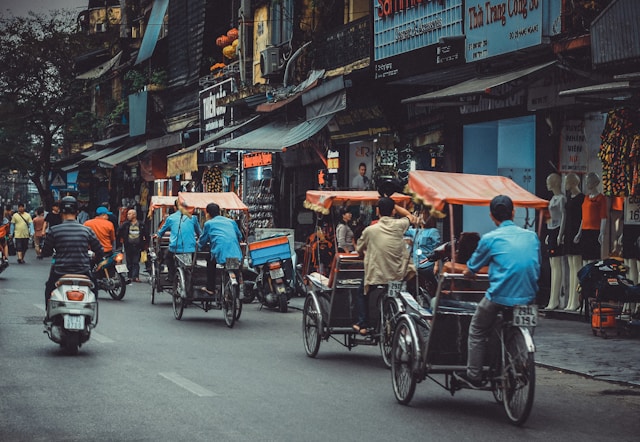
Vietnam’s roads present unique challenges. Motorbikes dominate city streets, creating chaotic traffic patterns unfamiliar to many visitors.
Crossing streets requires patience and steady movement. Walk at a consistent pace so drivers can navigate around you – stopping suddenly creates more danger than continuing forward.
Sidewalks often serve multiple purposes, including motorbike parking and food vendor setups. Pedestrians frequently share road space with vehicles, demanding constant attention.
Traffic rules exist, but enforcement varies. Vehicles rarely stop at pedestrian crossings despite legal requirements, so wait for genuine gaps in traffic flow. Peak hours from 8-10 AM and 4 to 7 PM see significantly increased congestion. Plan extra travel time during these periods to avoid stress and missed appointments.
Suggested Read: Solo Travel in Vietnam: Your Ultimate Guide


FAQs
Q: Is Vietnam safe to visit for first-time travelers?
Vietnam welcomes first-time visitors with open arms. The country maintains reasonable safety standards, particularly in tourist areas where local authorities prioritize visitor security. Following basic precautions and staying aware of surroundings ensures positive experiences.
Q: What safety measures should women traveling alone take?
Women’s safety in Vietnam receives generally positive feedback. Solo female travelers report feeling secure during both day and night activities. Use reputable accommodations, stick to populated areas after dark, and utilize tracked transportation services like Grab for added security.
Q: Which areas should tourists avoid in Vietnam?
The main areas to avoid in Vietnam include remote districts and city outskirts, where tourist infrastructure remains limited. In Ho Chi Minh City, exercise caution around Thi Sach Street’s Apocalypse Now bar after dark. Dong Du, Dong Khoi, and Hai Ba Trung neighborhoods require extra awareness during nighttime hours.
Q: How reliable are emergency services for tourists?
Emergency services respond efficiently in major cities. English-speaking operators staff tourist police hotlines, providing assistance specifically designed for international visitors. Rural areas may experience longer response times due to distance and limited infrastructure.
Q: Is Vietnam safe to visit regarding health and medical care?
Health facilities in major cities meet international standards. Private hospitals in Hanoi, Ho Chi Minh City, and Da Nang offer quality care with English-speaking doctors. So if you ask, ‘Is Vietnam safe to visit?’ Yes, with proper preparation and awareness, travelers enjoy secure and memorable experiences throughout this beautiful country.