Croatia during summer feels like a postcard at every turn. The Adriatic coastline glows under long sunny days, ancient towns buzz with visitors, and the islands serve up some of the best beach time in Europe. Be it a first-time traveler or returning for more, summer in Croatia rewards you with warm seas, open-air festivals, and food that stays with you long after the trip ends.
This guide breaks down the weather during summer in Croatia, top activities, festivals, packing advice, and practical travel tips to help you plan a smooth and enjoyable trip.
Weather in Croatia in Summer

Summer in Croatia runs from June through September. Along the Adriatic coast, daytime temperatures sit between 26°C and 33°C. July and August are the hottest months. Coastal cities like Split, Dubrovnik, and Hvar get the most heat, with occasional peaks above 35°C. Nights stay warm, rarely dropping below 20°C in peak months.
|
Month |
Avg. High (°C) |
Avg. Low (°C) |
Humidity (%) |
Rainfall (mm) |
|
June |
24 – 29 |
15 – 19 |
52 – 61 |
28 – 140 |
|
July |
28 – 32 |
18 – 23 |
50 – 53 |
25 – 80 |
|
August |
25 – 30 |
19 – 22 |
65 |
10 – 60 |
|
September |
22 – 26 |
16 – 19 |
58 – 60 |
32 – 101 |
Rainfall is minimal in July and August, especially along the Dalmatian coast. The interior, including Zagreb, tends to be a bit hotter without the cooling sea breeze. Afternoon thunderstorms can pop up inland but rarely last long.
If you are checking the weather during summer in Croatia before booking, aim for outdoor plans between early morning and 11 AM or after 5 PM. Midday heat on the coast can be intense, and shade is limited on many beaches.
Suggested Read: Croatia Visa Extension for Indians
Why Visit Croatia in Summer?

Warm, Swimmable Adriatic Waters
The Adriatic Sea reaches its peak warmth between July and August, with temperatures around 24°C to 27°C. From June through September, the water stays above 22°C, making it ideal for swimming, snorkeling, and kayaking. The southern coast around Dubrovnik and the islands of Hvar and Korčula tend to have the warmest waters.
Europe’s Best Festival Season
Croatia turns into a festival hub every summer. From Ultra Europe in Split to the Dubrovnik Summer Festival, there is a live event happening almost every week. If you enjoy music, food, or performing arts, festivals in Croatia during summer will keep your calendar full.
Longer Days, More Time to See Things
Daylight lasts up to 15 hours in June and July. That gives you more time to walk the streets of old towns, catch a sunset from the city walls, or fit in a late-afternoon boat trip. These longer days are a real advantage for those who want to get more out of every trip.
Fresh Seasonal Food Everywhere
Summer brings the best of Croatian coastal cuisine. Grilled fish straight off the boat, octopus salad dressed in olive oil, and stuffed peppers from local gardens fill the menus. If you are curious about seasonal foods in Croatia during summer, the coastal restaurants during this period serve the freshest plates of the year.
Suggested Read: Croatia Visa Appeal For Indians
Top Things You Can Do in Croatia in Summer
Walk the Dubrovnik City Walls

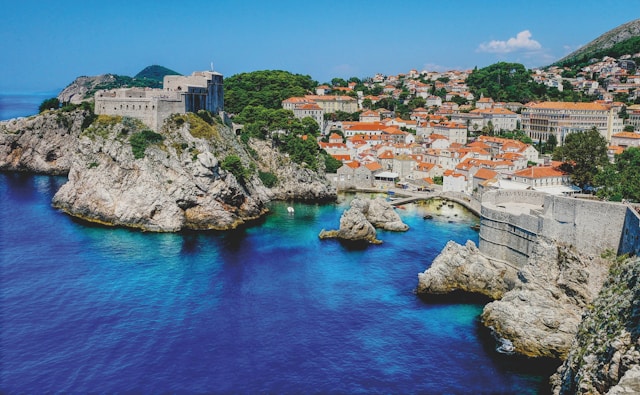
The Dubrovnik City Walls stretch nearly 2 km around the Old Town and are a UNESCO World Heritage Site. The walk takes about 1.5 to 2 hours. From the top, you get clear views of the Adriatic, terracotta rooftops, and Fort Lovrijenac.
Start early in the morning to avoid crowds and midday heat. This is one of the most popular tourist attractions in summer in Croatia.
Visit Plitvice Lakes National Park

Plitvice Lakes National Park is a UNESCO-listed site with 16 cascading lakes connected by waterfalls and wooden boardwalks. It includes electric boats and panoramic train rides within the park. Arrive before 9 AM to beat the rush. This spot is a top pick for photography spots in Croatia during summer.
Swim at Krka National Park

Krka National Park is known for its stunning Skradinski Buk waterfall and lush green trails. Swimming is allowed at designated areas Roški Slap, Stinice, and Pisak from June 1 through September 30.
The boat ride from Skradin to the falls is included. If you are looking for how to enjoy summer in Croatia on a budget, a day trip here offers great value.
Relax on Croatia’s Beaches

Croatia’s coastline has some of Europe’s most beautiful pebble and rocky beaches. Zlatni Rat on Brač Island is famous for its horn-shaped shoreline. Banje Beach in Dubrovnik offers sea views with the Old Town as a backdrop.
Stiniva Beach on Vis Island was voted one of Europe’s best beaches. The best time to visit these spots is before 10 AM or after 5 PM when the sun is gentler.
Kayak Around Dubrovnik’s Old Town

Sea kayaking is one of the most exciting outdoor adventures in summer in Croatia. Several local operators run guided tours that take you along the base of Dubrovnik’s city walls and to nearby Lokrum Island. Morning tours are best for calmer waters and softer light. No prior experience is needed for most guided routes.
Sail the Dalmatian Islands

Island hopping along the Dalmatian coast is one of the top activities to do in Croatia during summer. Ferries connect Split to Hvar, Brač, Vis, and Korčula regularly. You can also join small-group sailing trips. Each island has its own character: Hvar for nightlife, Vis for quiet coves, and Korčula for history and wine.
Suggested Read: Croatia Visa Rejection for Indian Nationals
Festivals & Events in Croatia in Summer
Dubrovnik Summer Festival

The Dubrovnik Summer Festival runs annually from July 10 to August 25. Now in its 76th year, this event brings over 2,000 artists performing drama, music, dance, and more across 15 locations in and around the Old Town. Performances take place at Fort Lovrijenac, the Rector’s Palace, and open-air squares. It is one of the most respected cultural festivals in Croatia during summer.
Ultra Europe – Split

Ultra Europe returns to Split every July, turning Park Mladeži into one of the biggest electronic music stages in Europe. The 2025 lineup included Hardwell, Tiësto, Armin van Buuren, and Amelie Lens. The event also extends to after-parties on the islands of Hvar, Brač, and Vis. It is a major draw for music lovers and adds to the city’s vibrant summer identity.
Suggested Read: Croatia Visa Photo Requirements for Indians
What You Can Wear in Croatia in Summer

What to wear in Croatia during summer comes down to comfort and respect for local customs. Light, breathable fabrics work best. The coast is relaxed, but churches and certain attractions require covered shoulders and knees.
Packing tips for summer in Croatia:
- Lightweight cotton or linen clothing in light colors
- A modest cover-up for churches and religious sites
- Comfortable walking shoes and sandals for beach areas
- A wide-brimmed hat and UV-protection sunglasses
- Sunscreen with SPF 50 or above
- A reusable water bottle for staying hydrated
- A light jacket for breezy evening boat trips
Swimwear is fine at beaches and pools only. Avoid overly casual beachwear in town centers and restaurants. Things to avoid during summer in Croatia include wearing revealing clothing in religious or cultural sites and skipping sunscreen on boat trips where reflection doubles UV exposure.
Suggested Read: How to Book a Visa Appointment for Croatia


FAQs
How hot can it get in Croatia in summer?
Coastal cities like Split and Dubrovnik regularly see temperatures between 30°C and 35°C in July and August. The highest temperature ever recorded in Croatia was 42.8°C. Inland cities like Zagreb can feel even hotter due to the lack of sea breeze.
Can you swim in Croatia during the summer?
Yes. The Adriatic Sea stays between 22°C and 27°C from June through September. Swimming conditions are best along the Dalmatian coast. You can also swim in designated areas at Krka National Park between June 1 and September 30.
What is the average temperature in Croatia in summer?
Along the coast, average daytime temperatures range from 26°C to 30°C. Inland areas average 22°C to 30°C. August is the warmest month. The best time to visit Croatia during summer for milder weather is late June or early September.
Is it sunny in Croatia during summer?
Yes. Hvar is one of the sunniest spots in Europe, receiving over 2,700 hours of sunshine per year. The coast gets around 10 to 12 hours of sunshine daily in July and August. UV levels are high, so sun protection is essential.
Is it windy in Croatia during summer?
The Maestral, a gentle afternoon sea breeze, is common along the coast in summer and helps cool things down. The Bura, a stronger northeasterly wind, is more of a winter occurrence. Occasional gusts can pick up near island channels, but strong winds are rare in peak summer.
Is Croatia cheaper in summer?
No. Summer is the peak tourist season in Croatia. Places to stay in Croatia during summer are at their most expensive, especially in July and August. Budget tips for traveling to summer in Croatia include booking accommodations early, eating at local konobas instead of tourist-facing restaurants, and visiting in June or September when prices dip slightly.
What can I see in Croatia in summer?
There is plenty to fill your days. You can walk Dubrovnik’s city walls, take a boat to Hvar or Vis, visit Plitvice Lakes and Krka National Park, or wander through Split’s Diocletian’s Palace. Tourist attractions in summer in Croatia include ancient Roman ruins, medieval towns, national parks, and hundreds of islands along the Adriatic coast.
What adventure activities can I do in Croatia in summer?
The primary outdoor adventures in summer in Croatia include sea kayaking around Dubrovnik, zip-lining over the Cetina River near Omiš, white-water rafting on the Cetina, cliff jumping at Stiniva Beach, and cycling through the islands. Early morning or late afternoon is the best window for any high-energy activity during peak heat.
What are the free things to do in Croatia in summer?
If you are planning to spend your summer in Croatia, you can walk through Diocletian’s Palace in Split at no charge. Moreover, watching the sunset from Zadar’s famous Sea Organ is free and provides an unforgettable experience. You can also stroll Dubrovnik’s Stradun street, visit local open-air markets, and relax on any public beach for free.