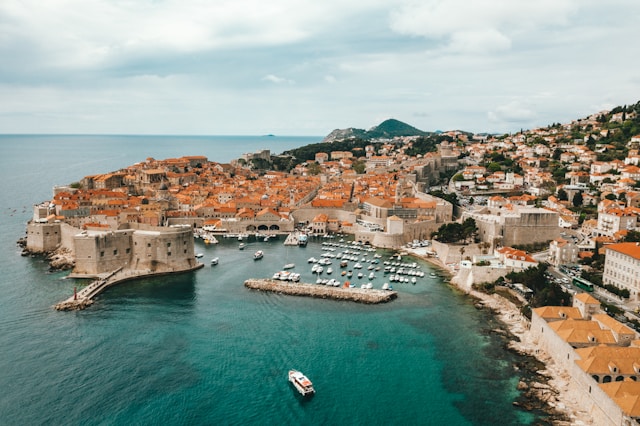
Croatia sits along the Adriatic Sea, offering a rare mix of Roman ruins, medieval towns, and cascading waterfalls. Things to do in Croatia range from walking ancient city walls in Dubrovnik to swimming near thundering waterfalls in national parks. The country attracts history buffs, beach lovers, families, and couples looking for a memorable European getaway.
Most major attractions lie within a few hours of each other by car or ferry. You can pair coastal towns with island escapes or national park visits in a single trip. In this guide, we have listed the must see places in Croatia, along with timings, ticket prices, and helpful tips to plan your visit.
1. Plitvice Lakes National Park

Croatia’s oldest and largest national park holds 16 terraced lakes linked by over 90 waterfalls. UNESCO added Plitvice to its World Heritage List in 1979, and the park draws over a million visitors each year.
Wooden boardwalks wind through the turquoise waters and lush forests. The 78-meter Veliki Slap is the tallest waterfall in the park and stands as one of the top things to do in Croatia for nature lovers. Your ticket includes an electric boat ride across the largest lake and a panoramic train.
- Google Rating: 4.8/5 stars
- Location: Plitvička Jezera, Croatia (between Zagreb and Zadar)
- Timings: Open daily year-round 7:00 AM – 2:00 PM
- Price: Peak Season (June–September) – Adults €40/ INR 4,394, Children (7–18) €15/ INR 1,648; Off-Season (Nov–Mar) – Adults €10, Children €4; set aside 4 to 6 hours for a full visit
Suggested Read: Croatia Visa Extension for Indians
2. Dubrovnik Old Town & City Walls

The walled city of Dubrovnik earned its nickname “Pearl of the Adriatic” for good reason. Its medieval fortifications stretch nearly 2 kilometers around the Old Town and remain among the best-preserved in Europe.
Walk atop the 13th-century walls to take in views of terracotta rooftops, the shimmering sea, and Fort Lovrijenac. Game of Thrones fans will recognize many filming locations from King’s Landing. The ticket also grants access to Fort Lovrijenac and Minčeta Tower. Start your walk early morning to beat the heat and crowds.
- Google Rating: 4.6/5 stars
- Location: Gundulićeva poljana 2, 20000, Dubrovnik, Croatia
- Timings: Daily 8:00 AM – 6:00 PM
- Price: Adults €20/ INR 2,197, Children (7–18) €5/ INR 549; set aside 3 to 4 hours for a complete walk
3. Diocletian’s Palace, Split

Unlike most ancient monuments, Diocletian’s Palace in Split still functions as a living city center. Roman Emperor Diocletian built this retirement residence in the 4th century AD, and today about 3,000 people live within its walls.
Wander through the Peristyle square, climb the Cathedral of St. Domnius bell tower for panoramic views, and check out the underground cellars that once stored the palace supplies. Shops, cafes, and restaurants now fill the narrow stone alleyways. Entry to the palace complex is free; individual attractions like the cellars and cathedral charge separate fees.
- Google Rating: 4.7/5 stars
- Location: 21000, Grad, Split, Croatia
- Timings: Open 24/7 (Individual sites vary: Cellars 8:00 AM – 9:00 PM in summer)
- Price: Palace entry – Free, set aside 2 to 3 hours for guided tours
Suggested Read: Croatia Visa Appeal For Indians
4. Krka National Park

Krka National Park offers a more accessible alternative to Plitvice, located just 10 kilometers from Šibenik on the Dalmatian coast. The park protects over 142 square kilometers along the Krka River.
Skradinski Buk, the main waterfall, cascades down 17 natural barriers across 800 meters. A boat trip from Skradin takes you directly to the falls and is included in your entry ticket. You can also visit Visovac Island, home to a 15th-century Franciscan monastery. Note that swimming in the park has been prohibited since 2021 to protect the ecosystem.
- Google Rating: 4.5/5 stars
- Location: Krka National Park, near Šibenik, Croatia
- Timings: Open daily. Summer 8:00 AM – 8:00 PM; Winter 9:00 AM – 4:00 PM
- Price: Peak Season (June–Sept) – Adults €40, Children (7–18) €15 | Off-Season (Nov–Mar) – Adults €7, Children €4, set aside 3 to 4 hours for exploration
5. Zadar Sea Organ & Greeting to the Sun

Zadar blends Roman ruins with modern art installations on its waterfront. The Sea Organ, designed by architect Nikola Bašić and opened in 2005, uses wave energy to produce hauntingly beautiful sounds through 35 pipes hidden beneath marble steps.
Right beside it sits the Greeting to the Sun, a 22-meter circular installation made of 300 glass plates that absorb solar energy by day and create a colorful light show after sunset. Both attractions are free and open around the clock.
- Google Rating: 4.7/5 stars
- Location: Obala kralja Petra Krešimira IV, 23000, Zadar, Croatia
- Timings: Open 24/7
- Price: Free, set aside 30 to 60 minutes for the sunset experience
Suggested Read: Croatia Visa Rejection for Indian Nationals
6. Hvar Island

Hvar Island sits among the sunniest spots in Croatia, recording over 2,800 hours of sunshine annually. The island draws a mix of party-seekers, beach lovers, and history buffs to its shores.
Hvar Town’s St. Stephen’s Square ranks among the largest piazzas in Dalmatia, surrounded by 16th-century architecture. Climb up to the Spanish Fortress (Fortica) for sweeping views of the harbor and the Pakleni Islands. Boat tours depart daily for the Blue Cave on Biševo Island and secluded swimming spots. For those looking for fun things to do in Croatia after dark, Hvar’s beach clubs buzz late into the night.
- Google Rating: 4.7/5 stars
- Location: Hvar Island, Split-Dalmatia County, Croatia
- Timings: Fortress – Daily 9:00 AM – 7:00 PM
- Price: Hvar Fortress – €12/ INR 1,319 for adults and €8/ INR 879 for children; Boat tour prices to Blue Cave vary based on operator, set aside 1 to 2 days for a proper visit
7. Pula Arena

The Roman amphitheater in Pula stands as one of the six largest surviving arenas from antiquity. Built in the 1st century AD, it once held over 23,000 spectators watching gladiator battles.
Today, the remarkably preserved structure hosts concerts by international artists, the annual Pula Film Festival, and even ice hockey matches. You can walk freely around the exterior anytime, but stepping inside reveals underground passages and a small museum about olive oil and winemaking in Roman Istria. This remains a top attraction for things to do in Croatia for tourists interested in ancient history.
- Google Rating: 4.6/5 stars
- Location: Flavijevska ul., 52100, Pula, Croatia
- Timings: Open daily. Summer 8:00 AM – 9:00 PM; Winter 9:00 AM – 5:00 PM
- Price: Adults – €10, Children – €5, set aside 1 to 2 hours for a visit
8. Rovinj

Rovinj perches on a small peninsula in Istria, its pastel-colored buildings tumbling down toward the Adriatic. The town’s narrow cobblestone streets wind up to the Church of St. Euphemia, whose 60-meter bell tower dominates the skyline.
Galleries, craft shops, and seafood restaurants line the waterfront and old town lanes. Rent a bike and ride to nearby beaches at Lone Bay or the Golden Cape Forest Park (Zlatni Rt). Rovinj moves at a slower pace than Dubrovnik or Split, making it a favorite among travelers who are looking for things to do in Croatia today without the crush of crowds.
- Google Rating: NA
- Location: Rovinj, Istria County, Croatia
- Timings: Town open 24/7; Church of St. Euphemia bell tower: 10:00 AM – 6:00 PM (summer)
- Price: Bell tower climb – €4/ INR 439, set aside half a day for leisurely exploration
Suggested Read: Croatia Visa Photo Requirements for Indians


FAQs
What are the best things to do in Croatia for first-time visitors?
Dubrovnik’s city walls and Old Town offer the perfect starting point with their medieval charm and sweeping coastal views. From there, Plitvice Lakes delivers breathtaking natural beauty, while Split’s Diocletian’s Palace brings Roman history to life. Together, these three destinations represent the best things to do in Croatia for tourists and provide a meaningful introduction to the country.
What shouldn’t you miss in Croatia?
A walk along Dubrovnik’s ancient city walls remains one of the most rewarding experiences you can have here. Plitvice Lakes, with its turquoise pools and gentle waterfalls, is a must see place in Croatia that truly lives up to expectations. Island hopping to Hvar or Korčula rounds out your visit with beautiful beaches, local wines, and rich history.
What are the best things to do in Croatia during the day?
You can hike through Plitvice or Krka National Park, wander the ancient streets of Dubrovnik, Split, or Trogir, or relax on sun-warmed Adriatic beaches. A Blue Cave boat tour from Vis or Hvar is one of the fun things to do in Croatia, and visiting around midday lets you witness the famous blue light at its most magical.
What are the best things to do in Croatia at night?
Zadar’s Greeting to the Sun installation comes alive after dark with colorful light patterns along the waterfront. Hvar Town draws a lively crowd to its beach clubs, while Dubrovnik’s Old Town takes on a romantic quality perfect for dinner with a view. Zagreb offers rooftop bars and live music venues across the Upper and Lower Towns.
What are the most kid-friendly activities in Croatia?
Families will find Croatia welcoming and easy to enjoy together. Boat rides through Plitvice and Krka delight children, while pebble beaches in Rovinj or along the Makarska Riviera provide safe swimming spots. The ancient Pula Arena sparks young imaginations, and Zadar’s Sea Organ creates wave-powered sounds that fascinate visitors of all ages.
What are the best cultural things to do in Croatia?
Zagreb’s Museum of Broken Relationships offers a deeply moving experience through personal objects from ended relationships worldwide. Split’s Diocletian’s Palace blends Roman ruins with modern cafes, while Dubrovnik’s Old Town holds centuries of sacred architecture. Korčula and Trogir preserve medieval heritage in intimate settings, making them top things to do in Croatia for history lovers.
What are the top food experiences in Croatia?
The Dalmatian coast rewards seafood lovers with grilled fish, octopus salad, and rich black risotto served steps from the water. Throughout the country, peka appears on menus as a beloved slow-cooked dish of meat and vegetables prepared under an iron bell, best paired with local wines like Plavac Mali.
What are the best shopping areas in Croatia?
Dubrovnik’s Stradun main street offers local crafts and thoughtful souvenirs worth bringing home. Zagreb’s Ilica street and the vibrant Dolac market provide everything from fashion to fresh produce. Rovinj’s old town rewards wanderers with small galleries and artisan shops, while lavender products from Hvar make a favorite gift that carries the scent of the Adriatic home.
What’s the best time of year to visit Croatia for sightseeing?
Late spring and early fall bring the most comfortable conditions, with May through June and September through October offering pleasant weather, thinner crowds, and friendlier prices. If you are planning things to do in Croatia, the shoulder seasons allow you to appreciate top attractions without the intensity of summer tourism.