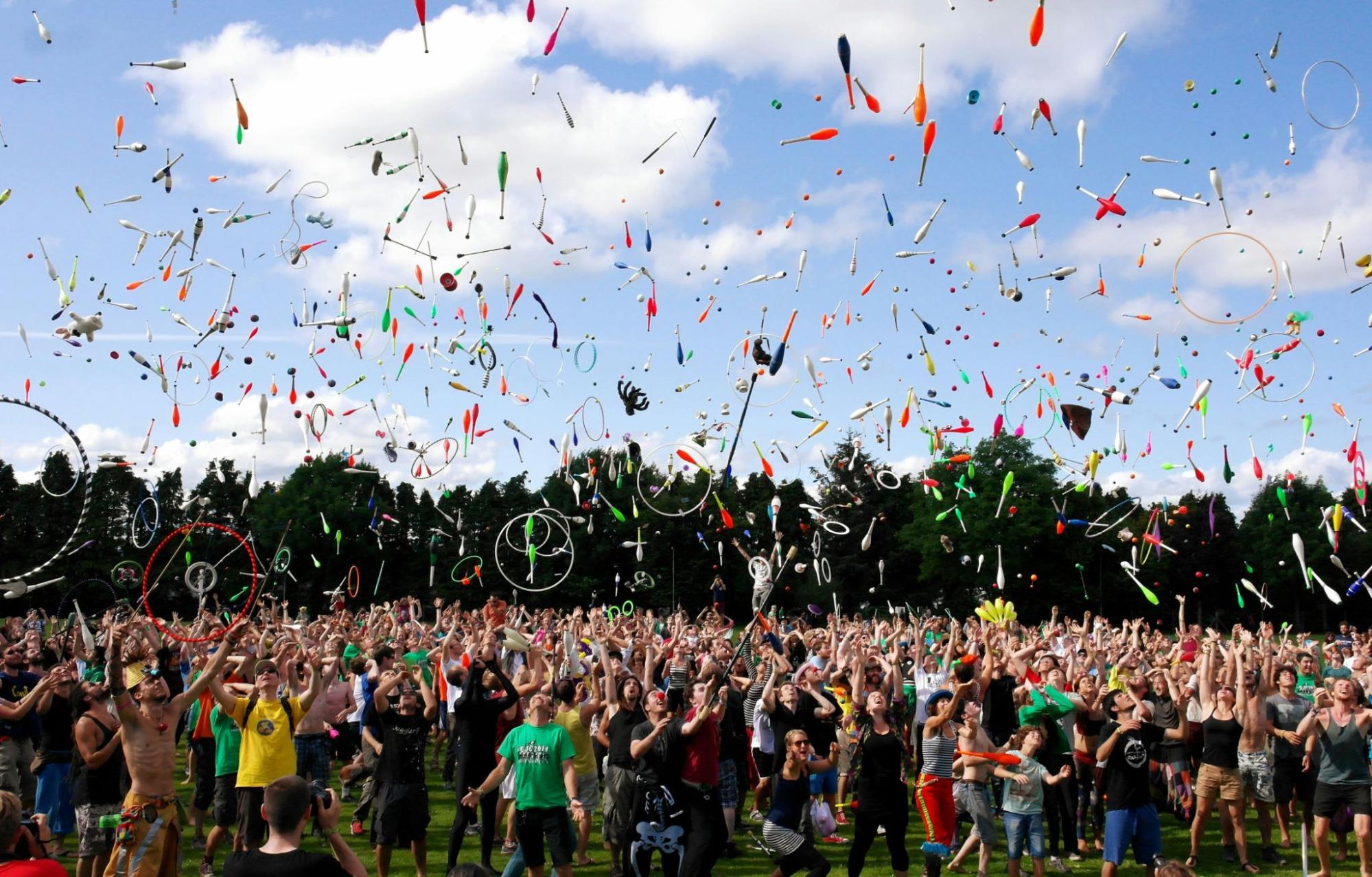
Croatia is a country where Mediterranean rhythms, centuries-old traditions, and diverse cultural influences converge. From ancient folk rituals in the hills to world-class music, film, and carnival celebrations along the Adriatic coast, Croatian festivals reflect rich history, religious devotion, regional identity, and contemporary creativity.
This guide highlights the 10 best festivals in Croatia for tourists, explaining when they are celebrated, why they matter, and what makes each one unique.
- 1. Dubrovnik Summer Festival
- 2. Sinj Alka Tournament
- 3. Easter Traditions
- 4. Zagreb Advent & Christmas Markets
- 5. Fish Festival – Fis-Fest, Komiža
- 6. Ultra Europe – Split
- 7. Špancirfest – Varaždin Street Festival
- 8. Pula Film Festival
- 9. Vinkovci Autumns (Vinkovačke Jeseni)
- 10. St. Blaise’s Day (Dan sv. Vlaha)
- FAQs
1. Dubrovnik Summer Festival

The Dubrovnik Summer Festival is Croatia’s oldest and most prestigious multi-arts celebration, bringing together classical music, theater, opera, dance, and folklore. Set against the UNESCO World Heritage city walls of Dubrovnik, the festival brings historic streets and squares to life each summer.
When It’s Celebrated: Annually from mid-July to late August.
Why It’s Celebrated: To showcase Croatian and international performing arts against the dramatic backdrop of Dubrovnik’s medieval architecture.
Highlights of the Festival:
- Classical concerts in historic courtyards and churches.
- Open-air theater and opera performances.
- Traditional folk music and dance.
- Art exhibitions and contemporary performance pieces.
- Events held at Stradun, Fort Lovrijenac, Rector’s Palace, and other iconic venues.
Must Read: Croatia Visa for Indians: The Ultimate Guide
2. Sinj Alka Tournament
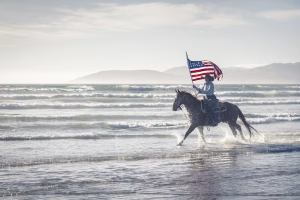
The Sinj Alka Tournament is a historic knight’s competition dating back to 1715. Held in the mountain town of Sinj in inland Dalmatia, the event commemorates the victory over Ottoman forces and celebrates Croatian heritage, horsemanship, and tradition.
When It’s Celebrated: First Sunday in August each year.
Why It’s Celebrated: To honor the historic Battle of Sinj (1715) and preserve Croatian equestrian and martial traditions.
Highlights of the Festival:
- Mounted knights compete to hit a small metal ring (alka) with a lance.
- Traditional folk costumes and music.
- Parades and local cultural events.
- Historic reenactments and local feasts.
- Major celebration in the town of Sinj.
3. Easter Traditions

Easter is one of the religious festivals in Croatia, celebrated by both Catholic and Orthodox communities. Unique regional Easter traditions add depth to the observance, including processions, decorated eggs, and festive foods.
When It’s Celebrated: Between March and April, based on the Christian calendar.
Why It’s Celebrated: To commemorate the resurrection of Jesus Christ, symbolizing renewal, faith, and hope.
Highlights of the Festival:
- Church services and processions in towns and villages.
- Decorated Easter eggs and traditional breads.
- Regional customs such as Easter Monday picnics.
- Festive meals with lamb and sweet pastries.
- Large celebrations in Zagreb, Split, Dubrovnik, and Osijek.
Must Read: Croatia Itinerary 7 Days: Coastal Cities & Islands
4. Zagreb Advent & Christmas Markets

Zagreb Advent has been repeatedly named one of Europe’s best Christmas markets. It blends festive lights, seasonal concerts, local artisan markets, and hearty Croatian winter treats, drawing visitors from across the continent.
When It’s Celebrated: Late November through early January.
Why It’s Celebrated: To mark the festive Christmas season and celebrate winter traditions.
Highlights of the Festival:
- Christmas markets with local crafts and foods.
- Ice skating rinks and festive concert stages.
- Seasonal lights and holiday decorations.
- Traditional cakes, mulled wine, and savory Croatian dishes.
- Family-friendly attractions in Ban Jelačić Square and Zrinjevac Park.
5. Fish Festival – Fis-Fest, Komiža
Fis-Fest (Fish Festival) in the fishing town of Komiža on Vis Island celebrates Adriatic maritime heritage and seafood cuisine. Originally a local fisherman’s feast, it has grown into a major cultural event combining gastronomy, music, and local traditions.
When It’s Celebrated: Annually in late August or early September.
Why It’s Celebrated: To honor maritime culture and celebrate fresh Adriatic seafood traditions.
Highlights of the Festival:
- Seafood tastings and competitions.
- Live music and traditional klapa singing.
- Local wine and olive oil offerings.
- Cooking demonstrations by local chefs.
- Festivities along the Komiža waterfront.
Must Read: Croatia Visa Rejection Reasons & How to Avoid Them
6. Ultra Europe – Split
Ultra Europe is one of Croatia’s largest and most internationally recognized electronic music festivals, part of the global Ultra Music Festival brand. It draws world-class DJs and tens of thousands of electronic music fans to the Dalmatian coast each summer.
When It’s Celebrated: Mid-July every year.
Why It’s Celebrated: To celebrate contemporary music culture and bring global electronic artists to Croatia’s coastal stage.
Highlights of the Festival:
- Performances by top international DJs and producers.
- Multiple stages across Split’s Riva and surrounding venues.
- Day and night parties with visual and light shows.
- Tourist influx boosting local nightlife and hospitality.
- Major electronic music event in Southeast Europe.
Must Read: How to Check Croatia Visa Status? [Updated Guide]
7. Špancirfest – Varaždin Street Festival

Špancirfest is one of Croatia’s most beloved street arts and cultural festivals, held in the baroque city of Varaždin. It blends street performances, live music, theatre, artisan markets, and culinary experiences, creating a dynamic atmosphere in historic surroundings.
When It’s Celebrated: Late August each year.
Why It’s Celebrated: To promote cultural creativity, street art, and regional heritage.
Highlights of the Festival:
- Live music across multiple stages.
- Street theater and acrobatic shows.
- Local crafts and artisan exhibitions.
- Food and wine tastings.
- Family-friendly entertainment throughout the old town.
Must Read: Croatia Visa Extension for Indian: How to Apply
8. Pula Film Festival

The Pula Film Festival is one of Europe’s oldest film festivals, held in the ancient Roman Arena in Pula. Since 1954, it has celebrated cinematic art and brought international and regional films to Croatian shores. The festival combines film premieres with cultural events in a unique historic setting.
When It’s Celebrated: Mid-July to late July every year.
Why It’s Celebrated: To celebrate film artistry and connect regional cinema with global audiences.
Highlights of the Festival:
- Open-air screenings in the Roman Arena.
- International film premieres and competitions.
- Meet-the-artist events and discussions.
- Cultural exhibitions and parties.
- Celebrated as a leading event in European cinema culture.
Must Read: Croatia Visa Appeal for Indian: How to Apply & Tips
9. Vinkovci Autumns (Vinkovačke Jeseni)

Vinkovačke Jeseni (Vinkovci Autumns) is one of Croatia’s oldest folklore festivals celebrating Slavonian culture and agricultural heritage. Set in eastern Croatia’s historic town of Vinkovci, it features traditional costumes, music, dances, and harvest rituals.
When It’s Celebrated: Late September each year.
Why It’s Celebrated: To preserve Slavonian folk traditions and honor agricultural heritage.
Highlights of the Festival:
- Traditional Slavonian costume parades.
- Folk music and dance performances.
- Harvest rituals and agricultural competitions.
- Local food exhibitions and tastings.
- Cultural programs in historic Vinkovci venues.
Must Read: Croatia Visa Photo Requirements for Indian Travelers
10. St. Blaise’s Day (Dan sv. Vlaha)

St. Blaise’s Day is Dubrovnik’s most important religious and cultural celebration. St. Blaise (Sveti Vlaho) is the city’s patron saint, and his feast day brings centuries-old processions and rites throughout this coastal heritage city.
When It’s Celebrated: 3 February every year.
Why It’s Celebrated: To honor Saint Blaise and celebrate Dubrovnik’s historic traditions and identity.
Highlights of the Festival:
- Processions through Dubrovnik’s Old Town.
- Church ceremonies in the Cathedral of St. Blaise.
- Traditional music and celebrations in Stradun.
- Decorations and gatherings in local squares.
- Annual tribute by citizens to their patron saint.
Must Read: Book Croatia Visa Appointment Online – Easy Booking Guide


FAQs
What festivals are popular in Croatia?
Famous celebrations in Croatia include the Dubrovnik Summer Festival, Sinj Alka Tournament, Ultra Europe in Split, Zagreb Advent markets, and Pula Film Festival. Croatia’s cultural calendar also features traditional celebrations such as Easter and St. Blaise’s Day, reflecting religious and regional heritage.
Which are the best festivals & events celebrated in Croatia?
For performing arts and history, the Dubrovnik Summer Festival and Pula Film Festival stand out. Music lovers flock to Ultra Europe, while Špancirfest in Varaždin offers dynamic street performances. The Sinj Alka Tournament and Vinkovačke Jeseni showcase rich Croatian folklore and heritage.
What is the best time to visit Croatia for festivals?
The best time to attend festivals in Croatia is between May and September. This period includes major cultural events such as the Dubrovnik Summer Festival, Ultra Europe (July), Pula Film Festival (July), and Vinkovačke Jeseni (September). Winter and spring offer festive experiences too, like Zagreb Advent and St. Blaise’s Day.
What is the traditional dance of Croatia called?
One of the most recognized traditional Croatian dances is the Kolo, a circle dance performed across regions during festivals and celebrations. It is especially common in folk gatherings, weddings, and cultural events, often accompanied by traditional music instruments like tamburica and bagpipes.
What is the main festival celebrated in Croatia?
While Croatia hosts many important festivals, Ultra Europe has become one of the most internationally recognized modern events, and the Dubrovnik Summer Festival is considered the country’s premier cultural arts celebration. Traditional festivals such as Easter and St. Blaise’s Day hold deep cultural importance.
When is Ultra Europe held in Croatia?
Ultra Europe is held every year in mid-July in Split. It attracts international DJs, electronic music fans, and global audiences for multiple days of performances, parties, and music events.
How can I find out about upcoming festivals in Croatia before booking my trip?
You can check Croatia’s official tourism board website, city event calendars (Split, Dubrovnik, Zagreb), embassy travel pages, and specialized festival listings. Local cultural portals and social media updates also provide timely information on dates and festival programs.