
Indian travelers looking beyond Dubai often compare two neighboring emirates that offer very different stays. Abu Dhabi vs. Sharjah comes down to how you want your days to feel. Abu Dhabi presents a capital built on modern design and landmark attractions that feel expansive, while Sharjah offers a quieter rhythm.
Both emirates sit close to each other and welcome visitors year-round, yet the experience on the ground changes noticeably. Pace, spending, food options, and sightseeing styles all differ in practical ways.
This Abu Dhabi vs. Sharjah travel guide breaks down weather, attractions, transport, and costs, helping you choose the emirate that fits your expectations for a 2026 trip.
Source: Unsplash
- Abu Dhabi vs Sharjah: Quick Comparison Overview
- Best Time to Visit Abu Dhabi vs Sharjah
- Top Places to Visit in Abu Dhabi vs Sharjah
- Abu Dhabi vs Sharjah: Activities and Experiences Compared
- Abu Dhabi vs Sharjah: Food and Cuisine Differences
- Abu Dhabi vs Sharjah: Transportation and Getting Around
- Budget Comparison: Abu Dhabi vs Sharjah Costs in 2026
- Abu Dhabi vs Sharjah: Visa Requirements for Indian Travellers
- Abu Dhabi vs Sharjah: Which Destination Should You Choose?
- FAQs
Abu Dhabi vs Sharjah: Quick Comparison Overview
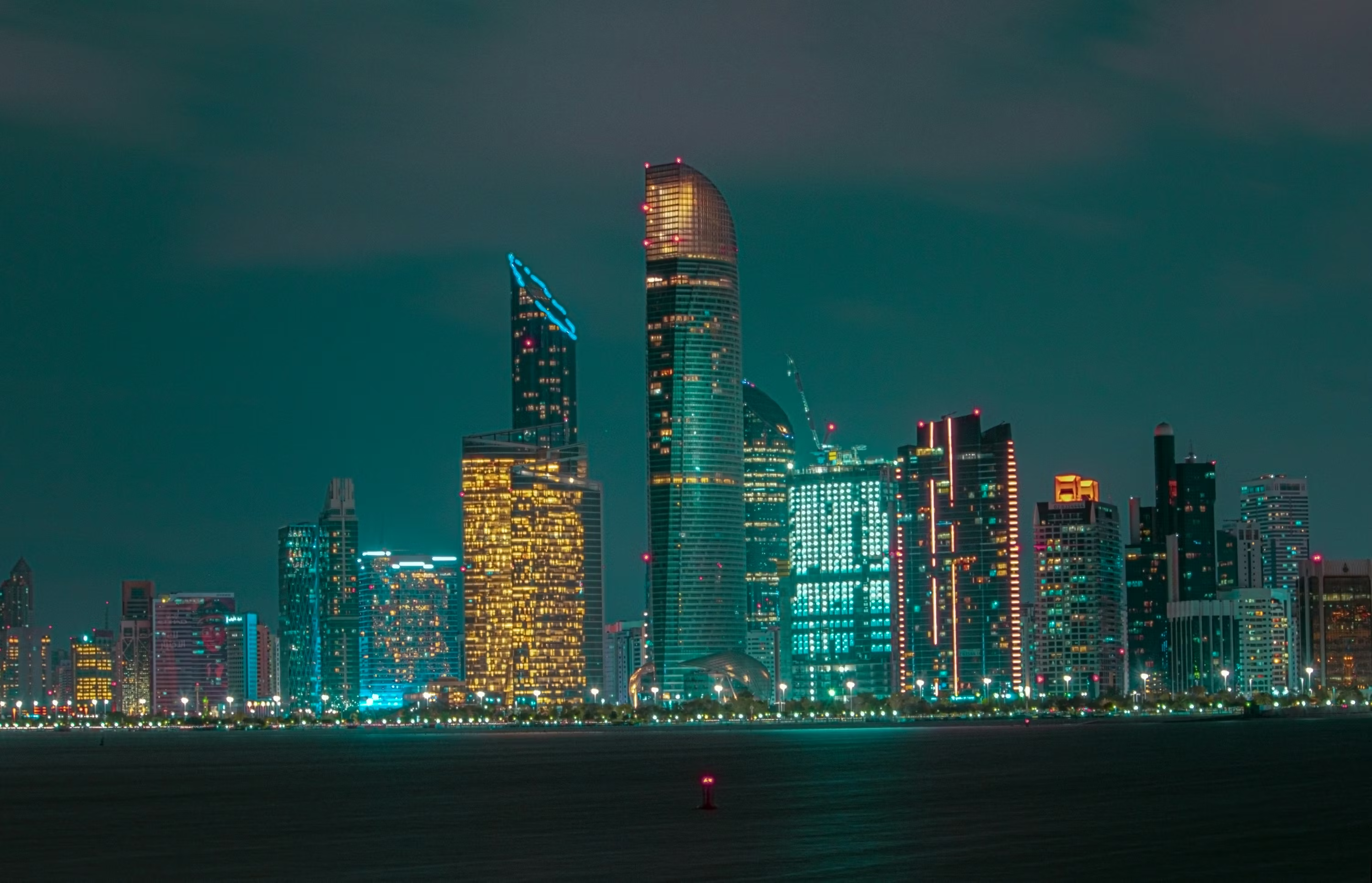
The table below compares Abu Dhabi and Sharjah side by side, highlighting practical differences that affect cost, lifestyle, and daily travel choices. Use it to see which emirate aligns better with your plans and preferences.
| Category | Abu Dhabi | Sharjah |
| Budget (5 days) | ₹50,000–₹1,10,000+ per person | ₹32,000–₹65,000+ per person |
| Best For | Theme parks, luxury, modern attractions | Culture, heritage, family trips |
| Visa | UAE visa rules apply; 14-day VOA for eligible Indians | Same as Abu Dhabi; a single UAE visa covers both |
| Currency | UAE Dirham (AED); AED 1 = INR 22.80 | UAE Dirham (AED); AED 1 = INR 22.80 |
| Language | Arabic (English widely spoken) | Arabic (English spoken in tourist areas) |
| Best Season | November–March | November–April |
| Ideal Duration | 3–5 days | 2–3 days |
Suggested Read: Abu Dhabi With Kids | A Family Travel Guide
Best Time to Visit Abu Dhabi vs Sharjah
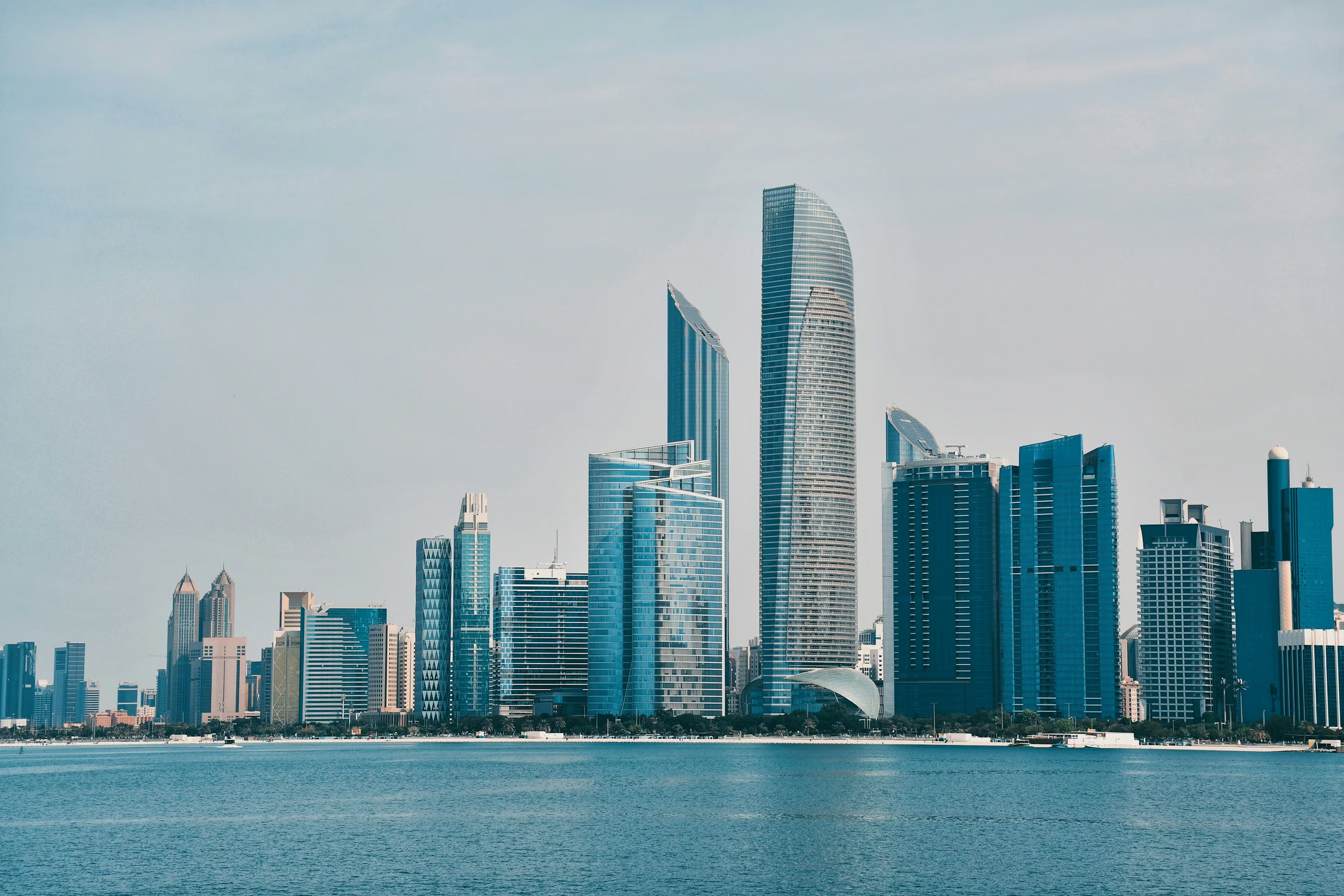
The weather has a strong influence on how comfortable your trip feels in both emirates. The best time to visit Abu Dhabi vs. Sharjah is during the cooler winter months, when sightseeing and outdoor activities feel far more pleasant.
Abu Dhabi Weather Patterns
| Season | Months | Temperature | Climate | Humidity | Highlights |
| Winter (Peak) | Nov – Mar | 18°C – 30°C | Pleasant | Low | Best weather, Grand Prix season |
| Spring | Apr – May | 25°C – 38°C | Warm | Moderate | Fewer crowds, good deals |
| Summer | Jun – Sep | 35°C – 45°C | Scorching | High | Indoor attractions, lowest prices |
| Autumn | Oct | 28°C – 36°C | Warm | Moderate | Tourism picks up again |
Sharjah Weather Patterns
| Season | Months | Temperature | Climate | Humidity | Highlights |
| Winter (Peak) | Dec – Feb | 15°C – 26°C | Cool | Low | Light Festival, ideal sightseeing |
| Spring | Mar – Apr | 20°C – 32°C | Warm | Moderate | Comfortable outdoor exploration |
| Summer | May – Sep | 30°C – 42°C | Hot | High | Indoor museums, Summer Festival |
| Autumn | Oct – Nov | 24°C – 34°C | Pleasant | Moderate | Book Fair season |
Suggested Read: 12 Must-Visit Beaches in Abu Dhabi for the Ultimate Seaside Escape
Top Places to Visit in Abu Dhabi vs Sharjah
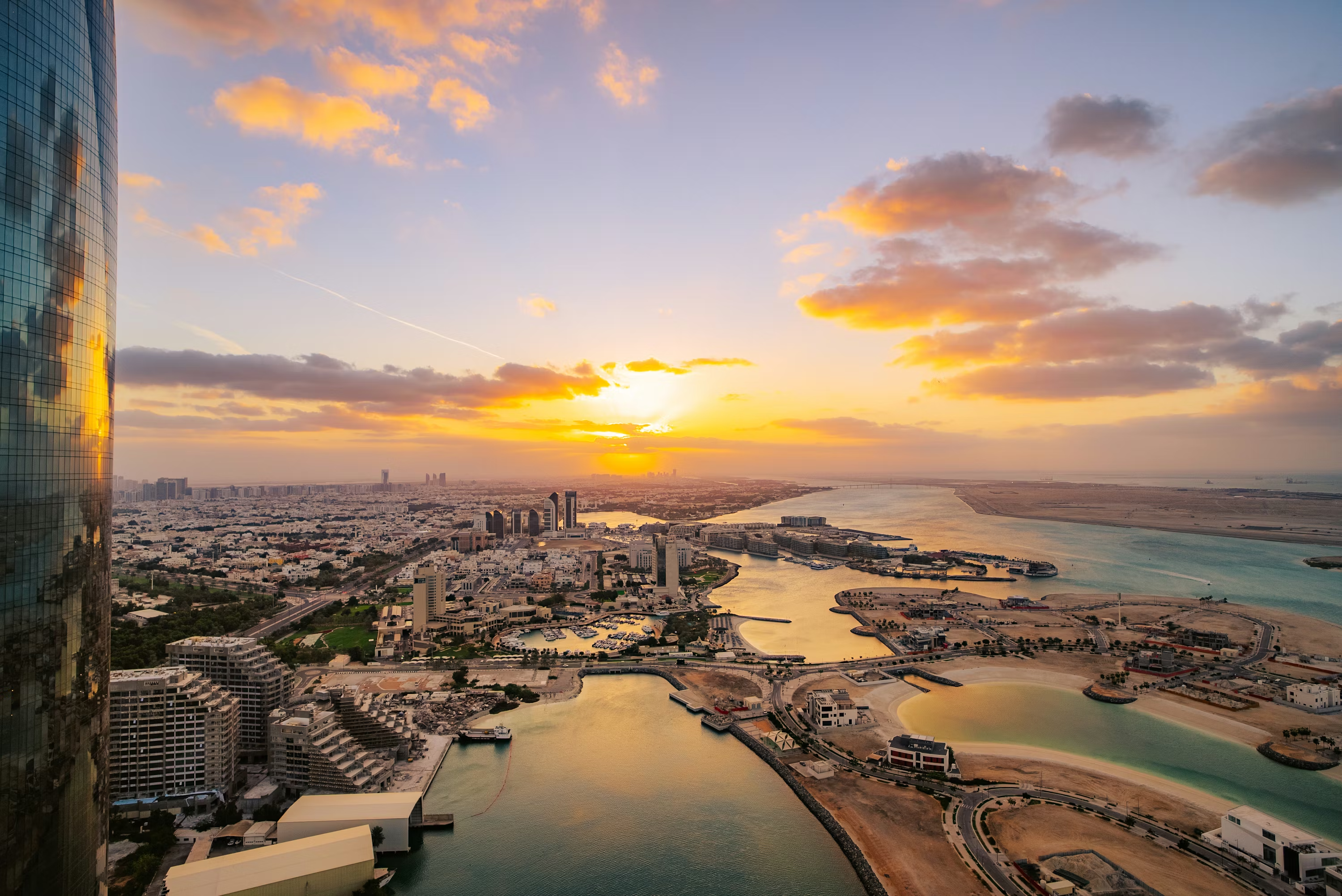
Your experience comes down to where you spend your time. These are the top places to visit in Abu Dhabi vs. Sharjah that deserve a spot on your itinerary.
Must-Visit Places in Abu Dhabi
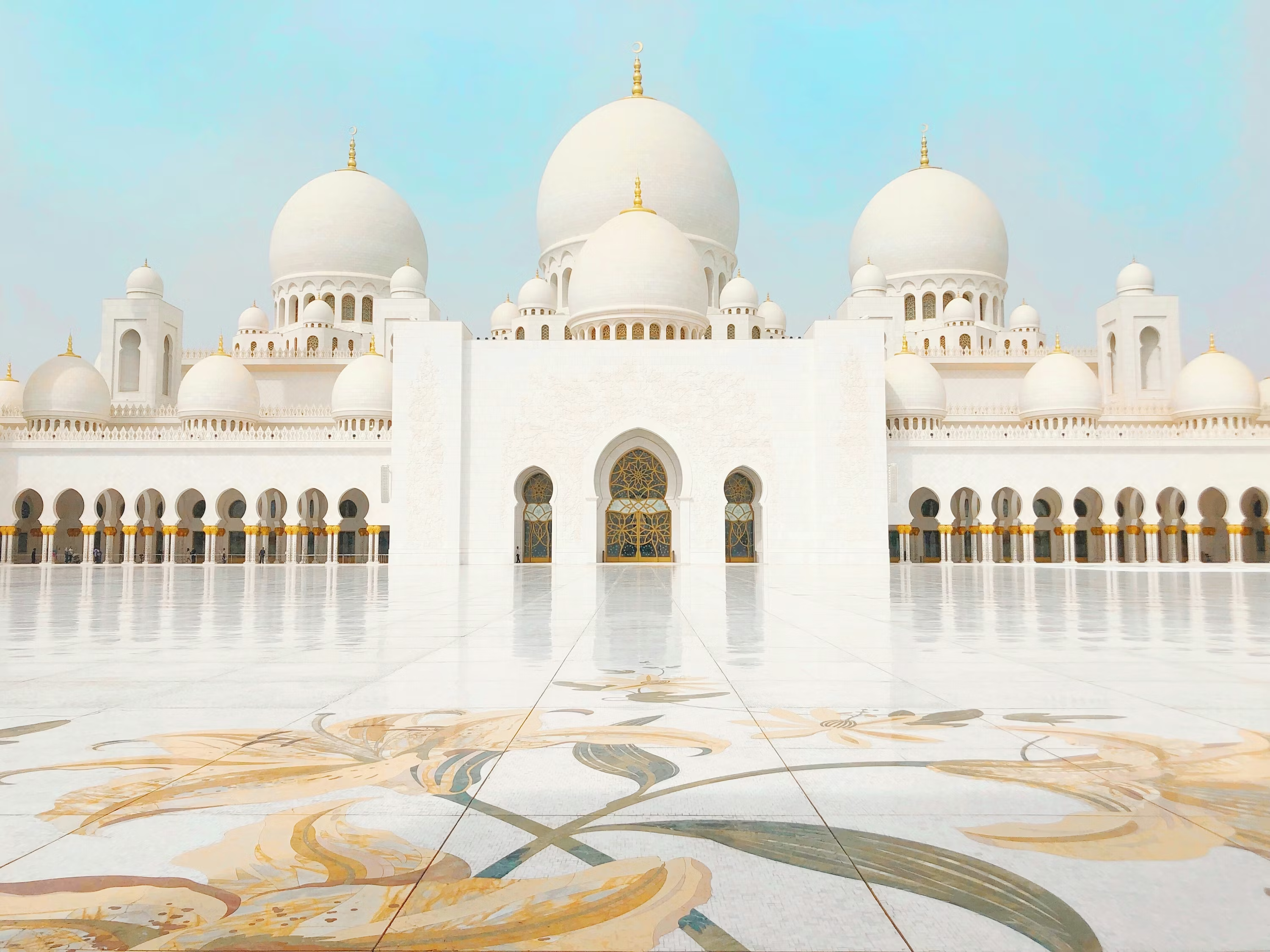
- Sheikh Zayed Grand Mosque: This landmark ranks among the world’s largest mosques and welcomes visitors of all faiths at no charge. Eighty-two domes, more than 1,000 marble columns, and the world’s largest hand-knotted carpet define the space. Free guided tours run daily, and evening lighting highlights the mosque’s scale and detail.
- Louvre Abu Dhabi: Located on Saadiyat Island, the museum displays art across civilizations beneath a vast perforated dome. The building’s architecture stands out as much as the collection itself. Adult entry costs ₹1,425, and guided kayak routes around the structure offer a different view of the site.
Must-Visit Places in Sharjah
- Sharjah Museum of Islamic Civilization: Seven galleries across two floors hold more than 5,000 artifacts. Exhibits include rare Quran manuscripts, historic scientific tools, and a replica of the Kaaba covering. Entry remains affordable at ₹226 for adults and ₹113 for children.
- Al Noor Mosque: This Ottoman-style mosque sits along the corniche and offers free guided tours for non-Muslim visitors. Thirty-four domes and twin minarets rising 52 meters create a strong visual presence. Tours run weekly and focus on Islamic culture and Emirati traditions.
Suggested Read: Best Cafes in Abu Dhabi: Where Coffee Meets Culture
Abu Dhabi vs Sharjah: Activities and Experiences Compared
A destination reveals itself through the experiences it offers. This Abu Dhabi vs. Sharjah holiday comparison focuses on the activities that shape time on the ground, ranging from adrenaline-filled adventures to relaxed, family-friendly options.
Abu Dhabi Adventure Activities
Abu Dhabi leans into large-scale thrills and polished outdoor experiences. CLYMB Abu Dhabi features the world’s largest indoor skydiving chamber along with a 43-meter indoor climbing wall.
Desert safaris push beyond the city limits for dune drives, camel rides, and evening camp dinners beneath open skies. Kayak routes through Jubail Mangrove Park provide a calmer counterpoint, with quiet waterways and coastal wildlife.
Sharjah Adventure Activities
Sharjah approaches adventure through heritage and nature. The Mleiha Archaeological Centre offers fossil hunts, guided desert walks, and night-time stargazing in wide, open terrain.
The camping here feels less commercial and less crowded than nearby emirates. Along the canal at Al Qasba, the Eye of the Emirates rises 60 meters and delivers broad city views. On the East Coast, Khor Fakkan supports snorkeling and diving in clear waters rich with marine life.
Abu Dhabi Water Activities
Abu Dhabi’s shoreline supports active water sports. Corniche Beach hosts jet skiing, parasailing, and flyboarding for visitors who enjoy fast-paced options. Those preferring indoor attractions can visit The National Aquarium Abu Dhabi, home to more than 46,000 aquatic animals across themed zones.
Sharjah Water Activities
Sharjah keeps water experiences accessible and family-oriented. Sharjah Aquarium sits on the Al Khan waterfront and showcases species from the Arabian Gulf across two floors.
Al Mamzar Beach Park, near the Dubai border, offers calm swimming areas, pools, and picnic spaces. Boat trips departing from Khor Fakkan reach snorkeling spots and quiet coves along the east coast.
Suggested Read: Top Nightclubs in Abu Dhabi: The City’s Best Nightlife Spots
Abu Dhabi vs Sharjah: Food and Cuisine Differences
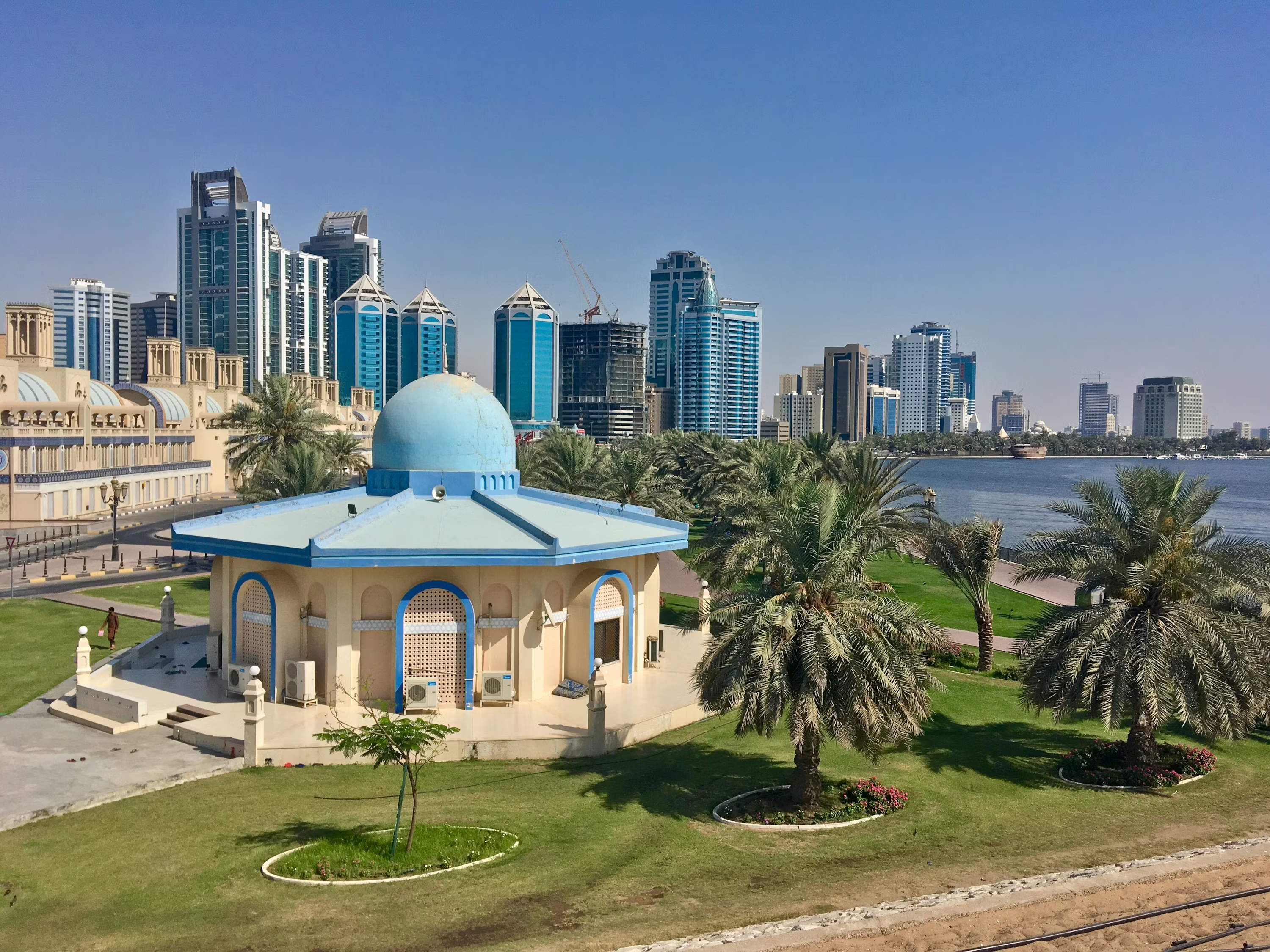
Food plays a practical role in daily travel, especially in the UAE, where dining options vary widely by emirate. This Abu Dhabi vs. Sharjah for tourism section explains how eating out differs in terms of variety, pricing, and atmosphere.
Abu Dhabi Culinary and Dining Experience
Abu Dhabi offers one of the widest dining ranges in the country, covering casual meals and high-end restaurant experiences.
Traditional Emirati dishes like machboos (spiced rice with meat) and harees (slow-cooked wheat porridge) appear alongside global cuisines. Large hotels anchor the fine-dining scene, often hosting well-known international brands and chefs.
- Mall food courts serve meals starting around ₹565–₹900
- Mid-range restaurants usually cost ₹1,130–₹2,260 per person
- Fine dining at premium venues can exceed ₹9,000 per person
- Late-night shawarma spots near the Corniche stay busy well past midnight
Sharjah Culinary and Dining Experience
Sharjah keeps food simple, affordable, and rooted in local tastes. Menus lean toward Arabic and South Asian flavors, with kebabs, shawarma, and freshly baked khuboos forming everyday staples. Portions tend to be generous, and prices stay noticeably lower than in neighboring emirates.
- Street stalls offer full meals for about ₹340–₹565
- Family restaurants serve biryani and grilled meats for ₹680–₹1,360
- Heritage-area cafés pair Arabic coffee with dates and local sweets
- The Rolla area holds the highest concentration of budget eateries
- Alcohol is completely banned, so all dining venues remain dry
Suggested Read: 14 Churches in Abu Dhabi for Your Next UAE Trip: Peaceful Sanctuaries
Abu Dhabi vs Sharjah: Transportation and Getting Around
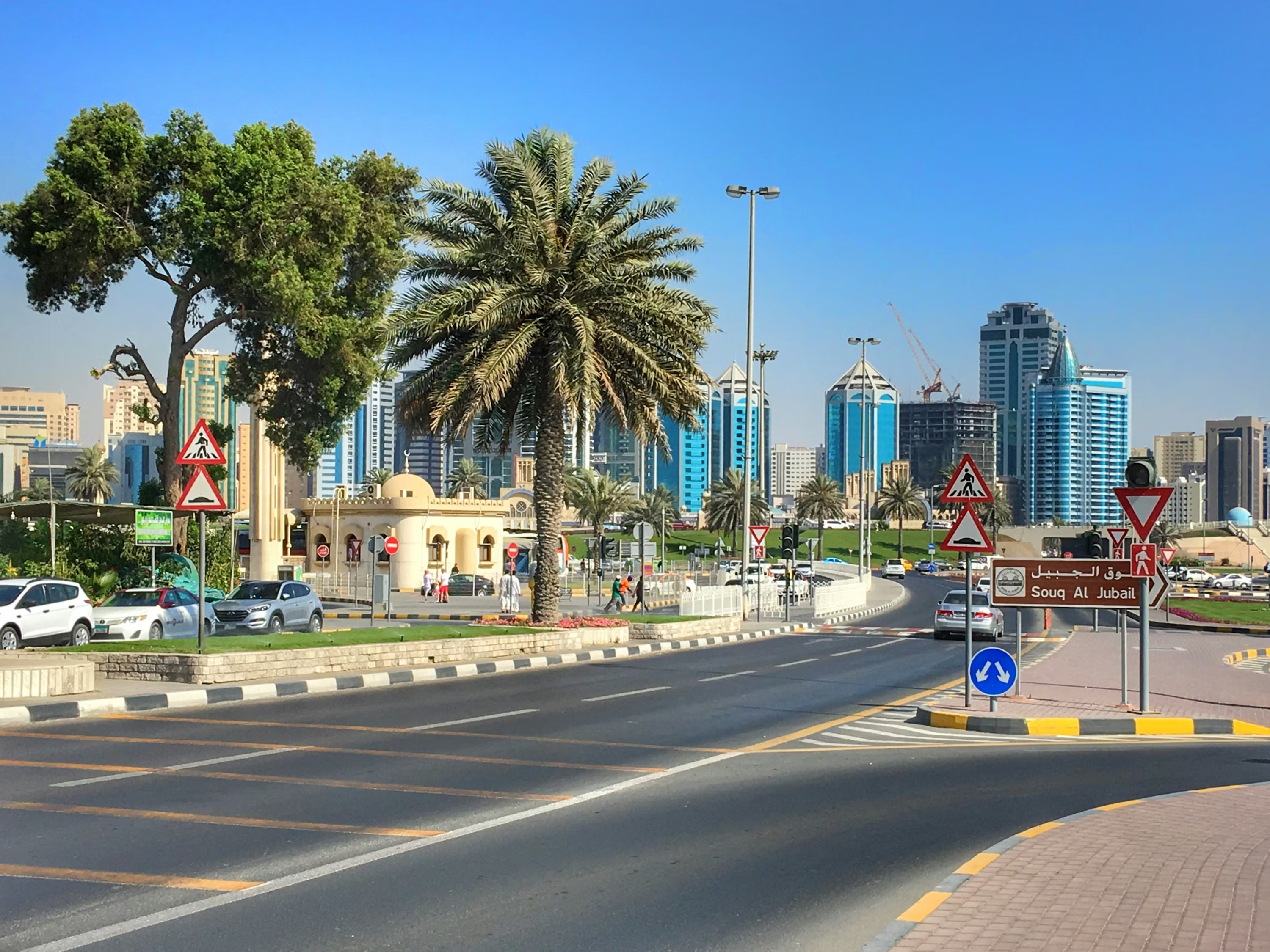
The daily movement affects cost, timing, and comfort throughout your stay. Abu Dhabi depends mainly on taxis and buses for local travel, while Sharjah operates a smaller system with easy links to Dubai.
Abu Dhabi Transportation
Taxis offer the most convenient way to move around Abu Dhabi, especially for visitors staying outside the city center. Public buses cover key routes at low cost, though services feel limited compared to Dubai.
- Taxi base fare starts at ₹271 during the day, with ₹41 charged per kilometer
- Uber and Careem operate citywide and often provide fixed fares
- Public buses cost ₹45 per ride using the Hafilat card
- The Hafilat card costs ₹226 and can be topped up at machines and kiosks
- Intercity buses connect Abu Dhabi and Dubai for about ₹565 each way
- No metro system exists yet, with long-term plans targeting the next decade
Sharjah Transportation
Sharjah keeps transport simple and practical, with buses and taxis handling most trips. Connections to Dubai remain frequent and affordable, which suits travelers staying outside Dubai’s core.
- Mowasalat buses run across Sharjah and to nearby emirates
- The Sayer card handles bus payments across the network
- Local bus fares range from ₹136 to ₹181
- Taxis start at ₹294, with ₹63 per kilometer added
- A surcharge of ₹452 applies when taxis cross into Dubai
- Uber and Careem work reliably across the emirate
Suggested Read: The Ultimate Guide to 9 Shopping Malls in Sharjah
Budget Comparison: Abu Dhabi vs Sharjah Costs in 2026
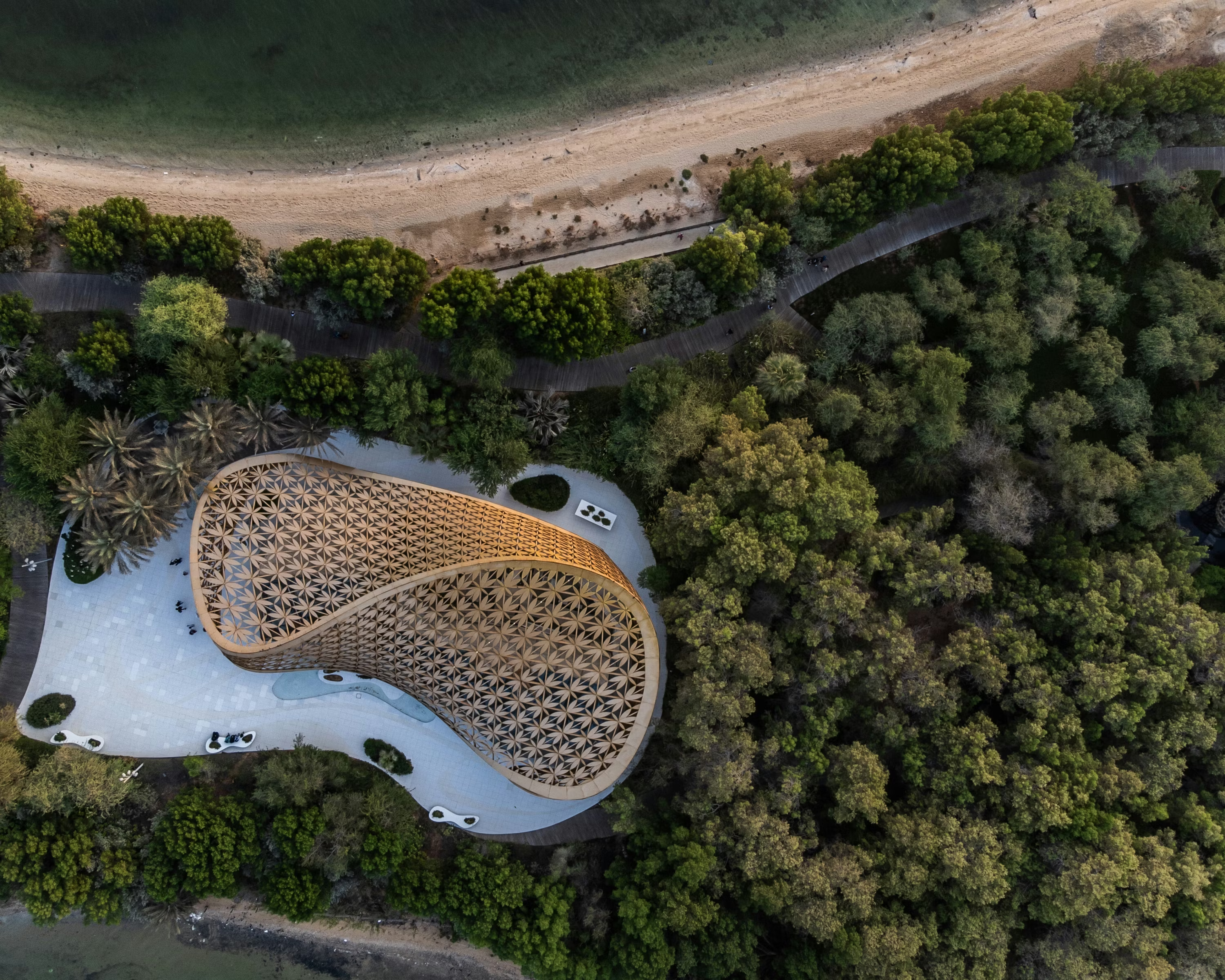
The budget plays a key role when choosing where to go. This Abu Dhabi vs. Sharjah travel cost breakdown helps you understand what to expect before planning your trip.
| Category | Abu Dhabi (per day) | Sharjah (per day) |
| Budget Travel | ₹6,500 – ₹11,000+ | ₹4,500 – ₹8,000+ |
| Accommodation (Budget) | ₹3,400 – ₹5,700+ | ₹2,300 – ₹4,100+ |
| Food | ₹1,800 – ₹3,400+ | ₹1,100 – ₹2,300+ |
| Transportation (Local) | ₹900 – ₹1,800+ | ₹700 – ₹1,400+ |
| Activities | ₹2,300 – ₹6,800+ | ₹700 – ₹1,800+ |
| Total | ₹8,400 – ₹17,700+ | ₹4,800 – ₹9,600+ |
Suggested Read: Airports in Sharjah – Facilities, Transport & Travel Tips
Abu Dhabi vs Sharjah: Visa Requirements for Indian Travellers
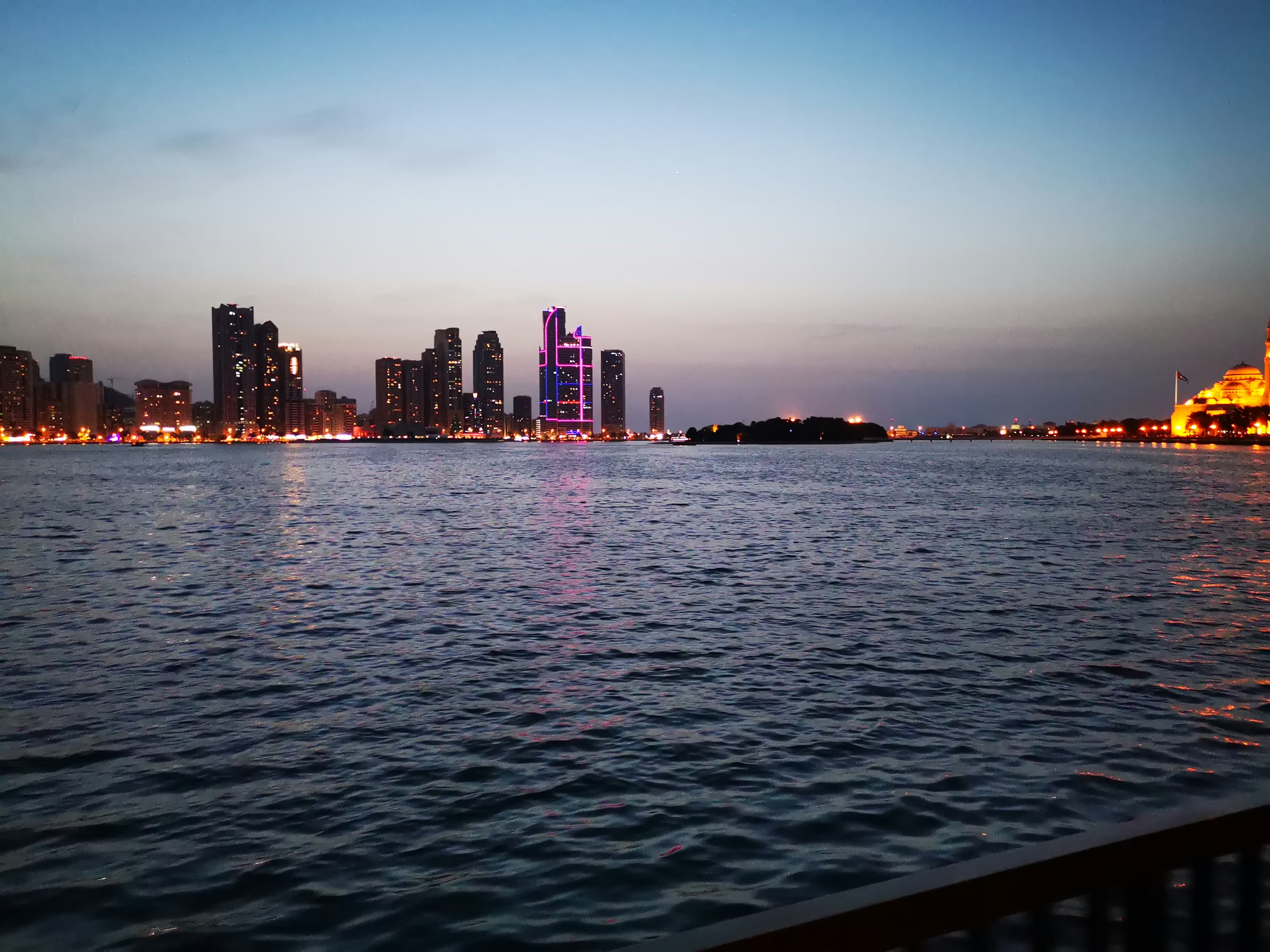
Indians need a visa to enter the UAE, but the process has become easier over the years. Both Abu Dhabi and Sharjah fall under the same federal visa rules.
Abu Dhabi Visa Process
Abu Dhabi follows the UAE’s federal visa system. Indian passport holders with valid residence permits from the US, UK, EU, Australia, Canada, Japan, New Zealand, South Korea, or Singapore can obtain a 14-day visa on arrival at Abu Dhabi International Airport.
Indians without qualifying residence permits must apply for a tourist visa before travel. Options include 30-day and 60-day tourist visas processed online through approved travel agencies or airlines.
Sharjah Visa Process
Sharjah operates under the same UAE federal immigration system as Abu Dhabi. Indian travelers arriving at Sharjah International Airport face identical visa requirements. The 14-day visa on arrival is available to those holding qualifying residence permits from the same nine countries listed above.
For pre-arranged tourist visas, the application process, fees, and documentation requirements mirror Abu Dhabi exactly. Your UAE visa remains valid across all seven emirates, so you can freely travel between Sharjah and Abu Dhabi without additional permits.
Suggested Read: 12 Most Beautiful Beaches in Sharjah
Abu Dhabi vs Sharjah: Which Destination Should You Choose?

Your decision comes down to the kind of experience you want. Abu Dhabi suits travelers drawn to upscale hotels, headline attractions, and large-scale theme parks. Sharjah appeals to those who value culture, museums, and relaxed family time at a lower cost.
You also do not need to limit yourself to one emirate. The short distance makes day trips easy in either direction. Many travelers base themselves in Sharjah to keep costs down and visit Abu Dhabi during the day, striking a balance between experience and budget.
Suggested Read: Exploring the Museums in Sharjah: A Journey Through Culture and Heritage


FAQs
Which is cheaper for a 7-day trip: Abu Dhabi or Sharjah?
Sharjah stays lighter on the wallet across most expenses. A week in Sharjah typically costs ₹45,000–₹90,000 per person, compared with ₹70,000–₹1,50,000 in Abu Dhabi. Hotels, meals, and entry tickets all cost less, so Abu Dhabi vs. Sharjah expensive or cheap clearly favors Sharjah for budget travel.
Is Abu Dhabi or Sharjah better for families with children?
Abu Dhabi suits families who want big-ticket attractions and theme parks, especially on Yas Island. Sharjah works better for quieter trips with museums, heritage areas, and a more conservative setting that many parents appreciate.
What’s the ideal duration for an Abu Dhabi vs. Sharjah vacation?
Abu Dhabi needs 4-5 days to cover major attractions like the Grand Mosque, Louvre, and Yas Island theme parks. Sharjah can be done in 2-3 days, focusing on museums, souks, and the heritage district. A week allows you to combine both without feeling packed.
Can you combine Abu Dhabi and Sharjah in one trip?
Yes, the two emirates sit about 145 km apart, with Dubai in between. Many travelers use Sharjah as a budget base and take day trips to Abu Dhabi. Intercity buses connect both emirates cheaply, making combined trips easy to plan.
Which destination is better for first-time visitors to the UAE?
For first-time visitors, Abu Dhabi vs. Sharjah for tourism leans toward Abu Dhabi. The capital delivers iconic attractions like the Sheikh Zayed Grand Mosque and offers more tourist infrastructure. Sharjah works better as a second visit or for travelers specifically interested in heritage and culture.