Southeast Asia attracts millions of travelers each year, and two neighboring countries often top the shortlist. Indonesia vs Malaysia becomes a practical decision once you look beyond maps. Indonesia stretches across more than 17,000 islands, creating endless variety. Malaysia balances modern cities, rainforests, and coastlines across the mainland and Borneo.
Both destinations offer beaches, rich food traditions, and strong cultural identity at reasonable costs. This Indonesia vs Malaysia travel guide breaks down the weather, key places to visit, costs, and visa rules. The goal stays simple: help you decide which country matches your travel style before you start booking.
Source; Unsplash
- Indonesia vs Malaysia: Quick Comparison Overview
- Best Time to Visit Indonesia vs Malaysia
- Top Places to Visit in Indonesia vs Malaysia
- Indonesia vs Malaysia: Activities and Experiences Compared
- Indonesia vs Malaysia: Food and Cuisine Differences
- Indonesia vs Malaysia: Transportation and Getting Around
- Indonesia vs Malaysia Costs in 2026: Budget Comparison
- Indonesia vs Malaysia: Visa Requirements for Indian Travellers
- Indonesia vs Malaysia: Which Destination Should You Choose?
- FAQs
Indonesia vs Malaysia: Quick Comparison Overview

Before getting into the details, this overview compares the two countries side by side. The table below offers a quick reference for planning your Indonesia vs Malaysia holiday comparison.
| Category | Indonesia | Malaysia |
| Budget (5 days) | ₹25,000–₹50,000+ per person | ₹30,000–₹40,000+ per person |
| Best For | Natural diversity, island hopping, adventure | Modern cities, cultural heritage, and food trails |
| Visa | Visa on Arrival (30 days), IDR 500,000 (~₹2,700) | 90-day visa-free for most nationalities |
| Currency | Indonesian Rupiah (IDR); INR 1 = ~185 IDR | Malaysian Ringgit (MYR); MYR 1 = INR 19.30 |
| Language | Bahasa Indonesia (English in tourist areas) | Malay (English widely spoken) |
| Best Season | April–October | December–February (West), March–September (East) |
| Ideal Duration | 10–14 days | 7–10 days |
Suggested Read: Indonesia Visa For Indians – E-Visa Requirements, Eligibility, Fees & How To Apply
Best Time to Visit Indonesia vs Malaysia

Weather influences comfort, costs, and daily plans throughout your trip. The best time to visit Indonesia vs Malaysia depends on the regions you plan to visit and the activities you want to prioritize.
Weather in Indonesia
Indonesia sits near the equator and has a tropical climate with two main seasons. The dry season runs from April to October, while the wet season spans November through March.
| Season | Months | Temperature | Climate | Humidity | Highlights |
| Dry (Peak) | Jun – Aug | 27°C – 30°C | Sunny | Low | Best weather, surfing, volcano hikes, diving |
| Dry (Shoulder) | Apr – May, Sep – Oct | 27°C – 28°C | Pleasant | Moderate | Fewer crowds, beach visits, temple tours |
| Wet | Nov – Mar | 27°C – 29°C | Rainy | High | Lower prices, indoor activities, lush landscapes |
May, June, and September work especially well for travel. Crowds stay lighter than in July and August, while dry weather continues.
Highland areas in Bali, including Ubud and Kintamani, remain cooler at roughly 20°C to 27°C. Coastal areas like Seminyak and Nusa Dua feel warmer, usually between 28°C and 32°C.
Weather in Malaysia
Malaysia does not have one dry season across the entire country. Weather patterns shift between the west and east coasts due to different monsoons.
Kuala Lumpur and much of the west coast see drier conditions from December through February. East coast islands like Perhentian and Redang suit travel better between March and September, when the seas stay calm, and rain remains limited.
| Season | Months | Temperature | Climate | Humidity | Highlights |
| Dry (West Coast) | Dec – Feb | 27°C – 32°C | Warm, sunny | Moderate | KL sightseeing, Langkawi, Penang beaches |
| Dry (East Coast) | Mar – Sep | 27°C – 32°C | Pleasant | Moderate | Perhentian diving, Redang snorkeling, calm seas |
| Wet (West Coast) | Mar – Nov | 27°C – 30°C | Afternoon showers | High | Indoor attractions, shopping, and Borneo wildlife |
| Wet (East Coast) | Oct – Feb | 26°C – 29°C | Heavy rain | High | Off-season prices, many resorts closed |
The Cameron Highlands provide relief from tropical heat, with temperatures ranging between 15°C and 22°C. This hill station remains comfortable throughout the year.
Suggested Read: Indonesia Visa Appeal for Indian Tourists: Know the Facts
Top Places to Visit in Indonesia vs Malaysia

Both countries offer a wide range of destinations, but the travel experience differs in clear ways. Indonesia leans toward natural variety and cultural depth across vast distances. Malaysia combines modern cities with compact heritage and easy transport. The places below show what sets each country apart.
Must-Visit Places in Indonesia
- Bali: Bali remains the country’s most popular destination, blending beaches with spirituality. Kuta and Seminyak draw beach crowds, while temples like Tanah Lot and Uluwatu sit dramatically along the coast. The Tegallalang rice terraces near Ubud reflect farming traditions still practiced today.
- Borobudur: Located in Central Java, this 9th-century monument ranks among the world’s largest Buddhist temples. More than 2,600 relief panels and hundreds of Buddha statues cover the structure. Early morning visits offer quieter surroundings and softer light.
- Komodo National Park: This protected area spans several islands and remains the only place to see Komodo dragons in the wild. Clear waters around the park also support excellent diving, with Pink Beach standing out for its unusual sand color.
- Raja Ampat: Raja Ampat sits among the richest marine ecosystems on Earth. Remote islands and clear waters attract divers seeking coral diversity and low crowd levels. Planning requires extra effort, but the experience feels unmatched.
- Lake Toba: This vast crater lake in North Sumatra surrounds Samosir Island at its center. Batak villages around the shoreline preserve local traditions, music, and architecture within a dramatic volcanic setting.
Must-Visit Places in Malaysia
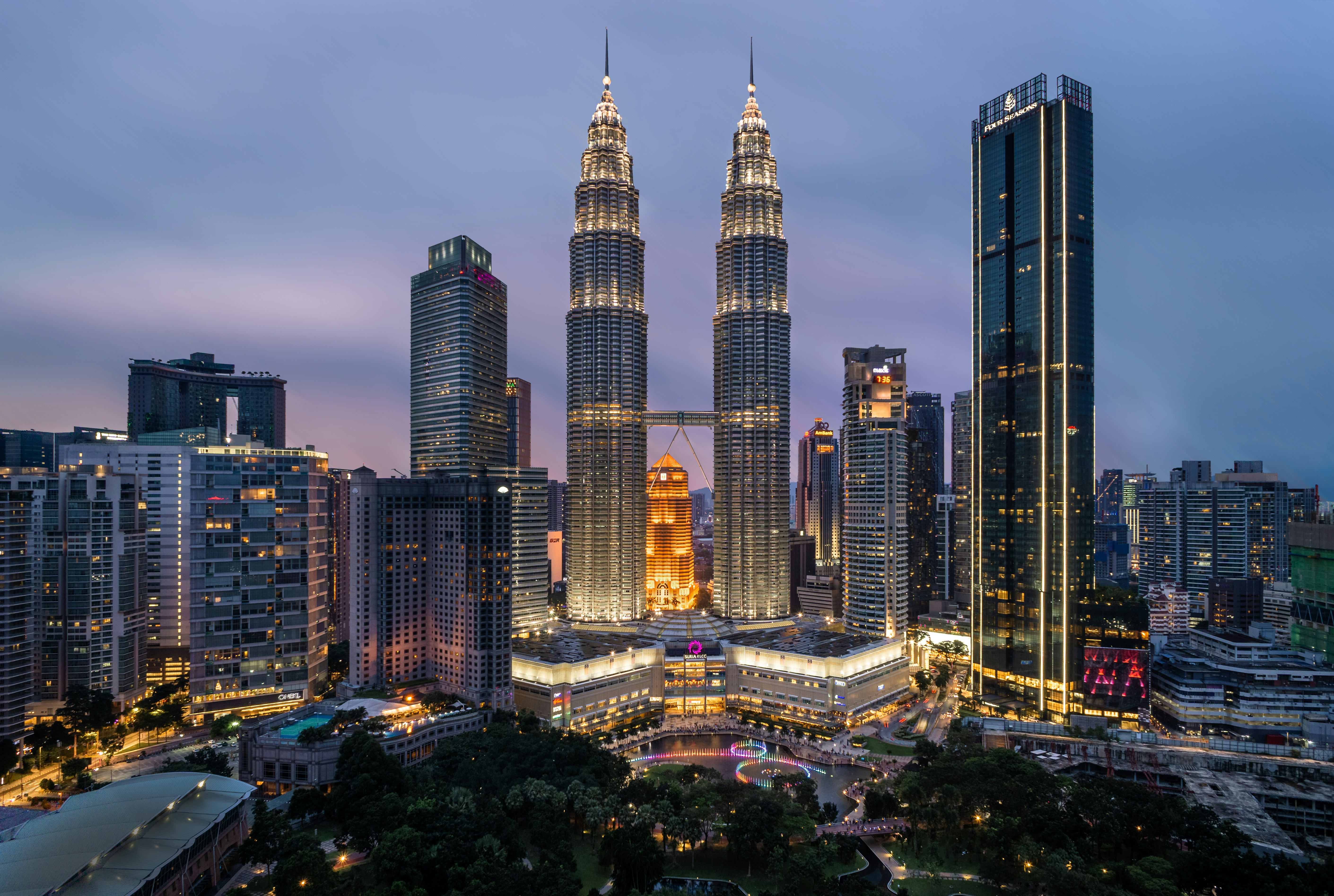
- Kuala Lumpur: The capital showcases Malaysia’s modern face. The Petronas Twin Towers rise 452 meters with a sky bridge connecting both towers. Batu Caves, just outside the city, feature a massive Lord Murugan statue guarding colorful steps to temple caves.
- George Town: Located in Penang, George Town holds UNESCO status for its colonial buildings and multicultural history. Street art murals sit alongside historic shophouses, reflecting Chinese, Indian, and Malay influences.
- Langkawi: Langkawi focuses on natural scenery and relaxed island travel. The SkyCab cable car climbs high above sea level to the curved Sky Bridge. Kilim Geoforest Park features mangroves, caves, and limestone cliffs accessed by boat.
- Cameron Highlands: This hill region offers cooler temperatures and rolling tea estates at a higher elevation. Strawberry farms, flower gardens, and colonial-era bungalows add to the slower pace.
- Malacca City: Malacca reflects centuries of global trade influence. Portuguese, Dutch, and British rule shaped the architecture. The Stadthuys complex near the river dates back to the 1650s and remains one of the city’s main landmarks.
The top places to visit in Indonesia vs Malaysia reveal clear differences in travel style. Indonesia is ideal for travelers willing to cover long distances in exchange for diverse landscapes, whereas Malaysia offers compact routes, cultural hubs, and smooth connections.
Suggested Read: Indonesia Visa Extension for Indians
Indonesia vs Malaysia: Activities and Experiences Compared

The daily activities define how each trip feels once you arrive. Indonesia and Malaysia both offer adventure and downtime, but the settings and pace differ in clear ways.
Indonesia Adventure Activities
Indonesia stands out for raw, nature-driven adventures spread across many islands. Volcano hikes remain a major draw, with Mount Bromo offering easy access to an active crater and Mount Ijen known for its blue sulfur flames and acidic lake before sunrise.
Jungle treks in Sumatra, especially around Bukit Lawang and Gunung Leuser National Park, give chances to spot wild orangutans in dense rainforest. White water rafting runs through several regions, with Bali’s Ayung River suiting beginners thanks to manageable rapids and scenic surroundings.
Malaysia Adventure Activities
Malaysia focuses on adventure within well-managed national parks and mountain regions. Mount Kinabalu in Sabah rises to 4,095 meters and attracts hikers with a demanding but non-technical two-day climb.
Mulu National Park in Sarawak offers vast cave systems, including Deer Cave, one of the largest chambers in the world. Taman Negara adds rainforest treks, canopy walks, river cruises, and night safaris inside one of Earth’s oldest rainforests.
Indonesia Water Activities
Indonesia delivers a variety of water activities. Surf breaks around Bali, Lombok, and Sumatra suit all skill levels, with Uluwatu and Padang Padang drawing experienced surfers and Kuta Beach welcoming beginners.
The diving and snorkeling flourish across the archipelago, from turtle-filled waters near the Gili Islands to manta ray sites in Komodo National Park. Raja Ampat remains a top choice for advanced divers seeking marine diversity. Island hopping links Bali with Lombok, Nusa Penida, and the Gilis through frequent fast-boat routes.
Malaysia Water Activities
Malaysia’s water experiences feel more contained but highly rewarding. Sipadan Island in Sabah ranks among the world’s best dive sites, known for large fish schools, turtles, and reef sharks, with daily permits strictly limited.
The Perhentian Islands offer calm snorkeling conditions and regular turtle sightings in a quieter setting. Langkawi supports relaxed island hopping, with stops at smaller islands and coastal landmarks reached by short boat rides.
Suggested Read: Indonesia Visa Rejection for Indians
Indonesia vs Malaysia: Food and Cuisine Differences

Both nations place a strong importance on food. The street stalls, night markets, and restaurants highlight distinct flavors shaped by local ingredients and cultural influences.
Indonesia Culinary and Dining Experience
Indonesian food changes noticeably from one island to another. Rice and noodles anchor most meals, with spices and slow-cooked methods adding depth and variety.
- Nasi goreng and mie goreng appear nationwide as everyday staples
- Satay skewers with peanut sauce originated here and remain widely available
- Bali features regional dishes like babi guling and bebek betutu, both prepared over several hours
- Padang cuisine from West Sumatra arrives as many small plates, with payment only for what you eat
- Rendang, a slow-cooked dry curry, comes from Padang traditions and holds global recognition
- Warung meals usually cost ₹80–₹165, while mid-range restaurants charge ₹440–₹825 per dish
- Western food and alcohol raise prices, especially in tourist-heavy areas
Malaysia Culinary and Dining Experience
Malaysia’s food reflects its multicultural makeup, with Malay, Chinese, and Indian cooking sharing space across the country. Variety and accessibility define the dining experience.
- Nasi lemak serves as the national dish, combining coconut rice with sambal and sides
- Penang stands out as a food hub, known for char kuey teow and asam laksa
- Hawker centers bring multiple cuisines together in one place
- Street meals usually cost ₹90–₹280, with restaurant dining around ₹370–₹925
- Alcohol remains available in licensed venues, unlike restrictions found in parts of Indonesia
Suggested Read: How To Check Indonesia Visa Status Using Passport Number?
Indonesia vs Malaysia: Transportation and Getting Around

The daily movement affects comfort, timing, and budget across both countries. Indonesia covers vast distances across islands, while Malaysia offers a more compact and connected transport system.
Indonesia Transportation
Indonesia’s scale creates a wide mix of travel options, with flights doing most of the heavy lifting between islands. Trains and boats fill gaps where geography allows.
- Domestic flights link major hubs quickly, with Jakarta to Bali usually priced between ₹2,900 and ₹5,800
- Train services operate mainly on Java, connecting Jakarta, Yogyakarta, and Surabaya, with executive class seats costing about ₹660 to ₹2,075
- Ferries and fast boats connect islands, with Bali to the Gili Islands taking about 90 minutes at ₹2,490 to ₹4,150 one way
- Ride-hailing apps like Grab and Gojek work well in cities and tourist areas
- Scooter rentals cost roughly ₹415 to ₹580 per day in places like Bali, offering flexibility for short distances
Malaysia Transportation
Malaysia’s transport network feels more streamlined, with reliable trains, buses, and urban transit covering most travel needs.
- ETS trains connect Kuala Lumpur and Penang in about four hours, priced around ₹1,080 to ₹1,495
- Urban transport in Kuala Lumpur includes LRT, MRT, and monorail lines using the Touch ’n Go card
- Long-distance buses run frequently, with Kuala Lumpur to Malacca costing about ₹290 to ₹455
- Ferries serve islands like Langkawi and the Perhentians, with short crossings and clear schedules
- Grab operates widely, with city rides usually priced between ₹180 and ₹540
Suggested Read: Indonesia Visa Photo Requirements for Indians
Indonesia vs Malaysia Costs in 2026: Budget Comparison

Costs influence most travel decisions. This section compares Indonesia vs Malaysia travel costs across major expense categories to help you plan your budget with confidence.
| Category | Indonesia (per day) | Malaysia (per day) |
| Budget Travel | ₹2,100 – ₹5,800+ | ₹2,300 – ₹5,400+ |
| Accommodation (Budget) | ₹830 – ₹2,100+ | ₹830 – ₹2,100+ |
| Food | ₹415 – ₹830+ | ₹665 – ₹1,250+ |
| Transportation (Local) | ₹415 – ₹1,250+ | ₹415 – ₹830+ |
| Activities | ₹415 – ₹1,660+ | ₹415 – ₹1,250+ |
| Total | ₹2,075 – ₹5,840+ | ₹2,325 – ₹5,430+ |
Indonesia vs Malaysia expensive or cheap comes down to how you travel. Both countries support budget trips under ₹4,150 a day, though Indonesia usually costs less for food and simple stays. Malaysia often delivers stronger value for longer visits in comfortable mid-range hotels.
Popular tourist hubs raise prices in both places. Seminyak and Ubud sit higher than Lombok or much of Java. Kuala Lumpur and Langkawi cost more than Malacca or Ipoh, where daily expenses are lighter.
Suggested Read: Malaysia Visa Photo Size Requirement & Specification Guide
Indonesia vs Malaysia: Visa Requirements for Indian Travellers

Entry requirements can influence your travel timeline and budget. Here’s what you should know about visa rules for both destinations before you book.
Indonesia Visa Process
Indonesia offers a visa-on-arrival (VOA) to citizens of over 97 countries. This visa allows a 30-day stay and can be extended once for another 30 days at an immigration office inside Indonesia.
Citizens of 16 countries (primarily ASEAN member states, plus recent additions like Brazil and Peru) can enter visa-free for up to 30 days. This option is strictly non-extendable. All visitors must hold a passport valid for at least six months from the date of arrival.
All travelers must now use the unified “All Indonesia” digital portal to complete their immigration declaration, health pass (formerly Satusehat), and Electronic Customs Declaration (e-CD) within 72 hours of arrival.
Malaysia Visa Process
Visitors from most Western nations (Europe, North America, Australia) and several Middle Eastern countries receive a 90-day social visit pass on arrival. Citizens of most ASEAN nations, as well as many African and South American countries, typically receive a 30-day pass.
Notably, Indian and Chinese passport holders currently enjoy 30-day visa-free entry under an exemption program active until December 31, 2026. All visitors must have at least six months of passport validity. While the process is straightforward and free for most, immigration officers may request proof of a confirmed return ticket and sufficient funds for the duration of the stay.
Every foreign visitor (except Singaporeans and specific pass holders) must submit the Malaysia Digital Arrival Card (MDAC) online within three days prior to arrival. Failure to present the MDAC confirmation may result in denied entry.
Suggested Read: Malaysia Visa Extension for Indians
Indonesia vs Malaysia: Which Destination Should You Choose?

Both countries offer memorable trips, and the right choice depends on what you value most. Indonesia suits travelers drawn to volcanic scenery, surf spots, ancient temples, and rare wildlife such as Komodo dragons and orangutans. It works best for those who enjoy island hopping and are comfortable with occasional transport challenges.
Malaysia appeals to travelers who prefer smooth infrastructure, diverse food scenes centered in cities, easy transit links, and a balance of modern urban life with nature. It is especially convenient for first-time visitors to Asia and families.
Many travelers combine both destinations in one journey. Flights from Kuala Lumpur to Bali take around three hours, making a two- to three-week plan realistic without feeling rushed.
This Indonesia vs Malaysia for tourism comparison makes one thing clear. Neither option disappoints. The real decision comes down to which travel style fits you better right now.
Suggested Read: Malaysia Visa Rejection for Indians


FAQs
Is Indonesia or Malaysia better for first-time visitors to Southeast Asia?
Malaysia usually feels easier for first-time travelers. English is widely used, transport runs smoothly, and cities balance well with nearby nature. Indonesia suits travelers who feel comfortable adjusting plans and moving between islands.
How many days do I need for each country?
A one-week trip works well for covering the main highlights in either country, while two weeks allows for a more relaxed experience. Indonesia needs extra time for island transfers, while for Malaysia, you could split between peninsula destinations and potentially add Borneo.
Which is better, Indonesia or Malaysia, compared to these options?
Indonesia and Malaysia each offer a different experience. Indonesia suits travelers drawn to islands, volcanoes, temples, and wildlife spread across varied regions. Malaysia works better for those who prefer efficient transport, city-based food scenes, and easy access to nature.
Can I travel between Indonesia and Malaysia easily?
Yes, there are frequent daily flights linking Kuala Lumpur with Jakarta, Bali, and several other Indonesian cities. Budget airlines operate many of these routes, which helps keep fares affordable when booked in advance.
Which destination fits better for a budget trip?
Both countries suit budget travel, but Indonesia vs Malaysia comes down to spending style. Indonesia usually costs less for street food and simple stays, while Malaysia offers better value at the mid-range level with comfortable hotels and well-organized dining options.