Indian travelers planning a Southeast Asia trip often find themselves choosing between two familiar favorites. Indonesia vs Thailand turns into a key decision once dates and budgets are set. Both destinations offer tropical scenery and rich culture, but the pace, movement, and overall feel are noticeably different.
Thailand feels easy and familiar for many Indian travelers. A visa-free entry, well-developed tourist routes, and a lively social scene make it a popular first international trip. Indonesia offers a quieter pace with volcanic landscapes, spiritual traditions, and nature-led experiences that appeal to travelers who prefer calm over crowds.
This Indonesia vs Thailand travel guide breaks down weather, visas, costs, and key places so you can decide which destination fits your travel style and expectations.
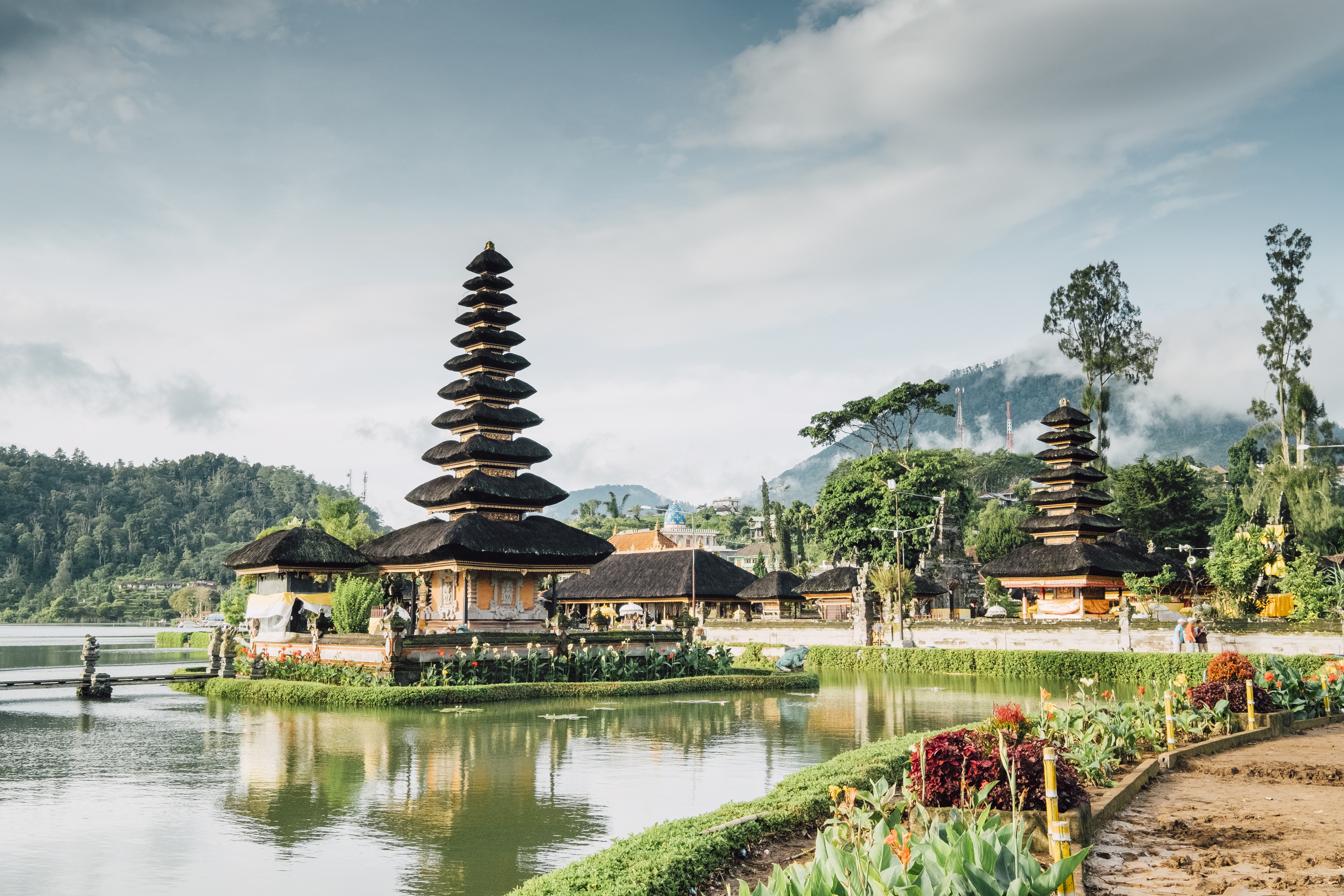
Source: Freepik
- Indonesia vs Thailand: Quick Comparison Overview
- Best Time to Visit Indonesia vs Thailand
- Top Places to Visit in Indonesia vs Thailand
- Indonesia vs Thailand: Activities and Experiences Compared
- Indonesia vs Thailand: Food and Cuisine Differences
- Indonesia vs Thailand: Transportation and Getting Around
- Budget Comparison: Indonesia vs Thailand Costs in 2026
- Indonesia vs Thailand: Visa Requirements for Indian Travellers
- Indonesia vs Thailand: Which Destination Should You Choose?
- FAQs
Indonesia vs Thailand: Quick Comparison Overview

Before getting into the details, this comparison shows how the two destinations differ at a glance, making it easier to see which one aligns with your travel plans.
| Category | Indonesia | Thailand |
| Budget (5 days) | ₹35,000–₹80,000+ per person | ₹30,000–₹60,000+ per person |
| Best For | Spiritual retreats, nature, and island hopping | Urban exploration, nightlife, and beaches |
| Visa | Visa on Arrival (30 days), IDR 500,000 (~₹2,700) | 60-day visa-free with TDAC registration |
| Currency | Indonesian Rupiah (IDR); INR 1 = ~185 IDR | Thai Baht (THB); THB 1 = INR 2.89 |
| Language | Bahasa Indonesia (English in tourist areas) | Thai (English spoken in major tourist areas) |
| Best Season | April–October | November–February |
| Ideal Duration | 10–14 days | 7–14 days |
Best Time to Visit Indonesia vs Thailand

The timing of your trip can influence the entire experience. The best time to visit Indonesia vs Thailand depends mainly on monsoon patterns and the activities you plan to include.
Indonesia Weather Overview
Indonesia lies along the equator and experiences a tropical climate with two clear seasons. The dry season lasts from April through October, while the wet season runs from November to March.
| Season | Months | Temperature | Climate | Humidity | Highlights |
| Dry (Peak) | Jun – Aug | 26°C – 31°C | Sunny, clear skies | Low | Best weather, peak tourist season, ideal for diving |
| Dry (Shoulder) | Apr – May, Sep – Oct | 27°C – 32°C | Pleasant | Moderate | Fewer crowds, great value, excellent conditions |
| Wet (Transition) | Mar, Nov | 27°C – 31°C | Mixed showers | Moderate | Quieter beaches, lower prices |
| Wet (Peak) | Dec – Feb | 27°C – 30°C | Heavy afternoon rains | High | Lowest prices, lush landscapes, and indoor activities |
May, June, and September work well for Bali trips. The weather stays dry and pleasant, and crowds remain lighter than during the busy July and August period.
Thailand Weather Overview
Thailand follows three seasons: cool and dry from November to February, hot from March to May, and rainy from June to October. The weather patterns differ between the Gulf coast and the Andaman coast, so conditions can vary by region.
| Season | Months | Temperature | Climate | Humidity | Highlights |
| Cool & Dry | Nov – Feb | 25°C – 32°C | Pleasant | Low | Best weather, peak tourist season, festivals |
| Hot | Mar – May | 28°C – 36°C | Scorching | Moderate | Songkran festival, extreme heat, beach trips |
| Wet | Jun – Oct | 27°C – 33°C | Rainy | High | Fewer tourists, afternoon showers, lower prices |
November to February is widely considered the most comfortable period to travel across Thailand. January is often the sweet spot, offering cooler temperatures, low humidity, and very little rainfall.
Top Places to Visit in Indonesia vs Thailand

Both destinations offer a wide range of sights, though the experiences feel very different on the ground. The top places to visit in Indonesia vs Thailand highlight what sets each destination apart, from natural landmarks to cultural icons that shape the journey.
Must-Visit Places in Indonesia
- Bali: Culture, nature, and beach life come together within a small area. Ubud focuses on temples, yoga spaces, and rice terraces. Seminyak leans toward dining and beach clubs. Uluwatu pairs cliffside temples with surf breaks, while Nusa Penida adds raw scenery just offshore.
- Jakarta: Museums and nearby islands reward travellers who give the capital time. The National Museum covers Indonesia’s long history, and the Thousand Islands provide quick island escapes without resort pricing.
- Yogyakarta: Indonesia’s cultural heartland centres around Borobudur and Prambanan, two of Southeast Asia’s most important temple complexes. Batik workshops, traditional dance, and royal customs influence daily life.
- Komodo National Park: Home to the famous Komodo dragons, this park also boasts some of Indonesia’s finest diving spots. Pink Beach gets its unique colour from microscopic organisms, creating one of the most photographed shorelines in the country.
Must-Visit Places in Thailand
- Bangkok: The capital stays active day and night. The Grand Palace complex takes several hours to cover. Wat Pho features a 46-meter reclining Buddha and holds historic importance as Thailand’s first public learning centre. Chatuchak Weekend Market spans 35 acres with more than 15,000 stalls. Rooftop bars along the Chao Phraya River offer sweeping city views after sunset.
- Chiang Mai: This northern hub moves at a slower pace. More than 300 temples sit within and around the old city, including Wat Phra Singh and Wat Chedi Luang. Doi Suthep rests on a mountain overlooking the valley. The Sunday Walking Street market fills the old town with crafts, food, and live music.
- Phuket: Thailand’s largest island balances beaches and nightlife. Patong Beach attracts party crowds, while Kata and Karon suit families looking for calmer water. Old Phuket Town highlights Sino-Portuguese buildings and local restaurants away from busy resort areas.
- Krabi and Phi Phi Islands: Sheer limestone cliffs rise from clear water across this coastline. Railay Beach remains reachable only by boat and ranks high for rock climbing. The Phi Phi islands gained global attention through films, yet continue to deliver striking coastal scenery.
Indonesia vs Thailand: Activities and Experiences Compared

A destination only comes alive through what fills your days. Your interests should guide which country suits you better when comparing Indonesia vs Thailand for tourism.
Indonesia Adventure Activities
Indonesia offers land-based adventures that feel raw and immersive. Mount Batur draws pre-dawn starts, with sunrise views spreading across volcanic terrain. White-water rafting on the Ayung River cuts through narrow jungle gorges lined with steep rock walls.
Canyoning adds another layer, mixing rappelling, controlled jumps, and natural water slides carved into the landscape. These activities suit travellers who enjoy physical challenges in natural settings.
Thailand Adventure Activities
Thailand balances adventure with easy access. Zip-line parks near Chiang Mai stretch across long forest canopies high above the ground. Rock climbing at Railay Beach attracts beginners and experienced climbers to its limestone cliffs.
Northern regions also offer cave systems with underground streams and rock formations. Muay Thai gyms across the country welcome visitors for short sessions or extended training camps.
Indonesia Water Activities
Indonesia ranks among the world’s top diving regions. Raja Ampat holds unmatched marine biodiversity. Waters around Komodo National Park attract manta rays, especially near Manta Point. The Gili Islands suit accessible diving, where sea turtle sightings remain common.
Surf culture thrives along Bali’s coast. Uluwatu and Padang Padang deliver consistent waves that draw skilled surfers from around the world.
Thailand Water Activities
Thailand’s marine life centres on the Andaman coast. The Similan Islands offer clear water with visibility often exceeding 30 meters during the dry season. Koh Tao remains one of Asia’s most affordable locations for diving certification.
Kayak routes through Phang Nga Bay pass sea caves and towering limestone formations. Long-tail boats continue to serve as the traditional way to move between beaches and nearby islands.
Indonesia vs Thailand: Food and Cuisine Differences

The street food plays a central role in daily eating across both countries, though flavours and ingredients clearly differ. Thailand feels more approachable for many Indian travellers, especially vegetarians, while Indonesia rewards those willing to try richer spice blends and regional dishes.
Indonesia Culinary and Dining Experience
Indonesian food builds depth through layered spices and slow cooking. Coconut milk, turmeric, galangal, and sweet soy sauce appear often, creating dishes that feel rich and filling.
- Nasi Goreng features fried rice cooked with sweet soy sauce, garlic, shallots, and a fried egg, with each warung serving its own version
- Satay includes skewered meats grilled over charcoal and served with thick peanut sauce
- Rendang uses slow-cooked beef simmered in coconut milk and spices, usually prepared for special occasions
- Gado-Gado offers a vegetarian option made with steamed vegetables, tofu, egg, and peanut dressing
- Street food meals usually cost ₹100–300
- Mid-range restaurants charge around ₹800–2,000, with higher prices in tourist hubs like Seminyak
Thai Culinary and Dining Experience
Thai food relies on balance, mixing sweet, sour, salty, and spicy elements in a single dish. Fish sauce, lime, palm sugar, and chilies form the base of most recipes.
- Pad Thai combines rice noodles with tamarind, egg, bean sprouts, and crushed peanuts
- Tom Yum Goong delivers a hot and sour soup flavored with lemongrass, galangal, and roasted chili paste
- Green Curry uses coconut milk, Thai basil, and green chilies, often spicier than it appear
- Mango Sticky Rice pairs glutinous rice with ripe mango and coconut cream
- Street food dishes generally cost ₹100–300
- Sit-down restaurants range from ₹400–1,200 depending on location and setting
Indonesia vs Thailand: Transportation and Getting Around

Indonesia and Thailand handle transport very differently, due to geography. Indonesia’s spread across thousands of islands pushes travel toward flights and boats, while Thailand’s mainland layout supports easy rail and road connections.
Indonesia Transportation
Indonesia’s island layout limits long overland routes. Most trips combine short flights, ferries, and local drivers, with apps filling gaps in cities.
- Domestic flights connect major islands at reasonable prices; Jakarta to Bali usually costs ₹3,000–6,000 one way
- Ferries and fast boats link nearby islands; Bali to the Gili Islands takes about two hours and costs ₹2,500–4,000
- Private drivers cost around ₹3,000–5,000 per day in Bali and suit temple visits or remote areas
- Scooter rentals remain common at ₹300–500 per day; an International Driving Permit is technically required
- Ride-hailing apps like Grab operate widely, offering affordable rides and food delivery
Thailand Transportation
Thailand’s transport network stays flexible and easy to use. Trains, buses, and budget flights connect cities and beach regions with minimal planning.
- BTS Skytrain and MRT cover central Bangkok, with fares around ₹40–100 per ride
- Domestic flights on low-cost carriers link major cities; Bangkok to Chiang Mai usually costs ₹2,500–5,000
- Overnight sleeper trains run to Chiang Mai and southern beaches, with first-class berths priced around ₹2,000–3,500
- Songthaews serve as shared taxis in Chiang Mai and smaller towns, with typical fares of ₹40–100
- Tuk-tuks handle short trips, with prices agreed before boarding
- Ride-hailing apps like Grab and Bolt cover most taxi needs in major cities
Budget Comparison: Indonesia vs Thailand Costs in 2026

Money plays a big role when choosing between these destinations. The section below breaks down typical Indonesia vs Thailand travel costs using current pricing, helping you plan your budget with more clarity and confidence.
| Category | Indonesia (per day) | Thailand (per day) |
| Budget Travel | ₹3,500 – ₹5,500+ | ₹2,800 – ₹4,500+ |
| Accommodation (Budget) | ₹800 – ₹2,000+ | ₹600 – ₹1,500+ |
| Food | ₹500 – ₹900+ | ₹400 – ₹800+ |
| Transportation (Local) | ₹500 – ₹1,000+ | ₹400 – ₹800+ |
| Activities | ₹1,000 – ₹3,000+ | ₹800 – ₹2,000+ |
| Total | ₹2,800 – ₹6,900+ | ₹2,200 – ₹5,100+ |
Thailand usually costs about 15–25% less than Indonesia for similar stays, meals, and transport. This makes the Indonesia vs Thailand expensive or cheap comparison fairly clear, with Thailand offering better value for most budgets. Indonesia, however, attracts travelers with experiences that feel distinct enough for many to accept the higher daily spend.
Indonesia vs Thailand: Visa Requirements for Indian Travellers

Entry rules remain simple for Indian passport holders in both countries, with only a few steps to remember. Thailand offers easier access, while Indonesia adds a short paid process.
Indonesia Visa Process: Visa on Arrival (30 days)
Indonesia grants a Visa on Arrival (VoA) to passport holders from more than 97 countries. This visa permits a stay of up to 30 days and can be extended once for an additional 30 days at an immigration office within Indonesia.
Nationals of 16 countries, mainly ASEAN members along with newer additions such as Brazil and Peru, enjoy visa-free entry for up to 30 days. This visa-free stay cannot be extended under any circumstances. Every traveler must carry a passport valid for at least six months beyond the arrival date.
All incoming passengers must complete formalities through the unified “All Indonesia” digital portal. This includes the immigration declaration, health pass (which replaced Satusehat), and the Electronic Customs Declaration (e-CD). Submission is required within 72 hours before arrival.
Thailand Visa Process: Visa Exemption (60 days)
Indian travelers can enter Thailand without a visa for stays of up to 60 days. No fee or embassy visit is required. Travelers must submit the Thailand Digital Arrival Card (TDAC) online within 72 hours before arrival, which replaces the old paper form at immigration.
A passport with at least six months’ validity, proof of accommodation, and a return or onward ticket are required. Local immigration offices allow extensions of up to 30 additional days.
Indonesia vs Thailand: Which Destination Should You Choose?

The choice between Indonesia and Thailand comes down to the kind of experience you value most. Thailand keeps travel simple with visa-free entry and well-developed tourist systems. Indonesia requires a little more planning but offers deeper cultural experiences, strong spiritual traditions, and volcanic landscapes.
Thailand works especially well for first-time visitors to Southeast Asia. Transport feels smooth, English is widely understood, and daily logistics rarely cause stress. Indonesia suits travelers ready for a slower pace, fewer crowds, and a stronger sense of local culture, with scenery that leaves a lasting impression.
A single choice is not mandatory. Many travelers begin in Thailand to ease into the region, then continue to Indonesia for a more immersive experience.


FAQs
How many days are enough for Indonesia and Thailand?
For Thailand, a 5-7 day trip covers Bangkok plus one beach area and street food before moving to Phuket or Krabi. Indonesia benefits from a longer stay because of the island distances. Seven days in Bali covers Ubud and the coast, while trips to Yogyakarta or Komodo push the ideal window to 10-12 days.
Is Indonesia safer than Thailand for solo travellers?
Both countries maintain solid safety records for visitors. Thailand feels easier for first-time solo travelers due to English signage, tourist police, and clearly marked routes. Indonesia asks for more independence outside Bali. Petty theft exists in both places, so basic precautions remain important.
Which destination offers better value for money?
Thailand often works out cheaper overall. The visa-free entry cuts initial costs, flights from India are shorter, and food and transport typically cost less. Indonesia sits slightly higher on the budget scale but delivers experiences many travelers see as worth the extra spend, from Komodo encounters to sunrise at Borobudur and distinct island cultures.
Can vegetarians eat well in Indonesia and Thailand?
Yes, vegetarian travelers eat comfortably in both destinations. Thailand makes vegetarian meals easier to order, with restaurants familiar with vegan and vegetarian requests. Indonesia uses more meat-based stocks and fish paste, which can complicate strict vegetarian meals outside tourist areas.
Should I book Indonesia or Thailand for my first international trip?
For many first-time travelers, Thailand feels easier to manage. The visa-free entry reduces paperwork, and English communication remains simple in tourist areas. Indonesia vs Thailand becomes a closer choice when your interests shift toward Bali’s cultural life or volcanic landscapes. Both destinations offer a smooth, well-supported travel experience.