Bulgaria is a country where ancient Thracian rituals, Orthodox Christianity, and vibrant folklore traditions shape national identity. With a history spanning over 1,300 years and deep-rooted seasonal customs, Bulgarian festivals reflect agricultural heritage, religious devotion, music, dance, and community life.
This guide covers the 10 famous celebrations and festivals in Bulgaria, explaining when they are celebrated, why they matter, and what makes each one culturally significant for locals and visitors alike.
- 1. Kukeri Festival
- 2. Rose Festival (Kazanlak)
- 3. Baba Marta (Martenitsa Day)
- 4. Orthodox Easter
- 5. Nestinarstvo (Fire-Dancing Festival)
- 6. Surva International Festival of Masquerade Games
- 7. Saint George’s Day (Gergyovden)
- 8. Unification Day
- 9. Varna Summer International Music Festival
- 10. Plovdiv Fair & City Celebrations
- FAQs
1. Kukeri Festival

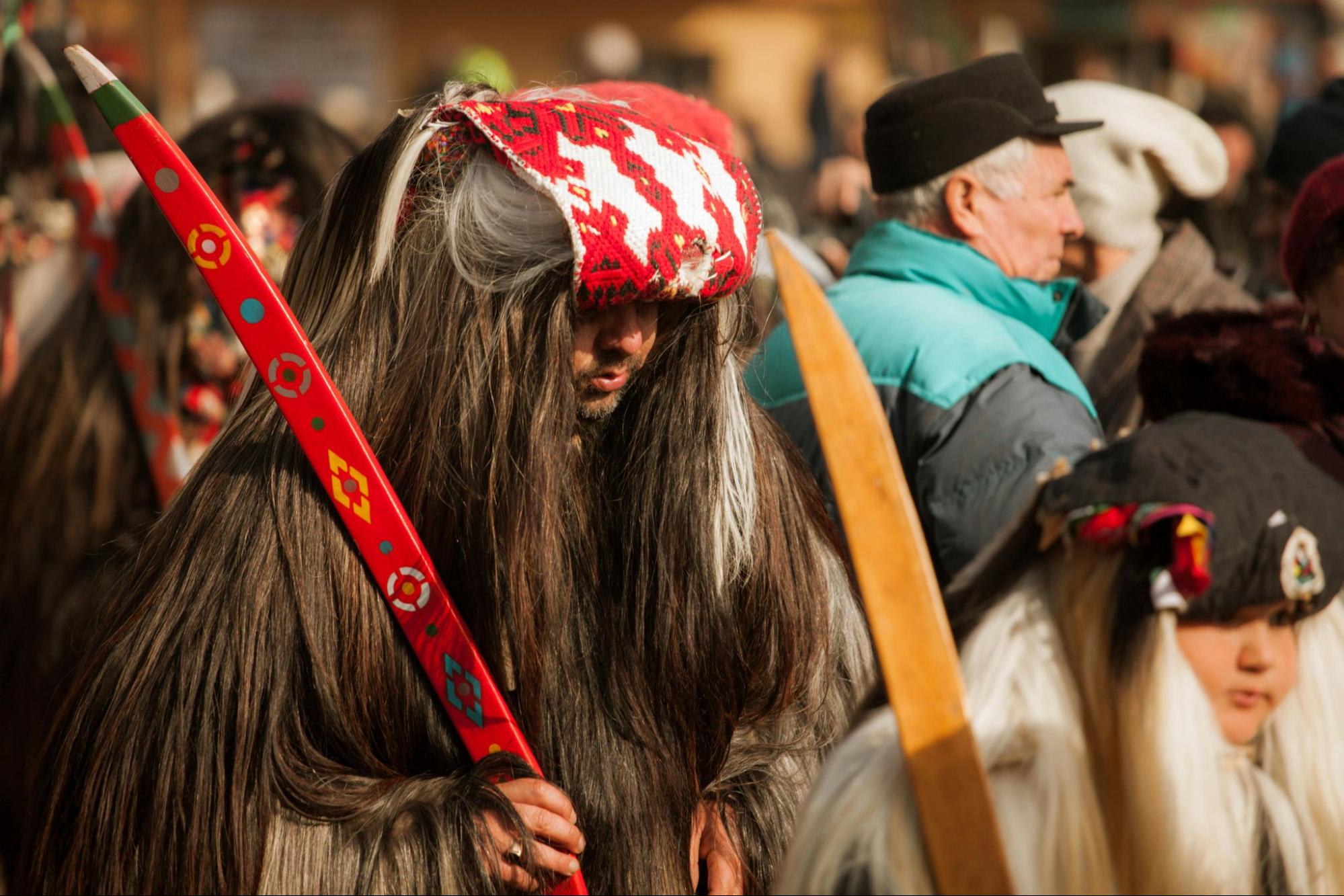
The Kukeri Festival is one of Bulgaria’s most ancient folk traditions, rooted in Thracian pagan rituals. Men dressed in elaborate animal-skin costumes and large bells perform ritual dances to scare away evil spirits and welcome prosperity for the coming year. The tradition dates back centuries and remains especially strong in rural regions.
When It’s Celebrated: Between January and March, depending on the region.
Why It’s Celebrated: To drive away evil spirits and ensure health, fertility, and agricultural abundance.
Highlights of the Festival:
- Masked dancers wear heavy bell costumes.
- Ritual dances are performed in village streets.
- Large community gatherings in Pernik and Yambol.
- Traditional music and folk costumes dominate events.
- International groups participate in major parades.
Must Read: Bulgaria Visa Appeal for Indians
2. Rose Festival (Kazanlak)

The Rose Festival in Kazanlak celebrates Bulgaria’s world-famous rose oil production. Bulgaria produces around 70% of the world’s rose oil used in perfumes. The festival honors the Damask rose harvest in the Rose Valley and has been celebrated since 1903.
When It’s Celebrated: Late May to early June each year.
Why It’s Celebrated: To celebrate the rose harvest and Bulgaria’s leading role in global rose oil production.
Highlights of the Festival:
- Traditional rose-picking ceremonies at sunrise.
- Crowning of the Rose Queen.
- Folk parades and costume performances.
- Rose oil distillation demonstrations.
- Events held in Kazanlak and the nearby Rose Valley towns.
3. Baba Marta (Martenitsa Day)
Baba Marta, celebrated on 1 March, marks the symbolic arrival of spring in Bulgaria. People exchange red-and-white woven bracelets called Martenitsa as symbols of health and renewal. The tradition dates back centuries and is widely practiced nationwide.
When It’s Celebrated: 1 March every year.
Why It’s Celebrated: To welcome spring and wish good health and prosperity.
Highlights of the Festival:
- Red and white Martenitsa bracelets are exchanged.
- Children and adults wear Martenitsa until the first stork sighting.
- Street markets sell handmade ornaments.
- Schools organize cultural programs.
- Nationwide participation across cities and villages.
Must Read: Bulgaria Visa Rejection For Indians
4. Orthodox Easter

Orthodox Easter is the most significant Christian celebration in Bulgaria. Observed by the majority Eastern Orthodox population, it includes church services, symbolic foods, and family gatherings.
When It’s Celebrated: Between April and May, based on the Orthodox calendar.
Why It’s Celebrated: To commemorate the resurrection of Jesus Christ.
Highlights of the Festival:
- Midnight church services nationwide.
- Red-dyed eggs symbolize Christ’s blood.
- Traditional Easter bread (Kozunak).
- Family feasts and gatherings.
- Church bells ring across major cities.
Must Read: Bulgaria Visa Photo Requirements for Indian Citizens
5. Nestinarstvo (Fire-Dancing Festival)

Nestinarstvo is a unique Bulgarian ritual where barefoot dancers perform on burning embers while holding religious icons. Recognized by UNESCO as intangible cultural heritage, the tradition is practiced mainly in Strandzha region villages.
When It’s Celebrated: 3–4 June (Saint Constantine and Helena Day).
Why It’s Celebrated: To honor saints and preserve ancient fire-walking traditions.
Highlights of the Festival:
- Barefoot dancing on glowing embers.
- Religious icon processions.
- Traditional bagpipe music.
- Ritual prayers before the dance.
- Major celebrations in Bulgari village.
6. Surva International Festival of Masquerade Games

The Surva International Festival of Masquerade Games is the largest masked folklore festival in Bulgaria and one of the biggest masquerade events in Europe. Held in the city of Pernik since 1966, it gathers thousands of performers from Bulgaria and over 80 countries, showcasing traditional Kukeri-style costumes and ritual dances.
When It’s Celebrated: Late January each year.
Why It’s Celebrated: To preserve ancient masquerade traditions and promote international folklore exchange.
Highlights of the Festival:
- Large-scale masked parades in Pernik.
- Participation of thousands of performers annually.
- Traditional bell costumes and elaborate masks.
- International folklore groups are competing.
- Recognized as a major cultural event in Southeast Europe.
Must Read: Complete Guide on Bulgaria Visa for Indians
7. Saint George’s Day (Gergyovden)

Saint George’s Day, known locally as Gergyovden, is both a religious and national celebration in Bulgaria. It honors Saint George and also serves as Bulgarian Armed Forces Day. The festival reflects Christian faith, rural traditions, and military pride.
When It’s Celebrated: 6 May every year.
Why It’s Celebrated: To honor Saint George, the patron saint of shepherds and soldiers.
Highlights of the Festival:
- Special church liturgies across the country.
- A traditional lamb feast is prepared in homes.
- Military parade held in Sofia.
- Folk music and community gatherings.
- Celebrated nationwide in both rural and urban areas.
Must Read: Book Bulgaria Visa Appointment Online – Easy Booking Guide
8. Unification Day

Unification Day commemorates the unification of the Principality of Bulgaria and Eastern Rumelia in 1885. It is one of the key historical national holidays, symbolizing political unity and independence.
When It’s Celebrated: 6 September every year.
Why It’s Celebrated: To mark the peaceful unification of Bulgarian territories in 1885.
Highlights of the Festival:
- Official ceremonies and speeches in Plovdiv.
- Wreath-laying at historical monuments.
- Patriotic concerts and cultural programs.
- Military honors and public gatherings.
- Flag displays across major cities.
Must Read: Check Bulgaria Visa Status Online With Passport Number
9. Varna Summer International Music Festival

Varna Summer International Music Festival is the oldest music festival in Bulgaria, founded in 1926. It is one of Eastern Europe’s most prestigious classical music events, attracting international orchestras, soloists, and conductors every year.
When It’s Celebrated: June to September annually.
Why It’s Celebrated: To promote classical music, opera, ballet, and contemporary compositions.
Highlights of the Festival:
- Symphony orchestra performances.
- Opera and ballet productions.
- International guest musicians.
- Open-air concerts in Varna.
- Recognized as a leading European cultural event.
10. Plovdiv Fair & City Celebrations
Plovdiv Fair and City Celebrations mark the cultural and commercial importance of Plovdiv, one of Europe’s oldest continuously inhabited cities. Plovdiv, founded over 6,000 years ago, hosts major trade fairs and cultural events throughout the year.
When It’s Celebrated: September each year (main city celebrations).
Why It’s Celebrated: To honor Plovdiv’s historical heritage and economic development.
Highlights of the Festival:
- International trade exhibitions.
- Open-air concerts in the Old Town.
- Cultural shows and art fairs.
- Food and wine events.
- Large public gatherings across central Plovdiv.
Must Read: Discover the Best Markets in Bulgaria: Shop Like a Local Across the Country


FAQs
What festivals are popular in Bulgaria?
Some of the unique festivals celebrated in Bulgaria include the Kukeri Festival, the Rose Festival in Kazanlak, Baba Marta (Martenitsa Day), Orthodox Easter, Saint George’s Day, and the Surva International Festival in Pernik.
Which are the best festivals & events celebrated in Bulgaria?
For traditional folklore, the Kukeri and Surva Festivals are the most visually striking. The Rose Festival is globally recognized due to Bulgaria producing around 70% of the world’s rose oil.
What is the best time to visit Bulgaria for festivals?
The best time to attend festivals in Bulgaria is between May and September. This period includes Saint George’s Day (May), the Rose Festival (late May–June), Nestinarstvo fire-dancing (June), the Varna Summer Festival (June–September), and Unification Day (September). The weather is mild to warm, making outdoor celebrations more accessible.
What is the traditional dance of Bulgaria called?
The traditional Bulgarian folk dance is called Horo. It is performed in a circle formation and is commonly seen during festivals such as Kukeri, Saint George’s Day, and national celebrations. The dance varies by region and is accompanied by traditional instruments like the gaida (bagpipe) and tambura.
What is the main national festival celebrated in Bulgaria?
Unification Day on 6 September and Liberation Day on 3 March are among the most important national holidays. Unification Day commemorates the 1885 unification of Bulgarian territories, while Liberation Day marks Bulgaria’s liberation from Ottoman rule in 1878.
When is the Rose Festival held in Bulgaria?
The Rose Festival takes place annually from late May to early June in Kazanlak, located in the Rose Valley. It celebrates the Damask rose harvest and Bulgaria’s leading role in global rose oil production.
How can I find out about upcoming festivals in Bulgaria before booking my trip?
You can check Bulgaria’s official tourism website, municipal websites for Sofia, Plovdiv, Varna, and Kazanlak, and cultural event calendars. Embassy travel pages and international festival listings also provide updated event schedules, especially for major festivals like the Rose Festival and Surva.