Hungary is a land where centuries-old traditions meet modern cultural dynamism. With a population of nearly 10 million and a history spanning over 1,000 years, this Central European country celebrates a rich tapestry of festivals rooted in folk heritage, music, food, wine, and religion.
This guide highlights the 10 famous celebrations in Hungary, explaining what they are, why they matter, and when they’re celebrated, helping you plan your trip or deepen your cultural understanding.
- 1. Busójárás (Mohács Carnival)
- 2. Budapest Spring Festival
- 3. Hungarian National Day (St. Stephen’s Day)
- 4. Sziget Festival
- 5. Budapest Wine Festival
- 6. Easter (Hungarian Easter Traditions)
- 7. Debrecen Flower Carnival
- 8. Tatai Patara Folk Festival
- 9. Miskolc Tapsoba Folk Festival
- 10. Budapest Christmas Markets
- FAQs
1. Busójárás (Mohács Carnival)
Busójárás is one of Hungary’s oldest and most striking folk traditions, held in Mohács in southern Hungary. Dating back to the 16th century, the festival marks the end of winter and the start of spring with masked parades, traditional music, and ancient rituals. In 2009, UNESCO inscribed Busójárás on the Representative List of the Intangible Cultural Heritage of Humanity.
When It’s Celebrated: Six days leading up to Ash Wednesday (usually February).
Why It’s Celebrated: To scare away winter spirits and welcome spring using elaborate masks and noisy processions.
Highlights of the Festival:
- Participants wear handcrafted wooden masks and sheepskin costumes.
- Masked parades through Mohács streets with lively drumming.
- Folk music, dancing, and local craft markets.
- Bonfire lighting ceremonies at night.
- Cultural exhibitions and traditional Hungarian foods.
Must Read: Hungary Visa Rejection for Indians
2. Budapest Spring Festival

The Budapest Spring Festival is Hungary’s premier cultural event celebrating performing arts, visual arts, jazz, and opera. Launched in 1983, it attracts world-class musicians, orchestras, dance troupes, and theatre companies from around the globe, establishing Budapest as a key European cultural capital in spring.
When It’s Celebrated: Late March to April every year.
Why It’s Celebrated: To showcase international and Hungarian culture through music, dance, art installations and theatre.
Highlights of the Festival:
- Classical music concerts and opera performances.
- Contemporary dance, theatre productions, and art exhibitions.
- Jazz evenings and film screenings.
- Events in historic venues like the Hungarian State Opera House.
- Attracts local and international audiences alike.
Must Read: Hungary Visa For Indians – Fees, Requirements, Process
3. Hungarian National Day (St. Stephen’s Day)

St. Stephen’s Day, observed on 20 August, is Hungary’s most important national holiday. It honors the foundation of the Hungarian state and the country’s first king, Saint Stephen (975–1038 AD). The day blends historical commemoration with vibrant celebrations across the nation, especially in Budapest.
When It’s Celebrated: 20 August every year.
Why It’s Celebrated: To honor Hungary’s foundation and Saint Stephen’s contributions to national identity and Christianity.
Highlights of the Festival:
- Grand fireworks display over the Danube in Budapest.
- Traditional folk music, dance and national costume parades.
- Historical reenactments and street festivals.
- Food and wine events featuring Hungarian specialties.
- State ceremonies at Heroes’ Square and Parliament.
4. Sziget Festival

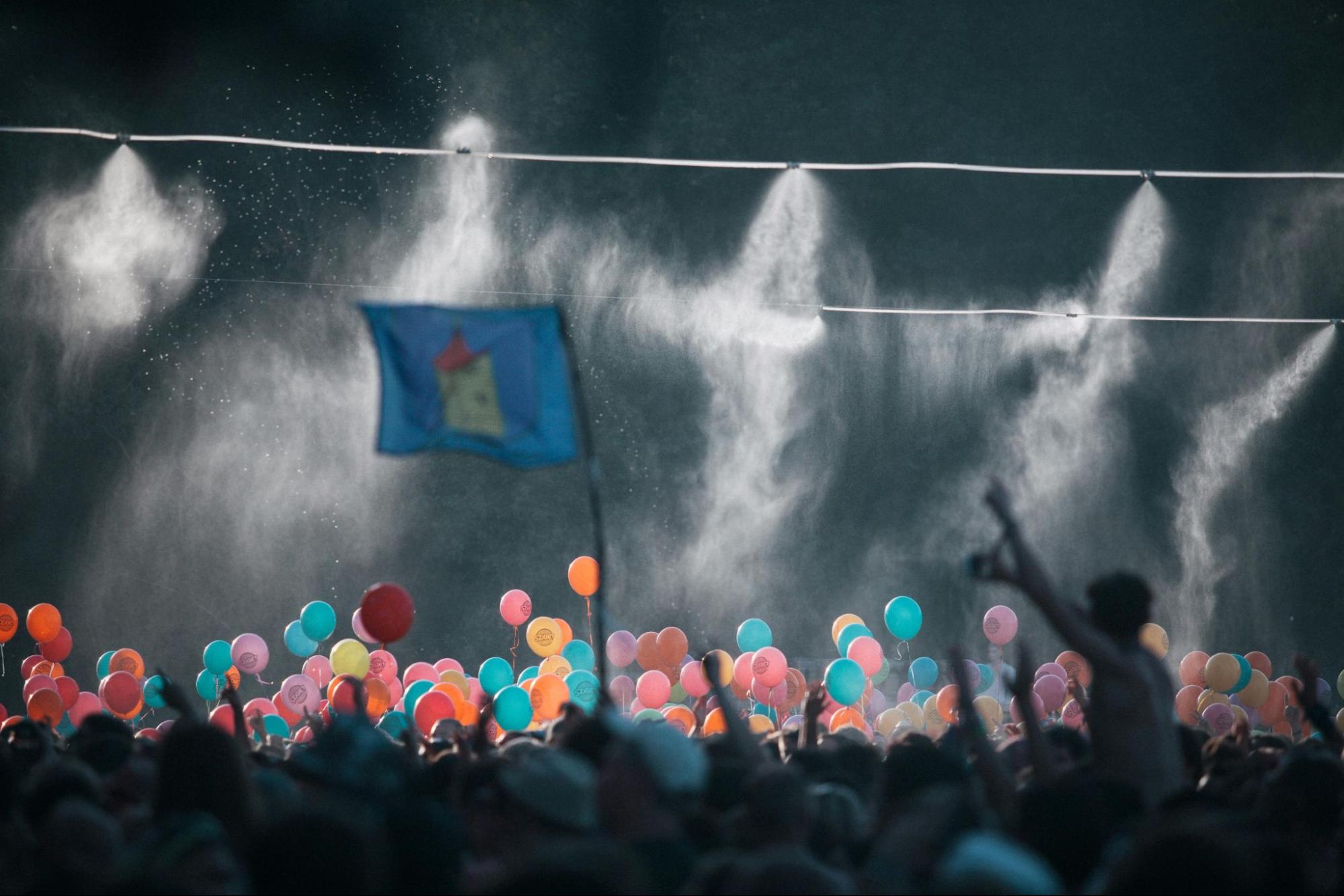
Sziget Festival is one of Europe’s largest music and cultural festivals. Held on Óbuda Island in Budapest, it attracts top international artists and hundreds of thousands of attendees each August. Often referred to as the “Island of Freedom,” Sziget is known for its diverse genre lineup, artistic installations, and inclusive atmosphere.
When It’s Celebrated: Early to mid-August every year.
Why It’s Celebrated: To bring together global music acts and creative experiences for diverse audiences.
Highlights of the Festival:
- International rock, pop, electronic and world music acts.
- Art installations, theatre, and performance art.
- Camping village with global cuisine and workshops.
- Large stages including Main Stage and A38 Stage.
- Massive crowd energy with multicultural visitors.
Must Read: Hungary Visa Appointment Booking – Complete Guide
5. Budapest Wine Festival

The Budapest Wine Festival, held in the historic Buda Castle, celebrates Hungary’s long wine heritage, which includes renowned regions like Tokaj, Eger, and Villány. Wine culture in Hungary stretches back to Roman times, and this festival highlights local varieties, wine tasting, gourmet pairing, and folk entertainment.
When It’s Celebrated: Early October every year.
Why It’s Celebrated: To showcase Hungary’s finest wines and promote viticulture and gastronomy.
Highlights of the Festival:
- Wine tasting from over 200 Hungarian wineries.
- Traditional Hungarian food pairing stations.
- Live music and cultural shows.
- Workshops on wine production and history.
- Scenic views over Budapest from the castle terraces.
6. Easter (Hungarian Easter Traditions)

Hungarian Easter is rooted in Christian belief and vibrant folk traditions. Observances combine church services with age-old customs like water sprinkling (locally called locsolkodás), where boys sprinkle scented water or perfume on girls for health and beauty. The festival also features traditional foods and painted eggs (hímestojás).
When It’s Celebrated: Between March and April, based on the Christian calendar.
Why It’s Celebrated: To commemorate the resurrection of Jesus Christ and celebrate renewal and spring.
Highlights of the Festival:
- Water sprinkling and perfume traditions.
- Church services, prayers and processions.
- Hand-painted Easter eggs (hímestojás).
- Special dishes like kalács (sweet bread) and lamb.
- Family gatherings and community feasts.
Must Read: Hungary Visa Extension For Indian
7. Debrecen Flower Carnival
The Debrecen Flower Carnival is Hungary’s grandest autumn event, held in the city of Debrecen, the country’s second-largest city. The tradition began in 1966 and features spectacular floats adorned with flowers, folk dancers, music, and nighttime fireworks.
When It’s Celebrated: Second weekend of August every year.
Why It’s Celebrated: To celebrate harvest time, local culture, and community pride.
Highlights of the Festival:
- Daytime floral float parades.
- Folk performances and dance groups.
- Horse shows and equestrian displays.
- Late-night fireworks and light shows.
- Regional food markets and stalls.
Must Read: Hungary Visa Photo Requirements for Indians 2026
8. Tatai Patara Folk Festival

Tatai Patara Folk Festival is Hungary’s leading folk and traditional arts event. Held in the historic town of Tata, the festival showcases native and international folk groups, traditional crafts, gastronomy, and community workshops.
When It’s Celebrated: Late May to early June annually.
Why It’s Celebrated: To preserve and promote folk traditions, music and cultural exchange.
Highlights of the Festival:
- Folk music and dance performances.
- Artisan craft demonstrations.
- Traditional local food and drinks.
- Children’s workshops and storytelling.
- Cultural exchange between international participants.
9. Miskolc Tapsoba Folk Festival
Miskolc Tapsoba is one of Hungary’s largest folk festivals, taking place in the city of Miskolc. The event focuses on traditional Hungarian music, dancing, and costumes and has been attracting performers and visitors from all over Europe for decades.
When It’s Celebrated: July every year.
Why It’s Celebrated: To celebrate Hungarian folk heritage and support cultural preservation.
Highlights of the Festival:
- Folk dance and music competitions.
- Colorful traditional costumes.
- Workshops on Hungarian folklore.
- Open-air performances and fairs.
- Regional food and crafts exhibitions.
Must Read: How To Check Hungary Visa Status Using Passport Number?
10. Budapest Christmas Markets

Budapest Christmas Markets are among Europe’s most magical holiday festivals. With roots in medieval tradition, Christmas markets offer handcrafted gifts, festive food, mulled wine (forralt bor), and seasonal concerts, drawing visitors from across the continent.
When It’s Celebrated: Late November to late December every year.
Why It’s Celebrated: To celebrate the Advent and Christmas season with community festivities.
Highlights of the Festival:
- Artisan stalls with traditional gifts and crafts.
- Forralt bor, chimney cake (kürtőskalács), and local treats.
- Live music and seasonal performances.
- Illuminated streets and festive décor.
- Major markets at Vörösmarty Square and Basilica Square.
Must Read: 15 Compelling Reasons to Visit Hungary: A Journey Through Culture, Nature, and Adventure


FAQs
What festivals are popular in Hungary?
Busójárás, Sziget Festival, Budapest Spring Festival, Debrecen Flower Carnival, and Hungarian National Day celebrations are among the most unique festivals celebrated in Hungary.
Which are the best festivals & events celebrated in Hungary?
For music lovers, Sziget Festival is a must. Cultural enthusiasts enjoy Budapest Spring Festival and Debrecen Flower Carnival. Busójárás offers an ancient folk experience, while Budapest Christmas Markets capture the holiday spirit.
What is the best time to visit Hungary for festivals?
May through August is the peak season for festivals in Hungary for tourists, offering warm weather and major events like Sziget Festival, Debrecen Flower Carnival, and summer folk festivals. Christmas markets are best experienced in December.
What is the traditional dance of Hungary called?
The traditional Hungarian folk dance is called Csárdás, known for its energetic pace changes and vibrant music, often performed at folk festivals and cultural celebrations.
What is the main national festival celebrated in Hungary?
St. Stephen’s Day on 20 August is Hungary’s main national festival, celebrating statehood, national heritage, and cultural identity with fireworks, parades, and festivities.
When is the Sziget Festival held in Hungary?
Sziget Festival takes place in early to mid-August every year on Óbuda Island in Budapest, bringing together global music acts and tens of thousands of attendees.
How can I find out about upcoming festivals in Hungary before booking my trip?
Check Hungary’s official tourism website, city event calendars (Budapest, Debrecen, Miskolc), and cultural listings for upcoming festivals in Hungary . Embassy travel pages and international festival guides also provide updated event schedules.