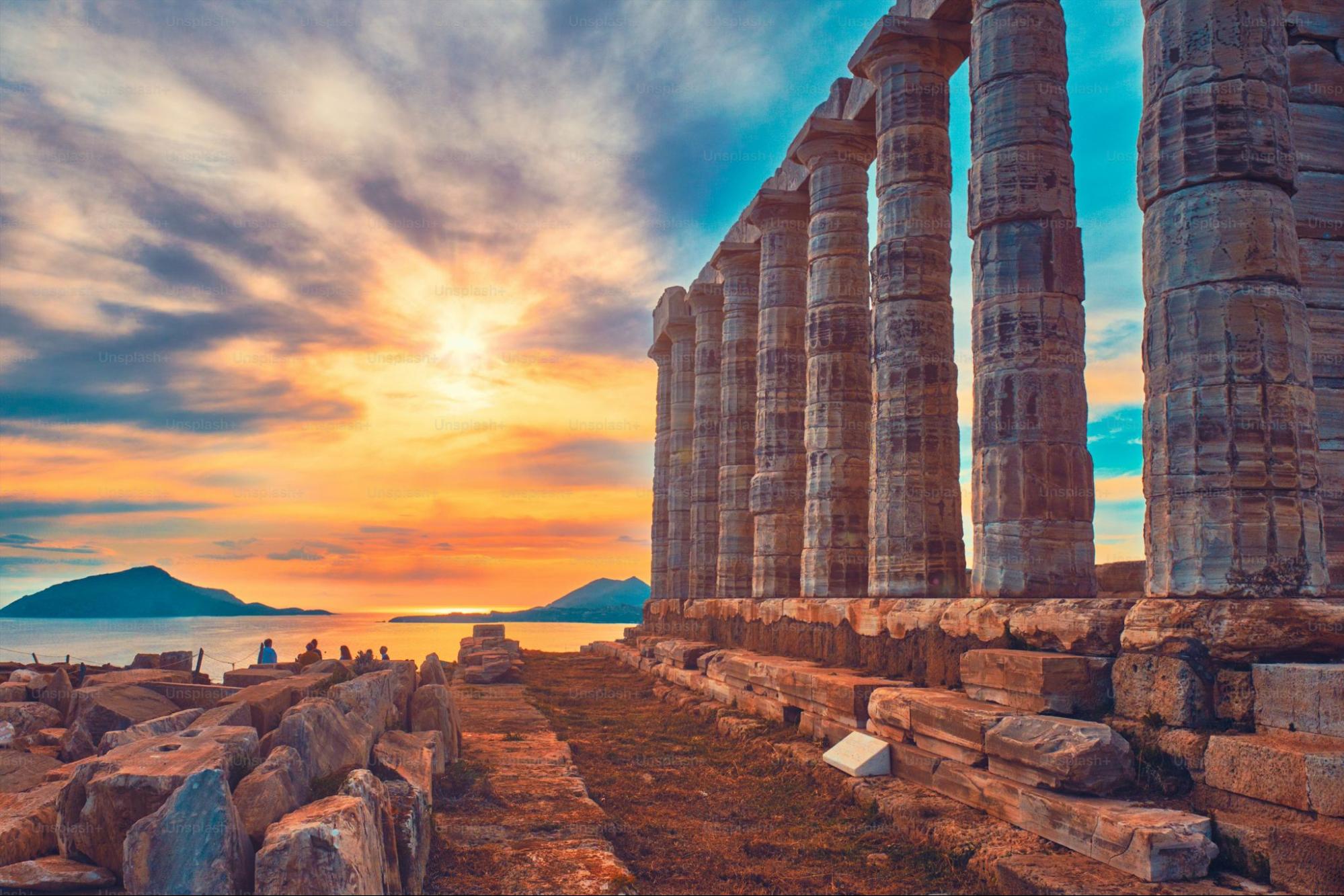
Greece draws you in with ancient temples rising above busy city streets, island villages glowing white under the sun, and calm blue waters that feel made for slow days. It’s no surprise many travellers ask Is Greece Safe to Visit? right from the start, because the question naturally comes up the moment you picture yourself standing on the Acropolis, drifting through Santorini’s cliff paths, or stepping onto a ferry toward a quieter island.
Millions travel here each year, and Greece’s tourism system is built to handle steady crowds across airports, ports, and island towns. When you know how safety works on the ground, in busy squares, beaches, nightlife areas, and transit, you feel more prepared and enjoy the experience with fewer worries.
Source: Unsplash
Greece Safety Update: Current Conditions

Source: Unsplash
The crime rate in Greece remains low for violent crime compared to other European nations. Greece recorded an intentional homicide rate of 0.85 per 100,000 population in 2023, which is well below the global average. This places Greece among the safest countries worldwide for violent crime.
Domestic violence remains a critical issue, and reporting has increased significantly. Between 2020 and 2022, the annual number of women victims of domestic violence recorded by police more than doubled (from 4,310 to 10,356 women victims in 2022).
This increase is widely attributed to improved public awareness and reporting mechanisms, rather than necessarily a sudden higher incident rate. Over ten thousand perpetrators were reported for domestic violence in 2022.
Organized crime is a major focus for Greek law enforcement. Operations continue against groups involved in human trafficking, smuggling, and extortion.
Suggested Read: Greece Visa Photo Requirements for Indians
Notable Petty Crimes and Scams in Greece

Source: Unsplash
In Greece, the main petty crimes affecting tourists include pickpocketing in crowded areas, metro-station theft, and taxi overcharging. Scams such as broken-camera tricks, friendly-local bar traps, and distraction-based thefts also appear in popular spots across Athens and the islands.
Common Scam Types
1. Photography and Broken Camera Schemes
- This scam appears at major tourist sites across Athens, Santorini, Mykonos, Corfu, and Rhodes, where a local asks you to take their photo and later claims you broke their device.
- The camera or phone is usually pre-damaged, and scammers demand 100–500 euros while acting distressed to push you into paying.
- Extra people sometimes step in to support the false claim, creating pressure and making the situation feel urgent.
- Since common scams in Greece rely on quick distraction, avoid holding devices handed to you by strangers.
2. Friendly Local and Bar Overcharge Traps

Source: Unsplash
- A well-dressed person approaches near busy areas like Plaka or Thessaloniki’s waterfront, starting a friendly chat before guiding you to a specific bar or restaurant.
- Menus often lack clear prices, and the final bill includes inflated charges or unexpected fees you were not warned about.
- The person may vanish before the bill arrives or expect you to cover their meal or drinks.
- These setups target solo visitors, making them important to consider when reviewing nightlife safety in Greece and solo travel safety in Greece.
Suggested Read: Greece Visa Rejection for Indians
3. Metro and Public Transport Theft
- Pickpocket groups operate at stations like Omonia, Monastiraki, Syntagma, and Metaxourgio, crowding train doors to distract you while they open bags or pockets.
- The airport line is a common target because new arrivals carry passports, cash, and travel documents.
- Theft also happens on buses and ferries, especially when bags are left open or placed behind you.
- These are opportunistic incidents, and staying alert forms a key part of safety tips for travelers in Greece, given the overall low crime rate in Greece.
4. Taxi Overcharging and Meter Manipulation
- Some Athens taxi drivers claim the meter is broken and quote inflated flat fares, especially near airports and ports.
- Others take longer routes or refuse to provide change after receiving larger bills.
- Some drivers add extra passengers or push restaurants and tours that pay them commission.
- Using licensed taxis, checking the meter, and relying on apps like Freenow strengthen how to stay safe in Greece as a tourist and help you avoid unnecessary charges.
Suggested Read: Greece Visa Extension for Indians
Prevention Tips

Source: Freepik
- Use cross-body bags worn in front and keep valuables in inner pockets. Avoid backpacks on your back in metros, markets, and tourist sites, as these areas attract common scams in Greece.
- Decline photo requests or unsolicited help from strangers. A brief, firm response supports safer interactions and helps with solo travel safety in Greece and women’s safety in Greece.
- Check restaurant prices before ordering and avoid places that refuse to show menus with printed costs. This remains a key part of how to stay safe in Greece as a tourist.
- Stay alert on the Athens metro by keeping distance from doors, holding your bag in sight, and watching for intentional crowding.
- Saving emergency numbers in Greece also strengthens your personal guidelines for safe travel in Greece and helps you assess Is Greece safe to visit with more confidence.
General Safety in Greece

Source: Freepik
Nighttime Safety Considerations
- Plaka, Monastiraki, and Syntagma stay lively at night, offering a more comfortable setting for travelers following safety tips for travelers in Greece.
- Omonia and Exarcheia see higher petty crime and tense gatherings, making them common mentions under areas to avoid in Greece when asking Is Greece safe to visit after dark.
- Mykonos, Santorini, and Rhodes offer structured nightlife, but unlit paths and isolated beaches still require caution for solo travel safety in Greece.
- Women’s safety in Greece improves by staying in busy areas, using reliable transport, and monitoring drinks, key parts of guidelines for safe travel in Greece.
Physical Safety
Emergency Numbers in Greece:
|
Service |
Emergency Number |
Notes (Official Links) |
|
European Emergency Number |
112 |
Single EU emergency number for police, fire, and medical services. Official info:https://www.civilprotection.gov.gr |
|
Police |
100 |
Hellenic Police emergency number for public safety and crime. Official site:https://www.astynomia.gr |
|
Fire Department |
199 |
Fire and rescue services across Greece. Official site:https://www.fireservice.gr |
|
Ambulance (EKAB) |
166 |
National emergency medical and ambulance service. Official site:https://www.ekab.gr |
|
Tourist Police |
171 |
Police assistance line for tourists and visitors. Official police portal:https://www.astynomia.gr |
|
Coast Guard |
108 |
Maritime emergencies and sea rescue operations. Official site:https://www.hcg.gr |
|
Road Assistance |
210 606 8808 |
Nationwide roadside assistance via the Hellenic Automobile Club (ELPA). Official site: https://www.elpa.gr |
Greece’s 112 emergency service operates 24/7 throughout the year. Operators answer in Greek, English, and French within an average of 9 seconds. The service connects callers with appropriate emergency responders, including police, fire brigade, medical services, and coast guard.
Tourist Police (171) provide assistance specifically for visitors, handling issues like scams, lost documents, and tourist-related crimes. These officers speak English and understand common visitor concerns.
EKAB (National Center for Emergency Care) manages ambulance services, though response times vary significantly. Ambulances might arrive within 10 minutes in Athens, but could take over two hours in remote areas, depending on hospital proximity and call volume.
The Coast Guard (108) handles maritime emergencies throughout Greece’s extensive coastline and islands. They coordinate boat rescues, respond to accidents at sea, and assist with missing persons on or near water.
Suggested Read: How To Check Greece Visa Status In India
Health and Medical
Health and hygiene in Greece align with European standards, with major cities offering modern hospitals and English-speaking staff, helpful for anyone assessing Is Greece safe to visit from a medical standpoint. Here’s a comprehensive breakdown of health safety considerations:
- Public hospitals provide emergency care but may have long waits, making travel insurance important for how to stay safe in Greece as a tourist during unexpected medical needs.
- Private clinics in Athens, Thessaloniki, and major islands offer faster service and accept international insurance, supporting reliable access to care for both groups and solo travel safety in Greece.
- Pharmacies are widespread, follow strict regulations, and operate on rotating 24/7 schedules, which helps visitors follow guidelines for safe travel in Greece when managing routine health needs.
Law and Prohibitions

Source: Freepik
Greece operates under EU laws, and visitors are expected to follow local regulations that shape day-to-day conduct. Drug possession carries strict penalties, and even small amounts can lead to prosecution, making legal compliance essential for anyone considering Is Greece safe to visit.
Photography rules apply at military sites, government buildings, and some museums, where restrictions help protect sensitive areas. Religious sites expect modest clothing, with shoulders and knees covered, and visitors should ask before photographing individuals during services.
Removing archaeological items is treated as a serious criminal offense, with strict inspections at airports and ports to prevent unauthorized removal of historical material.
Driving requires proper licensing and insurance, seatbelts are mandatory, and helmet use is enforced for all motorcyclists, which supports guidelines for safe travel in Greece and general road safety.
Public behavior standards also apply, as topless and nude sunbathing are limited to specific beaches only, and inappropriate conduct in public areas may result in fines or intervention by authorities.
Together, these regulations help maintain order and create clearer expectations for travelers who want to understand how to stay safe in Greece as a tourist.
Suggested Read: How to Book Greece Visa Appointment
Climate and Weather Safety

Source: Freepik
Greece follows a Mediterranean climate pattern, and travelers should plan according to strong seasonal shifts that influence comfort and safety.
Summers are extremely hot, especially in Athens and inland regions, where temperatures often rise above 35°C (95°F) and occasionally pass 40°C (104°F), making hydration and sun protection essential parts of safety tips for travelers in Greece.
Islands offer sea breezes yet still experience heavy heat, which is important for anyone assessing Is Greece safe to visit during peak season. Winters remain mild in southern regions while northern areas and mountain zones face colder weather and snowfall, with most rainfall occurring from November through March.
Wildfire risk increases sharply in summer when dry vegetation, heat, and winds combine, and regions near Athens, the Peloponnese, and several islands receive frequent government warnings that travelers should monitor closely.
Suggested Read: 15 Best Places To Visit To Experience Nightlife in Greece Intimately
Traffic and Pedestrian Safety

Source: Freepik
Road conditions in Greece differ across cities, islands, and rural areas, so knowing how local traffic functions supports safer travel. Many visitors asking Is Greece safe to visit consider these factors when deciding whether to drive or use public transportation.
- Highways are reliable, while rural and mountain roads stay narrow with sharp turns, which matters for how to stay safe in Greece as a tourist when driving outside major cities.
- Athens traffic is fast and unpredictable, with scooters moving between cars; staying alert strengthens solo travel safety in Greece during street crossings.
- Speed limits are enforced through cameras and mobile police checks, making compliance an essential part of guidelines for safe travel in Greece.
- Parking shortages and occasional break-ins push many visitors to use public transport, metro, buses, ferries, and domestic flights, safer options despite minor pickpocket risks tied to the crime rate in Greece.
Suggested Read: Greece Famous Food: Explore Top 16 Must-Try Dishes


FAQs
What are the main safety concerns for tourists in Greece?
Pickpocketing is the most frequent issue, especially on the Athens metro and at crowded landmarks, along with taxi overcharging and other common scams in Greece. Securing valuables, using official transport, and checking prices before paying helps prevent most problems.
Which areas should tourists avoid in Greece?
Omonia and Exarcheia in Athens are the main areas to avoid in Greece, particularly after dark due to higher petty crime and unrest. Remote or poorly lit spots, unsupervised beaches, and forest zones under fire warnings also require caution.
How safe is public transportation in Greece?
Public transport is generally reliable, though pickpocketing occurs on busy metro lines and airport routes. Keeping bags in front of you and staying alert near train doors supports how to stay safe in Greece as a tourist.
What health precautions should visitors take?
Stay hydrated, protect yourself from strong summer sun, and carry needed medications, as health and hygiene in Greece follow high standards but medical care requires payment. Travel insurance and awareness of wildfire conditions are recommended.
Is Greece safe to visit compared to other European destinations?
Yes, Greece has one of the lowest violent crime rates in Europe, and most problems relate to non-violent theft. With a few basic precautions, anyone asking “Is Greece safe to visit?” can confidently expect a safe and enjoyable trip.